Benefits of Rock, Sand, and Gravel in Construction and Landscaping
Get an estimate for your project in 60 seconds
 Your information is secure

Rock, sand, and gravel form the backbone of modern construction and landscaping projects. These natural materials offer exceptional durability, versatility, and cost-effectiveness that make them indispensable across industries. Whether you’re building a foundation, creating drainage systems, or designing outdoor spaces, understanding how these materials work can transform your project outcomes.
Quick fact: According to 3dev.hellogravel.com, sand particles typically measure less than 1/4 inch in diameter, while gravel ranges from 1/4 inch to 2.5 inches, making each material suited for specific applications.
These aggregate materials have been used for centuries, yet their applications continue to evolve with modern construction techniques. From concrete production to erosion control, each material brings unique properties that solve specific challenges in building and landscaping.
Understanding Rock, Sand, and Gravel Types
Rock comes in three main geological categories that determine its best uses. Igneous rocks like granite and basalt form from cooled molten material, offering exceptional strength for heavy-duty construction. Sedimentary rocks such as limestone and sandstone develop from compressed sediments over time, providing excellent workability for decorative applications. Metamorphic rocks like marble and slate result from existing rocks transformed under heat and pressure, delivering both beauty and durability.
Sand varies significantly based on its source and composition. Beach sand contains primarily quartz grains, while river sand includes mixed minerals that affect its binding properties. The texture ranges from fine sand perfect for mortar to coarse sand ideal for concrete production. Each type serves different purposes in construction applications.
Gravel encompasses everything from small pebbles to larger crushed stone fragments. Crushed stone provides angular edges that lock together well for road bases, while river rock offers smooth, rounded surfaces perfect for decorative landscaping. Understanding the different types of gravel helps you select the right material for your specific project needs.

Construction Applications and Benefits
In construction, these materials provide the foundation for virtually every project. Rock serves as the primary component in building foundations, offering unmatched stability and longevity. The natural strength of granite and basalt makes them ideal for structures that must withstand heavy loads and environmental stress over decades.
Sand plays a crucial role in concrete and mortar production. Its fine particles fill gaps between larger aggregates, creating dense, strong mixtures. The binding properties of sand ensure concrete maintains its integrity under pressure while providing workability during installation. Glass manufacturing also relies heavily on sand’s high silica content.
Key insight: Hellogravel.com notes that sand acts as a natural filter, providing clean water by trapping impurities and particles, making it valuable beyond construction applications.
Gravel excels in road construction and drainage systems. Its excellent load-bearing capacity distributes weight evenly, preventing road damage and extending pavement life. The porous nature of gravel allows water to flow through easily, making it essential for preventing flooding and managing stormwater runoff. For optimal results, choosing the best gravel for drainage is crucial for your project’s success.
| Material | Primary Use | Key Benefit |
|---|---|---|
| Rock | Foundations | Maximum stability |
| Sand | Concrete/Mortar | Strong binding |
| Gravel | Roads/Drainage | Water management |
Landscaping and Aesthetic Applications
Landscaping projects benefit enormously from these versatile materials. Rock creates stunning focal points in gardens while serving practical purposes like retaining walls and erosion control. Natural stone pathways add elegance to outdoor spaces while providing durable walking surfaces that require minimal maintenance.
Sand enables precise grading and leveling in landscaping projects. It creates stable bases for pavers and provides excellent drainage for plant beds. The fine texture allows for easy shaping and contouring of landscape features. Sand also serves as a safe, soft surface for children’s play areas.
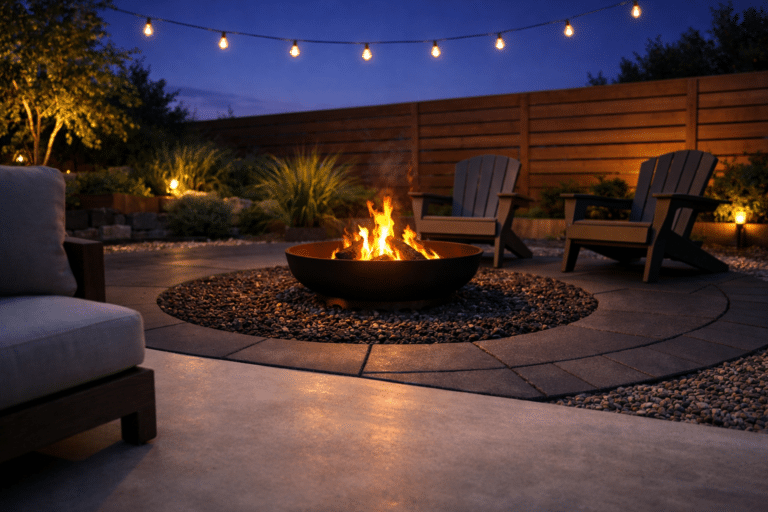
Gravel transforms outdoor spaces with both function and beauty. Decorative gravel comes in numerous colors and textures, allowing creative design possibilities. Functionally, gravel paths provide excellent drainage while remaining stable underfoot. When planning your outdoor space, selecting the best size gravel for landscaping ensures both aesthetic appeal and practical performance. The material also works well for mulching around plants, suppressing weeds while allowing water penetration.
Environmental Impact and Sustainable Practices
The extraction and use of rock, sand, and gravel do carry environmental considerations that responsible users must address. Quarrying operations can disrupt local ecosystems and affect water tables if not managed properly. However, these materials offer significant sustainability advantages when sourced and used responsibly.

These natural materials require minimal processing compared to synthetic alternatives, reducing energy consumption and carbon emissions. Their durability means structures last longer, reducing the need for frequent replacement and associated environmental costs. Many aggregate materials can be recycled and reused in new projects, further minimizing environmental impact. Understanding how gravel is made provides insight into sustainable extraction methods.
Sustainability tip: According to 3dev.hellogravel.com, implementing responsible extraction methods and promoting recycling systems can significantly reduce the ecological footprint of aggregate use.
Modern quarrying operations increasingly focus on rehabilitation efforts, restoring sites to natural or alternative functional states after extraction. These practices ensure long-term environmental stewardship while maintaining access to essential construction materials. Choosing suppliers who prioritize sustainable practices helps support responsible industry development. For those interested in the business side, learning how to sell gravel responsibly can contribute to sustainable industry practices.
Understanding the benefits of rock, sand, and gravel empowers you to make informed decisions for your construction and landscaping projects. These time-tested materials continue to provide reliable, cost-effective solutions that combine functionality with environmental responsibility. Whether you’re planning a small garden renovation or a major construction project, these natural aggregates offer the foundation for lasting success.

 Chance Kittrell