Best Driveway Aggregate Types for 2025: Crushed Stone vs Gravel vs Concrete
Get an estimate for your project in 60 seconds
 Your information is secure
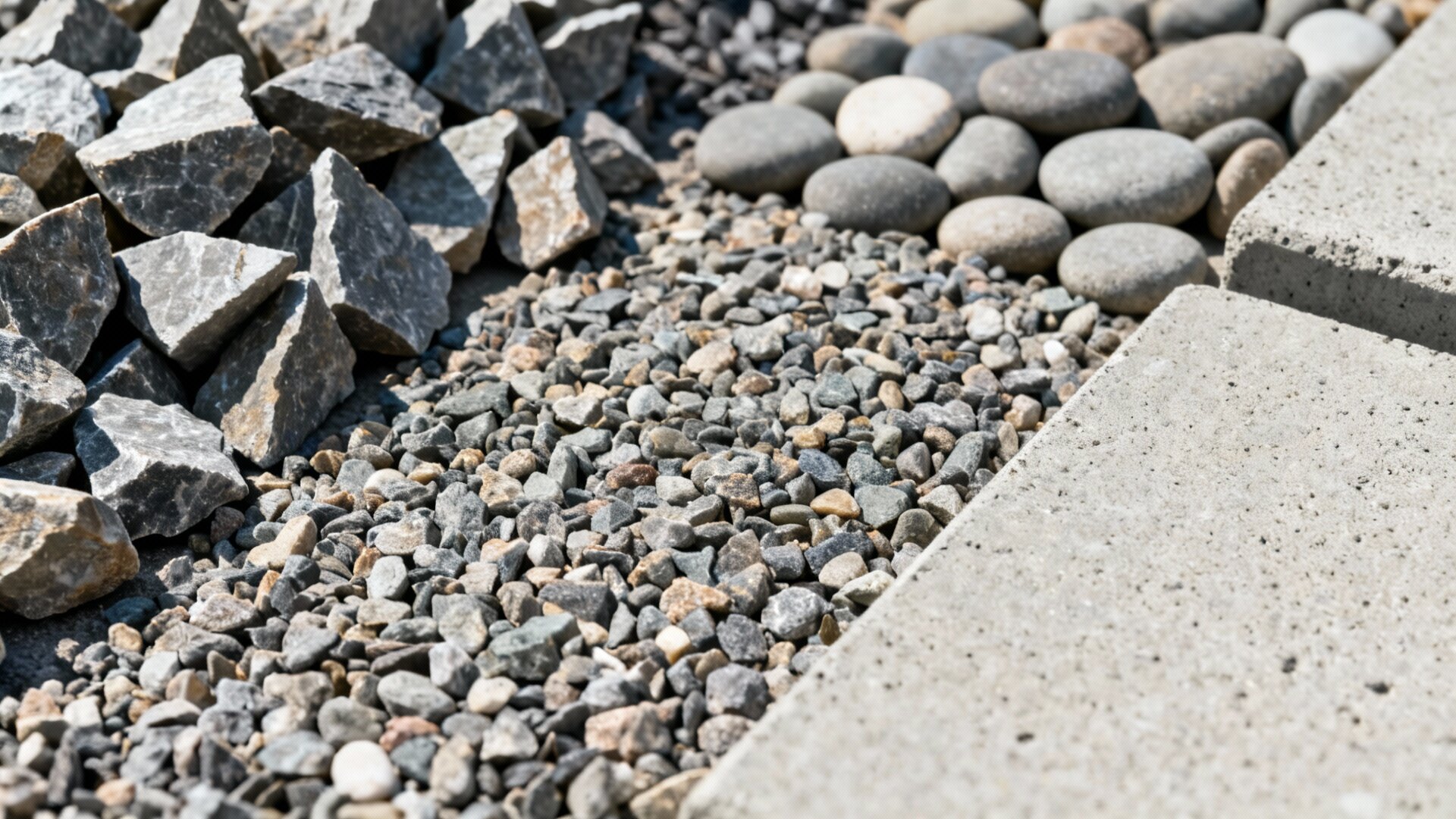
Choosing the right driveway aggregate can make or break your project. The wrong material leads to cracking, poor drainage, and costly repairs within just a few years. Your driveway aggregate serves as the foundation that supports vehicle weight, handles weather extremes, and affects your home’s curb appeal for decades to come.
The most popular driveway aggregates are crushed stone, gravel, concrete, and asphalt, each offering different benefits for durability, cost, and appearance. Crushed stone provides excellent stability and drainage, gravel offers the most budget-friendly option, concrete delivers long-term durability, and asphalt handles heavy loads effectively.
Quick Tip: Most driveway failures happen because of poor base material selection, not surface issues. Getting your aggregate choice right from the start saves thousands in future repairs.
This guide walks you through each aggregate type, helping you match the right material to your specific needs, budget, and local climate conditions.
Understanding driveway aggregate basics
Driveway aggregates are the granular materials that form your driveway’s foundation and surface. These materials get mixed with binding agents like cement or asphalt, or used alone in the case of gravel driveways.
Think of aggregates like the skeleton of your driveway. Just as your body needs strong bones to support weight and movement, your driveway needs quality aggregate to handle cars, weather, and time. The aggregate you choose determines how well your driveway performs under pressure.
Natural aggregates come from quarries, rivers, and geological formations. These include materials like crushed limestone, granite, and river rock that formed over thousands of years. Synthetic aggregates are manufactured from recycled materials like crushed concrete or specially processed materials designed to mimic natural properties.
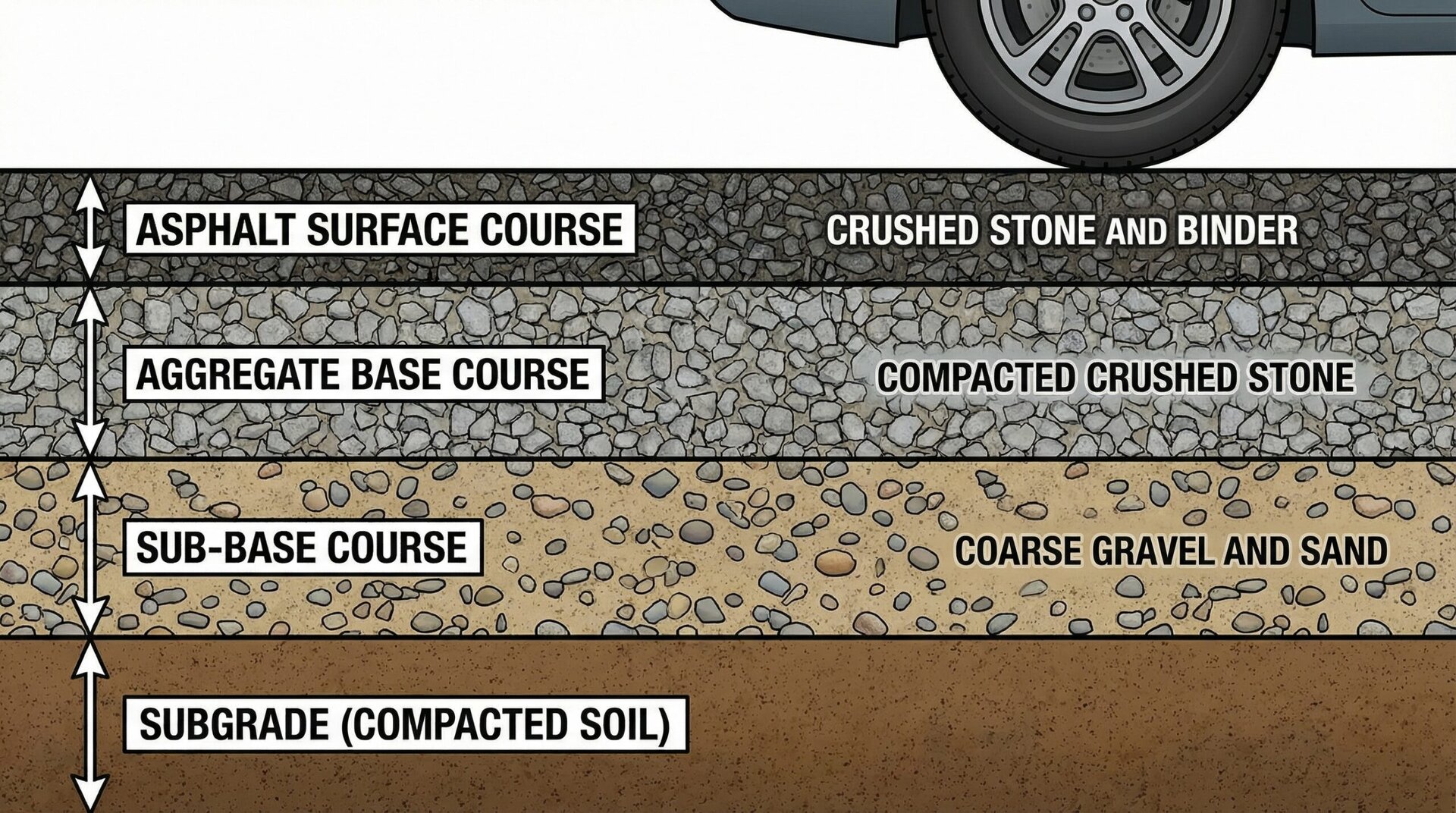
The key factors that separate good aggregates from poor ones include particle size distribution, hardness, and drainage properties. Quality aggregates have varied particle sizes that lock together tightly, resist breaking under load, and allow water to flow through rather than pooling on the surface.
Crushed stone aggregates
Crushed stone ranks as the most versatile driveway aggregate available today. These angular fragments, created by mechanically crushing large rocks, provide superior interlocking and stability compared to rounded materials.
Granite crushed stone offers exceptional durability and comes in attractive colors from light gray to deep charcoal. This material handles heavy traffic and extreme weather without breaking down, making it ideal for busy driveways or areas with harsh winters.
Limestone crushed stone provides excellent compaction and natural drainage. The material’s lighter colors help reflect heat in summer, and its chemical composition actually strengthens over time when exposed to moisture and pressure. When selecting types of stone for your driveway, understanding these properties helps ensure long-term performance.
| Crushed Stone Type | Cost per Ton | Best For | Durability Rating |
|---|---|---|---|
| Granite | $25-40 | Heavy traffic | Excellent |
| Limestone | $20-35 | Standard use | Very Good |
| Trap Rock | $30-45 | High performance | Excellent |
The angular edges of crushed stone create mechanical bonds that resist shifting and rutting. When properly installed with a 4-6 inch base layer, crushed stone driveways can last 15-20 years with minimal maintenance.
Important: Always specify the stone size when ordering. #57 stone (3/4 inch) works best for driveway surfaces, while #411 stone provides excellent base material due to its varied particle sizes. Learn more about gravel sizes for driveways to make the right choice.
Gravel aggregate options
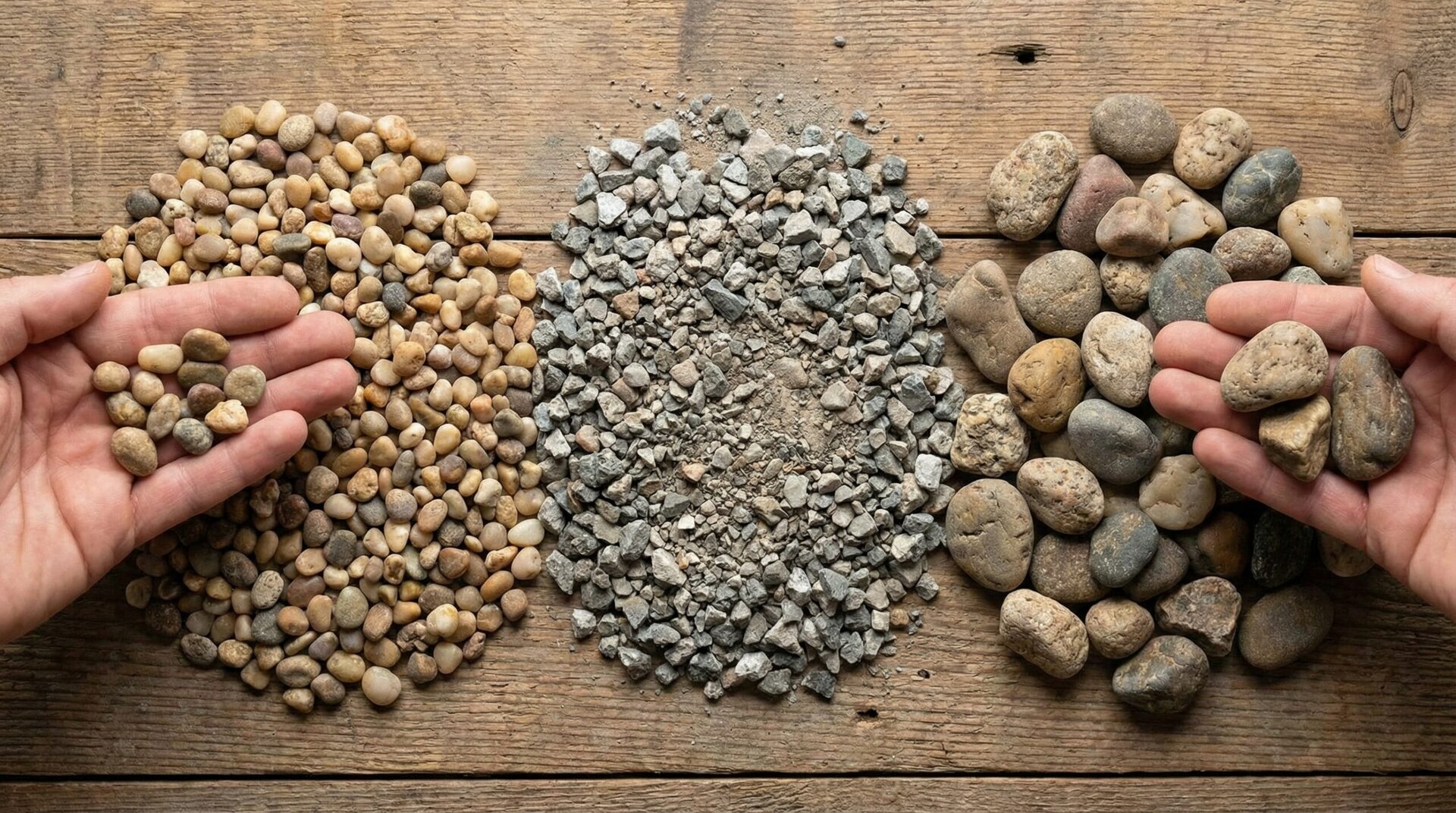
Gravel aggregates offer the most budget-friendly driveway solution while still providing good performance for lighter traffic areas. These naturally rounded stones create attractive, permeable surfaces that handle drainage exceptionally well.
Pea gravel, with its smooth 1/4 to 1/2 inch stones, creates beautiful decorative driveways that complement landscaping. However, the small, round stones can shift under vehicle tires, making them better suited for low-traffic areas or as accent materials.
Crusher run gravel combines various stone sizes from dust to 1.5 inches, creating a material that compacts extremely well. The fine particles fill gaps between larger stones, forming a stable surface that rivals more expensive options. Many contractors consider crusher run the best gravel for driveway projects due to its superior value and performance.
River rock gravel provides natural beauty with its smooth, water-worn appearance. These larger stones (1-3 inches) work well for rustic or natural-style driveways but require edging to prevent spreading and may feel bumpy under tires.
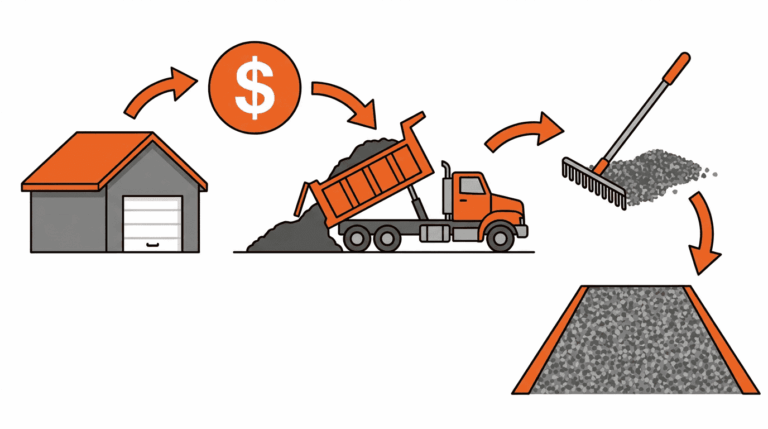
Installation costs for gravel driveways run significantly lower than other options since they require minimal equipment and no curing time. You can drive on a properly installed gravel driveway immediately after completion. If budget is your primary concern, explore options for the cheapest gravel for driveways that still deliver quality results.
Concrete and asphalt aggregates
Concrete aggregates combine cement with various sized stones to create the most durable driveway surface available. This combination can withstand decades of use while maintaining its appearance and structural integrity.
Standard concrete driveways use a mix of sand, gravel, and cement that cures into a solid surface. The aggregate within concrete provides strength and reduces cracking, while the cement binds everything together. Properly mixed concrete can support heavy vehicles and resist freeze-thaw damage effectively.
Exposed aggregate concrete showcases the natural beauty of stones within the mix. After the concrete sets partially, contractors wash away the surface cement to reveal colorful stones underneath. This technique combines concrete’s durability with attractive natural textures.
Asphalt aggregates blend crushed stone with petroleum-based binders to create smooth, flexible surfaces. The stone provides structure while the asphalt allows slight movement without cracking. This flexibility makes asphalt ideal for areas with temperature extremes or ground movement. Understanding the best base rock for driveway installations ensures proper support for these heavier materials.
Cost Reality Check: While concrete and asphalt cost more upfront ($3-7 per square foot), their 20-30 year lifespan often makes them more economical than replacing gravel driveways every 5-7 years.
Maintenance requirements vary significantly between these options. Concrete needs occasional sealing and crack repair, while asphalt requires periodic resealing every 3-5 years to maintain weather resistance and appearance.
Selecting the right driveway aggregate depends on balancing your budget, traffic needs, and long-term goals. Gravel works well for budget-conscious homeowners with light traffic, crushed stone provides excellent middle-ground performance, and concrete or asphalt deliver maximum durability for high-use driveways. Consider your local climate, soil conditions, and aesthetic preferences when making your final choice, and remember that selecting the best driveway base material matters just as much as surface selection for long-term success.


 Chance Kittrell
 igor
igor