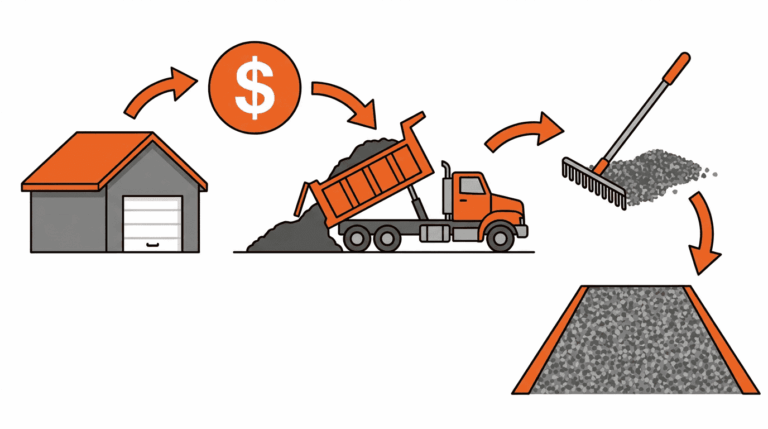
Best Driveway Stone Types for Durability and Style
Get an estimate for your project in 60 seconds
 Your information is secure

Selecting the right stone for your driveway affects both your property’s curb appeal and long-term maintenance costs. The material you choose determines how well your driveway handles weather, traffic, and time. This guide walks you through the most popular driveway stone options, helping you balance durability with style.
Quick Answer: Crushed stone offers the best balance of durability and drainage for most driveways, while gravel provides an affordable option and pea stone delivers superior aesthetics for lighter traffic areas.
Understanding driveway stone fundamentals
When you’re choosing driveway stone, you’re making a decision that affects your property for decades. The right stone creates a stable surface that handles everything from daily commutes to heavy delivery trucks. According to 3dev.hellogravel.com, different stones offer varying levels of weather resistance, with granite and basalt leading in harsh climate performance.
Your climate plays a major role in stone selection. If you live where winters bring freezing temperatures and de-icing agents, you need stones that won’t crack or deteriorate. Hot, humid areas require materials that resist mold and mildew growth. The size and weight of vehicles using your driveway also matter significantly.
Think about maintenance preferences too. Some homeowners prefer low-maintenance options that require minimal upkeep, while others don’t mind periodic maintenance for enhanced aesthetics. Your budget influences both initial costs and long-term expenses, as higher-quality stones often provide better value over time.

Popular driveway stone options
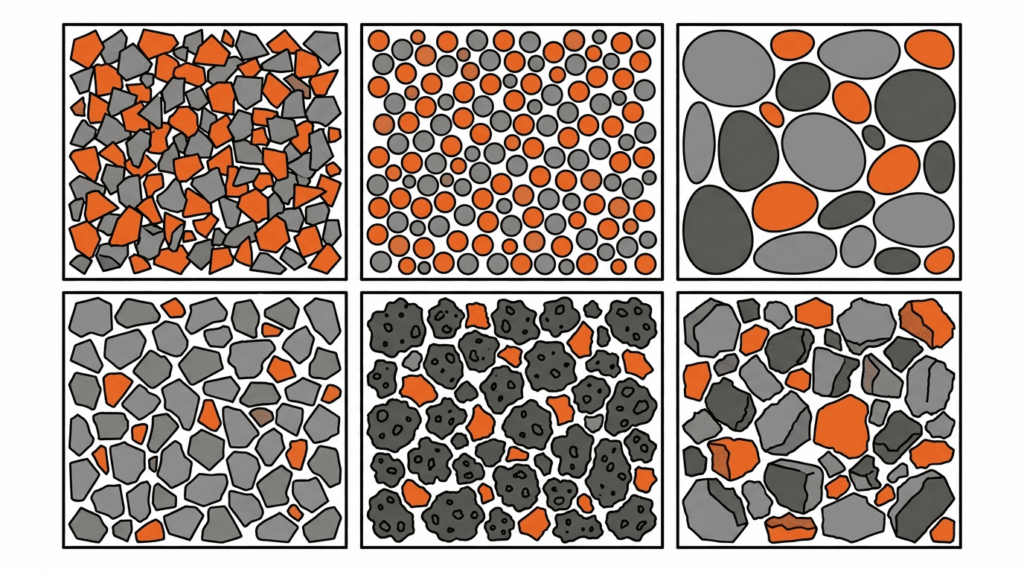
Gravel remains the most budget-friendly choice for driveways. Available in various sizes and colors, gravel allows customization to match your property’s style. Installation is straightforward, making it popular with DIY enthusiasts. However, 3dev.hellogravel.com notes that gravel tends to shift over time, especially with heavy use, requiring periodic replenishment.
Crushed stone offers excellent functionality and aesthetic appeal. Made by crushing larger stones into smaller pieces, it comes from materials like granite, limestone, or basalt. The key advantage is superior drainage – gaps between stones allow water flow, preventing puddles and reducing erosion risk. The interlocking nature creates a solid surface that withstands heavy loads and frequent use. For those considering this option, understanding the best crushed stone for driveway applications can help you make an informed decision.
Pea stone provides the smoothest appearance among loose stone options. These round, smaller stones create a polished, clean look that feels comfortable underfoot. The rounded edges reduce injury risk, making it ideal for families with children or pets. However, pea stones may require periodic leveling as they can shift due to rainfall or vehicle movement.
Pro Tip: For high-traffic driveways, crushed stone’s interlocking properties provide better stability than round pea stones, which tend to roll and shift under pressure.
Comparing durability and weather resistance
Weather resistance varies significantly among stone types. Granite and basalt excel in harsh conditions, including freezing temperatures and heavy rainfall. These dense stones resist cracking and erosion better than softer alternatives. Limestone and sandstone, while attractive, may be more susceptible to weather damage over time.
According to research from 3dev.hellogravel.com, stones like granite and basalt are known for their long lifespan and low maintenance needs. They resist wear and tear effectively, requiring minimal upkeep over years of use. Softer stones like limestone may need periodic sealing to prevent staining or deterioration.
Consider your local weather patterns when making selections. Areas with heavy rainfall benefit from stones with excellent drainage properties. Regions with freeze-thaw cycles need materials that won’t crack when water expands. Hot climates require stones that won’t absorb excessive heat or promote unwanted vegetation growth.
| Stone Type | Weather Resistance | Maintenance Level | Typical Lifespan |
|---|---|---|---|
| Granite | Excellent | Low | 20+ years |
| Crushed Stone | Good | Medium | 15-20 years |
| Gravel | Fair | High | 10-15 years |
| Pea Stone | Good | Medium | 15-20 years |
Cost considerations and installation factors
Initial installation costs vary significantly among stone types. Gravel typically offers the lowest upfront investment, while specialty stones like granite command premium prices. However, evaluate long-term value rather than just initial costs. Higher-quality stones often provide better durability, reducing replacement and maintenance expenses over time.
Size and material significantly impact pricing. Larger stones generally cost more due to increased weight and labor requirements during installation. When planning your project, choosing the ideal rock size for your gravel driveway is essential for both aesthetics and functionality. Exotic or rare stones carry premium pricing but may offer unique aesthetic benefits that justify the investment for some homeowners.
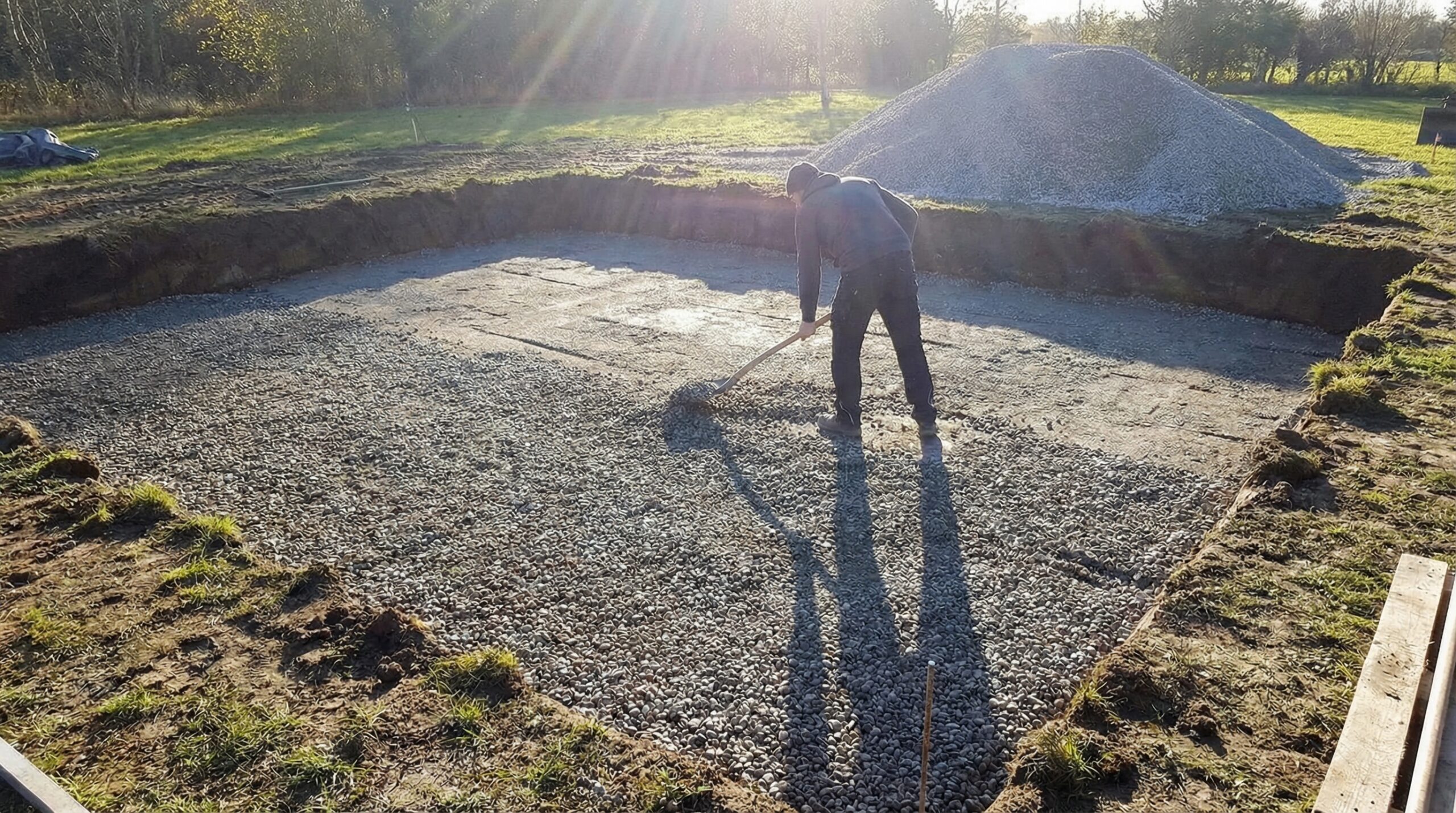
Installation preparation remains crucial regardless of stone type. Proper base preparation prevents future shifting and cracking. This includes removing vegetation and debris, creating stable foundations, and ensuring proper drainage. Understanding the importance of a sturdy driveway gravel base can save you from costly repairs down the road. The installation process varies by stone type, but generally involves spreading base layers, placing stones in desired patterns, and compacting surfaces for stability.
Money-Saving Insight: While crushed stone costs more initially than gravel, its superior stability often reduces long-term maintenance costs, making it more economical over a 10-year period.
Professional installation ensures proper technique and longevity, though some homeowners successfully tackle gravel installations themselves. If you’re considering a DIY approach, learning how to lay your gravel properly will ensure lasting results. Consider your skill level, available time, and the complexity of your specific project when deciding between professional and DIY installation.
Choosing the best driveway stone involves balancing durability, aesthetics, and budget considerations. Crushed stone offers excellent performance for most applications, while gravel provides budget-friendly functionality. Pea stone delivers superior visual appeal for lighter traffic situations. Consider your climate, vehicle usage, and maintenance preferences to make the decision that serves your property best for years to come.

 Chance Kittrell