Best Gravel for Driveway Complete Guide to Choosing the Right Type
Get an estimate for your project in 60 seconds
 Your information is secure

Choosing the wrong gravel for your driveway can lead to costly problems like poor drainage, frequent repairs, and an unattractive surface that detracts from your home’s curb appeal. The right gravel selection affects everything from how well your driveway handles heavy rain to how comfortable it feels when you walk on it.
Quick answer: ¾ inch crushed stone is the most recommended gravel for residential driveways. This size offers excellent stability, proper drainage, and durability for typical vehicle traffic. However, your specific needs may vary based on factors like climate, traffic load, and aesthetic preferences.
Pro tip: Most successful driveways use a layered system with larger base stones (1-2 inches) for stability and smaller surface stones (¾ inch) for comfort and appearance.
Understanding your options helps you make a choice that balances functionality, cost, and visual appeal while avoiding common mistakes that lead to maintenance headaches down the road.
Understanding gravel’s role in driveway construction
Gravel serves multiple critical functions beyond just creating a driving surface. It provides essential drainage that prevents water from pooling and causing erosion or ice damage during freeze-thaw cycles. The right gravel also offers traction for vehicles while distributing weight evenly to prevent rutting and settling.
Think of gravel as the foundation of your driveway’s performance. Just like you wouldn’t build a house on unstable ground, your driveway needs the right stone foundation to perform well over time. The base layer typically uses larger stones for structural support, while the top layer uses smaller gravel for comfort and appearance.

Proper gravel selection also impacts maintenance requirements. Angular crushed stone locks together better than rounded river rock, creating a more stable surface that resists shifting. This means less frequent raking and fewer repairs over the years.
Key factors when choosing driveway gravel
Your local climate plays a major role in gravel selection. Areas with heavy rainfall need gravel with excellent drainage properties to prevent washouts. Cold climates require materials that can handle freeze-thaw cycles without breaking down or becoming unstable.
Traffic considerations matter significantly. A driveway used only by family cars has different requirements than one accommodating delivery trucks or RVs. Heavier vehicles need larger, more durable stones that can bear the weight without sinking or creating ruts.
Budget affects your options, but remember that cheaper isn’t always better. Spending a bit more on quality gravel often saves money long-term by reducing maintenance needs and extending driveway life. Consider the total cost of ownership rather than just the initial material price.
Important: Aesthetic preferences should complement functionality rather than override it. You can achieve an attractive driveway while still prioritizing performance and durability.
Maintenance tolerance varies among homeowners. Some gravels require regular raking and occasional replenishment, while others stay in place better but may cost more initially. Choose based on how much ongoing maintenance you’re willing to handle.
Popular gravel types for driveways
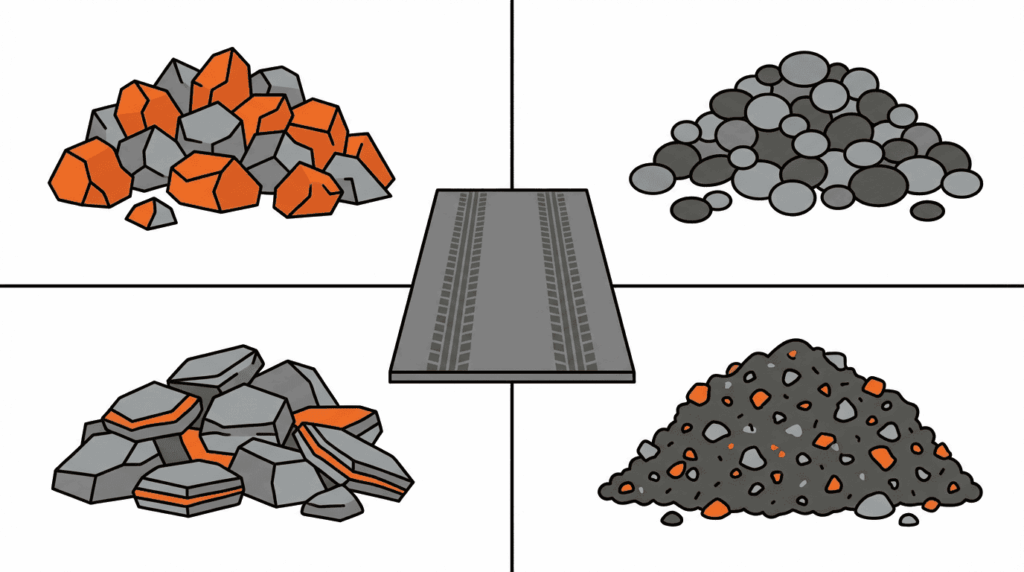
Crushed stone gravel remains the most popular choice for good reason. Made from mechanically crushed rocks, it features angular edges that interlock when compacted, creating excellent stability. The rough texture provides good traction, and various sizes allow for proper layering. However, the angular surface can be less comfortable for walking compared to smoother options.
Pea gravel offers a completely different experience with its smooth, rounded stones typically measuring ⅜ inch in diameter. This creates a comfortable walking surface and attractive appearance that works well in garden settings. The downside is that pea gravel shifts easily under vehicle weight and may not be suitable for steep driveways or heavy traffic areas.
Jersey Shore gravel combines aesthetics with reasonable functionality. This naturally weathered stone blend features various earth tones that create a coastal, natural appearance. It works well for moderate traffic but may require more maintenance than crushed stone in high-use situations.
| Gravel Type | Size Range | Best For | Pros | Cons |
|---|---|---|---|---|
| Crushed Stone | ½” to 2″ | High traffic, stability | Excellent compaction, durable | Rough texture |
| Pea Gravel | ¼” to ⅜” | Light traffic, aesthetics | Comfortable, attractive | Shifts easily |
| Jersey Shore | ⅜” to ¾” | Moderate traffic, coastal look | Natural appearance | Higher maintenance |
Crusher run deserves mention as an excellent base material. This mixture of stone sizes from dust to 1 inch compacts extremely well, creating a solid foundation for your top layer. While not attractive enough for surface use, it provides unmatched stability for the base layer.
Installation and maintenance considerations
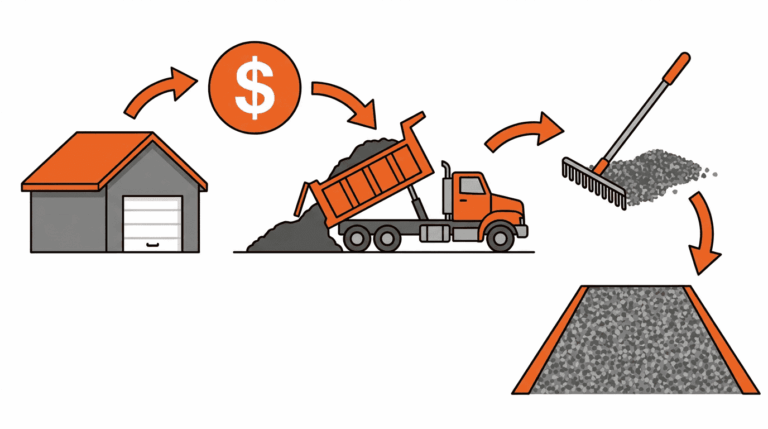
Proper installation makes the difference between a driveway that lasts decades and one that requires constant repairs. Start by excavating 6-8 inches deep and creating proper drainage with a slight crown or slope. Install landscape fabric to prevent weeds while allowing water drainage.
The base layer should be 4-6 inches of larger stones like crusher run or #3 gravel. Compact this thoroughly before adding your surface layer. The top layer typically needs 2-3 inches of your chosen surface gravel, also compacted for stability. For detailed guidance on choosing the ideal stone size for your gravel driveway, consider consulting with professionals.

Regular maintenance keeps your driveway looking and performing its best. Rake the surface periodically to redistribute gravel and maintain an even appearance. Add fresh gravel annually or as needed to replace material that gets displaced or compacted over time. Learn more about the secret that keeps your gravel in place to minimize ongoing maintenance.
Address drainage issues promptly to prevent bigger problems. Clear any debris from drainage areas and ensure water flows away from the driveway rather than pooling on the surface.
Maintenance tip: Spring is the ideal time for major driveway maintenance, allowing you to address any winter damage before the busy summer season.
Choosing the right gravel for your driveway involves balancing multiple factors including durability, cost, appearance, and maintenance requirements. Crushed stone offers the best overall performance for most situations, while pea gravel and specialty options can work well in specific circumstances. Proper installation and regular maintenance ensure your investment pays off with years of reliable service and attractive appearance. For those considering decorative driveway gravel options, remember that aesthetics should complement functionality.
Ready to start your driveway project? Hello Gravel makes it easy to get exactly the materials you need delivered directly to your location. Our team understands what type of aggregate is best for a driveway and can help you select the perfect gravel type for your specific situation.

 Chance Kittrell