Best loamy soil for indoor plants in 2026
Get an estimate for your project in 60 seconds
 Your information is secure
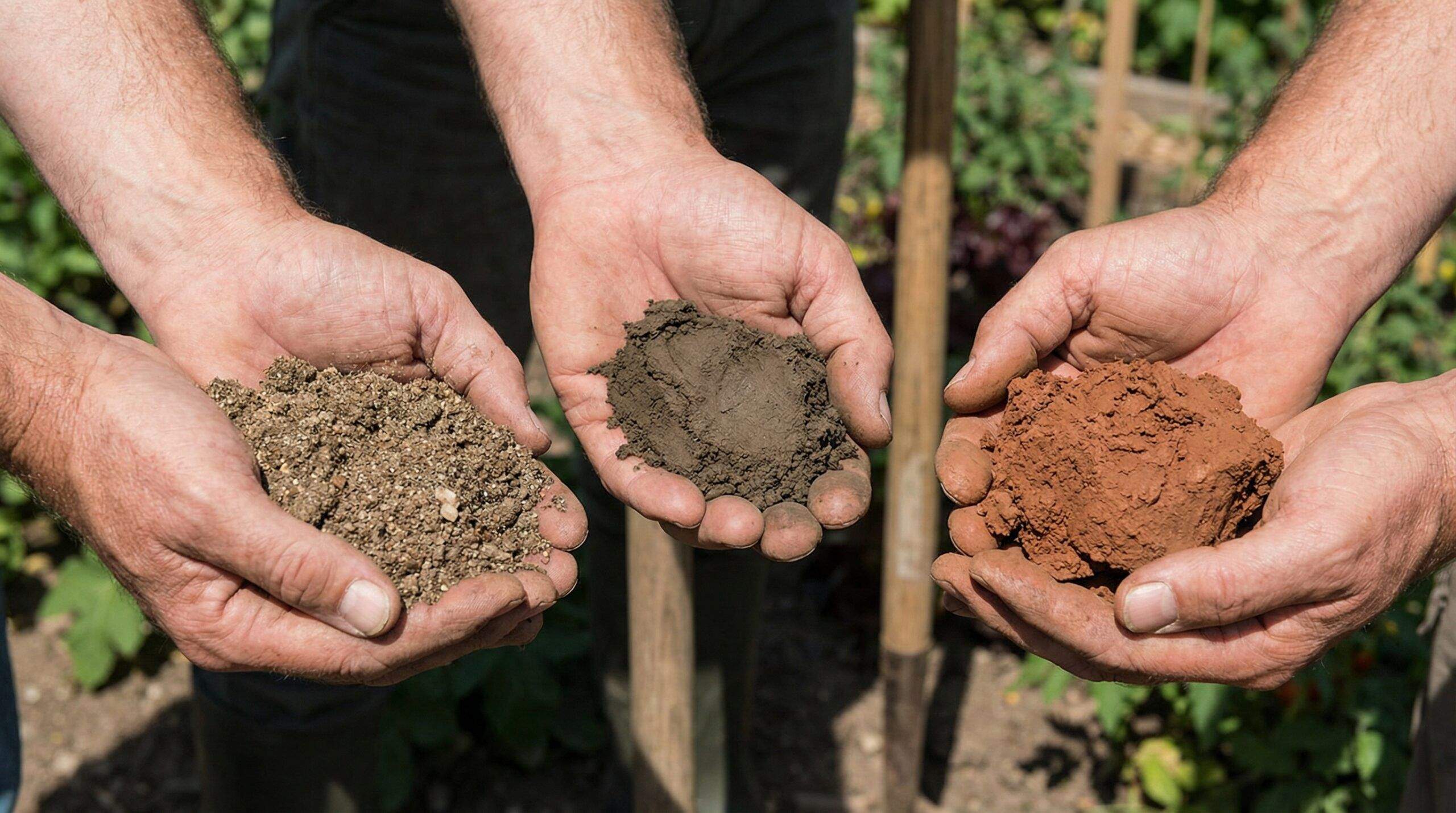
Silt loam is the best type of loamy soil for most indoor plants because it offers the perfect balance of drainage and moisture retention. With its ideal composition of approximately 40% sand, 40% silt, and 20% clay, silt loam provides optimal growing conditions that prevent root rot while ensuring your plants get the nutrients they need.
If you’ve ever wondered why some indoor plants thrive while others struggle, the answer often lies in the soil. Loamy soil has become the gold standard for indoor gardening, but not all loamy soils are created equal. Understanding the differences between sandy loam, clay loam, and silt loam can transform your indoor garden from surviving to thriving.
Quick tip: You can test your soil’s texture by squeezing a handful when moist. Loamy soil should hold together but crumble easily when poked.
What makes loamy soil perfect for indoor plants
Loamy soil combines the best characteristics of three soil types into one balanced growing medium. The sand particles create spaces for air and water movement, preventing your plants from suffocating in waterlogged conditions. The silt particles hold onto just enough moisture to keep roots hydrated between waterings, while clay particles act like tiny magnets, grabbing and storing essential nutrients.
Think of loamy soil like a well-designed sponge. It soaks up water when your plants need it but releases excess moisture before problems develop. This balance is especially important for indoor plants, which can’t rely on natural rainfall patterns and outdoor drainage systems.
The texture of quality loamy soil feels soft and crumbly in your hands, never sticky like pure clay or gritty like pure sand. When you water plants in loamy soil, the water should soak in steadily without pooling on top or rushing straight through to the drainage holes.
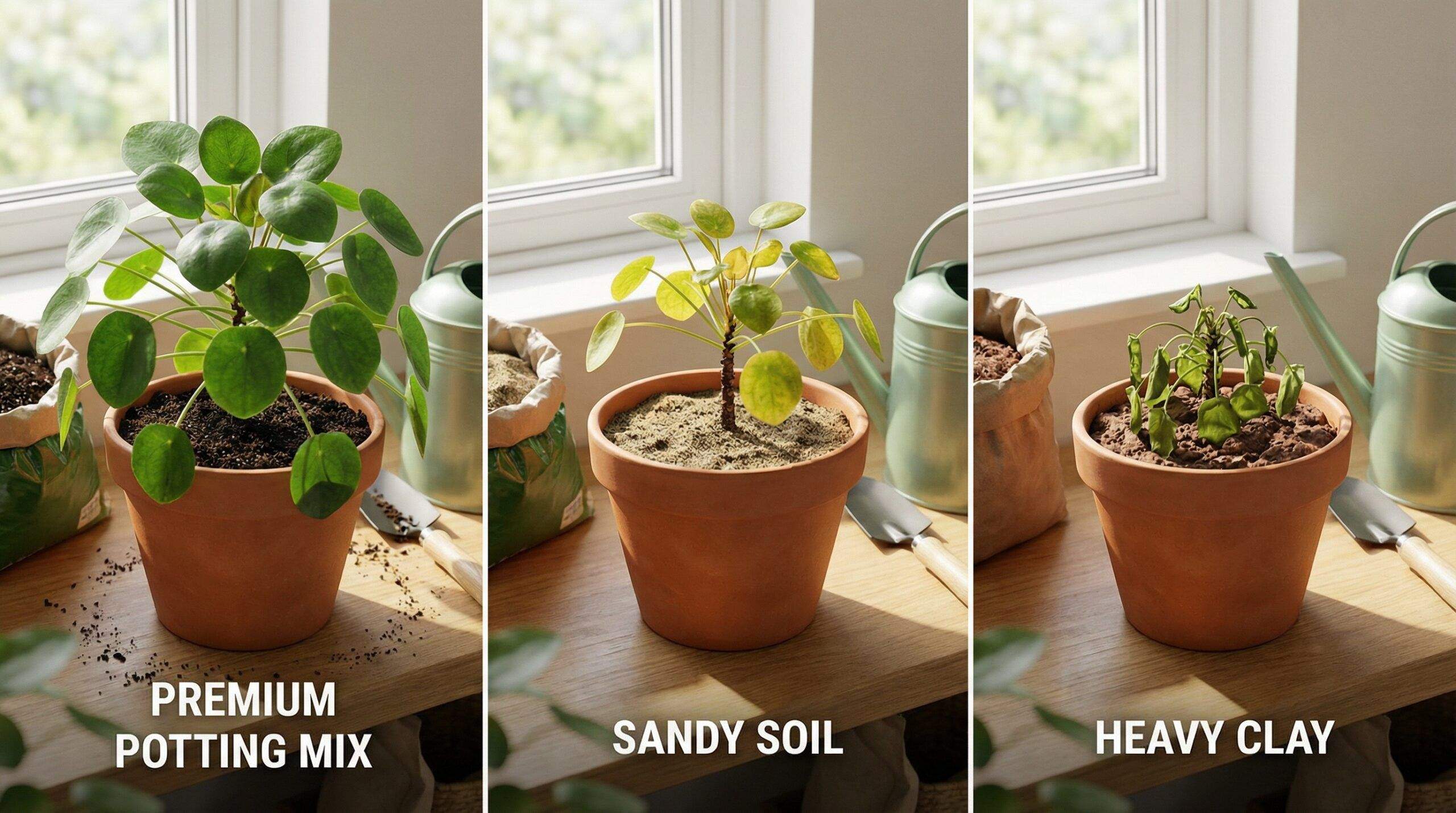
Understanding the three types of loamy soil
Sandy loam
Sandy loam contains more sand particles than other loam types, making it the drainage champion of the group. Water moves through sandy loam quickly, which makes it excellent for plants that hate wet feet, like succulents and herbs. However, this fast drainage means nutrients can wash away more easily, so you’ll need to fertilize more frequently.
Clay loam
Clay loam holds onto water and nutrients like a treasure chest, making it rich and fertile. Many tropical houseplants love clay loam because it mimics the nutrient-dense soils of their native environments. The downside is that clay loam can become waterlogged if you’re heavy-handed with watering, potentially leading to root rot. For more guidance on working with clay-based soils, check out our article on what type of clay soil is best for a succulent garden.
Silt loam
Silt loam sits in the sweet spot between sandy and clay loam. It retains moisture better than sandy loam but drains better than clay loam. The smooth, silky texture of silt loam makes it easy for roots to penetrate and spread, while its balanced composition holds nutrients without becoming soggy.
Choosing the right loamy soil for your plants
Your plant selection should guide your soil choice, not the other way around. Plants from arid environments typically prefer sandy loam, while tropical plants often thrive in clay loam. For most common houseplants like pothos, snake plants, and rubber trees, silt loam provides the versatility they need.
Consider your watering habits too. If you tend to water frequently, sandy loam will forgive your enthusiasm better than clay loam. If you sometimes forget to water, clay loam’s moisture retention might save your plants from drought stress.
Plant match: Fiddle leaf figs and monstera plants perform exceptionally well in silt loam because it supports their need for consistent moisture without waterlogging their sensitive roots.
| Soil Type | Best For | Drainage | Nutrient Retention |
|---|---|---|---|
| Sandy Loam | Succulents, herbs | Excellent | Moderate |
| Clay Loam | Tropical plants | Good | Excellent |
| Silt Loam | Most houseplants | Very Good | Very Good |
Preparing and using loamy soil effectively
Before using any loamy soil for indoor plants, inspect it for debris like rocks, sticks, or old roots that could interfere with new root growth. Quality loamy soil should smell earthy and fresh, never sour or moldy.
You can improve any loamy soil by mixing in some compost, which adds beneficial microorganisms and slow-release nutrients. About one part compost to four parts loamy soil creates an excellent growing medium for most indoor plants. If you’re interested in learning more about organic amendments, our guide on what type of compost is best for an herb garden offers valuable insights.
When repotting, fill your container about one-third full with loamy soil, position your plant, then add more soil around the roots. Water thoroughly after planting to help the soil settle and eliminate air pockets that could dry out roots.
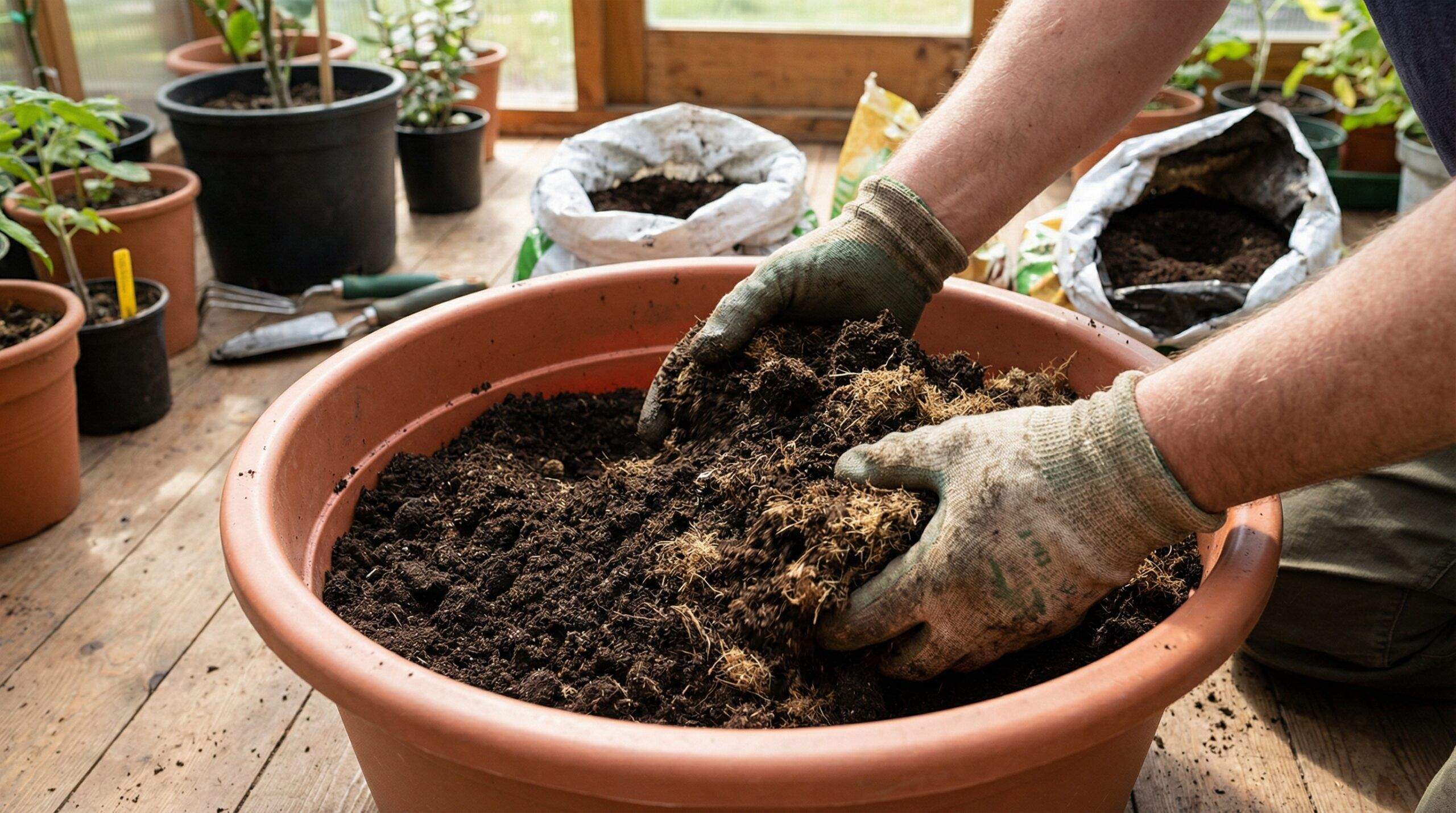
Regular maintenance keeps your loamy soil performing at its best. Check moisture levels by sticking your finger about two inches into the soil. Most plants in loamy soil need watering when the top inch feels dry. Monthly feeding with a balanced liquid fertilizer replaces nutrients that plants consume or that wash away through drainage holes.
Maintenance tip: Gently loosen the top inch of soil every few months to prevent compaction and improve air circulation to the roots.
The right loamy soil transforms indoor gardening from guesswork into success. Silt loam works for most situations, but understanding your plants’ specific needs and your own care habits will help you choose the perfect match. For outdoor gardening projects that require different soil considerations, explore our resources on raised garden beds and garden paths. With proper preparation and maintenance, loamy soil creates the foundation for healthy, thriving indoor plants that bring life and beauty to your home.
 Chance Kittrell