Best rocks for driveways 2025: granite vs basalt vs gravel guide
Get an estimate for your project in 60 seconds
 Your information is secure

Choosing the right rocks for your driveway can save you thousands in repairs and boost your property value by up to 15%. The wrong choice leads to cracking, poor drainage, and costly replacements within just a few years.
Quick answer: Granite and basalt offer the best durability for heavy traffic, lasting 20+ years. Crushed stone provides the most cost-effective solution at $25-40 per ton. Pea gravel works well for light traffic and budget-conscious homeowners.
Key insight: Your driveway’s base layer determines 80% of its longevity. The right rock choice prevents water damage, cracking, and premature failure.
This guide breaks down the top driveway rock options, comparing durability, costs, and installation requirements to help you make the best choice for your specific needs and budget.
What makes rocks suitable for driveways
Not all rocks work well for driveways. You need materials that can handle vehicle weight, drain water effectively, and resist weather damage over decades.
The best driveway rocks share three key characteristics: high compressive strength to support heavy loads, proper drainage to prevent water buildup, and resistance to freeze-thaw cycles that cause cracking.
Compressive strength measures how much weight a rock can bear before breaking. Granite typically rates around 200 MPa, while softer materials like limestone rate closer to 100 MPa. Higher numbers mean better performance under vehicle traffic.
Drainage properties matter just as much as strength. Rocks with good porosity allow water to flow through rather than pooling on the surface. This prevents erosion, ice damage, and the formation of potholes during wet seasons.
Top driveway rock options compared
Here’s how the most popular driveway rocks stack up against each other:
| Rock Type | Durability (Years) | Cost per Ton | Drainage | Best For |
|---|---|---|---|---|
| Granite | 20-30 | $45-65 | Good | Heavy traffic |
| Basalt | 20-25 | $40-60 | Excellent | High strength needs |
| Crushed Stone | 10-15 | $25-40 | Very Good | Budget projects |
| Pea Gravel | 8-12 | $30-45 | Excellent | Light traffic |
Granite rocks deliver exceptional longevity and can handle the heaviest loads. Their igneous composition resists weathering and maintains structural integrity even under extreme temperature changes. The higher upfront cost pays off through decades of reliable performance.
Basalt rocks offer similar strength to granite with slightly better drainage properties. Their dark color provides a modern aesthetic that complements contemporary home designs. Basalt’s high iron and magnesium content creates superior resistance to abrasion from turning vehicles.
Engineer’s tip: For driveways expecting regular heavy truck traffic, choose rocks with compressive strength above 150 MPa. Both granite and basalt exceed this threshold comfortably.
Crushed stone remains the most popular choice due to its balance of performance and affordability. Made from various rock types crushed to uniform sizes, it compacts well and provides stable footing for vehicles. The angular edges lock together better than rounded stones. Learn more about different types of driveway gravel to understand which crushed stone varieties work best for your needs.
Budget-friendly rock solutions
Cost-conscious homeowners have several excellent options that don’t sacrifice too much performance for savings.
Crushed stone tops the budget-friendly list while still delivering solid durability. At $25-40 per ton, it costs roughly half what you’d pay for granite while lasting 10-15 years with proper maintenance. The key is choosing the right grade for your traffic needs. For those looking to minimize expenses, explore our guide on the cheapest gravel for driveways to find the most economical options.
Pea gravel offers another economical choice, especially for driveways with light vehicle traffic. These small, rounded stones create an attractive natural look and drain exceptionally well. However, they can shift under heavy braking or turning, requiring occasional re-grading.
Recycled concrete provides an eco-friendly budget option that performs similarly to crushed stone. Many suppliers offer this at 20-30% less than new rock materials. The environmental benefits make it appealing for sustainability-minded homeowners.
When working with budget materials, proper installation becomes even more critical. A well-prepared base and adequate thickness can extend the life of cheaper rocks significantly. Understanding how much a 100-foot gravel driveway costs can help you budget appropriately for your project.

Installation and maintenance considerations
Proper installation determines whether your driveway rocks perform as expected or fail prematurely. The process involves more than just spreading material on the ground.
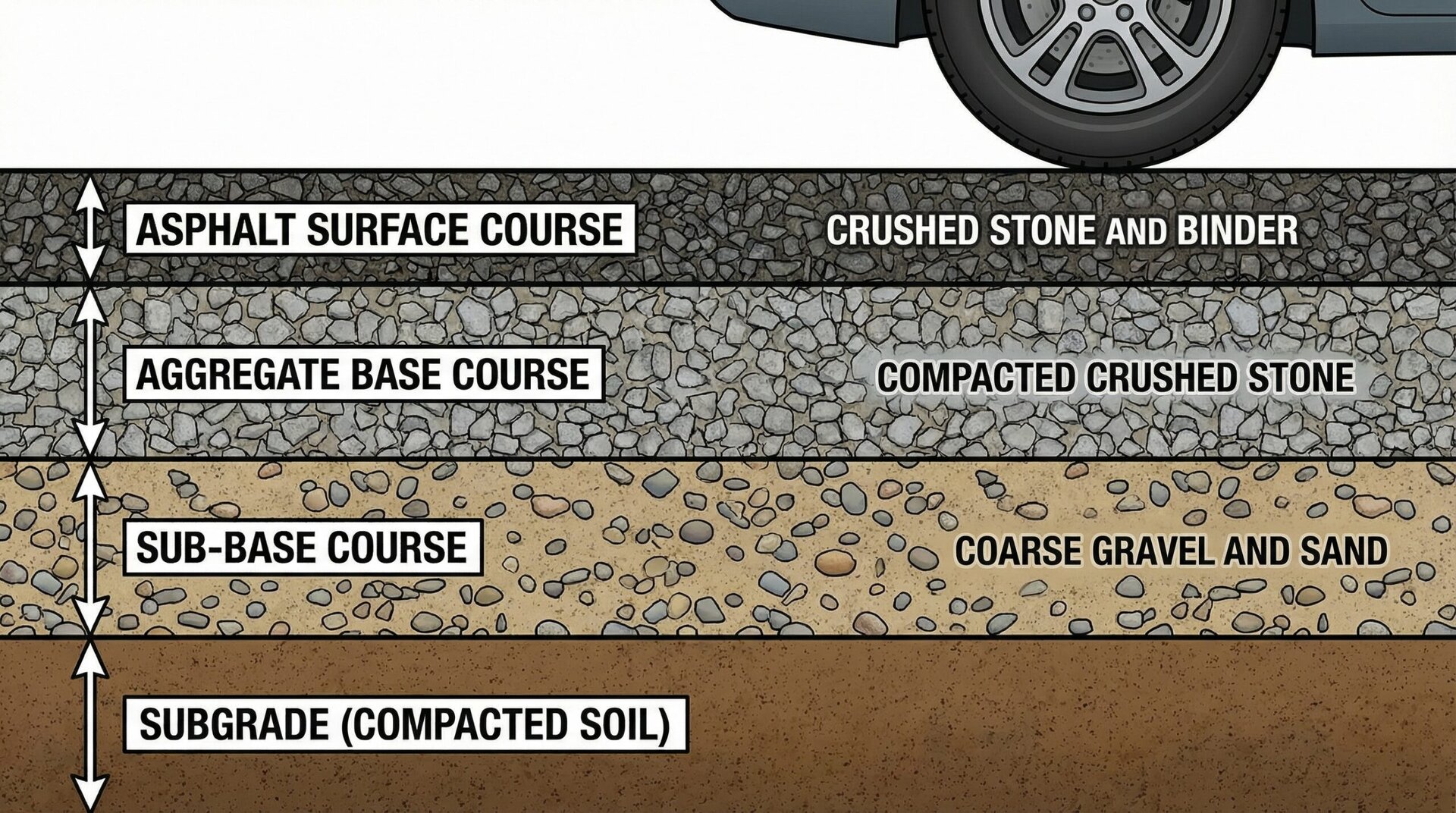
Base preparation starts with excavating 6-8 inches deep and creating proper drainage slopes. Without this foundation work, even the best rocks will shift and develop problems within a few years. Selecting the best base rock for driveway construction is crucial for long-term stability.
Layer thickness matters significantly for longevity. Most driveway rocks need 3-4 inches of material for light traffic or 4-6 inches for heavier use. Skimping on thickness saves money upfront but costs more in repairs later. Check our comprehensive guide on driveway aggregate types to understand proper layering techniques.
Compaction locks the rocks together and creates a stable driving surface. Rent a plate compactor or hire professionals for this step, as hand tamping rarely achieves adequate density.
Maintenance tip: Rake loose stones back into place monthly and add fresh material annually to high-wear areas like turning spots and the entrance.
Regular maintenance keeps rock driveways performing well for their full lifespan. This includes filling in low spots, controlling weeds, and refreshing the surface layer every few years.
The best rock choice depends on balancing your traffic needs, budget constraints, and aesthetic preferences. Granite and basalt provide maximum durability for demanding applications, while crushed stone and pea gravel offer practical solutions for most residential driveways. For a detailed comparison of all available options, consult our guide on types of stone for driveway applications. Consider your long-term costs, including maintenance and eventual replacement, when making the final decision.


 Chance Kittrell
 igor
igor