Best Sand and Gravel Companies for Your Construction Project
Get an estimate for your project in 60 seconds
 Your information is secure
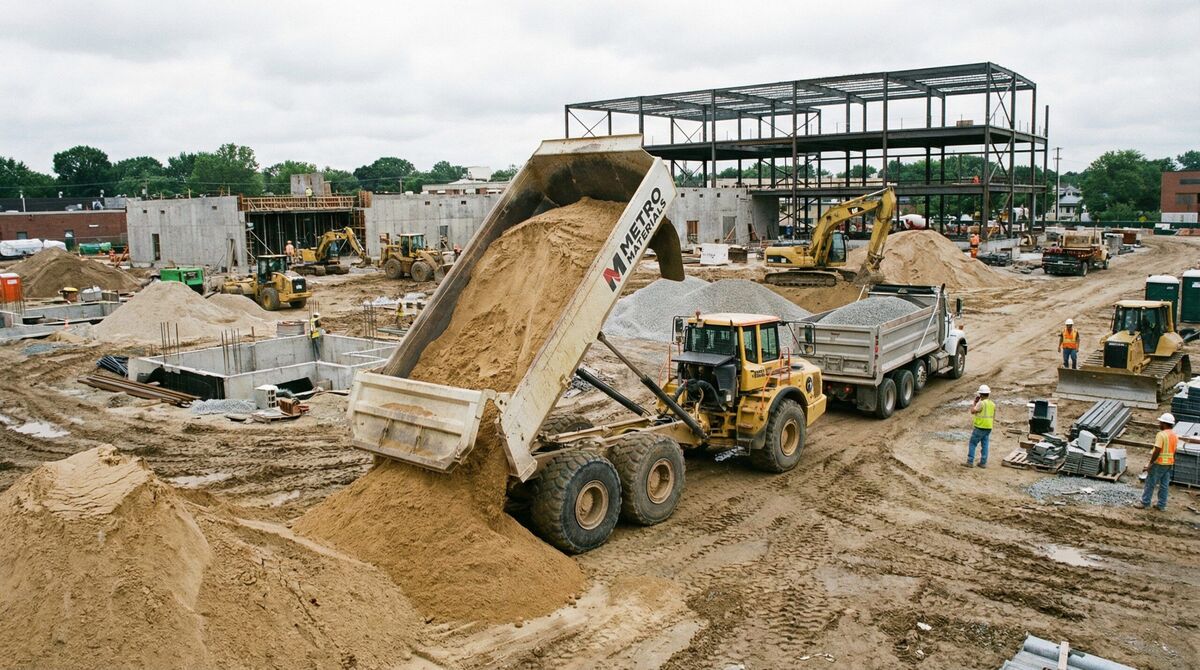
Finding the right sand and gravel supplier can make or break your construction project. Whether you’re building a driveway, laying a foundation, or working on major infrastructure, the quality of your aggregates directly impacts your project’s success. The best sand and gravel companies combine reliable delivery, consistent quality, and competitive pricing to keep your project on track.
Quick Answer: The best sand and gravel companies offer certified materials, reliable delivery schedules, competitive pricing, and strong customer service. Look for suppliers with local presence, quality certifications, and sustainable practices.
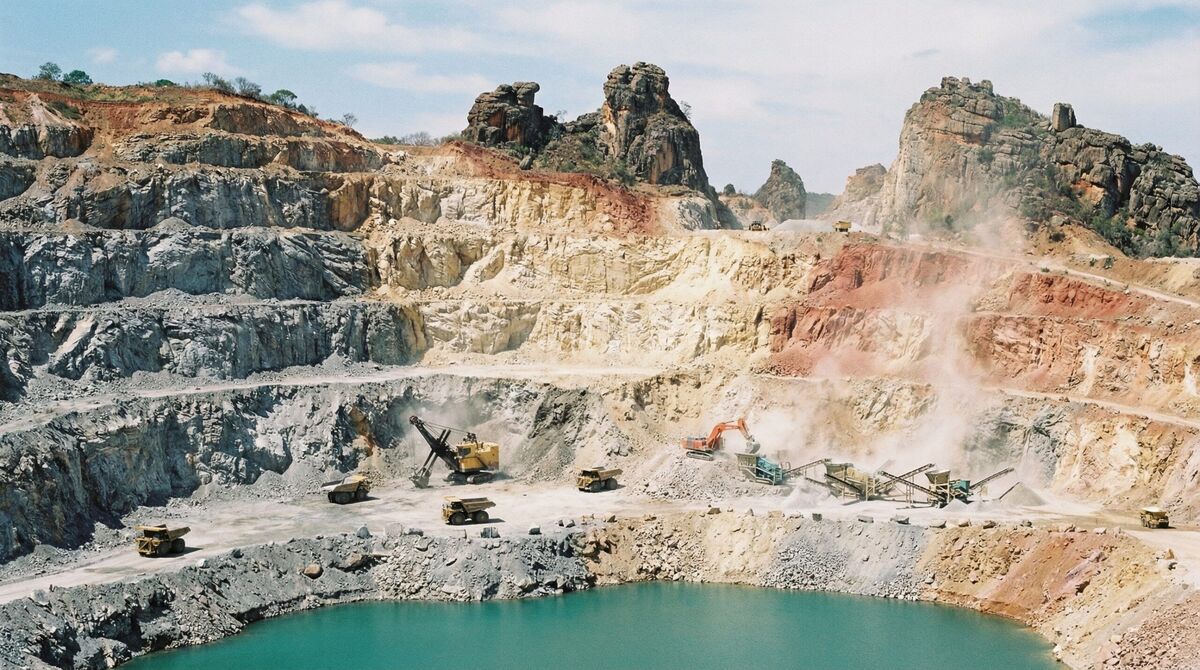
The sand and gravel industry supplies over 2.5 billion tons of materials annually in the United States alone, making it one of the most essential sectors in construction. These materials form the backbone of concrete production, road construction, and countless building projects across the country.
Understanding what makes a quality sand and gravel supplier
Quality sand and gravel suppliers share several key characteristics that set them apart from average providers. The best companies maintain strict quality control standards, ensuring their materials meet industry specifications for construction use.

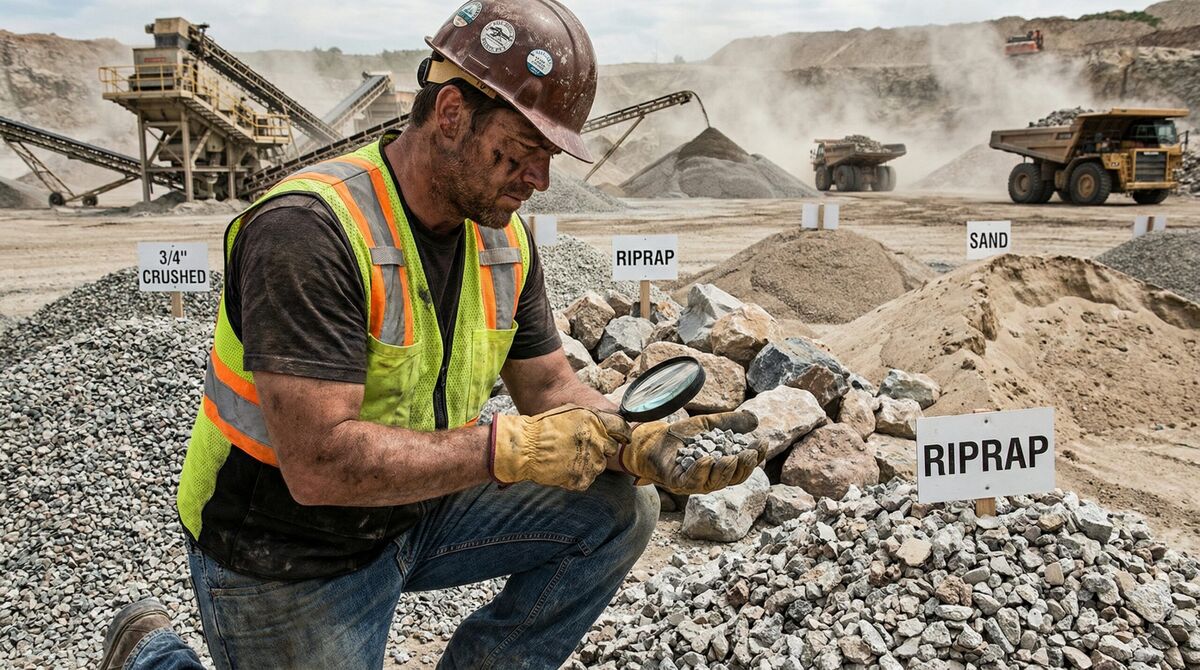
Material consistency matters more than you might think. Top suppliers test their aggregates regularly for size gradation, cleanliness, and durability. They source materials from established quarries and maintain proper storage facilities to prevent contamination.
Reliable delivery schedules separate professional suppliers from the rest. Construction projects operate on tight timelines, and delays in material delivery can cost thousands of dollars. The best companies use modern logistics systems to track deliveries and communicate proactively with customers about any potential delays.
Customer service extends beyond just taking orders. Quality suppliers provide technical guidance on material selection, help calculate quantities needed, and offer solutions when project requirements change unexpectedly.
Key factors when evaluating sand and gravel companies
Several critical factors determine whether a sand and gravel company will meet your project needs effectively. Understanding these factors helps you make informed decisions and avoid costly mistakes.
| Factor | What to Look For | Why It Matters |
|---|---|---|
| Material Quality | Certified testing, clean aggregates | Ensures structural integrity |
| Delivery Reliability | On-time track record, flexible scheduling | Keeps projects on schedule |
| Geographic Coverage | Local presence, reasonable delivery zones | Reduces costs and delivery times |
| Pricing Structure | Transparent pricing, bulk discounts | Controls project costs |
Geographic proximity plays a huge role in both cost and convenience. Local suppliers typically offer better pricing due to reduced transportation costs and can respond more quickly to urgent delivery needs. However, don’t sacrifice quality for proximity if local options don’t meet your standards.
Pricing transparency helps you budget accurately and avoid surprise charges. The best companies provide detailed quotes that include material costs, delivery fees, and any additional charges upfront. Understanding the cost of delivered gravel can help you compare suppliers effectively and ensure you’re getting competitive rates for your project.
Pro Tip: Always request material certifications and test reports before placing large orders. This documentation proves the aggregates meet specifications and protects you if quality issues arise later.
Environmental practices increasingly matter to both regulations and corporate responsibility. Leading suppliers implement dust control measures, restore quarry sites after extraction, and use efficient transportation to minimize their environmental footprint.
How technology is changing the sand and gravel industry
Modern sand and gravel companies leverage technology to improve service quality and operational efficiency. GPS tracking systems allow real-time delivery monitoring, giving customers accurate arrival estimates and proof of delivery.
Digital ordering platforms streamline the purchasing process, allowing customers to place orders, schedule deliveries, and track shipments online. This technology reduces errors and improves communication between suppliers and customers.

Automated processing equipment ensures more consistent material quality by precisely controlling crushing, screening, and washing operations. This technology reduces human error and produces aggregates that meet tight specifications consistently.
Data analytics help suppliers optimize inventory management and predict demand patterns. This capability reduces stockouts and ensures materials are available when customers need them.
Quality control technology includes automated testing systems that continuously monitor material properties during production. These systems catch quality issues immediately rather than after materials reach job sites.
Choosing the right supplier for your specific project
Different projects require different approaches to supplier selection. Small residential projects might prioritize convenience and minimum order flexibility, while large commercial projects focus on volume capacity and consistent quality.
Consider your project timeline when evaluating suppliers. Rush projects need suppliers with readily available inventory and flexible delivery schedules. Long-term projects benefit from suppliers who can guarantee consistent material availability over extended periods.
Important: Always verify that your chosen supplier carries proper insurance and licensing. This protection becomes crucial if delivery vehicles damage property or if material quality issues cause project delays.
Budget constraints influence supplier selection, but the cheapest option rarely provides the best value. When planning your budget, it’s essential to understand how much a dump truck load of gravel costs and factor in delivery costs, potential delays, and quality risks when comparing prices. A slightly higher upfront cost often saves money by preventing expensive problems later.
Communication style matters more than many people realize. Choose suppliers who respond promptly to inquiries, provide clear information, and proactively communicate about potential issues. Good communication prevents misunderstandings and keeps projects running smoothly.Whether you’re ordering materials by weight or volume, familiarizing yourself with current gravel prices per ton and gravel prices per yard helps you make informed purchasing decisions. For larger commercial projects, understanding bulk gravel costs becomes especially important for accurate budgeting and cost control.
The construction industry continues evolving, and sand and gravel suppliers must adapt to changing demands. Sustainable practices, digital integration, and quality consistency will likely determine which companies thrive in coming years. By understanding what separates the best suppliers from average ones, you can make informed decisions that contribute to successful project outcomes.
Ready to find the perfect aggregate supplier for your project? Hello Gravel connects you with certified local suppliers who deliver quality materials on schedule. Our network of vetted companies ensures you get the right materials at competitive prices, backed by reliable service you can count on.