Best Stone Materials for Rock Driveway Entrance Complete 2026 Guide
Get an estimate for your project in 60 seconds
 Your information is secure

Your rock driveway entrance makes the first impression on visitors and sets the tone for your entire property. Choosing the right stone material affects everything from durability and maintenance costs to curb appeal and property value. Whether you’re building new or upgrading an existing driveway, understanding your options helps you make a decision you’ll be happy with for decades.
The three most popular stone materials for driveways are gravel, cobblestone, and crushed stone. Each offers distinct advantages in terms of cost, appearance, and longevity. This guide walks you through everything you need to know about these materials, from installation costs to maintenance requirements, so you can choose the perfect stone for your specific needs and budget.
Quick Answer: For most homeowners, ¾ inch crushed stone offers the best balance of durability, cost, and appearance for rock driveway entrances, typically costing $2-4 per square foot installed.
Understanding stone driveway material basics
Stone driveways consist of natural or processed rock materials that create a stable, permeable surface for vehicles. Unlike concrete or asphalt, stone driveways allow water to drain naturally through the surface, reducing runoff and preventing ice buildup during winter months.
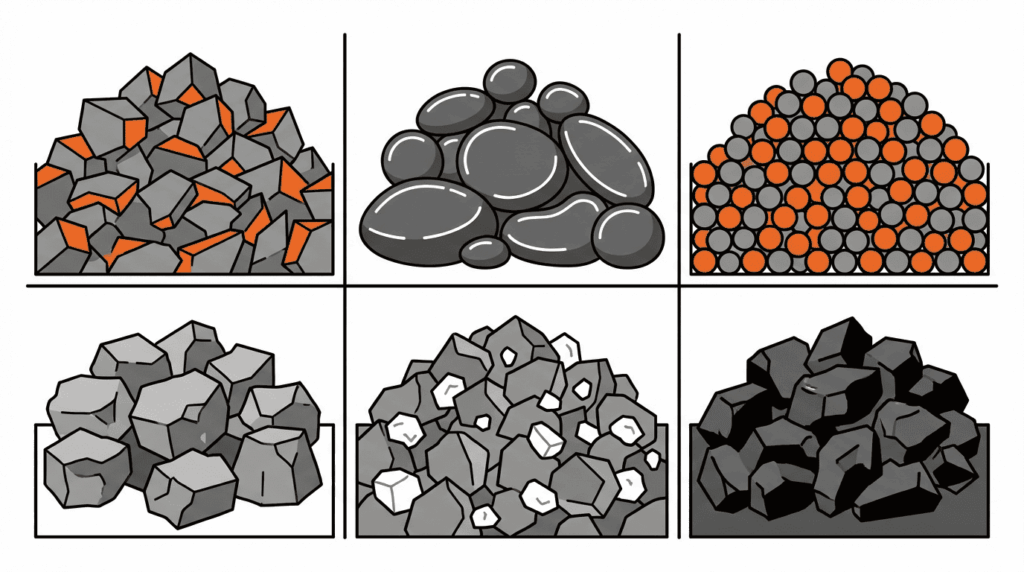
The key factors that determine stone driveway performance include particle size, shape, and composition. Angular stones like crushed granite lock together better than rounded river rock, creating a more stable surface. Size matters too – stones that are too small shift easily under vehicle weight, while oversized stones create an uncomfortable driving surface.
Most successful stone driveways use a layered approach with larger base stones for stability and smaller surface stones for comfort and appearance. This system distributes vehicle weight effectively while maintaining proper drainage throughout the structure. Understanding the importance of a sturdy driveway gravel base is crucial for long-term performance.
Gravel driveways for budget-conscious homeowners
Gravel represents the most affordable option for stone driveways, typically costing $1-3 per square foot installed. This material consists of small, naturally rounded stones ranging from pea-sized to about ¾ inch in diameter. The smooth edges and varied colors create a natural, rustic appearance that complements many architectural styles.
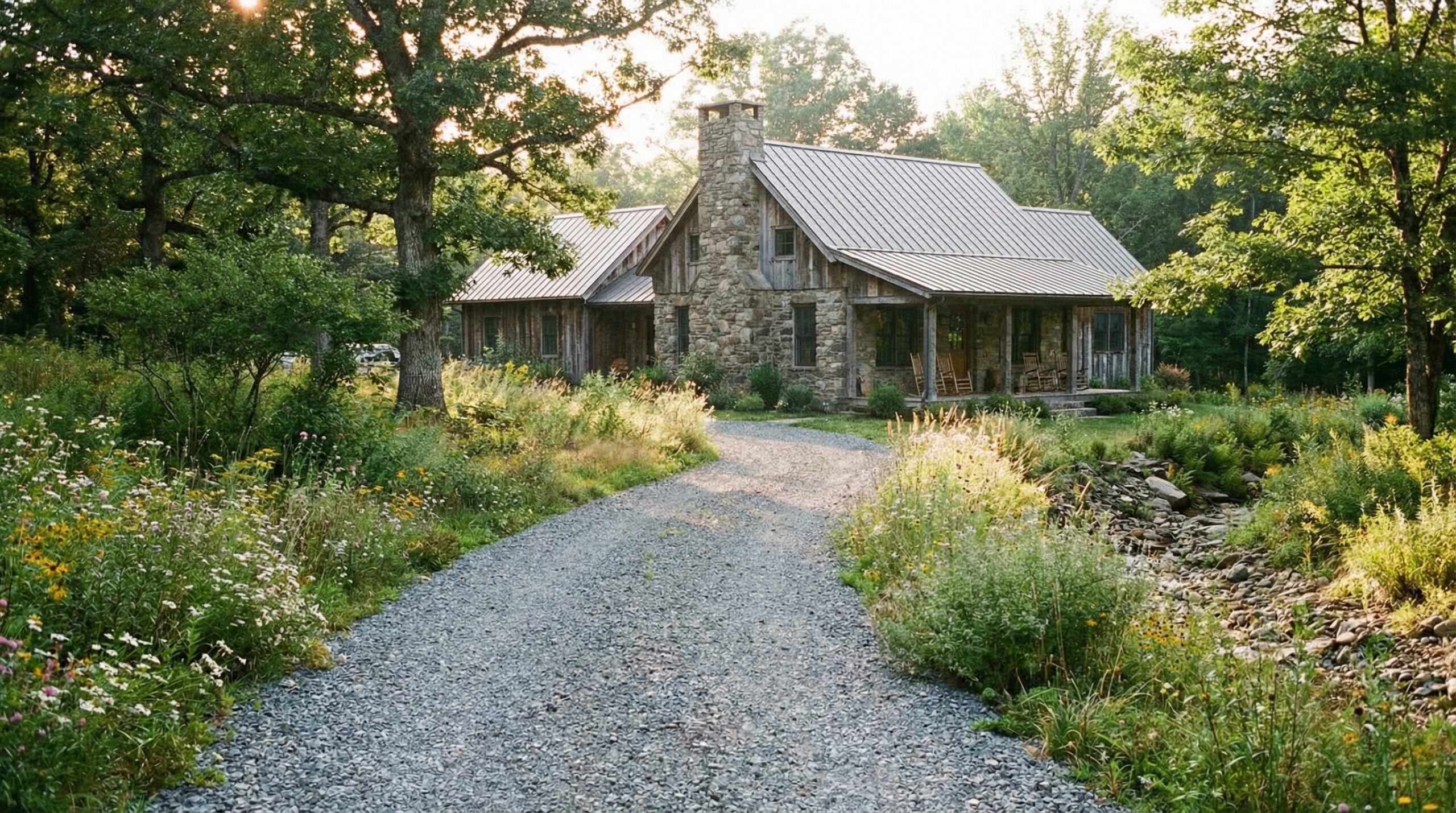
Installation involves spreading gravel over a prepared base and compacting it to create a stable surface. The process is straightforward enough for motivated DIY homeowners, though professional installation ensures better long-term performance. Learning how to lay your gravel properly can make a significant difference in the final result. Gravel driveways work particularly well in rural settings and for properties with curved or winding access roads.
However, gravel requires more maintenance than other stone options. The small stones can shift under heavy traffic, creating ruts and uneven surfaces. You’ll need to rake and add fresh gravel periodically to maintain appearance and functionality. Snow removal also requires care to avoid displacing the surface material.
Maintenance Tip: Plan to add a fresh layer of gravel every 2-3 years and budget about $0.50 per square foot for this maintenance.
Cobblestone for timeless elegance
Cobblestone driveways offer unmatched character and historical charm, with costs ranging from $10-25 per square foot installed. These naturally rounded stones, traditionally sourced from riverbeds or quarries, create an Old World aesthetic that enhances property value significantly.
The irregular shapes and natural color variations of cobblestone create visual interest that improves with age. Unlike manufactured materials, cobblestone develops a beautiful patina over time, becoming more attractive as it weathers. This material handles heavy loads exceptionally well and can last centuries with minimal maintenance.
Installation requires skilled craftsmanship to achieve proper fit and drainage. Each stone must be individually placed and leveled, making this the most labor-intensive option. The investment pays off through exceptional durability and the distinctive appearance that sets your property apart from typical suburban driveways.
Crushed stone for versatile performance
Crushed stone strikes the ideal balance between cost, durability, and appearance for most homeowners. Priced at $2-4 per square foot installed, this material offers excellent value through its combination of stability and customization options.
The angular edges of crushed stone create superior interlocking compared to rounded gravel, resulting in a more stable driving surface. Available in various sizes from fine screenings to 2-inch stones, crushed stone allows you to create the exact appearance and performance characteristics you want. When considering what is the best gravel size for a driveway, crushed stone offers the most flexibility.

Popular crushed stone options include granite, limestone, and trap rock, each offering different colors and textures. Granite provides exceptional durability with attractive speckled patterns, while limestone offers a classic light color that brightens the entrance area. The variety of available sizes and colors makes crushed stone suitable for both contemporary and traditional architectural styles. For those exploring different types of driveway stone, crushed stone remains the most versatile choice.
| Material | Cost per sq ft | Lifespan | Maintenance Level | Best For |
|---|---|---|---|---|
| Gravel | $1-3 | 5-10 years | High | Budget projects, rural settings |
| Cobblestone | $10-25 | 50+ years | Low | Historic homes, luxury properties |
| Crushed Stone | $2-4 | 15-25 years | Medium | Most residential applications |
Installation and long-term considerations
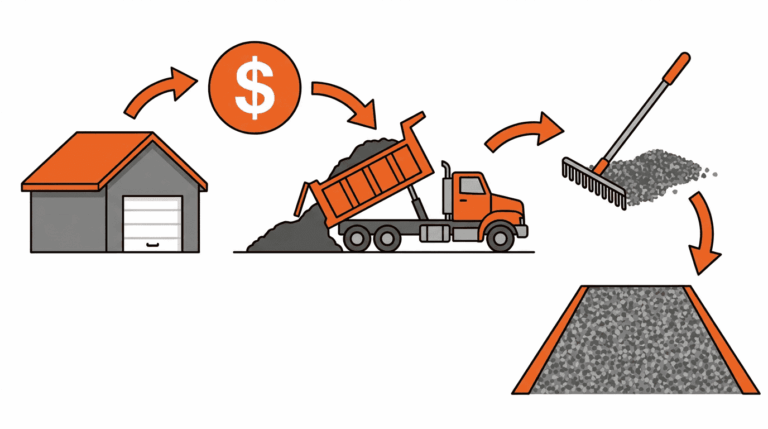
Proper installation forms the foundation of any successful stone driveway. The process begins with excavating 6-8 inches of soil and creating proper drainage slopes. A base layer of larger stones provides stability, followed by progressively smaller stones that create the final driving surface.
Professional installation ensures proper compaction and drainage, preventing future problems like settling or washouts. While DIY installation saves money upfront, improper technique often leads to costly repairs within a few years. Most contractors offer warranties on their work, providing peace of mind for this significant investment. If you’re planning to build the best driveway in your neighborhood with gravel, professional guidance can be invaluable.
Pro Tip: Always request references and view completed projects before hiring a contractor, as stone driveway installation requires specific expertise that not all contractors possess.
Long-term maintenance varies significantly between materials. Gravel requires the most attention with regular raking and periodic stone replacement. Crushed stone needs occasional releveling and edge maintenance. Cobblestone requires minimal maintenance beyond occasional cleaning and minor repairs. Understanding the secret that keeps your gravel in place can significantly reduce your maintenance burden.
Consider your local climate when selecting materials. Areas with heavy freeze-thaw cycles benefit from materials with excellent drainage properties. Regions with significant rainfall need stones that resist erosion and maintain stability when wet.
Your rock driveway entrance represents a long-term investment in your property’s functionality and appearance. By understanding the characteristics, costs, and maintenance requirements of different stone materials, you can choose an option that serves your needs for decades while enhancing your home’s curb appeal and value.

 Chance Kittrell