Best Types of Driveway Gravel 2025: Complete Guide to Sizes, Costs, and Installation
Get an estimate for your project in 60 seconds
 Your information is secure
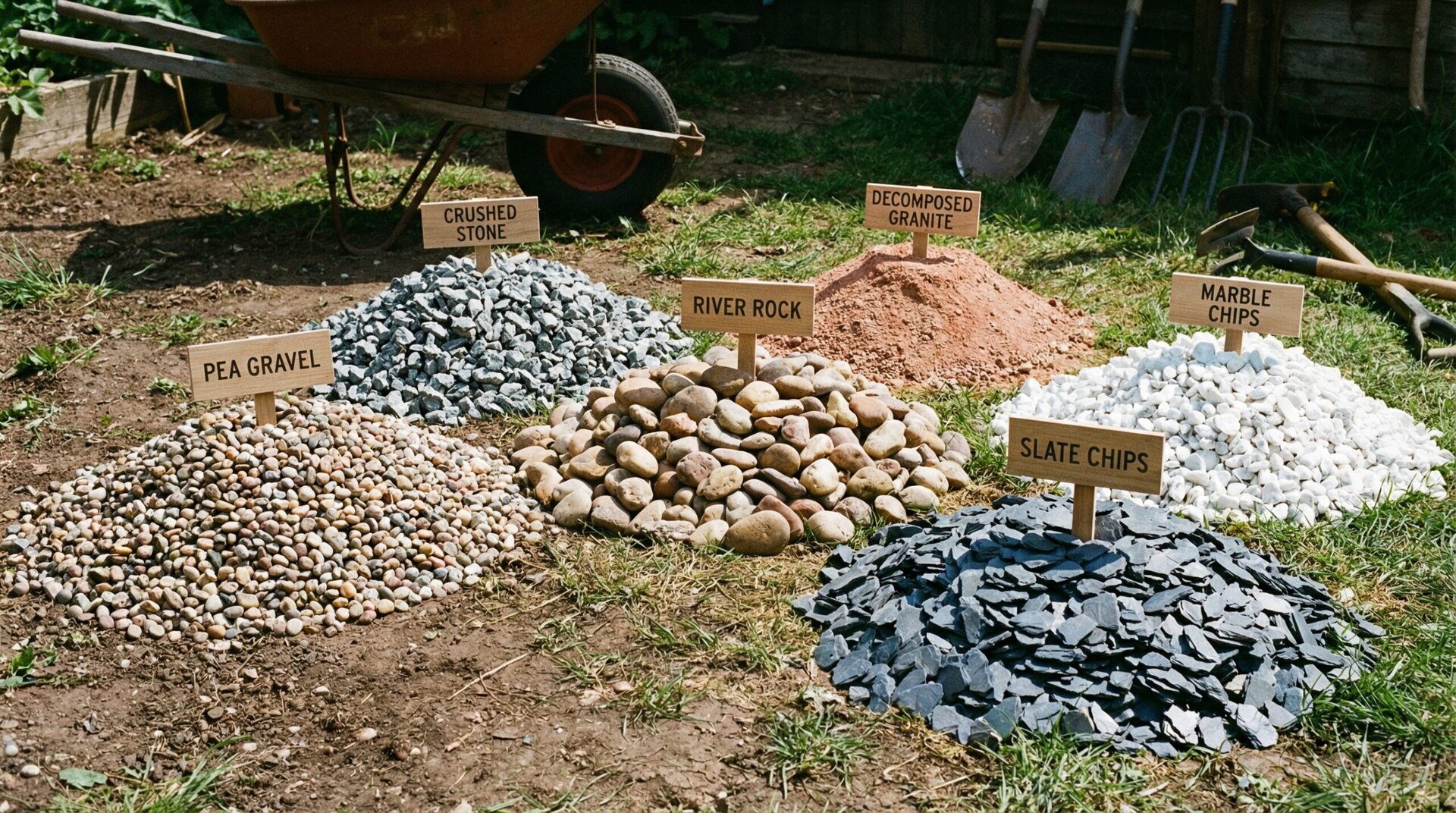
Choosing the right driveway gravel can transform your property’s curb appeal while providing a durable, cost-effective surface for years to come. With over a dozen gravel types available, each offering different benefits for drainage, stability, and aesthetics, making the right choice requires understanding your specific needs.
The most popular driveway gravel types include crushed stone for maximum stability, pea gravel for decorative appeal, and crusher run for heavy-duty applications. Your choice depends on factors like climate, traffic load, budget, and desired appearance.
Quick Fact: Crushed stone gravel typically costs $20-40 per ton and provides excellent drainage, making it the top choice for most residential driveways.
Understanding driveway gravel basics
Driveway gravel consists of crushed natural stone materials sized specifically for vehicle surfaces. The three main stone sources are granite (most durable), limestone (naturally attractive), and sandstone (unique textures and colors).
Gravel sizing follows industry standards. Smaller stones like pea gravel (1/4 inch) work well for decorative areas but may shift under heavy vehicles. Medium-sized options like 3/4 inch crushed stone offer the ideal balance of stability and drainage. Larger crusher run materials provide maximum load-bearing capacity for heavy traffic. For a detailed breakdown of gravel sizes for driveway applications, understanding these measurements is crucial to your project’s success.
The key to a successful gravel driveway lies in proper layering. Most installations use a three-layer system with larger base stones, medium middle layer, and smaller top surface stones for the best combination of stability and appearance.

Top driveway gravel types compared
Crushed Stone Gravel remains the most versatile choice for residential driveways. Made from crushed granite, limestone, or trap rock, it provides excellent compaction and drainage. The angular edges lock together, creating a stable surface that handles both light cars and heavy trucks. Expect to pay $25-35 per ton.
Pea Gravel offers smooth, rounded stones perfect for decorative driveways with light traffic. While beautiful and comfortable to walk on, pea gravel can shift under heavy vehicles and requires edging to prevent spreading. Cost ranges from $30-50 per ton.
Crusher Run combines various stone sizes from dust to 1.5 inches, creating maximum compaction when properly installed. This option works best for driveways supporting RVs, construction equipment, or frequent heavy traffic. Pricing typically runs $20-30 per ton.
River Rock provides natural beauty with smooth, water-worn stones in various colors. Best suited for decorative applications or light-traffic areas, river rock costs $40-60 per ton but requires more maintenance than angular alternatives.
| Gravel Type | Size Range | Best For | Cost per Ton | Durability |
|---|---|---|---|---|
| Crushed Stone | 1/4″ – 1″ | General use | $25-35 | High |
| Pea Gravel | 1/4″ – 3/8″ | Decorative | $30-50 | Medium |
| Crusher Run | Dust – 1.5″ | Heavy traffic | $20-30 | Very High |
| River Rock | 1/2″ – 3″ | Light traffic | $40-60 | Medium |
Essential factors for gravel selection
Your local climate significantly impacts gravel performance. Areas with heavy rainfall need materials with excellent drainage like crushed stone or crusher run. Cold climates require gravel that won’t shift during freeze-thaw cycles, making angular crushed materials preferable to smooth river rocks.
Traffic load determines the gravel size and type you need. Daily family car use works well with standard 3/4 inch crushed stone. Frequent delivery trucks or RV access requires crusher run or larger crushed stone for adequate support without rutting. Learn more about the best size gravel for a driveway based on your specific traffic needs.
Pro Tip: Calculate gravel needs using this formula: Length × Width × Depth (in feet) ÷ 27 = cubic yards needed. Most driveways require 2-4 inches of gravel depth.
Budget considerations extend beyond initial material costs. While pea gravel costs more upfront, it may require frequent maintenance and replacement. Crusher run costs less initially but provides longer-lasting performance, potentially saving money over time. If you’re looking for cheapest gravel for driveways without sacrificing quality, crusher run often provides the best value proposition.
Maintenance requirements vary significantly between gravel types. Crushed stone needs occasional raking and minimal replacement. Pea gravel requires regular edging maintenance and periodic replenishment. River rock needs frequent releveling but rarely requires complete replacement.

Professional installation and maintenance tips
Proper preparation ensures long-lasting results regardless of gravel type. Start by excavating 4-6 inches deep and installing landscape fabric to prevent weed growth. Create proper drainage with a slight crown in the center and ditches along edges.
The three-layer installation method works best for most applications. Install a 2-3 inch base layer of larger crushed stone, add a 1-2 inch middle layer of medium-sized material, then finish with 1 inch of your chosen surface gravel. Compact each layer thoroughly using a plate compactor or roller. Choosing the best driveway base material is essential for preventing settling and ensuring long-term durability.
Regular maintenance keeps your gravel driveway looking and performing its best. Rake the surface monthly to redistribute stones and maintain proper grading. Fill low spots immediately to prevent water pooling and erosion. Add fresh gravel annually in high-traffic areas to maintain proper depth and appearance.
Maintenance Schedule: Rake monthly, add gravel annually, and address drainage issues immediately to extend driveway life by 5-10 years.
Seasonal care varies by climate. In winter, avoid using metal snow plows that can damage the gravel surface. Spring maintenance should include filling any areas where freeze-thaw cycles created low spots. Summer heat may require occasional watering to reduce dust in dry climates.
Selecting the right driveway gravel involves balancing your specific needs for durability, appearance, and budget. Crushed stone offers the best all-around performance for most homeowners, while specialized applications may benefit from crusher run for heavy loads or pea gravel for decorative appeal. For a comprehensive comparison of different kinds of driveway gravel, consider consulting with local suppliers who understand regional conditions. With proper installation and regular maintenance, your gravel driveway will provide years of reliable service while enhancing your property’s value and curb appeal.


 Chance Kittrell
 igor
igor