Best Types of Gravel for a Patio (Complete Guide)
Get an estimate for your project in 60 seconds
 Your information is secure
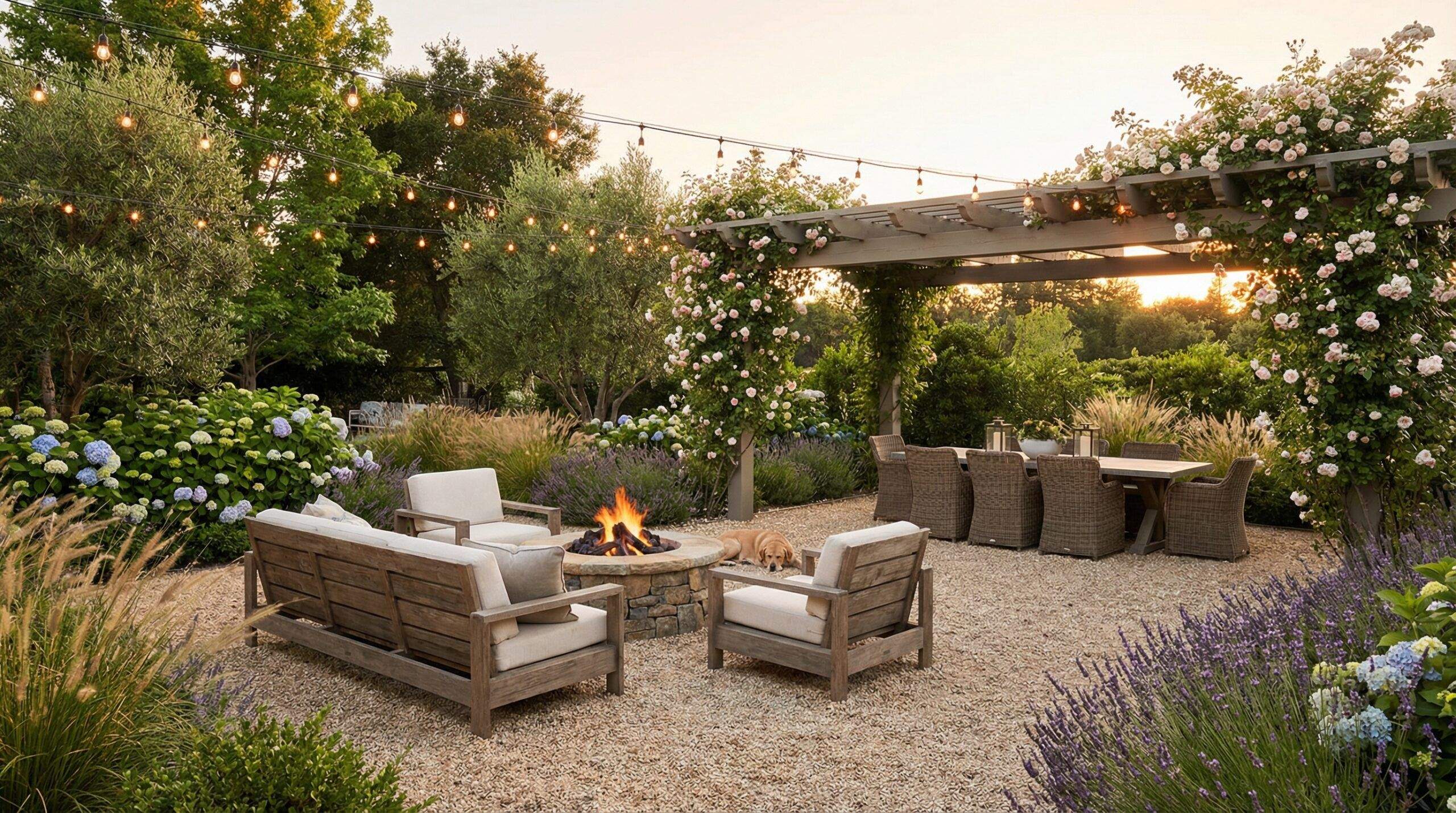
Choosing the right gravel for your patio can transform your outdoor space from ordinary to extraordinary. The three most popular options are pea gravel, crushed stone, and decomposed granite, each offering unique benefits for different needs and budgets.
Pro tip: Pea gravel works best for low-traffic decorative areas, while crushed stone handles heavy foot traffic and furniture placement better.
Your patio gravel choice affects everything from comfort underfoot to long-term maintenance costs. According to 3dev.hellogravel.com, the right gravel provides excellent drainage, prevents soil erosion, and creates a solid foundation that complements various landscaping styles.
Understanding patio gravel basics
Gravel serves both functional and aesthetic purposes in patio design. Beyond creating visual appeal, it provides crucial drainage that prevents water damage and soil erosion around your outdoor living space.
The key factors that determine gravel performance include particle size, shape, and material composition. Rounded stones like pea gravel feel comfortable underfoot but may shift more easily. Angular crushed stone locks together better but can be less comfortable for bare feet.
Climate plays a major role in gravel selection. Areas with heavy rainfall benefit from larger gravel sizes that promote faster drainage, while regions with extreme temperature fluctuations need materials that resist cracking and expansion. Understanding what type of gravel is best for drainage can help you make the right choice for your climate.
Assessing your patio needs
Before selecting gravel, consider how you plan to use your patio space. Entertainment areas with frequent foot traffic require more stable materials than quiet reading nooks or decorative garden borders. Traffic levels directly impact your gravel choice. High-traffic patios need crushed stone or decomposed granite that compacts well and resists displacement. Low-traffic areas can accommodate the softer feel of pea gravel without stability concerns.
Weather conditions in your area matter significantly. Regions with freeze-thaw cycles need gravel that drains well to prevent ice damage. Hot climates benefit from lighter-colored materials that reflect heat rather than absorbing it.
Budget considerations include both initial material costs and long-term maintenance expenses. While pea gravel costs less upfront, it may require more frequent replenishment than crushed stone options. For those looking to explore the best gravel size for a patio, understanding these factors is essential.
Comparing gravel types for patios
Each gravel type offers distinct advantages depending on your specific patio requirements and personal preferences.
Pea gravel characteristics
Pea gravel consists of small, rounded stones typically measuring 1/8 to 3/8 inches in diameter. The smooth texture makes it comfortable for walking barefoot, and the natural colors blend well with most landscape designs.
The rounded shape provides excellent drainage but can shift under heavy use. This makes pea gravel ideal for pathways, garden borders, and low-traffic seating areas where comfort matters more than stability. If you’re considering using pea gravel for a fire pit area, it’s important to understand its drainage properties.
Keep in mind: Pea gravel requires edging materials to prevent spreading and may need periodic raking to maintain an even surface.
Crushed stone benefits
Crushed stone features angular edges that lock together when compacted, creating a stable surface that handles heavy furniture and frequent foot traffic. Available in various sizes from 3/8 inch to 3/4 inch, it offers excellent durability.The angular shape provides superior stability compared to rounded stones, making it perfect for dining areas and high-traffic zones. However, the rough texture can be uncomfortable for bare feet and may become hot in direct sunlight. For more details on sizing, check out what is the best crushed stone size for a patio.
Decomposed granite properties
Decomposed granite offers a natural, rustic appearance with fine particles that compact into a relatively smooth surface. This material drains well while providing good stability when properly installed.
The sandy texture feels more comfortable than crushed stone but requires occasional recompacting to maintain its integrity. Decomposed granite works well for patios seeking a natural, earthy aesthetic. Learn more about using decomposed granite for greenhouse foundation projects to understand its versatility.
| Gravel Type | Size Range | Best For | Drainage | Comfort |
|---|---|---|---|---|
| Pea Gravel | 1/8-3/8 inch | Low traffic, decorative | Excellent | High |
| Crushed Stone | 3/8-3/4 inch | High traffic, stability | Good | Moderate |
| Decomposed Granite | Fine particles | Natural look, medium traffic | Good | High |
Installation and maintenance tips
Proper installation ensures your gravel patio performs well and lasts for years. Start by clearing the area of vegetation and debris, then level the surface and address any drainage issues.

Install landscape fabric to prevent weed growth and add stability to your gravel base. This extra step saves significant maintenance time later and keeps your patio looking clean and professional.
Spread gravel evenly to a depth of 2-3 inches for optimal performance. Use a rake to level the surface and eliminate any uneven spots that could create puddles or uncomfortable walking areas.
Regular maintenance keeps your gravel patio looking its best. Remove debris weekly with a leaf blower or broom, and rake the surface monthly to redistribute settled gravel and maintain an even appearance. For tips on keeping your patio weed-free, explore how to permanently get rid of weeds in a gravel driveway.
Replenish gravel as needed, typically every 2-3 years depending on traffic levels and weather exposure. Keep extra material on hand to fill gaps or low spots that develop over time.
The right gravel choice depends on balancing your aesthetic preferences with practical needs like traffic levels and climate conditions. Pea gravel offers comfort and natural beauty for relaxed spaces, while crushed stone provides durability for active areas. Consider your specific requirements and maintenance preferences when making your final decision. For comprehensive guidance on different types of gravel for construction, explore additional resources to ensure you make the best choice for your outdoor living space.
 Chance Kittrell