Blue Gray Gravel Guide for Stunning Outdoor Spaces
Get an estimate for your project in 60 seconds
 Your information is secure
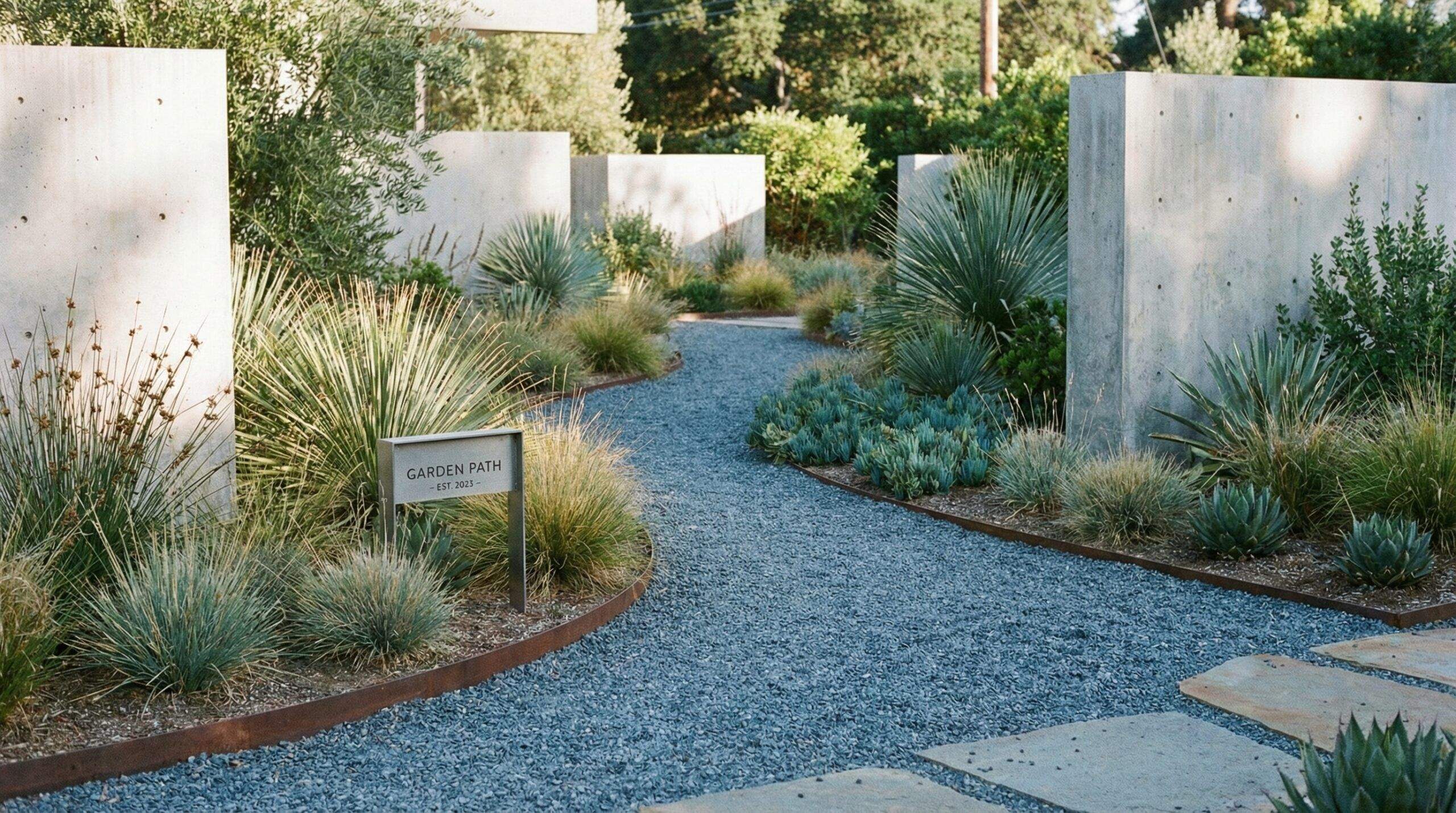
Looking to transform your outdoor space with sophisticated elegance? Blue gray gravel offers the perfect blend of natural beauty and practical functionality for any landscaping project. This versatile material combines durability with aesthetic appeal, making it ideal for pathways, driveways, and decorative accents.
Blue gray gravel is naturally occurring crushed stone with distinctive blue-gray coloring that complements both traditional and contemporary landscape designs. Its weather-resistant properties and low maintenance requirements make it a smart choice for homeowners seeking long-lasting outdoor solutions.
Pro Tip: Blue gray gravel provides excellent drainage while maintaining its color integrity for years, unlike many other decorative stones that fade over time.
What makes blue gray gravel special
Blue gray gravel stands out from other landscaping materials due to its unique mineral composition and natural coloring. This crushed stone material comes from quarried rock that contains various minerals, creating its signature blue-gray appearance.
Each piece of blue gray gravel has its own distinct shape and shade variation, giving your outdoor space an organic, natural look. The angular pieces lock together when compacted, creating a stable surface that resists shifting and erosion. This makes it particularly valuable for high-traffic areas like driveways and walkways.
The stone’s natural composition also means it won’t fade or lose its color over time, unlike artificially colored materials. You can expect your blue gray gravel to maintain its sophisticated appearance for many years with minimal maintenance.

Key benefits for your landscape
Blue gray gravel delivers both aesthetic and practical advantages that make it an excellent investment for your outdoor space. The sophisticated color palette works beautifully with various design styles, from rustic gardens to modern minimalist landscapes.
From a practical standpoint, this material excels in drainage applications. The spaces between stones allow water to flow through naturally, preventing puddles and reducing erosion issues. This drainage capability also helps protect nearby plants by preventing waterlogged soil conditions. For more information on selecting materials for optimal water management, explore our guide on the best gravel for drainage.
Maintenance requirements are refreshingly simple. You won’t need to mow, water, or fertilize like you would with grass. Occasional raking to redistribute stones and periodic weed removal are typically all that’s required to keep your gravel areas looking pristine.
Cost Advantage: Blue gray gravel typically costs less than poured concrete or paver installations while providing comparable durability and visual appeal.
The material’s durability means you won’t face frequent replacement costs. It can handle heavy foot traffic, vehicle weight, and weather extremes without breaking down or requiring repairs.
Popular types and their best uses
Understanding the different varieties of blue gray gravel helps you choose the right option for your specific project needs. Each type offers distinct characteristics that make it suitable for particular applications.
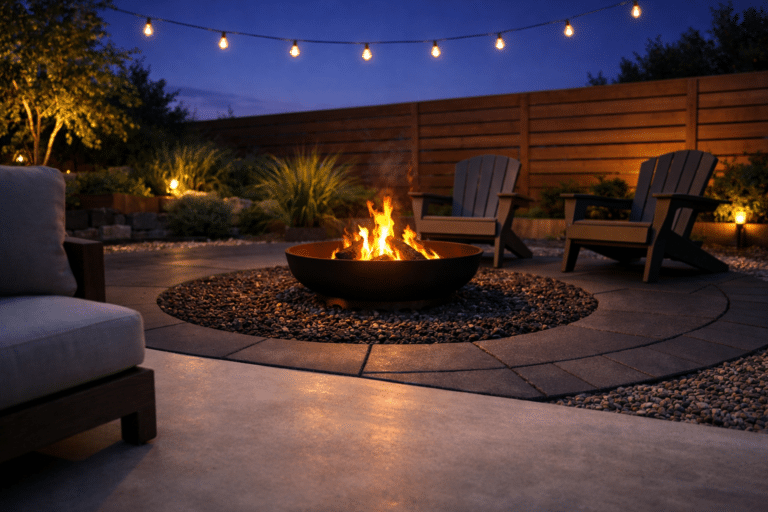
Pea gravel represents the smaller end of the spectrum, typically measuring 3/8 inch in diameter. Its smooth, rounded edges make it comfortable for walking barefoot, making it perfect for pathways, patios, and children’s play areas. The smaller size also creates a more refined, finished appearance. Learn more about using pea gravel for a fire pit area to enhance your outdoor entertaining space.
Crushed stone blue gray gravel features angular edges and comes in larger sizes, usually 3/4 inch to 1 inch. The angular shape provides excellent stability and compaction, making it ideal for driveways, parking areas, and areas requiring structural support. If you’re planning a driveway project, check out our comprehensive guide on the best gravel for compacting.
River rock blue gray gravel offers naturally rounded stones that mimic the appearance of stones found in riverbeds. These larger, smooth stones work beautifully as decorative accents around water features, in garden beds, or as borders between different landscape elements.
| Gravel Type | Size Range | Best Applications | Key Benefits |
|---|---|---|---|
| Pea Gravel | 3/8 inch | Pathways, patios | Comfortable walking surface |
| Crushed Stone | 3/4 – 1 inch | Driveways, parking | Superior stability |
| River Rock | 1-2 inches | Decorative accents | Natural appearance |

Installation and maintenance tips
Proper installation ensures your blue gray gravel performs well and looks great for years to come. Start by clearing the area of existing vegetation and debris, then level the ground to create an even base surface.
For most applications, you’ll want to install the gravel at a depth of 2 to 4 inches. Pathways typically need 2-3 inches, while driveways require the full 4 inches for adequate support. After spreading the gravel, use a rake to distribute it evenly, then compact the surface with a tamper or plate compactor. For detailed information on determining proper depth for specific projects, visit our article on how deep the gravel base should be for a shed.
Installation Tip: Install landscape edging before adding gravel to prevent stones from migrating into surrounding areas and maintain clean borders.
Long-term care involves periodic maintenance to keep your gravel looking its best. Remove weeds as they appear, and occasionally rake the surface to redistribute stones and maintain an even appearance. In high-traffic areas, you may need to add fresh gravel every few years to maintain proper depth. For effective weed management strategies, explore our guide on how to permanently get rid of weeds in a gravel driveway.
During winter months in colder climates, blue gray gravel handles freeze-thaw cycles better than many other materials, reducing the risk of cracking or damage that can affect paved surfaces.
Ready to start your blue gray gravel project? Hello Gravel offers premium quality blue gray gravel with convenient delivery nationwide. Our expert team can help you calculate the right amount for your project and ensure you get the perfect material for your specific needs. Transform your outdoor space with the timeless elegance of blue gray gravel today.
 Chance Kittrell