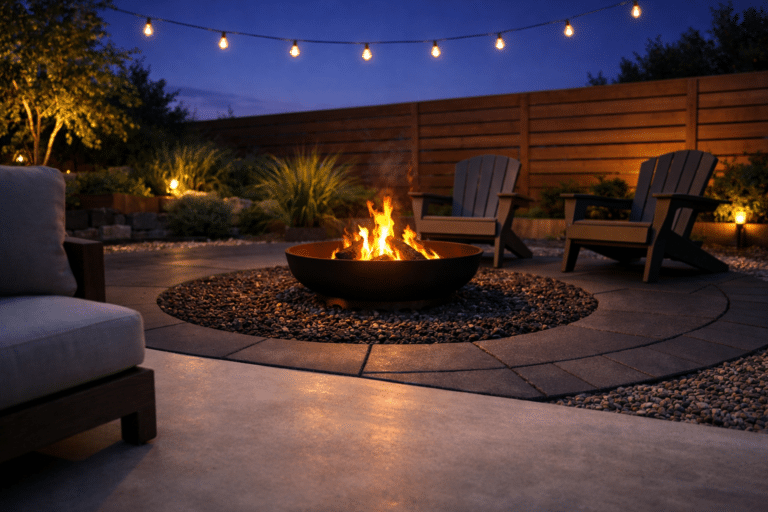
Bulk Gravel Guide Types, Costs, Uses and Buying Tips
Get an estimate for your project in 60 seconds
 Your information is secure
Planning a driveway or landscaping project? Bulk gravel can save you 30-50% compared to bagged alternatives while offering superior coverage and durability. Bulk gravel refers to loose stone aggregate sold in large quantities, typically by the cubic yard, making it ideal for driveways, pathways, drainage systems, and construction bases.
Quick Answer: Bulk gravel costs between $20-60 per cubic yard depending on type and location. Popular options include crushed stone ($20-40/yard), pea gravel ($30-50/yard), and river rock ($40-60/yard). One cubic yard covers approximately 100 square feet at 3 inches deep.
Whether you’re creating a new driveway, improving drainage, or enhancing your landscape design, understanding the different types, costs, and buying process will help you make the right choice for your project.
What exactly is bulk gravel and why choose it
Bulk gravel consists of small stones, crushed rock, or naturally rounded pebbles sold in large quantities rather than pre-bagged portions. The term “bulk” simply means you’re purchasing by volume, usually measured in cubic yards, which makes it more economical for medium to large projects.
The main advantage lies in cost efficiency. When you buy bulk gravel, you eliminate packaging costs and can purchase exactly the amount needed. For example, covering a 400 square foot driveway with 3 inches of gravel requires about 4 cubic yards, which would cost approximately $160-240 in bulk versus $400-600 for equivalent bagged material.
Bulk gravel also offers better quality control since you can inspect the material before purchase and ensure consistent sizing throughout your project. Most suppliers allow you to see samples or visit their yards to examine the gravel firsthand.
Types of bulk gravel and their best applications

Different gravel types serve specific purposes, and choosing the right one affects both performance and appearance of your project.
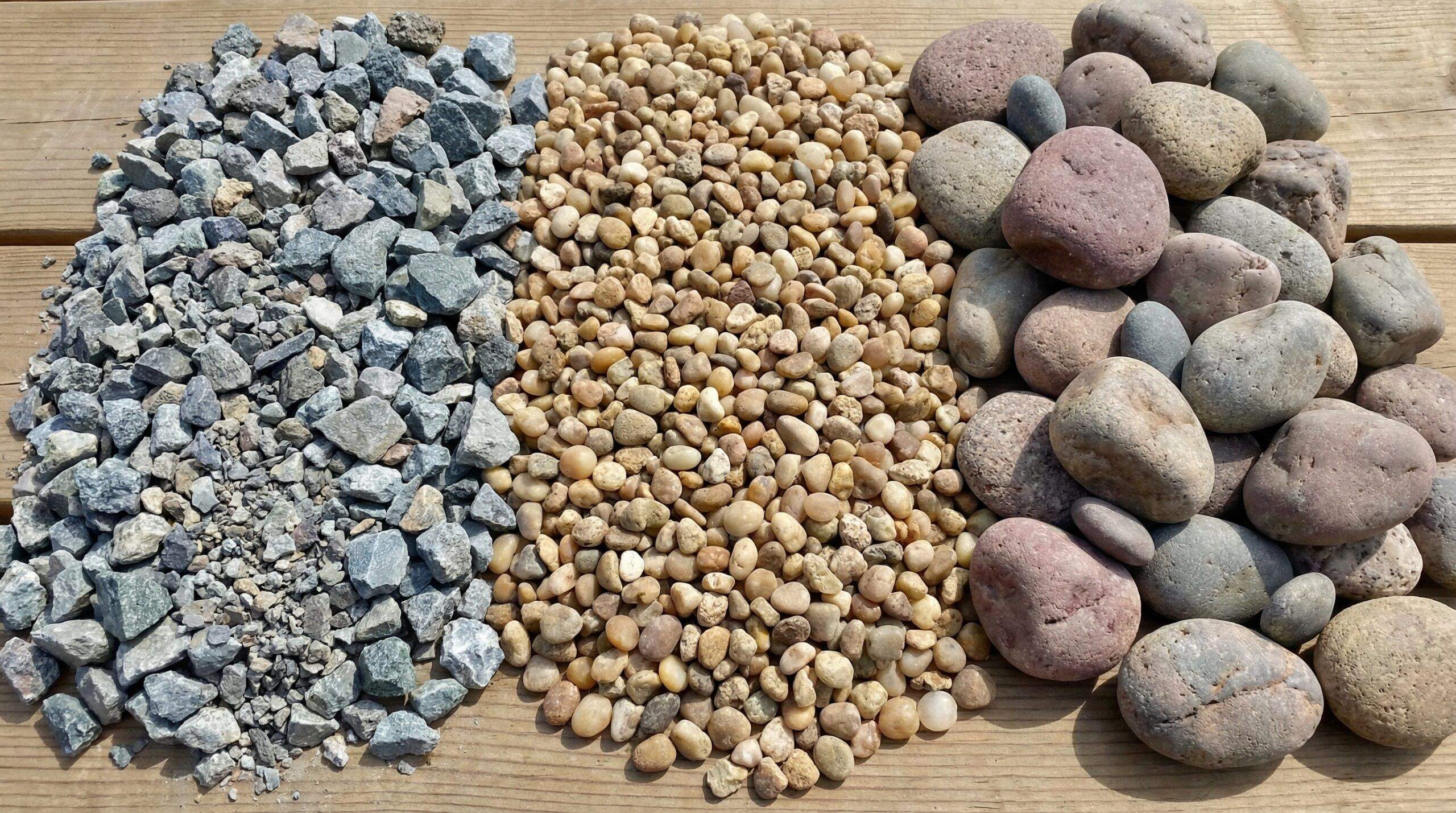
Crushed stone remains the most versatile option, featuring angular edges that lock together when compacted. This makes it excellent for driveways, walkways, and as base material for construction projects. The angular shape provides stability and prevents shifting under weight or weather conditions.
Pea gravel offers a decorative alternative with smooth, rounded stones typically ranging from 1/8 to 3/8 inch in diameter. Its comfortable texture makes it perfect for garden paths, playground surfaces, and decorative landscaping. However, the smooth stones don’t compact as well as crushed varieties, making them less suitable for high-traffic areas.
River rock provides natural beauty with larger, smooth stones perfect for water features, decorative borders, and low-maintenance landscaping. While more expensive, river rock offers excellent drainage and requires minimal maintenance once installed.
| Gravel Type | Size Range | Best Uses | Cost per Yard |
|---|---|---|---|
| Crushed Stone | 3/4″ – 1″ | Driveways, bases | $20-40 |
| Pea Gravel | 1/8″ – 3/8″ | Paths, decorative | $30-50 |
| River Rock | 1″ – 3″ | Water features, borders | $40-60 |
Understanding bulk gravel costs and pricing factors
Several factors influence bulk gravel pricing, with location being the primary driver. Areas near quarries typically offer lower prices due to reduced transportation costs, while remote locations may see prices increase by $10-20 per cubic yard.
Quantity significantly affects pricing through volume discounts. Most suppliers offer reduced rates for orders over 10 cubic yards, with additional savings for orders exceeding 20 cubic yards. According to 3dev.hellogravel.com, delivery costs are often included for minimum orders, making bulk purchases even more economical.
Cost-Saving Tip: Order slightly more than calculated needs. Having 10-15% extra gravel costs less than placing a second delivery order and provides material for future touch-ups or project expansions.
Seasonal demand also impacts pricing. Spring and early summer typically see higher prices due to increased construction activity, while fall and winter often offer better deals. Planning your project during off-peak seasons can result in significant savings.
Quality grades affect pricing as well. Premium washed gravel costs more than standard grades but offers better appearance and performance for visible applications like front driveways or prominent landscaping features.
Where to buy bulk gravel and what to expect
You have several options when purchasing bulk gravel, each with distinct advantages depending on your project size and requirements.
Local quarries often provide the best prices and largest selection since they extract and process materials on-site. Many quarries allow customers to visit and inspect materials before purchasing, ensuring you get exactly what you need. However, quarries may have minimum order requirements and limited delivery areas.
Landscaping supply stores offer convenience and variety, typically stocking multiple gravel types and providing delivery services. These businesses often cater to homeowners and smaller contractors, making them more flexible with order sizes and timing.
Home improvement centers like Home Depot or Lowe’s provide accessibility and standardized pricing but usually have limited bulk options. They’re best for smaller projects or when you need materials immediately.
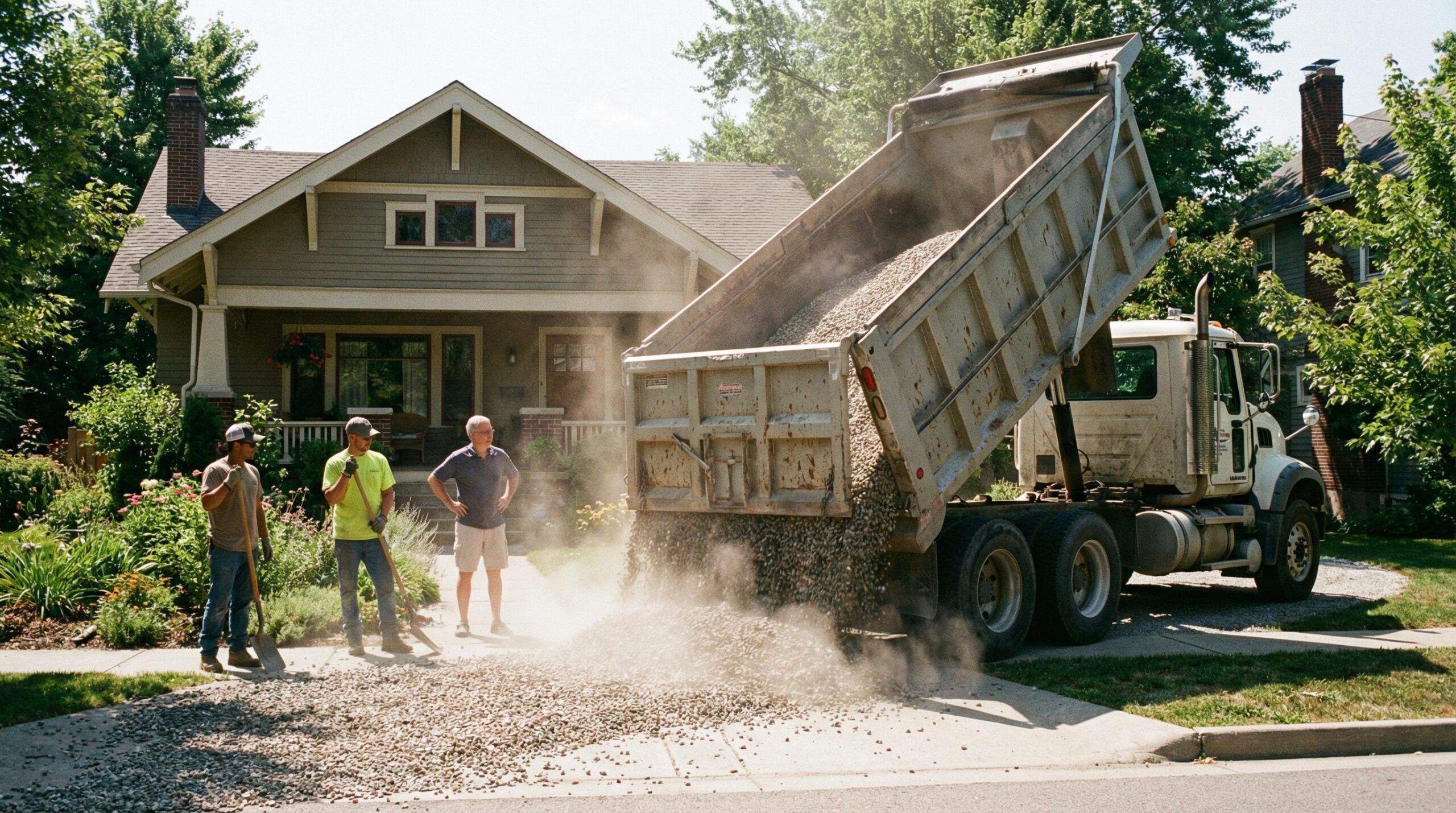
Online suppliers like Hello Gravel have revolutionized bulk material purchasing by offering transparent pricing, easy ordering, and reliable delivery scheduling. This option works particularly well when you know exactly what type and quantity you need. For those wondering how to get a load of gravel delivered, online platforms simplify the entire process.
When placing your order, expect to provide delivery location details, preferred delivery timeframe, and specific placement instructions. Most suppliers require someone to be present during delivery to direct the driver on where to dump the material.
Installing and maintaining your bulk gravel project
Proper installation ensures your gravel project performs well and lasts for years. Start by preparing the area through excavation and grading to create proper drainage slope. For driveways, aim for a 2% grade to direct water away from structures.
Apply landscape fabric or geotextile material before adding gravel to prevent weed growth and material mixing with underlying soil. This step proves especially important for decorative applications where you want to maintain clean, distinct borders.
Install gravel in layers, compacting each 2-3 inch lift for structural applications like driveways. For decorative uses, simply rake the material to achieve desired appearance and depth. Understanding what is the best gravel size for a foundation can help ensure proper installation for various projects.
Maintenance Made Easy: Rake gravel monthly to redistribute material and maintain even coverage. Add fresh material annually to replace what’s been lost to weather and traffic, typically 10-20% of the original quantity.
Regular maintenance keeps gravel looking fresh and performing properly. Address drainage issues immediately to prevent washout, and edge borders annually to maintain clean lines and prevent spreading into adjacent areas. For those dealing with unwanted vegetation, learning how to permanently get rid of weeds in a gravel driveway can save significant time and effort.
Choosing bulk gravel for your project offers excellent value, durability, and versatility. By understanding the different types, costs, and installation requirements, you can create beautiful, functional surfaces that enhance your property while staying within budget. Whether you’re building a new driveway or adding decorative elements to your landscape, bulk gravel provides a practical solution that delivers lasting results.

 Chance Kittrell