Can River Rock Be Used as a Base for Playground Equipment in 2026

Get an estimate for your project in 60 seconds
 Your information is secure

When planning your playground project, choosing the right base material directly impacts safety, durability, and long-term maintenance costs. River rock often comes up as a potential option, but you might wonder if it’s actually suitable for supporting playground equipment.
Quick answer: River rock can work as a base material for playground equipment, but it’s typically better suited as a foundational layer rather than the primary surface. Most safety experts recommend combining river rock with softer impact-absorbing materials like engineered wood fiber or rubber mulch for optimal child safety.
Key insight: River rock provides excellent drainage and structural stability, making it valuable for preventing equipment settling and water damage issues that plague many playgrounds.
Let’s explore when river rock makes sense for your playground and how it compares to other popular base materials.
Understanding river rock properties for playground use
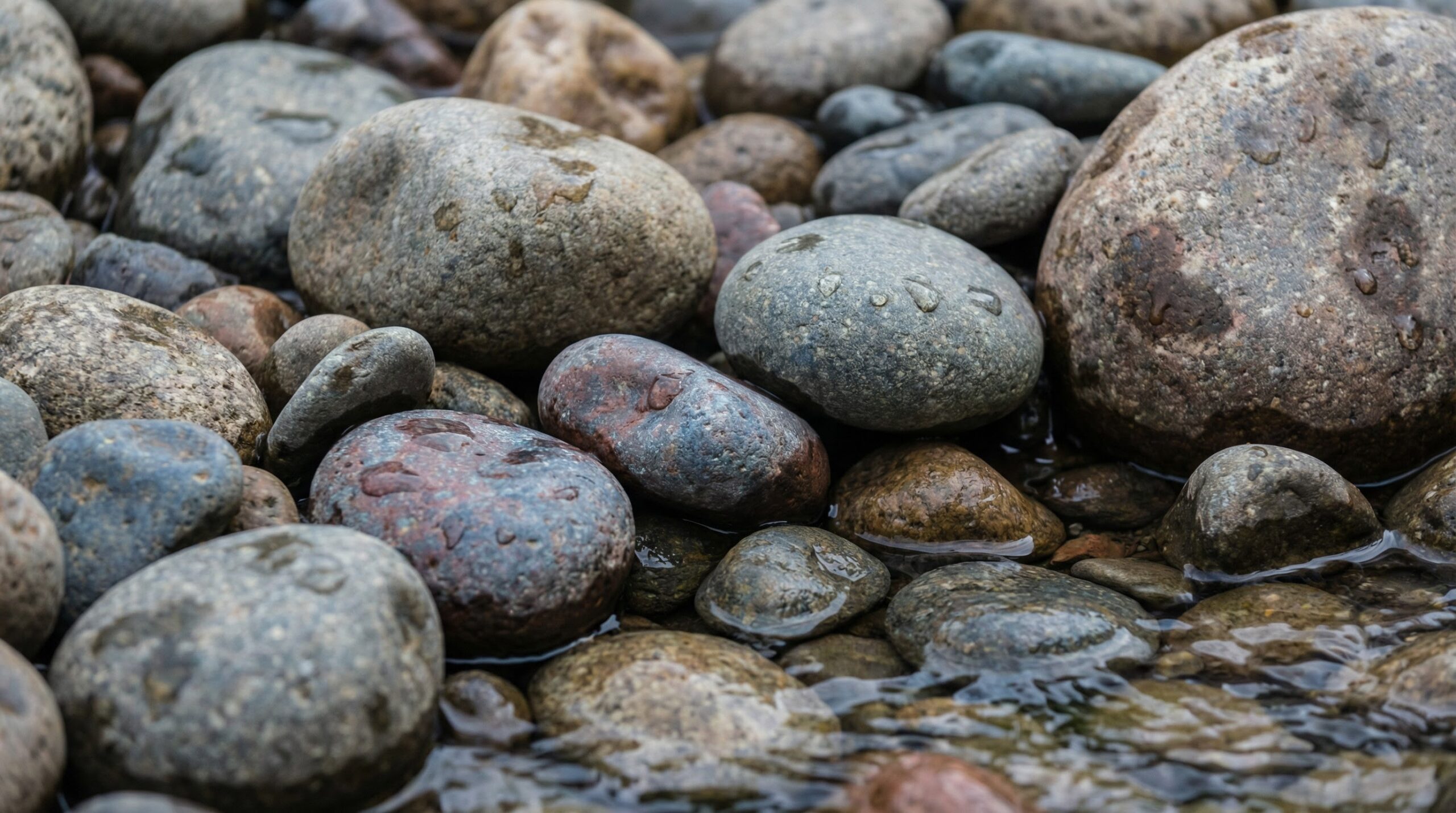
River rock brings several advantages to playground construction that make it worth considering. The smooth, rounded stones resist breaking down under weather conditions and heavy use, which means less frequent replacement compared to materials like sand or wood chips.
The drainage capabilities stand out as a major benefit. Water moves through river rock effectively, preventing the pooling issues that can damage equipment foundations or create slip hazards. This drainage also helps prevent mold and bacteria growth that thrives in consistently wet conditions.
However, the rounded shape that gives river rock its smooth appearance also creates stability challenges. Unlike angular materials that lock together when compacted, river rocks can shift under weight, potentially causing equipment to settle unevenly over time. Understanding river rock stone sizes is crucial for selecting the appropriate dimensions for your specific playground needs.
Safety considerations when using river rock
Safety requirements for playground surfaces focus heavily on impact absorption and fall protection. River rock alone doesn’t provide adequate cushioning for falls from playground equipment, especially for structures over 4 feet high.
The Consumer Product Safety Commission guidelines specify minimum depths and impact ratings for playground surfaces. While river rock offers some shock absorption, it falls short of requirements for primary impact surfaces under swings, slides, and climbing equipment.
Safety note: Children can also put small river rocks in their mouths, creating choking hazards. Most playground safety experts recommend avoiding loose materials smaller than 2 inches in diameter in areas accessible to children under 5 years old.
The key is understanding where river rock fits in your overall playground design rather than expecting it to serve as the complete surfacing solution.
Comparing river rock to other playground base materials
Different base materials serve different purposes in playground construction. Pea gravel offers similar drainage benefits to river rock but comes in smaller, more uniform sizes that compact better for equipment foundations.
Limestone provides excellent structural support and compacts extremely well, making it ideal for heavy equipment installations. However, it requires a softer top layer for safety compliance.
Engineered wood fiber and rubber mulch excel at impact absorption but need proper drainage underneath to prevent water damage and extend their lifespan. This is where river rock can play a supporting role as a drainage layer.
| Material | Drainage | Impact Absorption | Durability | Cost |
|---|---|---|---|---|
| River Rock | Excellent | Poor | High | Medium |
| Pea Gravel | Good | Poor | High | Low |
| Rubber Mulch | Poor | Excellent | Medium | High |
| Wood Fiber | Fair | Good | Low | Low |
Best practices for using river rock in playground projects
The most effective approach combines river rock’s strengths with materials that address its weaknesses. Use river rock as a foundational drainage layer, typically 4-6 inches deep, then add appropriate impact-absorbing materials on top.
For equipment installation, river rock works well in the immediate area around posts and anchors where drainage and stability matter most. The surrounding play areas can then use safer, softer materials that meet fall protection requirements. When planning your project, consider purchasing river rock by the yard to ensure you have adequate material for proper coverage.
Consider the age groups using your playground when planning. Toddler areas need different safety considerations than spaces designed for school-age children. River rock might work in certain zones while being inappropriate for others within the same playground.

Pro tip: Always check local playground safety regulations before finalizing your material choices, as requirements can vary by municipality and intended use.
Making the right choice for your playground
River rock can definitely play a valuable role in playground construction, but success depends on using it strategically rather than as a complete solution. Its drainage and durability benefits make it excellent for foundational support, while other materials handle the safety requirements for impact absorption.
Consider your specific site conditions, budget, and safety requirements when making material decisions. A well-designed playground often uses multiple materials, each chosen for where it performs best. Exploring the benefits of river rock sand and gravel for your landscaping needs can help you understand how these materials work together in various applications. River rock’s strengths in drainage and stability can contribute to a safer, longer-lasting playground when combined thoughtfully with appropriate impact surfaces.
The key is matching each material to its ideal application rather than expecting any single option to handle every requirement your playground project demands. Working with a reliable landscape rock company ensures you receive quality materials and expert guidance for your installation.


