Grava Rocks Guide Types, Formation, Uses & Benefits for Landscaping

Get an estimate for your project in 60 seconds
 Your information is secure

Grava rocks are naturally formed gravel stones created through the erosion and weathering of larger rocks over millions of years. These versatile materials offer excellent drainage properties, come in various sizes and colors, and serve essential roles in both natural ecosystems and human construction projects.
Quick fact: Grava rocks can take millions of years to form through natural weathering processes, making each piece a testament to Earth’s geological history.
Whether you’re planning a landscaping project or simply curious about these fascinating geological formations, understanding grava rocks helps you make informed decisions about their use in your outdoor spaces.
What are grava rocks and how do they form
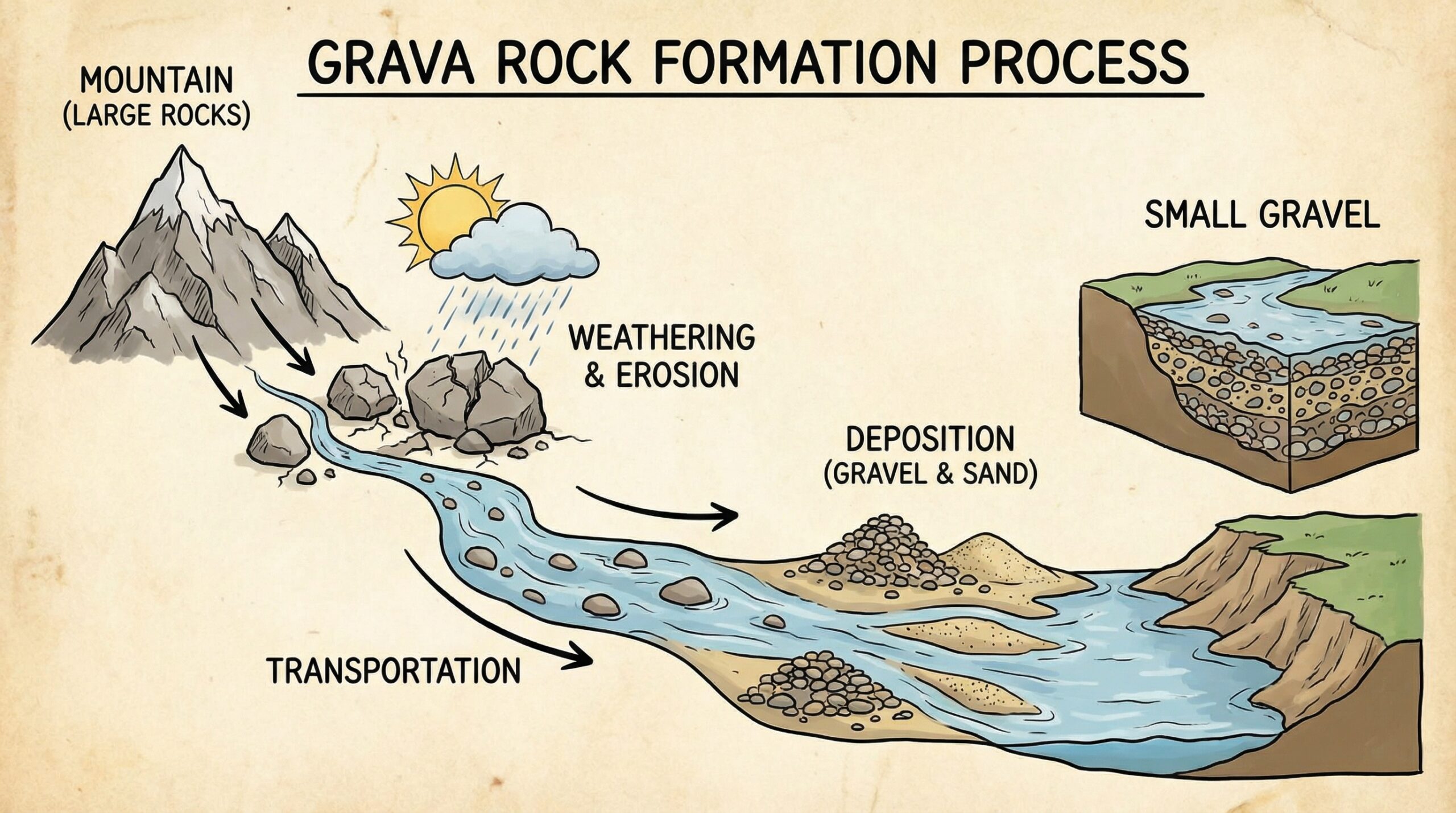
Grava rocks begin their journey as larger rock formations that gradually break down through natural forces. Wind, water, temperature changes, and chemical reactions work together to transform solid rock into smaller, rounded fragments we recognize as gravel.
The formation process involves both physical and chemical weathering. Physical weathering occurs when freeze-thaw cycles, flowing water, or wind abrasion breaks rocks into smaller pieces. Chemical weathering happens when substances like oxygen or acidic water alter the rock’s mineral composition over time.
This dual process creates the smooth, rounded appearance characteristic of grava rocks. As fragments tumble in riverbeds or get carried by streams, their edges become polished and their shapes more uniform. The entire transformation can span millions of years, depending on environmental conditions and the original rock type.
Types of grava rocks for different applications
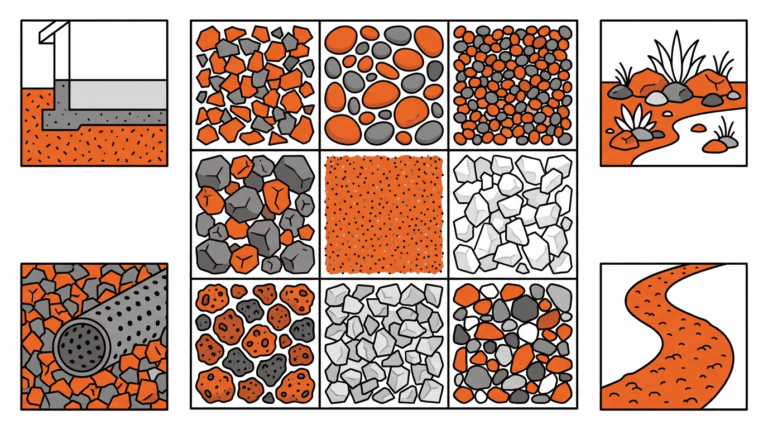
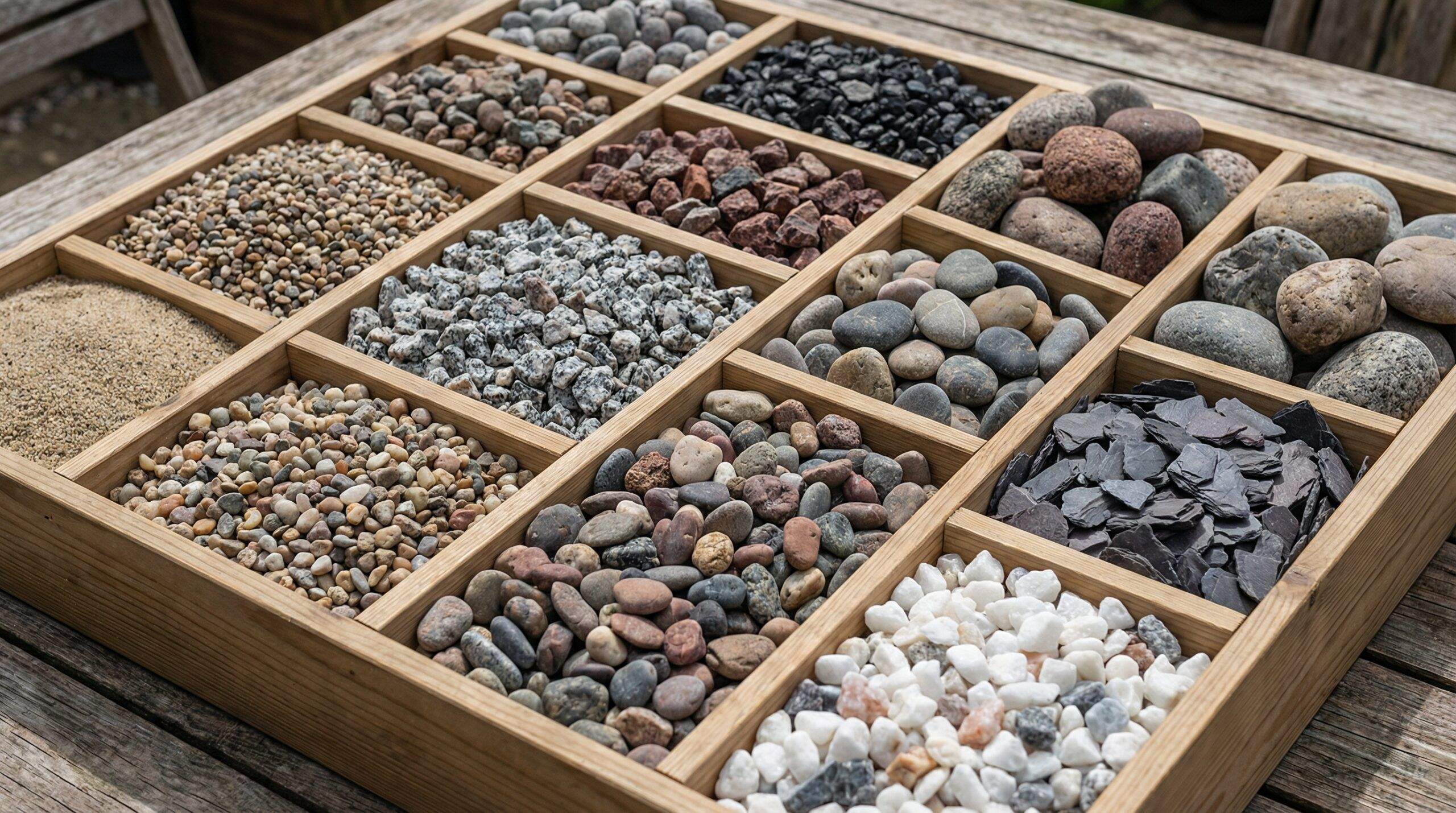
Different types of grava rocks offer unique characteristics suited for specific purposes. Understanding these variations helps you choose the right material for your project.
Limestone gravel stands out for its durability and strength. This type works exceptionally well in construction projects requiring heavy load-bearing capacity. Its natural composition resists weathering and provides long-lasting stability for roads, foundations, and drainage systems.
Granite gravel brings both beauty and functionality to outdoor spaces. Its distinctive appearance and natural strength make it popular for landscaping projects. You’ll often see granite gravel used in decorative pathways, driveways, and garden features where both aesthetics and durability matter.
River rock gravel offers the smoothest texture among grava rock types. Shaped by continuous water flow, these stones create natural-looking landscapes perfect for water features, garden borders, and decorative applications. Their rounded edges and varied colors add visual interest to any outdoor design. To better understand the difference between gravel and pebbles, it’s important to consider both size and formation characteristics.
| Type | Size Range | Best Uses | Key Benefits |
|---|---|---|---|
| Limestone | 1/4″ – 2″ | Construction, roads | High durability, load-bearing |
| Granite | 1/2″ – 3″ | Landscaping, paths | Attractive, weather-resistant |
| River Rock | 1″ – 4″ | Decoration, water features | Smooth texture, natural look |
Natural benefits and environmental impact
Grava rocks play crucial roles in maintaining healthy ecosystems and supporting environmental processes. Their porous structure creates ideal conditions for beneficial bacteria growth in aquatic environments, helping maintain water quality and supporting marine life.
In soil applications, grava rocks provide excellent drainage while preventing erosion. Water flows freely through the spaces between particles, reducing runoff and allowing proper ground absorption. This natural filtration system helps protect surrounding areas from flooding and soil loss.
Environmental benefit: Grava rocks act as natural water filters, removing impurities and pollutants as water passes through their porous structure.
The rocks also contribute to soil health by gradually releasing minerals as they continue weathering. These nutrients support plant growth and maintain soil fertility over time. When used as ground cover, grava rocks help retain soil moisture while suppressing weed growth naturally.
Wildlife benefits from grava rock habitats too. Fish use the spaces between rocks for spawning grounds and shelter, while the stable structure provides protection for various aquatic organisms.
Practical uses in landscaping and construction
Modern applications for grava rocks span from large construction projects to intimate garden designs. In construction, these materials provide stable foundations for buildings, roads, and concrete structures. Their load-bearing capacity and drainage properties make them essential for creating durable infrastructure.
For landscaping projects, grava rocks offer both functional and aesthetic advantages. They create attractive pathways that require minimal maintenance while providing excellent drainage. Garden beds benefit from gravel mulch that retains moisture and prevents weeds without the ongoing costs of organic alternatives. Learning about the importance of gravel rock size ensures you select the perfect material for your specific application.
Driveway applications showcase grava rocks’ versatility particularly well. The material handles vehicle weight effectively while allowing water drainage that prevents ice formation and surface damage. Unlike solid paving materials, gravel driveways can be easily repaired and adjusted as needed. For larger projects, understanding how much a tonne of stones covers can help you accurately estimate material requirements.
Pro tip: Choose grava rock size based on your specific needs – smaller sizes compact better for stable surfaces, while larger sizes provide superior drainage for water management.

Decorative applications highlight the natural beauty of grava rocks. Water features, rock gardens, and architectural accents all benefit from the varied colors and textures available. The material’s ability to complement both modern and traditional design styles makes it a versatile choice for any outdoor space. Exploring common gravel uses and characteristics can inspire creative applications for your landscaping vision.
Understanding grava rocks helps you appreciate both their natural significance and practical value. These remarkable materials continue serving essential functions in ecosystems while providing sustainable solutions for human construction and landscaping needs. Whether you’re planning a major construction project or designing a backyard garden, options like Number 3 gravel and other grava rocks offer proven performance backed by millions of years of natural testing.

 Chance Kittrell