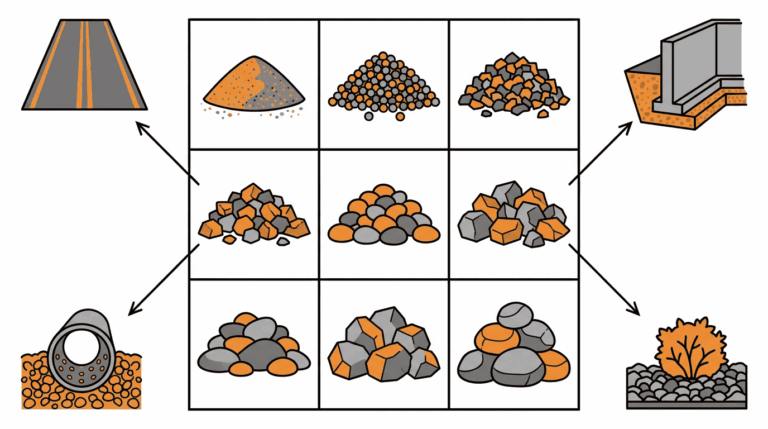
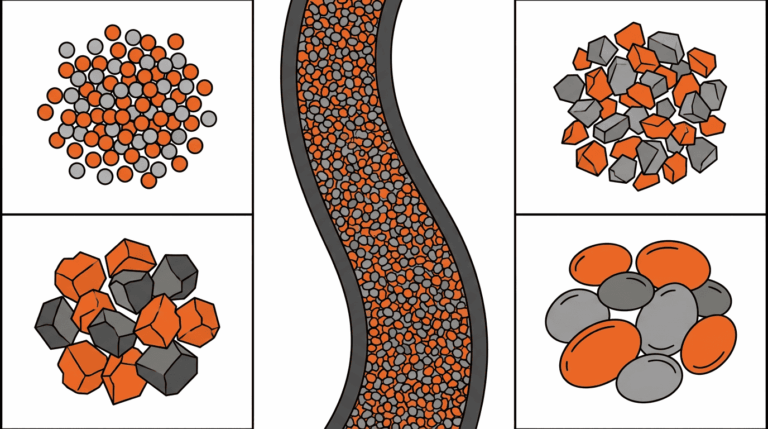
Gravel and Rock Size Chart: How to Choose the Right Stone for Any Project
Get an estimate for your project in 60 seconds
 Your information is secure
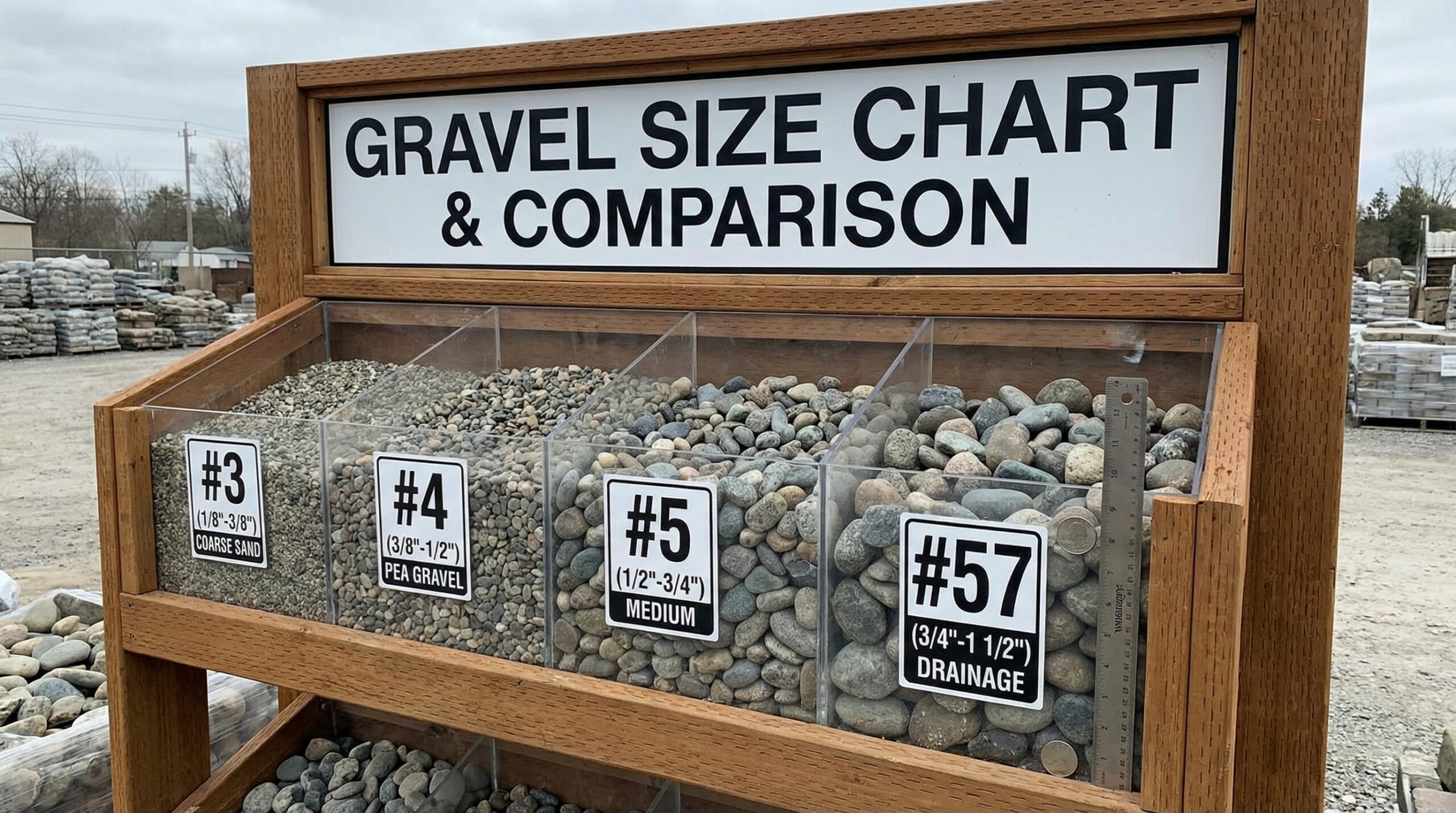
Choosing the wrong gravel or rock size can lead to costly mistakes like ruts in your driveway, poor drainage, or stones that wash away during the first heavy rain. Whether you’re planning a driveway, walkway, or drainage project, understanding gravel and rock sizes will save you time, money, and frustration.
This guide provides a clear size chart, project-specific recommendations, and practical tips to help you select the perfect stone for any job. You’ll learn which sizes work best for different applications and how to calculate exactly how much material you need.
Quick Answer: Pea gravel (1/8″ to 3/8″) works best for walkways and decorative areas, #57 gravel (3/4″) is ideal for driveways, and larger stones (2″ to 6″) are perfect for drainage and erosion control.
What do gravel and rock sizes mean
Gravel and rock sizes refer to the diameter of individual stones, typically measured in inches or by numbered grades. Size directly affects three key factors: drainage capability, stability under load, and visual appearance.
The numbering system can seem confusing at first. Smaller numbers like #1 or #3 indicate larger stones, while higher numbers like #57 or #67 represent smaller gravel. This inverse relationship comes from the screen size used during production. For a deeper dive into understanding the numbering system for gravel, you’ll find detailed explanations of how these grades are determined.
Understanding size matters because each application requires different characteristics. Driveways need stones that compact well and resist rutting. Walkways require comfortable surfaces that won’t shift underfoot. Drainage systems need larger stones with gaps that allow water to flow freely.
Gravel and rock size chart
Here’s a quick reference chart showing the most common gravel and rock sizes with their typical applications:
| Size/Grade | Diameter Range | Shape | Best Uses |
|---|---|---|---|
| Pea Gravel | 1/8″ – 3/8″ | Rounded | Walkways, playgrounds, decorative beds |
| #67 Gravel | 1/4″ – 3/4″ | Angular | Concrete mix, walkway base |
| #57 Gravel | 3/4″ | Angular | Driveways, parking areas |
| #3 Stone | 1″ – 2″ | Angular | Driveway base, French drains |
| Riprap | 4″ – 24″ | Irregular | Erosion control, shorelines |
This chart serves as your starting point, but project-specific factors will help you narrow down the best choice for your needs. For more detailed comparisons and visual references, check out our gravel size chart with pictures.
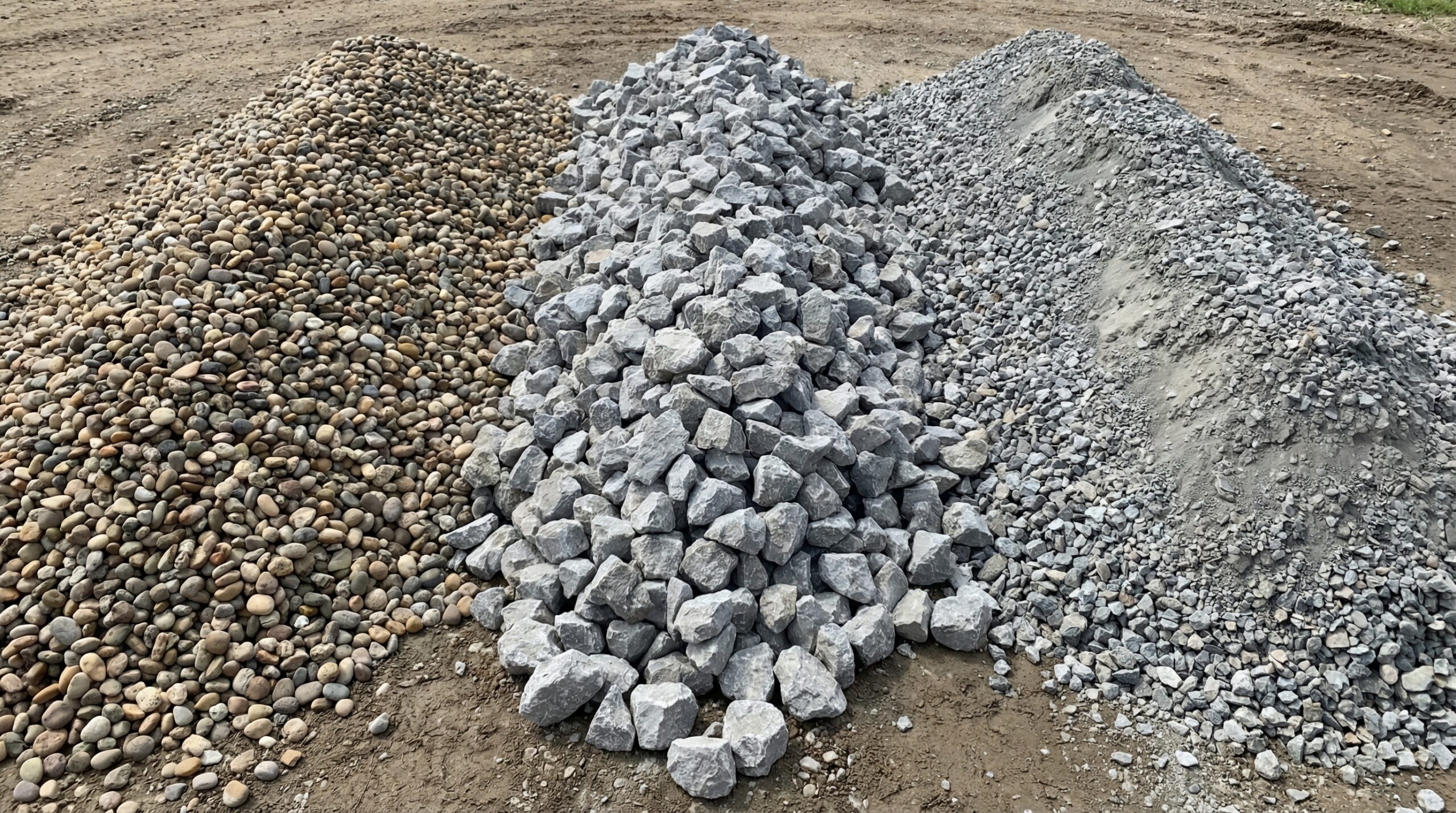
Common gravel and rock types by size
Pea gravel and small decorative stones
Pea gravel ranges from 1/8 inch to 3/8 inch and features smooth, rounded edges that make it comfortable to walk on. This size works perfectly for garden pathways, playground surfaces, and decorative landscaping beds.
The small size allows excellent drainage while preventing the shifting problems you might experience with larger stones. However, pea gravel can migrate over time, especially on slopes, so consider edging materials to keep it contained.
Medium gravel and crushed stone
Medium-sized gravel, including popular #57 and #67 grades, ranges from 3/8 inch to 1.5 inches. These angular stones compact well together, making them ideal for driveways and walkways that need to support vehicle weight.
57 gravel, measuring about 3/4 inch, is the most common choice for residential driveways. Its size provides good drainage while creating a stable surface that resists rutting under normal traffic. To explore construction stone sizes for various building applications, our comprehensive guide covers everything from foundations to finishing work.
Pro Tip: Angular crushed stone compacts better than rounded river rock, making it the preferred choice for load-bearing applications like driveways and parking areas.
Large gravel and river rock
Stones ranging from 1.5 inches to 4 inches work well for decorative borders, drainage applications, and as base layers under smaller gravel. River rock in this size range creates attractive landscaping features while providing excellent drainage.
Large gravel also serves as an effective base layer for driveways, providing stability and preventing smaller stones above from sinking into the soil below.
Boulders and riprap
Stones larger than 4 inches, including boulders and riprap, serve specialized purposes like erosion control, retaining walls, and dramatic landscaping features. Riprap typically ranges from 6 inches to 24 inches and gets strategically placed along shorelines and steep slopes.
These large stones provide maximum stability and can withstand significant water flow, making them essential for controlling erosion in challenging environments.
Best gravel and rock sizes by project
Driveways and parking areas
For driveways, use a layered approach starting with #1 or #3 stone (2-4 inches) as a base layer for stability. Top this with #57 gravel (3/4 inch) for the driving surface, which provides good traction and compacts well under vehicle weight.
Avoid pea gravel for driveways, especially on slopes, as it will shift and create ruts. The angular shape of crushed stone is crucial for creating a stable, long-lasting driveway surface. For specific recommendations on driveway stone sizes, our ultimate chart breaks down the best options for different driveway types and traffic loads.
Walkways and patios
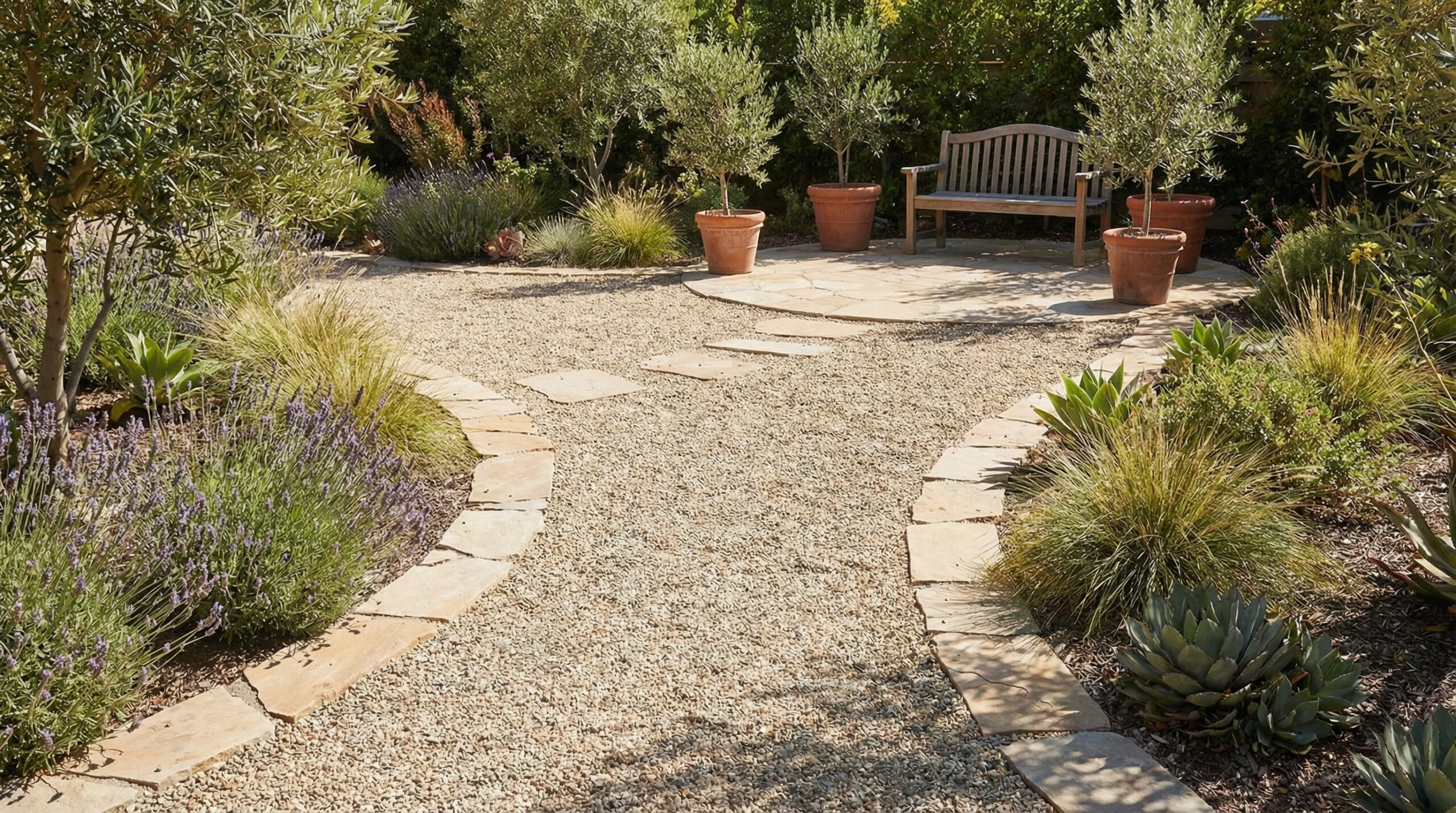
Pea gravel (1/8 to 3/8 inch) creates comfortable walking surfaces for garden paths and casual walkways. For patios that receive regular foot traffic, consider #67 gravel (1/4 to 3/4 inch) which offers better stability while remaining comfortable underfoot.
Always install proper edging to prevent gravel migration, and consider a fabric barrier underneath to prevent weeds while maintaining drainage.
Drainage and French drains
Drainage systems require larger stones with plenty of void space for water flow. Use #3 or #4 stone (1 to 2 inches) for French drains and drainage ditches. These sizes allow rapid water movement while filtering out soil particles.
Avoid smaller gravel for drainage applications, as it can clog with sediment over time and reduce effectiveness.
Important: Proper drainage stone should have minimal fine particles that could clog the system. Always specify “washed” stone for drainage applications.
Landscaping and decorative areas
For decorative landscaping beds, pea gravel provides an attractive, low-maintenance surface that suppresses weeds while allowing water to reach plant roots. River rock in the 1 to 3 inch range creates beautiful borders and accent areas.
Consider the maintenance requirements when choosing decorative stone. Smaller gravel may require occasional raking to maintain appearance, while larger stones stay in place better but can be harder to work around when planting. Our landscape stone size chart helps you find the perfect fit for any outdoor project, from garden beds to water features.
How to choose the right size
Start by clearly defining your project type and expected traffic load. Vehicle traffic requires different stone characteristics than foot traffic, and decorative applications have different priorities than functional ones.
Consider drainage requirements next. Areas with poor drainage need larger stones with more void space, while areas where you want to minimize water infiltration might use smaller, more compact materials.
Think about long-term maintenance as well. Smaller stones may require periodic replenishment and raking, while larger stones typically stay in place longer but can be more difficult to modify later. For a complete overview of common gravel sizes and their uses, our guide explains the practical applications of each size category.
Common mistakes include using pea gravel for steep driveways, choosing stones too large for comfortable walking, and selecting decorative stones without considering their functional requirements.
When you’re ready to make your selection, Hello Gravel offers a complete range of gravel and rock sizes with expert guidance to ensure you get exactly what your project needs. Our team can help you calculate quantities and coordinate delivery to keep your project on schedule.

 igor
igor