Gravel Size Chart Guide Choose the Right Stone Size for Any Project
Get an estimate for your project in 60 seconds
 Your information is secure
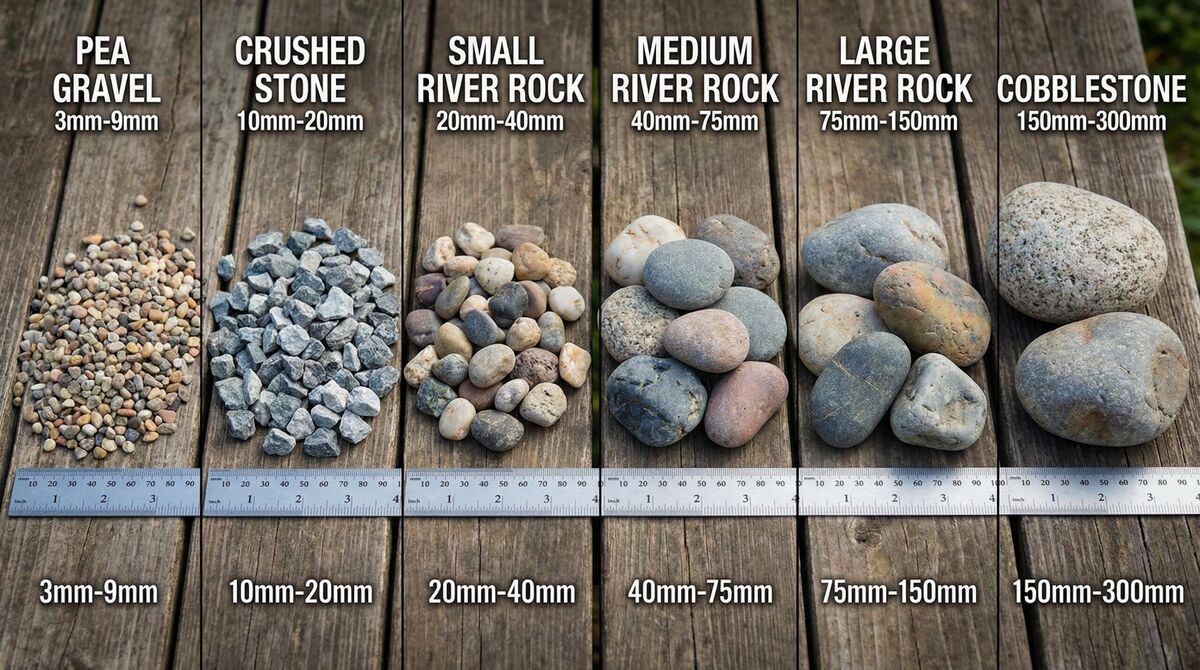
Choosing the right gravel size can make or break your project. Whether you’re building a driveway that needs to handle heavy vehicles or creating a decorative garden pathway, the stone size directly impacts both function and appearance. Small stones like pea gravel (¼ to ½ inch) work perfectly for walkways, while larger crushed stone (¾ to 2½ inches) provides the stability needed for driveways and construction projects.
Quick Answer: Use ¼-½ inch gravel for pathways and decorative areas, ¾-1 inch for driveways, and 2+ inches for heavy-duty construction and drainage applications.
Understanding gravel sizes helps you avoid common mistakes like choosing stones that shift under weight or create poor drainage. This guide breaks down the measurement system, shows you how different sizes perform in real projects, and gives you the tools to make confident decisions for your specific needs.
Understanding gravel size measurements
Gravel sizes follow a standardized measurement system called sieve analysis. This process passes stones through screens with different-sized openings, separating them into specific size categories. The measurements you see on gravel charts represent the diameter range of stones that pass through particular screen sizes.
Most gravel falls into three main categories. Fine gravel measures less than ¼ inch and works well as a base layer or for detailed decorative work. Medium gravel ranges from ¼ inch to 1 inch and handles most residential projects like pathways and light-duty driveways. Coarse gravel measures 1 inch and larger, providing the strength needed for heavy construction and drainage systems.
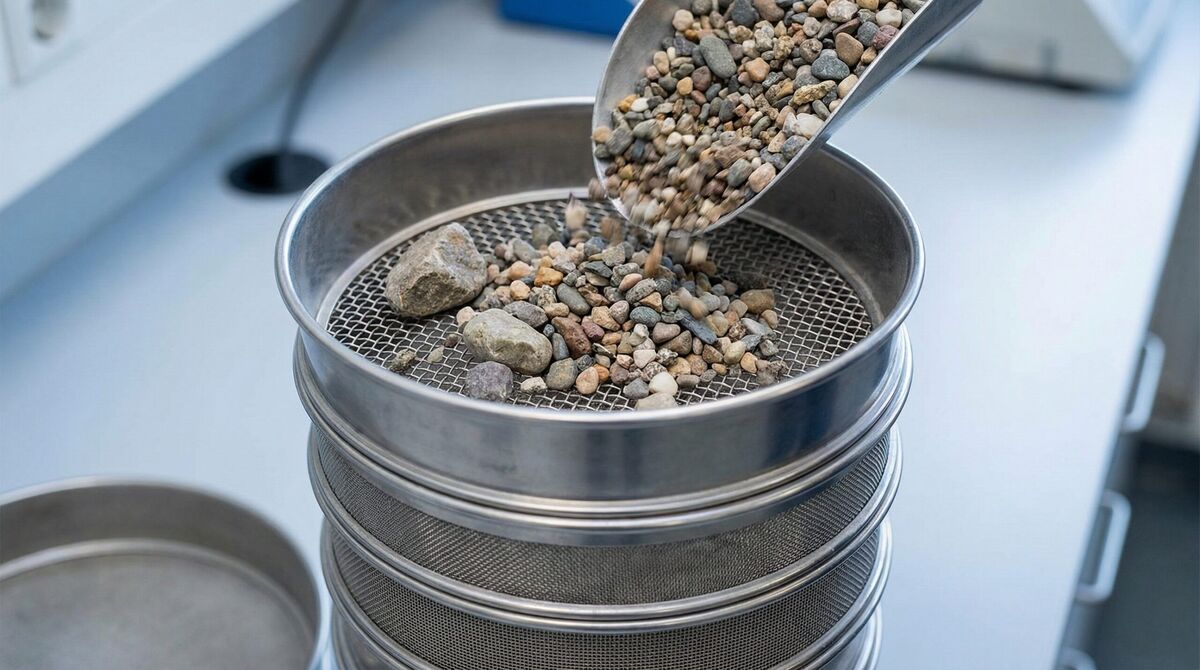
The size you choose affects how stones interlock and compact. Smaller stones create smoother surfaces but may shift under heavy loads. Larger stones lock together more securely but create rougher textures. Understanding this relationship helps you balance stability with the look and feel you want for your project. For a deeper dive into how different aggregate sizes are classified and measured, check out our comprehensive aggregate sizes chart.
Pro Tip: Always check your local supplier’s sizing standards, as measurements can vary slightly between regions and producers.
Common gravel types and their size ranges
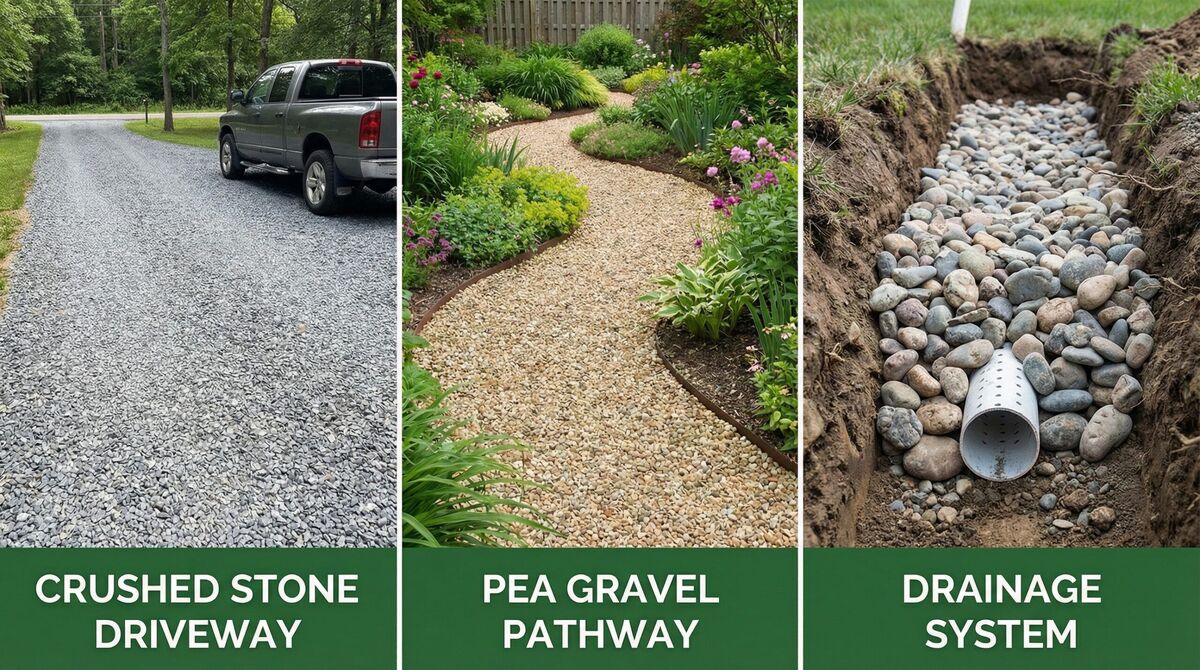
Different gravel types offer unique characteristics that make them suitable for specific applications. Pea gravel consists of small, naturally rounded stones typically measuring ¼ to ½ inch in diameter. These smooth stones create comfortable walking surfaces and excellent drainage, making them popular for pathways, play areas, and decorative landscaping features.
Crushed stone provides angular, mechanically broken pieces ranging from ⅜ to 2½ inches. The angular edges help stones lock together, creating stable surfaces that resist shifting. This makes crushed stone ideal for driveways, road bases, and areas requiring structural support. The variety of available sizes allows you to match the stone to your specific load requirements. Learn more about quarry stone and crushed stone sizing to understand the differences between various crushed stone products.
River rock offers naturally weathered stones with smooth, rounded surfaces. These stones typically range from 2 to 12 inches and bring a natural, organic appearance to landscaping projects. While not suitable for high-traffic areas due to their smooth surfaces, river rocks excel in decorative applications like dry creek beds, garden borders, and water features.
| Gravel Type | Size Range | Best Applications | Key Benefits |
|---|---|---|---|
| Pea Gravel | ¼ – ½ inch | Pathways, play areas | Smooth surface, good drainage |
| Crushed Stone | ⅜ – 2½ inches | Driveways, construction | Excellent stability, interlocking |
| River Rock | 2 – 12 inches | Landscaping, decoration | Natural appearance, erosion resistant |
Matching gravel size to your project needs
Landscaping projects typically benefit from smaller gravel sizes that create attractive, walkable surfaces. Pea gravel works exceptionally well for garden pathways, around plants, and in areas where you want a refined appearance. The small size allows for easy installation and creates gentle curves and detailed patterns. For decorative borders and mulch alternatives, ¼ to ½ inch stones provide excellent weed suppression while allowing water to reach plant roots. If you’re planning a landscaping project, explore our landscape stone size chart to find the perfect fit for your outdoor space.
Construction and heavy-use applications require larger stones that can handle significant weight and traffic. Driveways perform best with ¾ to 1½ inch crushed stone, which compacts well while maintaining stability under vehicle loads. For parking areas and roads, 1 to 2½ inch stones provide the structural integrity needed for long-term durability. For specific guidance on selecting the right material for your driveway, consult our driveway stone size chart.
Important: Consider your local climate when selecting gravel size. Areas with heavy rainfall need larger stones for better drainage, while regions with freeze-thaw cycles benefit from well-draining gravel that prevents ice damage.
Drainage projects require careful size selection based on water flow requirements. French drains typically use 1 to 1½ inch clean stone that allows rapid water movement. For erosion control on slopes or shorelines, larger rip-rap stones measuring 6 inches or more provide the weight and stability needed to resist water movement.
Practical tips for gravel selection and purchasing
Start by accurately measuring your project area to determine how much gravel you need. Calculate the square footage and multiply by your desired depth in feet to get cubic feet. Most suppliers sell by the ton or cubic yard, so you’ll need to convert your measurements. As a general rule, one cubic yard of gravel covers about 100 square feet at 3 inches deep.
Consider ordering 10-20% extra material to account for compaction and future maintenance needs. Gravel settles over time, especially in high-traffic areas, and having extra material on hand makes touch-ups easier. Store extra gravel in a dry location to prevent it from becoming muddy or contaminated.
When selecting a supplier, compare not just prices but also quality and delivery options. High-quality gravel should be clean, well-graded, and free from excessive dust or debris. Ask about the stone’s source and whether it meets local specifications for your intended use. Many suppliers offer bulk delivery, which often provides better value than bagged materials for larger projects. To better understand the various sizes of stones available from suppliers, review our detailed guide.
Test small samples when possible, especially for decorative applications. Colors and textures can vary significantly between different quarries and stone types. What looks good in a small sample might not create the effect you want across a large area, so consider ordering a small amount first for larger decorative projects.
Selecting the right gravel size transforms your project from functional to exceptional. By understanding how different sizes perform and matching them to your specific needs, you create surfaces that look great and stand the test of time. Whether you’re enhancing your landscape or building something that needs to last for decades, the right gravel choice sets the foundation for success.