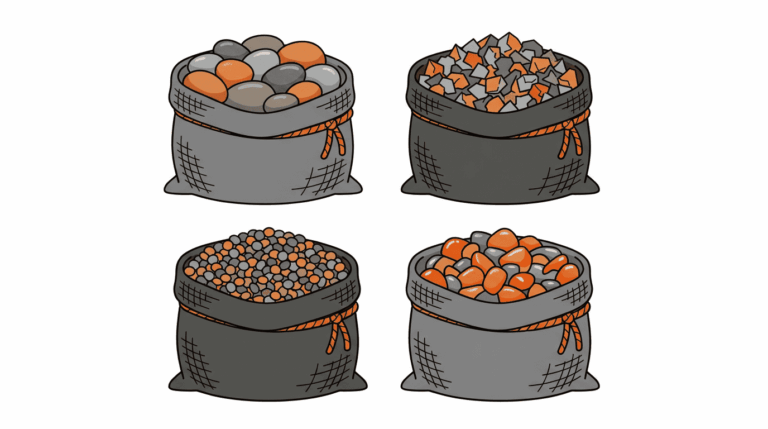
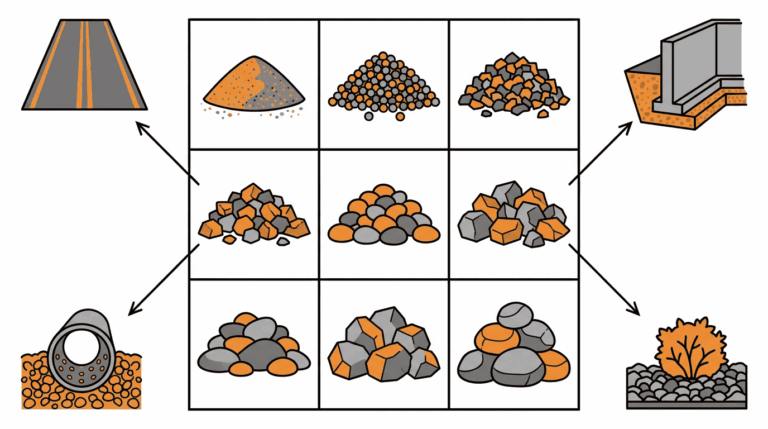
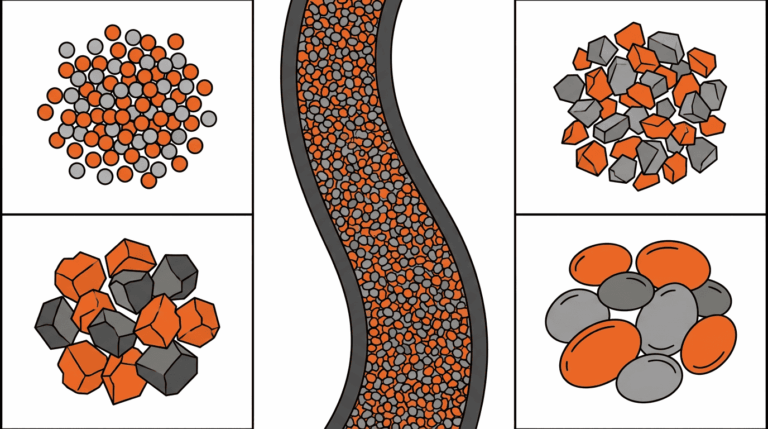
Gravel Sizes Chart with Pictures Complete Visual Guide from 4mm to 64mm
Get an estimate for your project in 60 seconds
 Your information is secure
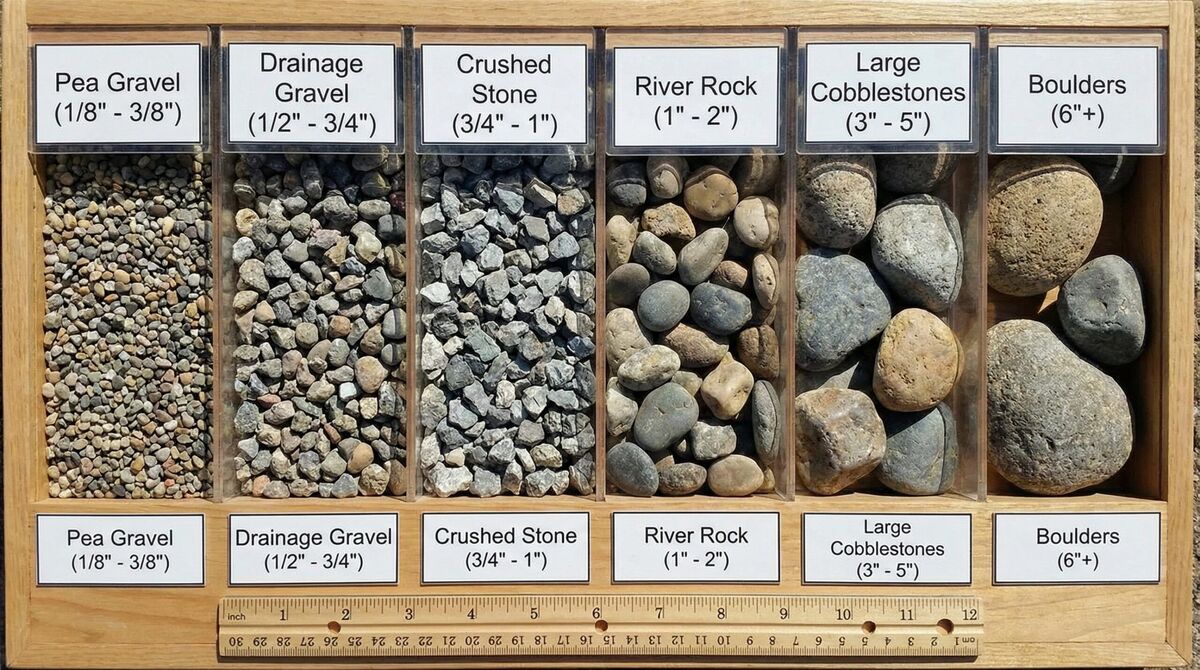
Choosing the right gravel size can make or break your project. Whether you’re planning a driveway, patio, or drainage system, understanding gravel measurements is essential for success. Gravel sizes range from fine 4mm pea gravel perfect for walkways to large 64mm river rock ideal for drainage applications.
Quick Answer: Gravel sizes are measured by diameter in millimeters. Small gravel (4-10mm) works best for decorative paths, medium gravel (10-40mm) suits driveways and patios, while large gravel (40-64mm+) excels in drainage and erosion control.
This visual guide shows you exactly what each gravel size looks like and where to use it. You’ll see real photos, measurements, and practical applications that help you make confident decisions for your outdoor project.
Understanding gravel size measurements
Gravel sizing follows a standardized system based on diameter measurements. The industry measures gravel particles in millimeters, creating clear categories that determine each type’s best applications.
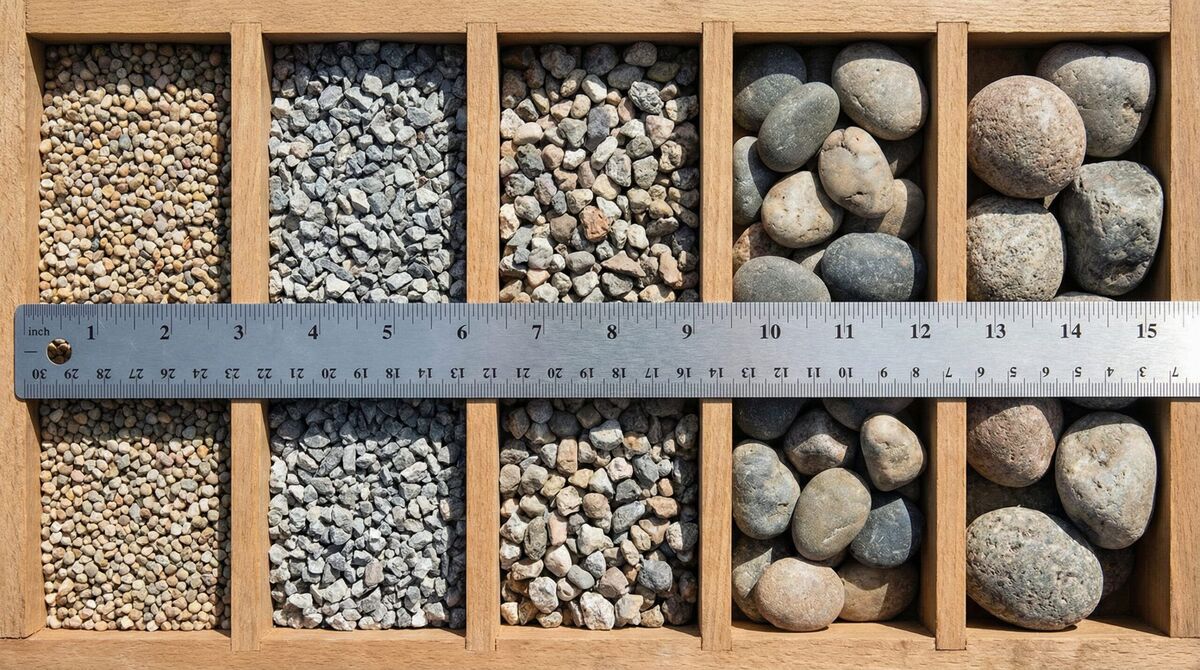
Small gravel ranges from 4mm to 10mm in diameter. These tiny stones create smooth surfaces perfect for walking and provide excellent compaction. Medium gravel spans 10mm to 40mm, offering the ideal balance between stability and drainage. Large gravel exceeds 40mm and can reach 64mm or more, providing superior water flow and load-bearing capacity.
The measurement system helps you predict how gravel will perform in your specific project. Smaller particles lock together tightly, creating stable surfaces but limiting water flow. Larger stones allow excellent drainage but may shift under foot traffic.
Pro Tip: Always consider both size and shape when selecting gravel. Angular crushed stone compacts better than rounded river rock, even at the same size.
Types of gravel with visual comparisons
Different gravel types offer unique characteristics that affect both appearance and performance. Understanding these variations helps you choose the perfect material for your specific needs.
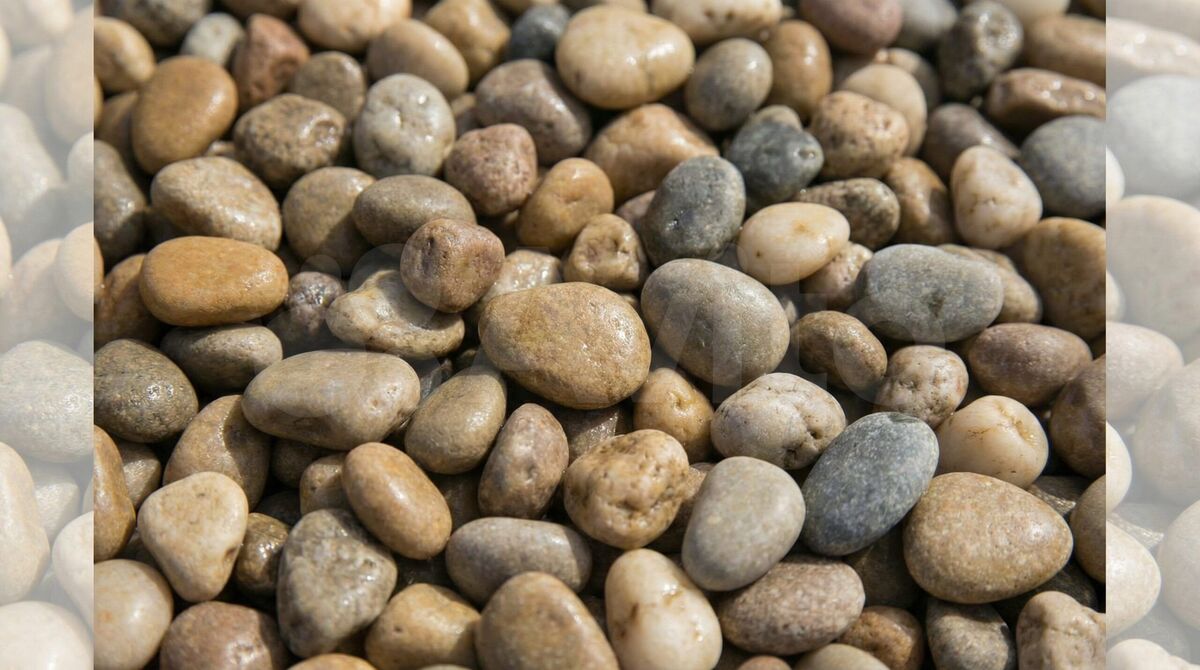
Pea gravel consists of small, naturally rounded stones typically measuring 4mm to 10mm. These smooth pebbles feel comfortable underfoot and come in various earth tones including tan, brown, and gray. The rounded shape prevents sharp edges that could be uncomfortable for bare feet, making pea gravel perfect for pool areas and children’s play spaces.
Crushed stone features angular fragments created by mechanically breaking larger rocks. Sizes range from fine dust to 40mm chunks. The sharp edges help pieces lock together, creating exceptionally stable surfaces for driveways and foundations. Popular varieties include limestone, granite, and trap rock. For more details on specific crushed stone classifications, check out our comprehensive quarry stone crushed stone size chart.
River rock showcases naturally smooth stones worn by water over time. These range from 10mm pebbles to 64mm boulders in beautiful natural colors. River rock excels in decorative applications like garden borders and water features, though the smooth surface may shift under heavy traffic.
Complete gravel sizes chart and applications
This comprehensive chart shows exactly which gravel size works best for each application. Use this reference to match your project needs with the ideal gravel specifications.
| Size Range | Common Name | Best Applications | Traffic Level |
|---|---|---|---|
| 4-10mm | Pea Gravel | Walkways, patios, playgrounds | Light foot traffic |
| 10-20mm | #8 Stone | Driveways, paths, drainage | Moderate vehicle traffic |
| 20-40mm | #57 Stone | Road base, heavy driveways | Heavy traffic |
| 40-64mm+ | River Rock | Drainage, erosion control | Decorative only |
Small gravel works perfectly for areas where you want smooth surfaces and comfortable walking. The tiny stones compact well and resist shifting, though they may not drain as quickly as larger options.
Medium gravel offers the sweet spot for most residential projects. These sizes provide excellent stability while maintaining good drainage properties. They handle moderate vehicle traffic without excessive shifting or rutting. To better understand the numbering system for gravel like #8 and #57 stone, explore our detailed guide.
Large gravel excels in applications requiring maximum drainage and erosion protection. While not suitable for walking surfaces, these stones create effective French drains and slope stabilization systems.
Choosing the right gravel size for your project
Your project’s specific requirements determine which gravel size will deliver the best results. Consider these key factors when making your selection.
Traffic expectations play the biggest role in size selection. Light foot traffic areas like garden paths work well with 4-8mm pea gravel. Driveways handling daily car traffic need 10-20mm crushed stone for stability. For detailed recommendations on selecting the perfect driveway stone size, our specialized chart can help you make the right choice. Heavy commercial applications require 20-40mm or larger stones.
Drainage needs also influence your choice. Areas prone to water accumulation benefit from larger gravel that allows rapid water flow. Decorative applications may prioritize appearance over drainage, making smaller, more uniform stones appropriate.
Aesthetic preferences matter too. Smooth river rock creates a natural, organic look perfect for landscaping. Angular crushed stone provides a more structured, industrial appearance suitable for functional areas. When planning your outdoor space, our landscape stone size chart can help you find the perfect fit for aesthetic and functional needs.
Consider This: Mixing gravel sizes can optimize performance. A base layer of larger stone topped with smaller gravel combines excellent drainage with a smooth surface.
The climate in your area affects gravel performance as well. Regions with freeze-thaw cycles benefit from well-draining larger gravels that prevent ice damage. Hot climates may favor lighter-colored stones that reflect heat and stay cooler underfoot.
Your budget also influences the decision. Basic crushed stone costs less than decorative river rock, though both serve important functions. Consider long-term maintenance costs when comparing options, as some gravels require more frequent replenishment.
Understanding these factors helps you select gravel that performs well and looks great for years to come. The right choice balances functionality, appearance, and budget to create the perfect solution for your outdoor space. For a deeper dive into common gravel sizes and their uses, explore our comprehensive guide.
Ready to start your gravel project? Hello Gravel delivers premium aggregates nationwide with our white-glove service, making it easy to get exactly the right gravel size for your specific needs.