Gravel vs Pebbles Complete Guide to Differences, Uses, and Best Choice for Your Project

Get an estimate for your project in 60 seconds
 Your information is secure

Choosing between gravel and pebbles for your project can feel overwhelming when you don’t know the key differences. While both materials look similar at first glance, they serve very different purposes in construction and landscaping. Understanding these differences will save you time, money, and potential project headaches down the road.
Quick answer: Gravel ranges from 2mm to 75mm with angular shapes, making it ideal for structural applications like driveways and foundations. Pebbles are smaller (2mm to 20mm), naturally rounded stones perfect for decorative landscaping and comfortable walkways.
Key insight: The main difference lies in size and shape. Gravel’s larger, angular pieces provide stability for heavy-duty applications, while pebbles’ smooth, rounded surfaces excel in aesthetic and comfort-focused projects.
In this guide, we’ll explore the formation processes, physical characteristics, practical applications, and cost considerations to help you make the right choice for your specific project needs.
What makes gravel and pebbles different
The fundamental differences between gravel and pebbles go beyond just appearance. These materials form through different processes and serve distinct purposes in construction and landscaping projects.
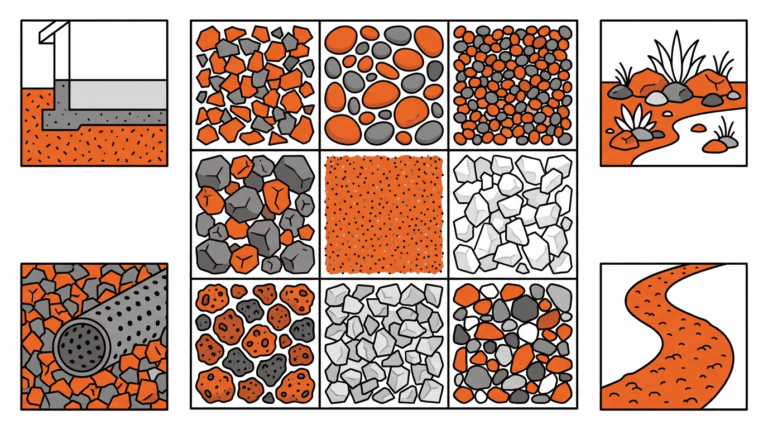
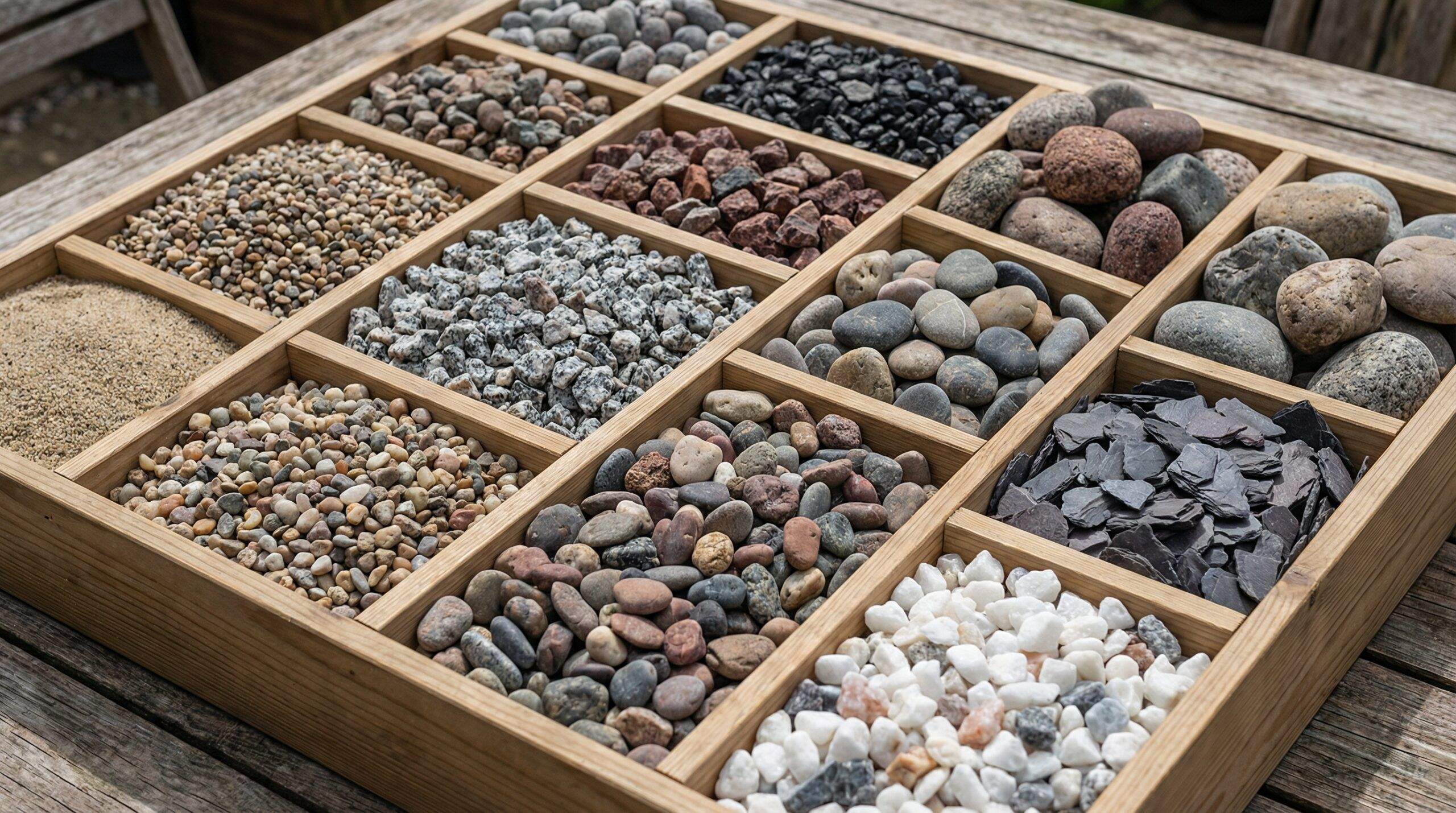
Gravel consists of loose rock fragments typically ranging from 2mm to 75mm in diameter. The angular, sharp-edged pieces result from mechanical crushing or natural weathering processes. This rough texture helps individual pieces interlock, creating stable surfaces that resist shifting under weight.
Pebbles are smaller stones, usually between 2mm and 20mm, with smooth, rounded surfaces. Natural water action in riverbeds and beaches gradually wears away sharp edges through constant tumbling and abrasion. This process can take thousands of years, resulting in the characteristic smooth texture that makes pebbles comfortable to walk on barefoot.
The size difference affects how each material performs. Understanding the importance of gravel rock size is crucial because gravel’s larger particles create better load-bearing capacity for vehicles and heavy equipment. Pebbles’ smaller size makes them easier to work with for detailed landscaping but less suitable for structural applications.

Physical characteristics that matter for your project
Understanding the physical properties of gravel and pebbles helps you predict how they’ll perform in different applications. These characteristics directly impact durability, comfort, and maintenance requirements.
Size and shape differences create the most noticeable performance variations. Gravel’s angular edges lock together mechanically, preventing movement under pressure. This interlocking action makes gravel excellent for driveways where vehicles need stable footing. Pebbles’ rounded shape means they don’t interlock well, making them prone to shifting but comfortable for walking.
Color and texture variations affect both aesthetics and practical performance. When exploring the fascinating world of grava rocks, you’ll find that gravel typically comes in earth tones like gray, brown, and white, depending on the source rock. The rough surface provides excellent traction but can be harsh on bare feet or pet paws.
Pebbles offer more color variety, including reds, yellows, greens, and blacks. The smooth surface reflects light differently, creating visual interest in landscaping designs. However, wet pebbles can become slippery, requiring careful consideration for high-traffic areas.
Drainage properties differ significantly between the two materials. Gravel’s larger size and angular shape create bigger void spaces, allowing water to flow through quickly. Pebbles still drain well but may compact more tightly, slightly reducing drainage efficiency in some applications.
Best uses for gravel vs pebbles
Choosing the right material depends on your project’s specific requirements. Each material excels in different applications based on its physical properties and performance characteristics.
Gravel works best for structural applications where stability and load-bearing capacity matter most. Driveways benefit from gravel’s ability to handle vehicle weight without creating ruts or soft spots. The angular pieces compact well, forming a solid surface that lasts for years with minimal maintenance. Number 3 gravel is particularly popular for these applications due to its optimal size and performance characteristics.
Construction projects often use gravel as foundation material under concrete slabs or as base layers for patios and walkways. The material’s drainage properties prevent water accumulation that could cause frost damage or settling issues.
Pebbles excel in decorative and comfort-focused applications where aesthetics and user experience take priority. Garden pathways become more inviting with smooth pebbles that feel pleasant underfoot. Water features like ponds and fountains showcase pebbles’ natural beauty while providing functional benefits.
Landscaping borders and decorative accents work well with pebbles because their varied colors and smooth texture create visual interest without the harsh appearance of angular gravel. Play areas for children benefit from pebbles’ safety advantages over sharp-edged alternatives.
Cost consideration: Gravel typically costs 10-20% less than decorative pebbles, but factor in long-term maintenance when calculating total project costs. Gravel usually requires less frequent touch-ups due to its stability.
| Feature | Gravel | Pebbles |
|---|---|---|
| Size range | 2-75mm | 2-20mm |
| Shape | Angular, sharp | Rounded, smooth |
| Best for | Driveways, foundations | Paths, decoration |
| Maintenance | Low | Moderate |
Cost and maintenance considerations
Budget planning requires understanding both upfront costs and long-term maintenance needs. The right choice depends on balancing initial investment with ongoing care requirements.
Initial costs vary based on material type, quantity needed, and local availability. When considering common gravel and its uses and characteristics, you’ll find that gravel generally costs less per ton than decorative pebbles, making it budget-friendly for large projects like driveways or parking areas. Local quarry materials often cost less than imported specialty stones.
Pebbles command higher prices due to their aesthetic appeal and sometimes limited availability. Beach pebbles or specialty colored varieties can cost significantly more than standard gravel, but they add substantial visual value to landscaping projects. If you’re planning a large-scale project, understanding how much a tonne of stones weighs and costs will help you budget accurately.
Maintenance requirements differ substantially between the materials. Gravel typically needs occasional raking to maintain appearance and may require fresh material every few years in high-traffic areas. The interlocking nature of angular gravel helps it stay in place better than rounded alternatives.
Pebbles require more frequent maintenance, especially in areas with foot traffic or weather exposure. The smooth stones can shift and scatter, requiring regular redistribution. Edging becomes crucial for pebble installations to prevent material loss and maintain clean borders.

Climate affects both materials differently. Freeze-thaw cycles can cause some movement in any loose stone material, but gravel’s interlocking structure typically handles these conditions better. Pebbles may need more frequent attention in areas with extreme weather conditions.
Understanding these differences helps you choose the material that best fits your project goals, budget, and maintenance preferences. Whether you need the durability of gravel for a driveway or the beauty of pebbles for a garden path, selecting the right material ensures your project performs well and looks great for years to come.

 Chance Kittrell