Gypsum in Raised Garden Beds and Vegetable Gardens: Uses, Benefits, and How to Apply It
Get an estimate for your project in 60 seconds
 Your information is secure
If you’re wondering whether gypsum can improve your raised garden beds or vegetable garden, you’re not alone. Many gardeners hear about gypsum as a soil amendment but aren’t sure when or how to use it effectively.
Yes, you can use gypsum in raised garden beds and vegetable gardens, but it only helps in specific soil conditions. Gypsum works best when your soil has high sodium levels, calcium deficiency, or drainage issues related to clay structure. However, it won’t fix compaction problems and can actually create nutrient imbalances if overused.
Quick fact: Gypsum is most effective in heavy clay soils with high sodium content, but provides little benefit in sandy or already well-balanced soils.
Here’s what you need to know: gypsum supplies calcium and sulfur to plants while potentially improving soil structure in sodic soils. Before adding any gypsum to your garden, test your soil to understand its current nutrient levels and pH. This simple step can save you money and prevent potential problems down the road.
What is gypsum and how does it work in garden soil
Gypsum is calcium sulfate dihydrate, a naturally occurring mineral that’s been used in agriculture for centuries. When you add gypsum to soil, it releases calcium and sulfur ions that plants can absorb for healthy growth.
The calcium in gypsum helps build strong cell walls in plants, which is especially important for fruiting vegetables like tomatoes and peppers. Sulfur aids in protein synthesis and helps plants develop that deep green color you want to see in healthy foliage.
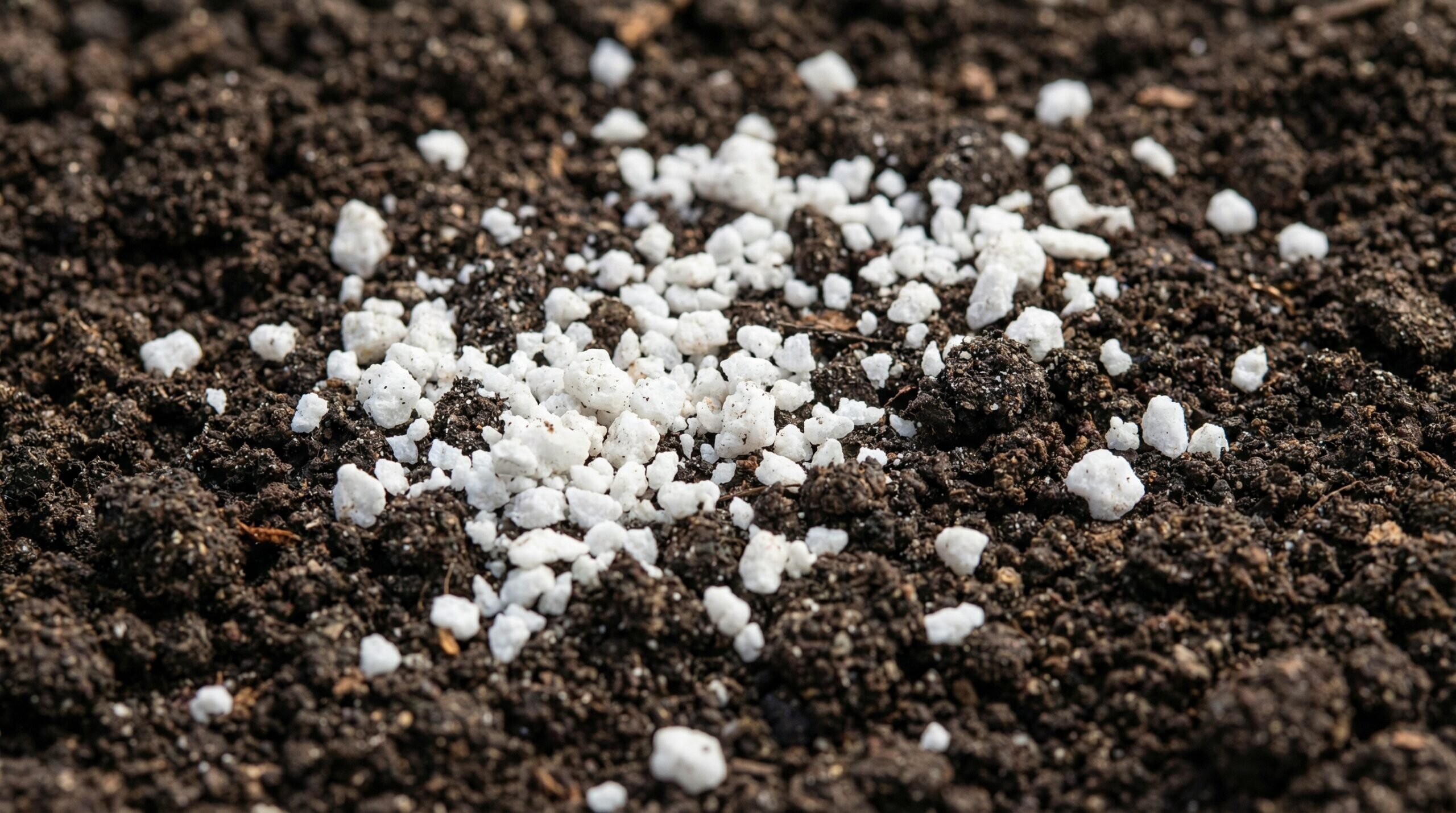
In sodic soils (those with high sodium content), gypsum can help improve soil structure by replacing sodium ions with calcium ions. This process can make clay soils drain better and become easier for roots to penetrate. However, this benefit only occurs when sodium is actually a problem in your soil.
Should you use gypsum in raised garden beds
Raised garden beds present unique conditions that affect whether gypsum will be helpful or harmful. Since you typically fill raised beds with purchased soil or compost mixtures, the soil composition is often quite different from native ground soil.
Most quality potting mixes and raised bed soils already have balanced nutrition and good drainage. Adding gypsum to these soils can create an excess of calcium that interferes with your plants’ ability to absorb other essential nutrients like phosphorus and potassium.
Gypsum makes sense in raised beds only when you’re dealing with specific problems. If you’re using heavy clay soil from your yard to fill beds, and that soil has drainage issues due to high sodium content, gypsum might help. For more information on using different materials in raised garden beds, check out our guide on using decomposed granite for raised garden beds. Similarly, if you’re in an area with high-sodium irrigation water, gypsum can help counteract salt buildup over time.
Important note: Most raised bed soil problems are better solved with organic matter like compost rather than mineral amendments like gypsum.
The key is testing your soil before making any amendments. A simple soil test will tell you if your calcium levels are already adequate and whether sodium is actually causing structural problems in your beds. If you’re exploring other material options for your raised beds, you might also want to learn about using volcanic rock in raised garden beds.
Benefits of gypsum for vegetable gardens
When used appropriately, gypsum can provide specific benefits for vegetable gardens. Calcium-hungry crops like tomatoes, peppers, and brassicas can benefit from the steady calcium supply that gypsum provides.
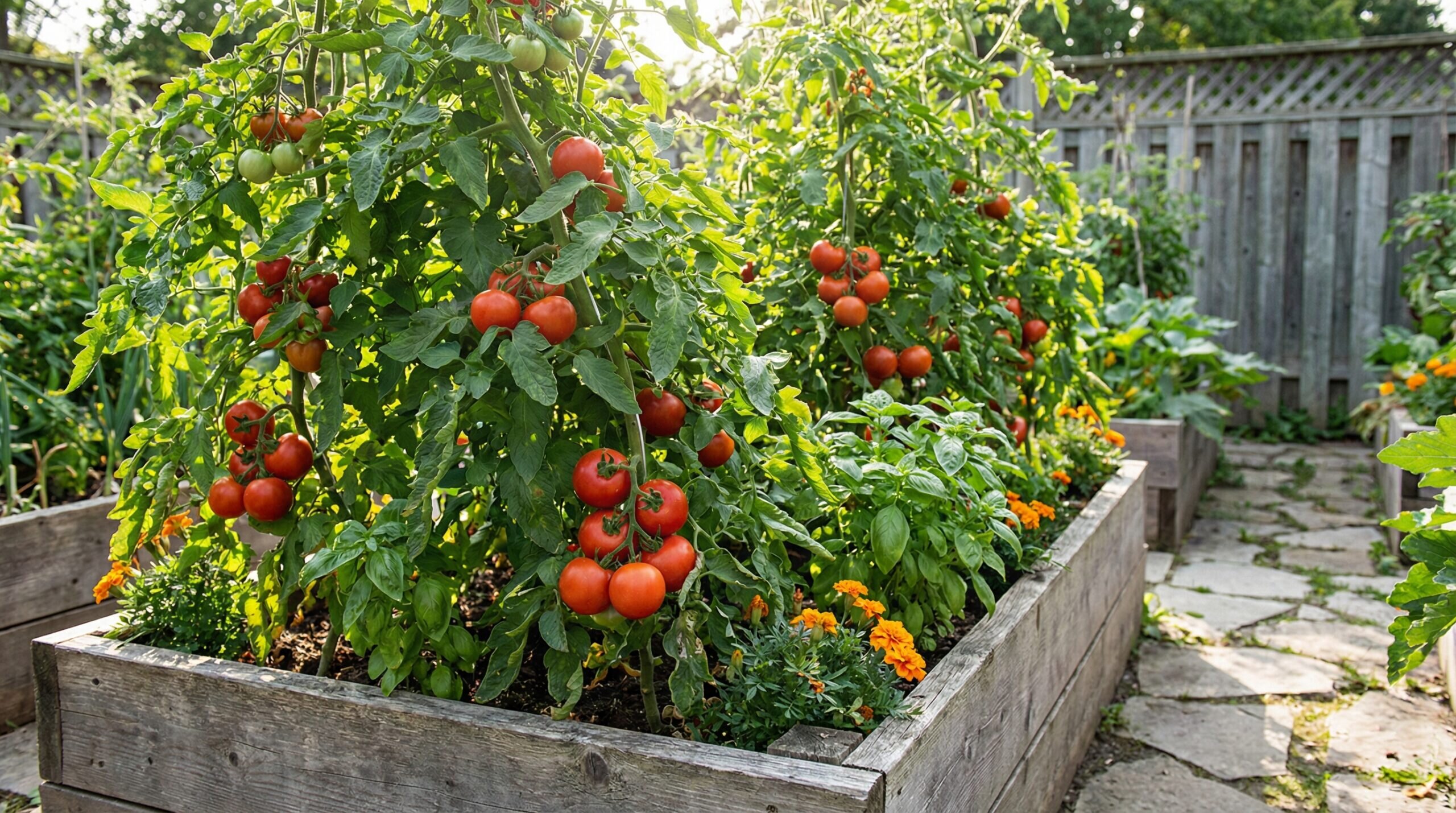
Tomatoes and peppers are particularly susceptible to blossom end rot, a condition caused by calcium deficiency or inconsistent calcium uptake. While proper watering is the primary prevention method, ensuring adequate soil calcium through gypsum can help reduce this problem in susceptible varieties.
Leafy greens like lettuce and spinach also benefit from adequate sulfur, which gypsum supplies. Sulfur helps these crops develop their characteristic deep green color and supports the production of amino acids that give vegetables their nutritional value.
For root vegetables like carrots and beets, the improved soil structure that gypsum can provide in clay soils may help roots develop more easily. However, this benefit only occurs when sodium levels are actually problematic in your soil.
When gypsum doesn’t help and potential risks
Understanding when not to use gypsum is just as important as knowing when it can help. Many gardeners mistakenly believe gypsum will fix any clay soil or compaction problem, but this isn’t true.
In non-sodic clay soils (clay without excess sodium), gypsum won’t improve drainage or structure. These soils are better improved with organic matter like compost, which actually changes the soil’s physical properties and adds beneficial microorganisms.
| Soil Condition | Gypsum Helpful? | Better Alternative |
|---|---|---|
| Sodic clay soil | Yes | Gypsum + organic matter |
| Regular clay soil | No | Compost and organic matter |
| Sandy soil | No | Compost for water retention |
| Well-balanced soil | No | Regular compost additions |
Overusing gypsum can create serious problems in your garden. Excess calcium can make your soil too alkaline for acid-loving plants and can block the absorption of other nutrients. This is particularly problematic for plants that need iron, as too much calcium can cause iron deficiency even when iron is present in the soil.
Warning: Adding gypsum to soil that doesn’t need it can create nutrient lockout problems that are harder to fix than the original issue.
Sandy soils rarely benefit from gypsum because they already drain well and typically don’t have sodium problems. In these soils, gypsum can actually increase leaching of other nutrients, making your fertilization efforts less effective. If you’re working with sandy soil, consider reading about using sand for raised garden beds to understand better alternatives.
How to apply gypsum to raised beds and vegetable gardens
If soil testing confirms that gypsum will benefit your garden, proper application is crucial for success. Start by calculating how much gypsum you need based on your soil test results and the size of your garden area.
For most situations where gypsum is beneficial, apply 1 to 2 pounds per 100 square feet. A 4×8 foot raised bed (32 square feet) would need about half a pound of gypsum. Always err on the side of using less rather than more.
Apply gypsum in early spring before planting or in fall after harvest. Spread it evenly over the soil surface, then work it into the top 6 inches of soil using a garden fork or tiller. Water the area thoroughly after application to help the gypsum begin dissolving and moving into the root zone.
For vegetable gardens, timing matters. Avoid applying gypsum right before planting seeds, as the initial salt concentration can inhibit germination. Apply it at least two weeks before planting, or work it into beds during fall preparation for spring planting. If you’re also considering other materials for garden paths near your beds, explore options like using gypsum for garden paths.
Remember that gypsum is a slow-release amendment. You may not see improvements for several months, and benefits typically last for several growing seasons. Retest your soil every 2-3 years to monitor nutrient levels and determine if additional applications are needed.
When sourcing gypsum for your garden project, choose a reputable supplier that can provide quality products and guidance on proper application rates. Hello Gravel offers various gypsum products suitable for home garden use, with delivery options that make it easy to get the right amount for your specific needs.
Testing your soil first and understanding your specific garden conditions will help you make the best decision about whether gypsum is right for your raised beds or vegetable garden. When used appropriately, it can be a valuable tool for improving plant health and soil conditions. For comparison with other materials that can be used in raised garden beds, you might find it helpful to review guides on using limestone for raised garden beds or using bluestone for raised garden beds.

 Chance Kittrell