How Much Does a Dump Truck Load of Riprap Cost
Get an estimate for your project in 60 seconds
 Your information is secure
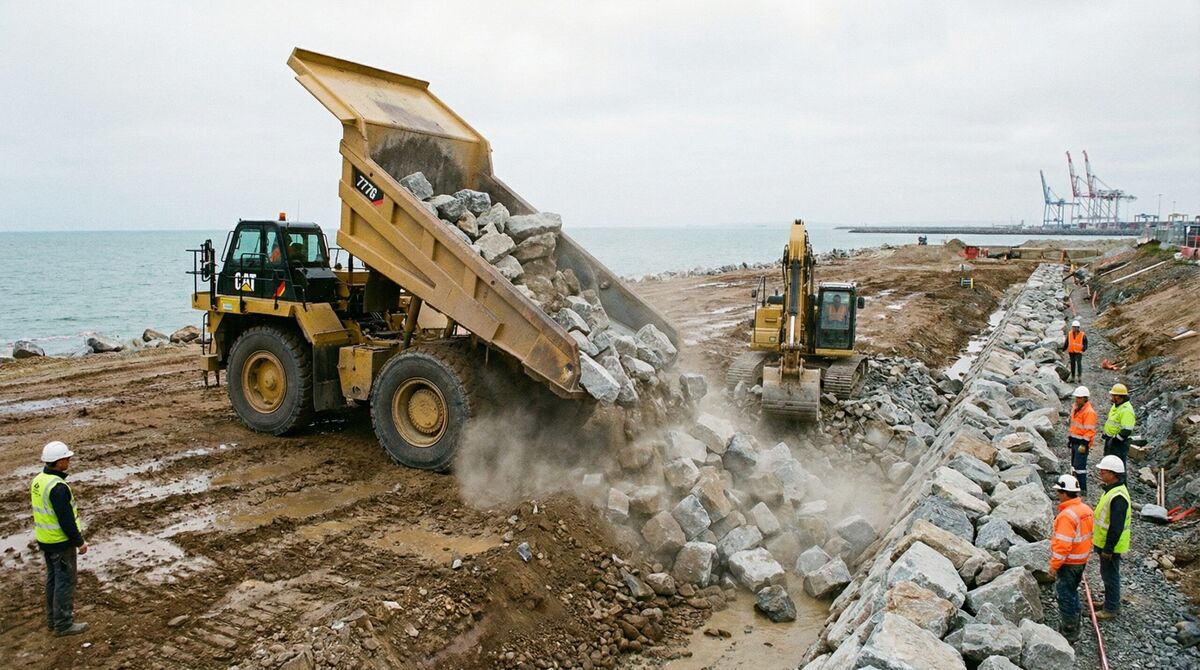
When you’re planning an erosion control project, understanding riprap costs is essential for budgeting effectively. A dump truck load of riprap typically costs between $300 to $800, depending on the stone size, quality, and delivery distance. Most dump trucks carry 15-20 tons of riprap, which translates to roughly $20-40 per ton for the material itself.
Quick Answer: Standard dump truck loads (15-20 tons) of riprap cost $300-800 total, with larger stones and longer delivery distances pushing prices toward the higher end.
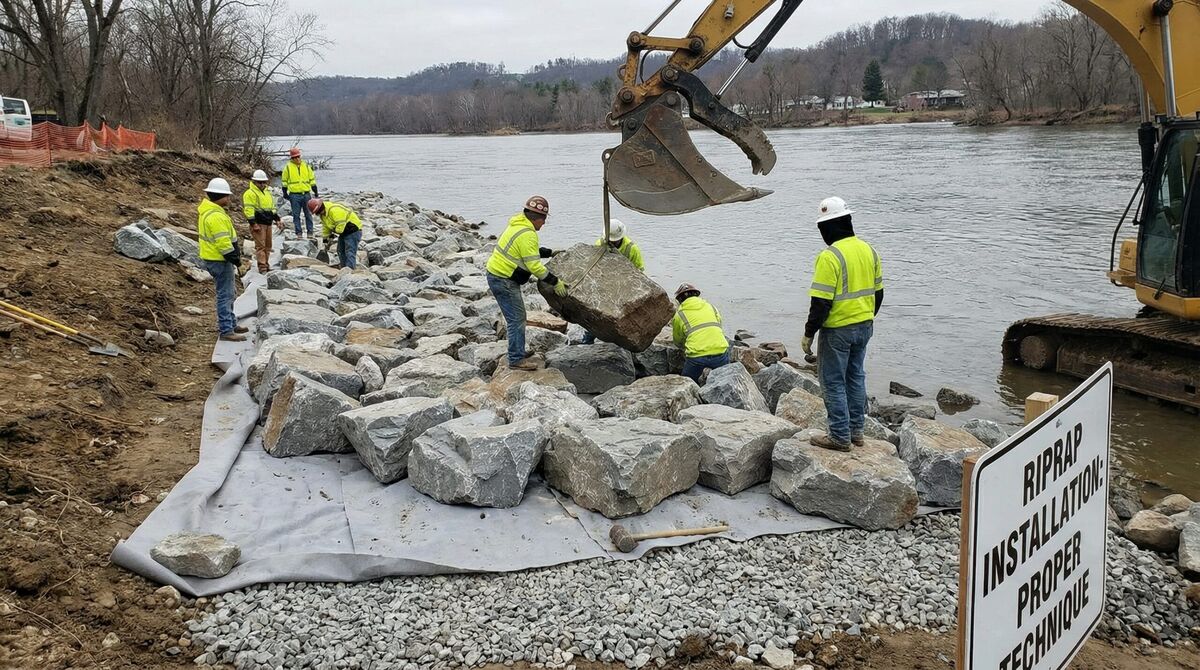
Riprap, also known as shot rock or rip-rap, serves as your first line of defense against water erosion. Whether you’re protecting a shoreline, stabilizing a slope, or reinforcing a drainage area, getting the right amount at the right price makes all the difference for your project’s success.
What determines riprap pricing per dump truck load
Several key factors influence how much you’ll pay for a dump truck load of riprap. Understanding these helps you budget accurately and avoid unexpected costs.
Stone size and type play the biggest role in pricing. Smaller riprap (6-12 inches) typically costs less per ton than larger stones (18-24 inches) because it requires less processing and handling. The type of rock matters too – granite and limestone command higher prices than recycled concrete riprap due to their superior durability.
Delivery distance significantly impacts your total cost. Local deliveries within 20 miles often include free or minimal delivery charges, while longer hauls can add $50-150 to your total bill. Some suppliers charge per mile beyond a certain radius, so always ask about delivery fees upfront. Understanding the cost of delivered gravel can help you anticipate similar delivery charges for riprap. Quality grades affect pricing substantially. Premium-grade riprap with consistent sizing and minimal dust costs more than standard grades that may include some irregular pieces. Higher-quality stone lasts longer and performs better, making it worth the extra investment for critical applications.
Average costs by region and stone type
Riprap pricing varies considerably across different regions due to local availability and transportation costs. Here’s what you can expect to pay in various areas:
| Region | Cost per Ton | Dump Truck Load (18 tons) |
|---|---|---|
| Southeast | $25-35 | $450-630 |
| Midwest | $30-45 | $540-810 |
| Northeast | $35-50 | $630-900 |
| West Coast | $40-60 | $720-1080 |
Limestone riprap generally costs 10-20% less than granite in most regions. It’s widely available and performs well for most erosion control applications. Granite riprap commands premium pricing but offers superior durability in harsh conditions.
Recycled concrete riprap provides the most budget-friendly option, typically costing 30-40% less than natural stone. While it may not have the aesthetic appeal of natural rock, it performs effectively for functional applications like drainage areas and utility protection. For more details on stone pricing variations, check out quarry stone prices.
Cost-Saving Tip: Ordering during off-peak seasons (late fall through early spring) can save you 10-15% on both material and delivery costs.
How to calculate your riprap needs
Getting the right amount of riprap prevents costly delays and ensures project success. Start by measuring your project area carefully and determining the appropriate stone size for your application.
For slope protection, you’ll typically need 2-4 inches of stone thickness for every foot of slope height. A gentle 3:1 slope might need 6-inch stones, while steeper areas require larger 12-18 inch riprap for stability.
Coverage calculations follow a simple formula: length × width × depth (in feet) ÷ 27 = cubic yards needed. Since riprap weighs approximately 1.5 tons per cubic yard, multiply your cubic yard result by 1.5 to get tonnage. If you’re working with aggregate cost per ton, similar calculation methods apply.
Most suppliers recommend ordering 10-15% extra material to account for settling and future maintenance needs. This small buffer prevents project delays if you need additional stone during installation.
Getting the best value on riprap delivery
Smart shopping strategies can significantly reduce your riprap costs without compromising quality. Start by getting quotes from multiple suppliers and comparing their total delivered prices rather than just material costs.
Timing your order strategically saves money. Suppliers often offer better rates during slower periods when their trucks aren’t fully booked. Avoid peak construction season (late spring through early fall) when possible.
Bulk ordering with neighbors or combining multiple projects can unlock volume discounts. Many suppliers offer reduced per-ton pricing for orders exceeding 50-100 tons, making coordination with nearby projects worthwhile. Learn more about the cost of bulk gravel to understand bulk pricing strategies.Ask about tailgate spreading services if your site allows truck access. This service, where the driver spreads material while dumping, can save you significant labor costs and time compared to manual spreading.
Pro Tip: Request to see material samples before ordering, especially for visible applications. Stone color and texture can vary significantly between quarries, even for the same rock type.
Understanding riprap costs helps you make informed decisions for your erosion control project. Remember that the cheapest option isn’t always the best value – investing in quality stone and professional installation often saves money long-term through reduced maintenance and better performance. For additional insights on rock pricing, explore the cost of a load of rock. When you’re ready to move forward, Hello Gravel offers competitive pricing on premium riprap with reliable delivery throughout the country, making your project planning simple and straightforward.