How to Get Sand Delivered to Your House Hassle-Free in 2026
Get an estimate for your project in 60 seconds
 Your information is secure

Getting sand delivered to your house doesn’t have to be complicated or stressful. Whether you’re working on a construction project, landscaping your yard, or filling a sandbox, understanding the delivery process helps you save time and avoid costly mistakes.
Quick Answer: Most homeowners pay $150-400 total for sand delivery, including materials and transportation. The key is choosing the right sand type, accurately estimating quantities, and selecting a reliable delivery service that serves your area.
Pro Tip: Ordering during off-peak seasons (late fall through early spring) can reduce both material and delivery costs by 10-20% in many regions.
This guide walks you through everything you need to know about sand delivery, from selecting the right type to preparing your property for arrival. You’ll learn how to estimate quantities accurately, choose reliable providers, and ensure smooth delivery day operations.
Understanding different types of sand for your project
Not all sand is created equal, and choosing the wrong type can lead to project failures or additional costs. Each sand variety serves specific purposes based on grain size, composition, and intended use.
Construction sand offers the most versatility for residential projects. Its coarse texture and angular particles create stable foundations for patios, walkways, and driveways. The particles lock together well, providing excellent structural support that withstands heavy foot traffic and weather conditions. Understanding the different types of sand used in construction helps you make informed decisions for your specific project needs.
Play sand undergoes special cleaning and screening processes to ensure safety for children. This fine-textured sand feels soft underfoot and works beautifully in sandboxes, playground areas, and decorative garden features. However, its fine particles make it unsuitable for structural applications.
Mason sand provides a middle ground between construction and play sand. Its uniform, medium-sized particles make it ideal for filling joints between pavers and bricks. If you’re planning a paver installation, learn more about the best sand for pavers to ensure long-lasting results. This sand type also works well for creating smooth, level surfaces before installing outdoor features.

| Sand Type | Best Uses | Grain Size | Price Range per Ton |
|---|---|---|---|
| Construction | Foundations, driveways | Coarse | $25-35 |
| Play Sand | Sandboxes, recreation | Fine | $30-45 |
| Mason Sand | Paver joints, leveling | Medium | $28-40 |
| Fill Sand | Hole filling, grading | Mixed | $20-30 |
Fill sand contains mixed grain sizes designed for filling holes and leveling uneven surfaces. Its composition allows for easy compaction, ensuring stable foundations for various projects.
Estimating the right quantity for your delivery
Accurate quantity estimation prevents ordering too much or too little sand, both of which can disrupt your project timeline and budget. Most delivery services have minimum order requirements, typically ranging from 1-5 tons. For larger projects, consider how to place a bulk sand order to streamline the process and potentially save on costs.
Start by measuring the area where you’ll use the sand. For rectangular areas, multiply length by width by depth (all in feet) to get cubic feet. Then divide by 27 to convert to cubic yards, which is how most suppliers price their sand.
Depth requirements vary by project type. Sandbox areas typically need 6-12 inches of sand, while paver bases require 1-2 inches. If you’re wondering whether sand can be used for a patio base project, drainage projects might need 4-6 inches, depending on soil conditions and water flow requirements.
Money-Saving Tip: Always order 10-15% extra sand to account for compaction and settling. This prevents delays if you run short during installation.
Consider the compaction factor when estimating fill sand quantities. Sand compacts under pressure, meaning you may need 20-30% more volume than your initial calculations suggest. Consult with your delivery service about compaction rates for your specific sand type.
Choosing a reliable sand delivery service
The right delivery service makes the difference between a smooth experience and a frustrating ordeal. Start by researching local providers who offer the specific sand type you need and serve your area.
Reputation and reliability should be your top priorities. Look for providers with positive customer reviews, proper licensing, and insurance coverage. Check their Better Business Bureau rating and ask for references from recent customers with similar projects. Understanding the importance of quality sand for optimal results can help you evaluate whether a supplier meets your standards.
Delivery options and scheduling flexibility matter significantly. Some providers offer precise placement using conveyor systems, while others simply dump sand in your driveway. Discuss your site access limitations and preferred delivery location during initial conversations.
Pricing transparency helps you avoid surprise charges. Request detailed quotes that include material costs, delivery fees, and any additional charges for difficult access or special equipment. Compare at least three providers before making your decision.
Ask potential providers about their delivery timeline, minimum order requirements, and policies for weather delays. Understanding these details upfront prevents misunderstandings and ensures realistic project planning.
Preparing your property for sand delivery
Proper site preparation ensures safe, efficient delivery and prevents damage to your property or the delivery vehicle. Start by clearing the delivery area of vehicles, outdoor furniture, and any obstacles that might interfere with truck access.
Access requirements vary by delivery vehicle size. Most residential deliveries use trucks that need at least 10 feet of width and 14 feet of height clearance. Check for low-hanging branches, power lines, or narrow gates that might restrict access.
Ground conditions affect where drivers can safely position their vehicles. Soft or muddy areas might not support heavy trucks, potentially causing property damage or getting vehicles stuck. Consider weather conditions and recent rainfall when scheduling delivery.
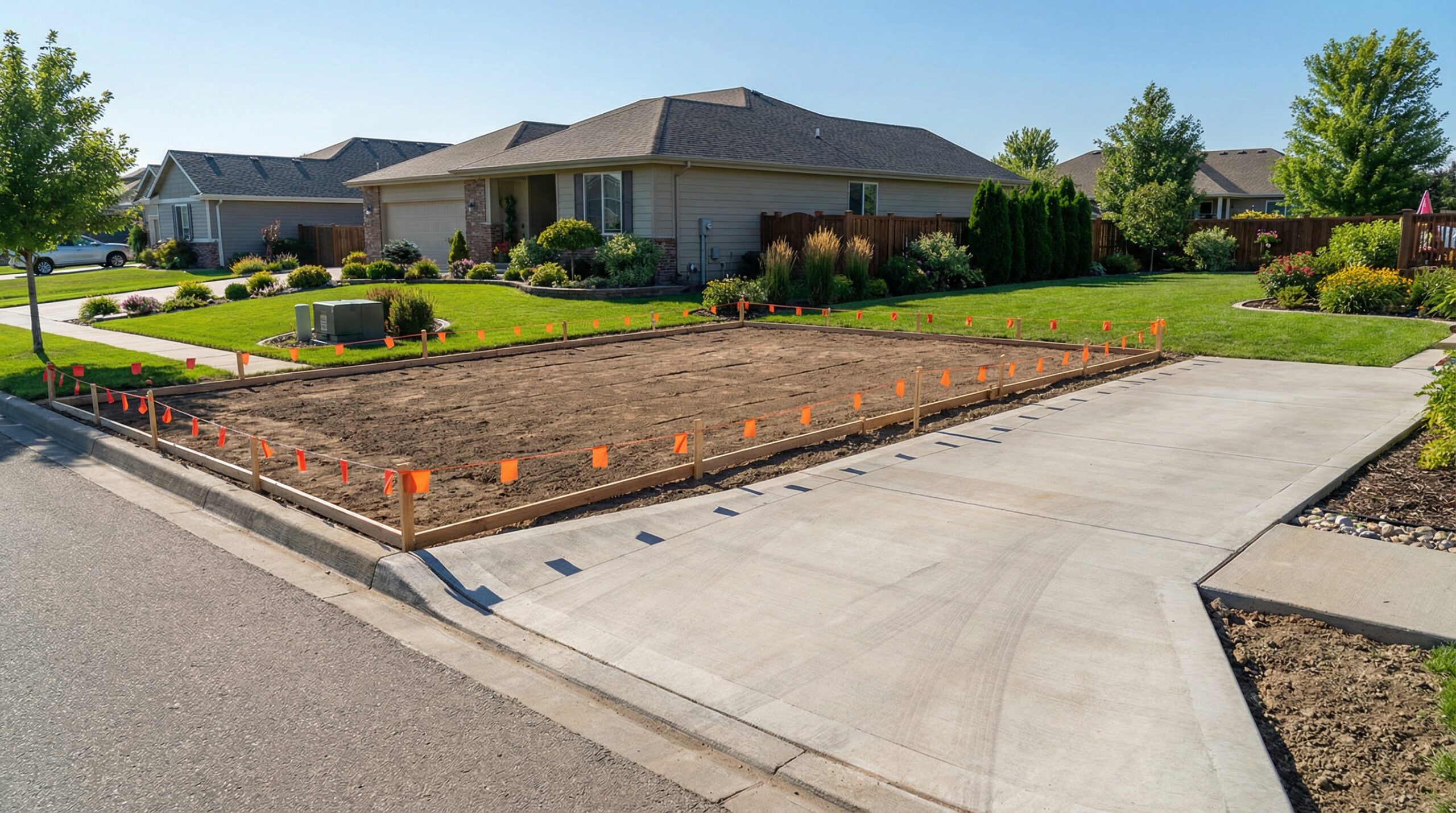
Mark your preferred sand placement location clearly. Use spray paint, flags, or cones to indicate exactly where you want the sand dumped. This prevents miscommunication and saves you from moving heavy materials unnecessarily.
Contact utility companies to mark underground lines if you’re unsure about their locations. Most areas offer free utility marking services that prevent costly accidents during delivery or subsequent excavation work.
Getting sand delivered to your house becomes straightforward when you understand the process and prepare properly. By choosing the right sand type, accurately estimating quantities, selecting reliable providers, and preparing your site, you ensure a hassle-free experience that keeps your project on track and within budget. For those comparing materials, exploring sand vs. gravel can provide additional insights for your landscaping decisions. Remember that investing time in planning and preparation pays off with smoother delivery and better project outcomes.


