Limestone Garden Paths: Benefits, Costs, and Installation Guide
Get an estimate for your project in 60 seconds
 Your information is secure
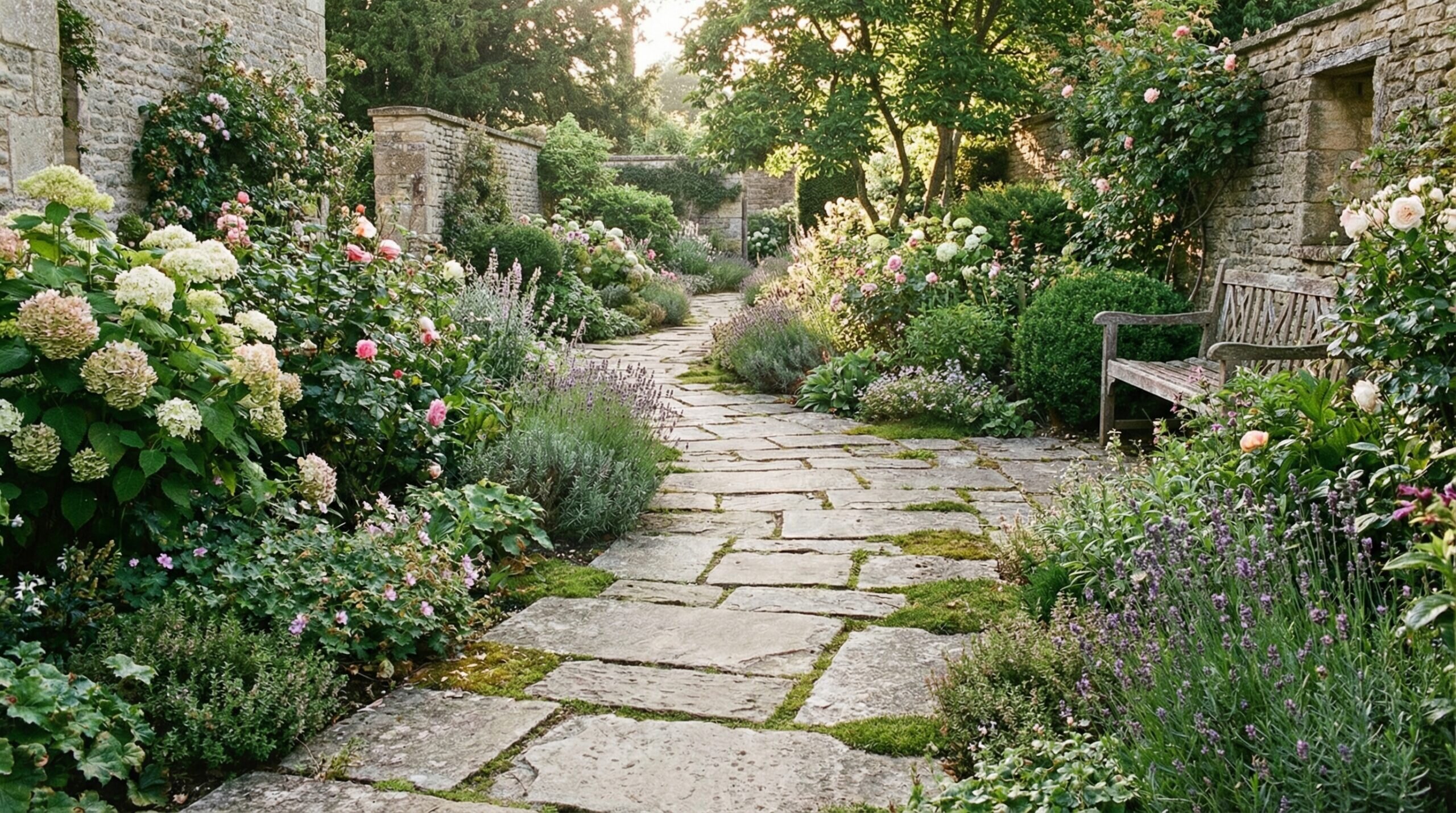
Limestone is one of the most durable and attractive materials you can choose for garden paths. This natural stone handles heavy foot traffic beautifully, drains well after rain, and blends seamlessly with most garden styles. Whether you’re planning a formal walkway or a casual meandering path, limestone offers the perfect balance of practicality and natural beauty.
Quick Answer: Yes, limestone makes an excellent choice for garden paths due to its durability, non-slip surface, excellent drainage properties, and low maintenance requirements.
This guide covers everything you need to know about using limestone for your garden paths, from understanding the different types available to step-by-step installation instructions. We’ll also explore costs, compare limestone to other materials, and show you how Hello Gravel can help bring your vision to life.
What makes limestone perfect for garden paths
Limestone is a sedimentary rock formed from compressed marine organisms over millions of years. What makes it special for garden paths is its unique combination of hardness and porosity. The stone is dense enough to withstand constant foot traffic yet porous enough to allow water to drain through rather than pooling on the surface.
The natural texture of limestone provides excellent grip, making it safer than smooth materials like concrete or polished stone. You’ll find limestone comes in various colors, from classic cream and white to warmer browns and grays, so you can easily match your existing landscape design.
Unlike synthetic materials, limestone actually improves with age. Weather exposure creates a natural patina that enhances its appearance while maintaining structural integrity. This means your path will look better over time, not worse.
Pros and cons you should consider
The advantages are compelling. Limestone paths can last decades with minimal maintenance. The material naturally resists erosion and settling, which means fewer repairs and touch-ups compared to softer materials like bark or basic gravel. The non-slip surface remains safe even when wet, making it ideal for families with children or elderly members.
From an aesthetic standpoint, limestone complements both formal and informal garden designs. The neutral tones work well with colorful plantings without competing for attention. Plus, the material helps with drainage issues, reducing muddy areas and preventing water damage to nearby plants. If you’re also considering limestone for raised garden beds, you’ll appreciate its versatility across different landscaping applications.
However, there are some considerations. The upfront cost is higher than basic gravel or bark mulch. Installation requires more preparation work, including proper excavation and base materials. In areas with frequent freeze-thaw cycles, you’ll need to ensure proper drainage to prevent cracking.
Cost Reality Check: While limestone costs more initially, its 20+ year lifespan and minimal maintenance requirements often make it more economical than cheaper alternatives that need frequent replacement.

Types of limestone products for your path
Limestone gravel works perfectly for informal, curved paths. The crushed stone compacts well while still allowing drainage. Common sizes range from 3/8 inch to 3/4 inch, with smaller sizes creating a finer, more formal appearance.
Limestone screenings provide an even finer texture, almost like packed sand. This option works well for paths where you want a very smooth walking surface or need to accommodate wheelchairs or strollers.
Limestone pavers and slabs offer the most formal look. These cut stones create clean lines and work beautifully for main walkways or paths connecting to patios and driveways.
Hello Gravel offers several limestone options perfect for garden paths. Our crushed limestone comes in multiple sizes, while our limestone screenings provide that smooth, packed surface many homeowners prefer for high-traffic areas.
Installation costs and long-term value
A typical limestone garden path costs between $3 to $8 per square foot for materials, depending on the type and thickness you choose. Labor adds another $2 to $5 per square foot if you hire professionals. While this exceeds the cost of bark mulch or basic gravel, the long-term value is exceptional.
| Material | Initial Cost | Lifespan | Maintenance |
|---|---|---|---|
| Limestone | $5-13/sq ft | 20+ years | Very low |
| Bark mulch | $2-4/sq ft | 2-3 years | High |
| Concrete | $6-12/sq ft | 15-20 years | Medium |
| Basic gravel | $3-6/sq ft | 5-10 years | Medium |
The key advantage becomes clear when you calculate lifecycle costs. A limestone path might cost twice as much initially but lasts four times longer than bark mulch with virtually no maintenance. Over a 20-year period, limestone often proves the most economical choice. For those interested in other limestone applications, consider exploring limestone for patio base projects or limestone for fire pit areas.
Money-Saving Tip: Installing limestone paths during dry weather reduces labor costs and ensures proper compaction of base materials.
Step-by-step installation guide
Planning comes first. Mark your path route with spray paint or stakes, considering natural drainage patterns and existing landscape features. Plan for a slight slope away from buildings to prevent water issues.
Excavation and base preparation requires digging 6 to 8 inches deep for foot traffic paths. Remove all vegetation and organic matter. Install landscape fabric if weeds are a concern in your area.
The base layer should be 4 inches of compacted crushed stone or gravel. This provides stability and drainage. Use a plate compactor for best results, working in 2-inch lifts. If you’re working on multiple projects, you might also want to learn about using limestone as a sub-base for deck projects or limestone for shed foundations.
Installing the limestone involves spreading your chosen material 2 to 3 inches thick over the compacted base. Rake level, then compact again. For limestone gravel, mist lightly while compacting to help binding.
Edging and finishing keeps everything in place. Install metal, plastic, or stone edging along path borders. Fill any low spots and give the entire path a final light compaction. For decorative borders, you might also consider limestone for edging flower beds.

The beauty of limestone garden paths lies in their ability to enhance your outdoor space while requiring minimal ongoing care. With proper installation, your limestone path will provide decades of reliable service while adding lasting value to your property. Ready to start your project? Hello Gravel makes it easy with quality limestone products delivered directly to your location, plus expert guidance to ensure your path turns out exactly as envisioned.


 Chance Kittrell