Polymeric Sand vs Mulch for Landscaping: Which Should You Choose in 2026
Get an estimate for your project in 60 seconds
 Your information is secure

Tired of constantly replacing mulch that washes away or dealing with weeds popping up between your pavers? You’re not alone in wondering whether polymeric sand could solve these landscaping headaches.
Quick answer: Polymeric sand can replace mulch in hardscape areas like between pavers and stepping stones, but it’s not suitable for planting beds where soil health matters. The key is understanding where each material works best in your landscape design.
In this guide, you’ll discover when polymeric sand makes sense as a mulch alternative, where it doesn’t, and how to make the right choice for different areas of your outdoor space. We’ll also walk through costs, installation tips, and help you decide which material fits your specific landscaping goals.
Pro tip: Polymeric sand excels at weed control between pavers but won’t improve soil health like organic mulch does around plants.
What is polymeric sand and how does it work
Polymeric sand is a specialized mixture of fine sand and polymer binders that hardens when activated with water. Unlike regular sand that washes away easily, this material creates a semi-rigid joint that locks pavers in place while resisting erosion.
The magic happens when you add water. The polymers activate and bind the sand particles together, forming a flexible yet stable surface that can handle foot traffic and weather changes. This makes it particularly effective at preventing weeds and insects from tunneling through paver joints.
You’ll find polymeric sand in various colors like tan, gray, and brown, allowing you to match or complement your hardscape design. The result is a clean, uniform appearance that maintains its look longer than loose materials.

When polymeric sand works as a mulch alternative
Polymeric sand shines in specific landscaping situations where traditional mulch falls short. It’s particularly valuable in hardscape areas where you want a permanent, low-maintenance solution.
Between pavers and stepping stones, polymeric sand creates the crisp, finished look that many homeowners desire. Unlike mulch that can shift and scatter, this material stays put once properly installed. You’ll appreciate this stability in high-traffic walkways and patios, making it an excellent choice for driveway paving projects.
Modern, minimalist landscape designs often benefit from polymeric sand’s clean appearance. If you’re creating a contemporary outdoor space with geometric lines and structured plantings, this material supports that aesthetic better than organic mulch. Consider using it for garden path projects where you want a polished, permanent finish.
Areas prone to heavy rain or irrigation spray also favor polymeric sand. While mulch can wash away during storms, properly installed polymeric sand resists erosion and maintains its position, similar to how it performs in parking area applications.
Important note: Polymeric sand works best in non-planting areas where soil improvement isn’t a priority.
Where mulch remains the better choice
Despite its benefits, polymeric sand has clear limitations that make mulch the superior choice in many situations. Understanding these boundaries helps you make smarter material decisions.
Planting beds with shrubs, perennials, and trees need organic mulch for soil health. Mulch breaks down over time, adding nutrients and improving soil structure. Polymeric sand provides none of these benefits and can actually hinder plant growth by creating an impermeable barrier. For raised garden bed projects, organic mulch is almost always the better option.
Large areas also favor mulch from a cost perspective. While polymeric sand might make sense for a small patio, covering extensive garden beds becomes expensive quickly. Organic mulch offers better value for broad coverage, especially when you’re working on landscaping mulch alternative projects across larger spaces.
Tree root zones particularly benefit from mulch’s moisture retention and soil protection. The organic matter helps maintain proper soil conditions that trees need for healthy growth.
| Factor | Mulch | Polymeric Sand |
|---|---|---|
| Soil health | Improves over time | No benefit |
| Moisture retention | Excellent | Poor |
| Weed control | Good | Excellent |
| Cost for large areas | Lower | Higher |
| Best use | Planting beds | Hardscape joints |
Installation and cost considerations
Installing polymeric sand requires more precision than spreading mulch, but the process is straightforward when you follow proper steps. Start by ensuring your base is properly prepared with clean, dry joints between pavers.
Sweep the sand into joints completely, then compact lightly to settle the material. Remove all excess sand from paver surfaces before adding water, as leftover material can create permanent staining. Use a fine mist to activate the polymers, avoiding strong water streams that can wash out the sand. This technique is similar to what’s required for patio base projects.
Cost-wise, expect to pay more upfront for polymeric sand compared to basic mulch. However, the reduced maintenance and longer lifespan can offset this initial investment in appropriate applications. For small hardscape areas, the convenience often justifies the extra expense.
Maintenance involves annual inspection for cracks or washout, with spot repairs as needed. This is typically less work than refreshing mulch beds multiple times per year.

Money-saving tip: Calculate costs over 3-5 years rather than just initial purchase price to get the true comparison between materials.
Making the right choice for your landscape
The decision between polymeric sand and mulch comes down to matching materials to their intended purpose. Use this simple framework to guide your choices.
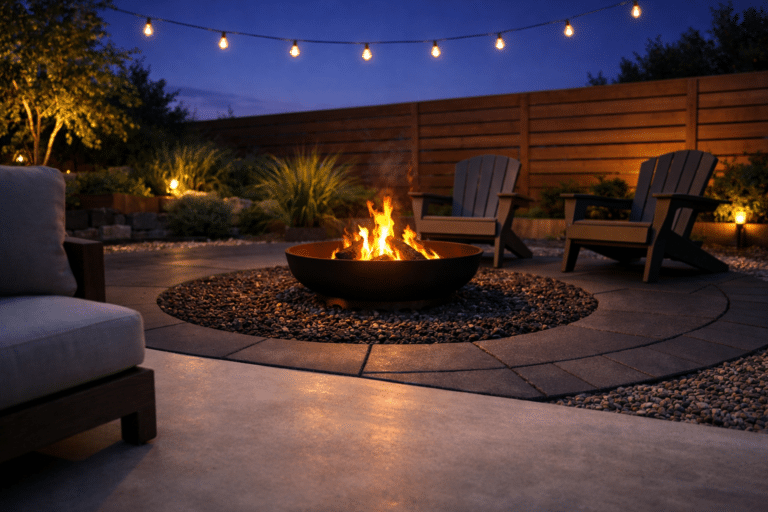
Choose polymeric sand for hardscape areas where stability and weed control are priorities. This includes paver joints, stepping stone gaps, and decorative stone borders where you want a permanent, low-maintenance solution. It’s particularly effective for fire pit area projects where you need stable, weed-free surfaces around high-use features.
Select mulch for any area with plants where soil health matters. This covers flower beds, around trees and shrubs, and vegetable gardens where organic matter benefits plant growth. When planning edging for flower bed projects, consider how each material will interact with your plants’ needs.
Consider your long-term maintenance preferences too. If you enjoy refreshing garden beds and don’t mind annual mulch replacement, organic materials might suit your gardening style. If you prefer set-it-and-forget-it solutions for hardscape areas, polymeric sand delivers that convenience.
Budget also plays a role in material selection. For extensive coverage, mulch remains more economical. For smaller, high-impact areas where appearance and durability matter most, polymeric sand often provides better value despite higher upfront costs.
Both materials have their place in well-designed landscapes. The key is using each where it performs best, creating outdoor spaces that are both beautiful and practical for your specific needs and maintenance preferences.
Ready to source quality materials for your landscaping project? Hello Gravel offers both polymeric sand and various mulch options with convenient delivery to your location. Our team can help you calculate quantities and choose the right materials for your specific applications.

 Chance Kittrell