Rip Rap Stone Cost Per Ton Guide
Get an estimate for your project in 60 seconds
 Your information is secure
Planning an erosion control project and wondering about rip rap stone costs? You’re looking at an average of $30 to $100 per ton for the material alone, with granite typically running $50-$100 per ton and limestone ranging from $35-$60 per ton. However, when you factor in delivery and installation, your total project cost can easily reach $80-$300 per ton depending on your location and project requirements.
Quick fact: A typical residential shoreline project requires 10-20 tons of rip rap, making material costs alone range from $400 to $2,000 before delivery and installation.
Understanding these costs upfront helps you budget effectively and avoid surprises during your project. The price you’ll pay depends on several key factors including stone type, size, quality, and your location relative to suppliers.
What is rip rap stone and why do you need it
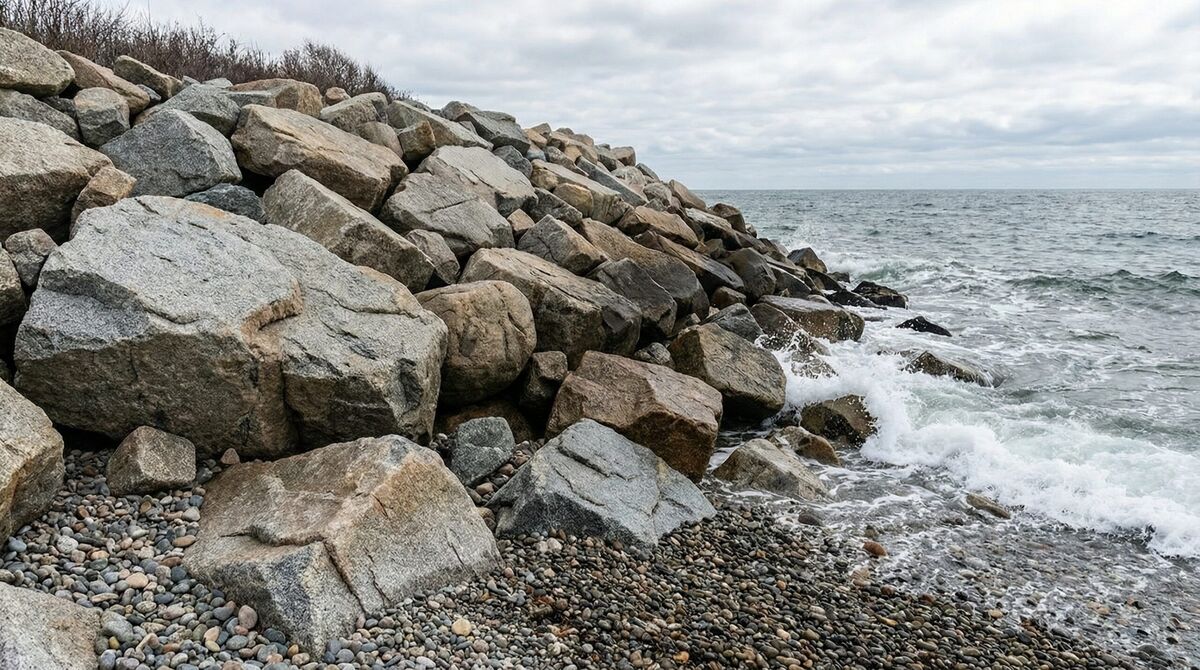
Rip rap stone consists of large, angular rocks specifically selected for erosion control and slope stabilization. These aren’t your typical landscaping stones. They’re substantial pieces, usually ranging from 4 inches to over 2 feet in diameter, designed to withstand the force of moving water.
You’ll find rip rap protecting shorelines from wave action, lining drainage channels to prevent soil erosion, and stabilizing slopes that might otherwise wash away during heavy rains. The angular shape of these stones allows them to interlock naturally, creating a stable barrier that dissipates water energy rather than letting it tear away at the underlying soil.
Common applications include riverbank protection, coastal erosion control, bridge abutment protection, and even decorative landscaping features like dry creek beds. The key is choosing the right size and type for your specific situation.
Rip rap cost breakdown by stone type and size
Different types of rip rap stone come with varying price points based on their durability, availability, and aesthetic appeal. Here’s what you can expect to pay per ton for different materials:
| Stone Type | Price Range (per ton) | Best Uses |
|---|---|---|
| Limestone | $35-$60 | General erosion control, landscaping |
| Granite | $50-$100 | High-energy environments, coastal areas |
| Trap Rock | $40-$75 | Riverbanks, moderate erosion control |
| Concrete (recycled) | $25-$45 | Budget projects, temporary solutions |
Stone size significantly impacts pricing as well. Smaller stones (3-6 inches) typically cost less per ton but may require more material for adequate coverage. Larger stones (12+ inches) cost more per ton but provide superior protection in high-energy environments.

The coverage you get per ton also varies by size. Smaller rip rap covers approximately 80-100 square feet per ton at a 6-inch depth, while larger stones might only cover 40-60 square feet per ton at the same depth.
Key factors that drive rip rap pricing
Several factors beyond stone type influence your final costs. Understanding these helps you make informed decisions and potentially save money on your project.
Location and transportation costs play a huge role in pricing. If you’re located far from quarries or suppliers, delivery charges can add $50-$200 per ton to your costs. Coastal areas often pay premium prices due to higher demand and limited local sources. Similar to understanding gravel delivery prices, rip rap transportation significantly impacts your total project budget.
Project accessibility affects both delivery and installation costs. Easy-access sites with good truck access keep costs down, while remote or difficult-to-reach locations require specialized equipment and increase labor expenses.
Money-saving tip: Ordering during off-peak seasons or coordinating with neighbors for bulk deliveries can reduce per-ton costs by 10-20%.
Quality specifications also impact pricing. Higher-grade stones with consistent sizing and minimal fractures cost more upfront but provide better long-term performance. For critical applications like coastal protection, investing in premium materials often proves more economical over time.
Regional availability matters too. Areas with local quarries enjoy lower prices, while regions requiring long-distance shipping see significant cost increases. Learning about rock quarry prices can help you understand the source of these regional variations.
Installation costs and coverage calculations
Beyond material costs, you need to budget for installation, which can equal or exceed your stone costs depending on project complexity. Professional installation typically runs $50-$150 per hour per worker, with most projects requiring specialized equipment.
For DIY projects, you’ll need to calculate coverage accurately. A general rule is that one ton of medium-sized rip rap (6-12 inches) covers approximately 60-80 square feet at a 12-inch depth. However, this varies based on stone size and placement method.

Installation considerations include site preparation, proper grading, and potential underlayment installation. Many projects require geotextile fabric beneath the stone, adding $0.50-$2.00 per square foot to costs.
The placement method also affects expenses. Random placement costs less but may not provide optimal protection, while hand-placed installation offers superior performance at higher labor costs.
Planning insight: Most residential erosion control projects require 1.5-2 tons of rip rap per linear foot of shoreline protection, depending on the desired width and depth of coverage.
For accurate estimates, measure your project area carefully and consult with suppliers about coverage rates for your specific stone choice. Many suppliers offer free estimates and can help optimize your material selection for both performance and budget. If you’re comparing options, reviewing quarry stone prices alongside rip rap costs can provide valuable context for your decision.
When planning your rip rap project, remember that while initial costs might seem substantial, quality installation provides decades of protection with minimal maintenance. The investment in proper erosion control often prevents much more expensive repairs down the road, making rip rap a cost-effective long-term solution for protecting your property. Whether you’re ordering bulk stone or comparing aggregate costs, understanding the full scope of pricing helps ensure your project stays on budget while delivering lasting results.