Sand and Gravel Prices 2026 Complete Cost Guide for Construction Projects
Get an estimate for your project in 60 seconds
 Your information is secure
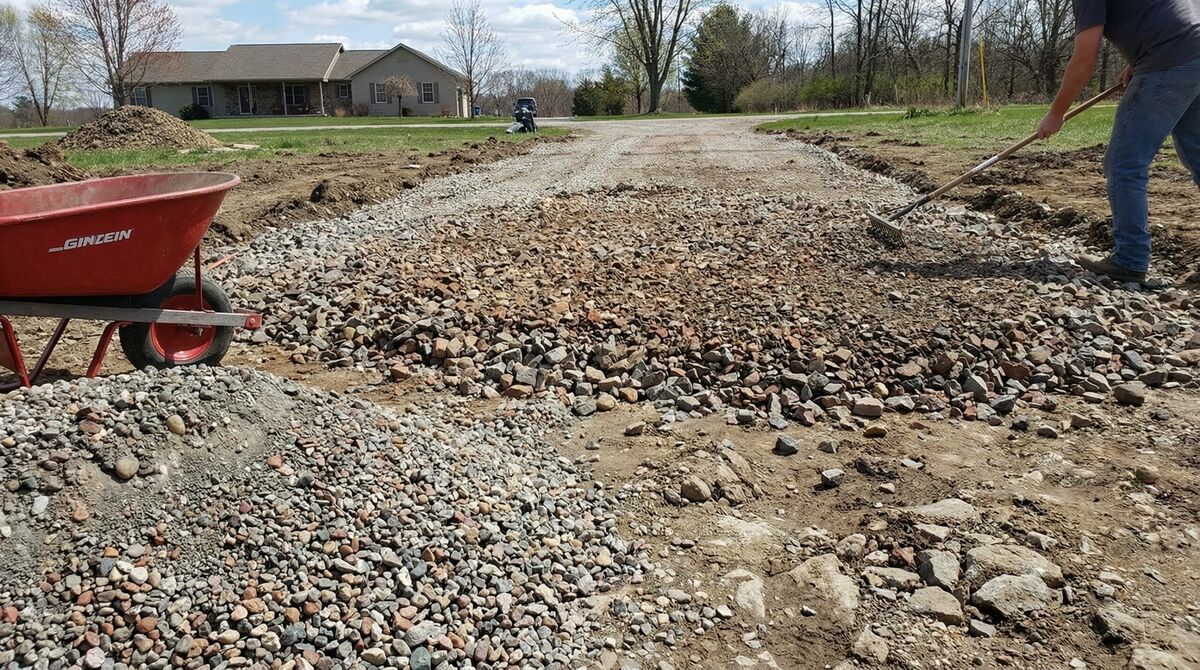
Understanding sand and gravel prices is crucial when planning any construction or landscaping project. Whether you’re building a driveway, laying a foundation, or working on a major infrastructure project, these materials form the backbone of most construction activities. Current sand prices typically range from $15 to $50 per ton, while gravel costs between $30 and $75 per ton, depending on type, quality, and location.
Quick Fact: Sand and gravel account for approximately 60-70% of all aggregates used in construction, making them the most consumed natural resources after water.
This guide walks you through everything you need to know about sand and gravel pricing, from understanding what drives costs to choosing the right materials for your specific needs.
What are sand and gravel and why do prices vary
Sand consists of fine rock particles, primarily silica, formed through natural weathering and erosion processes. You’ll find it in riverbeds, beaches, and quarries, with particle sizes typically ranging from 0.1 to 2 millimeters. Gravel contains larger rock fragments, usually between 2 and 64 millimeters, created through similar natural processes but starting with bigger source materials.
The construction industry relies heavily on these materials for concrete production, road building, and foundation work. Sand improves concrete workability and strength, while gravel provides structural stability and drainage capabilities. Without these materials, modern construction would face significant challenges.

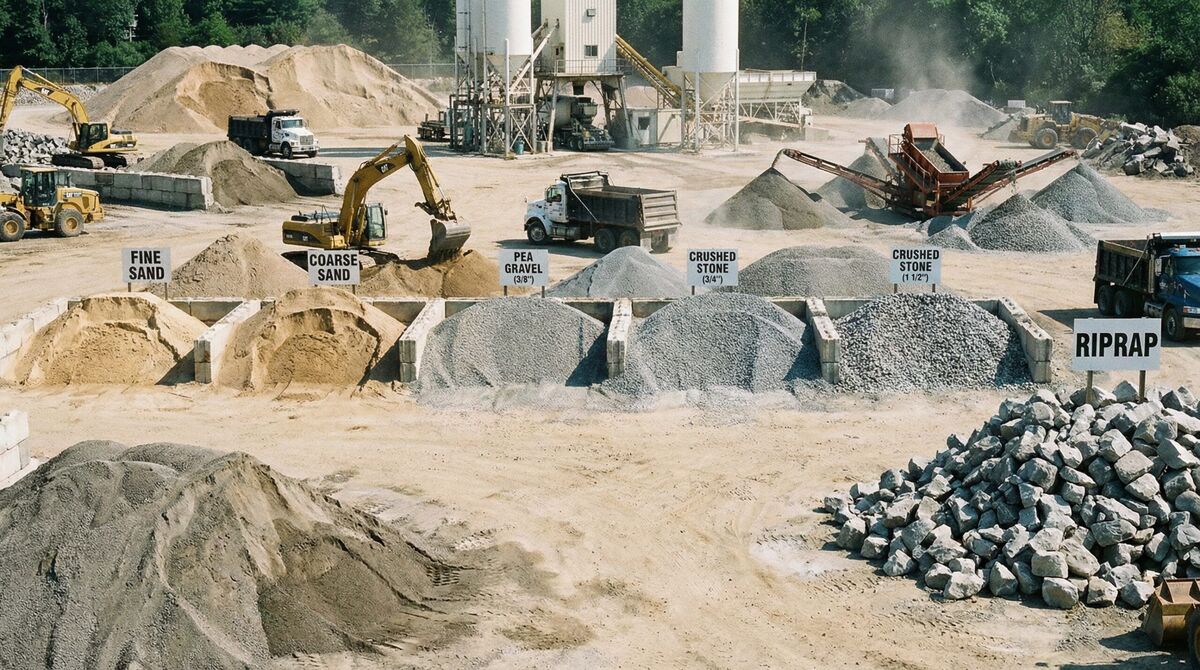
Price variations occur because sand and gravel aren’t standardized commodities. Different types serve different purposes, and availability varies dramatically by region. River sand commands higher prices than manufactured sand, while specialized gravels for drainage or decorative purposes cost more than basic construction gravel.
Key factors that influence sand and gravel costs
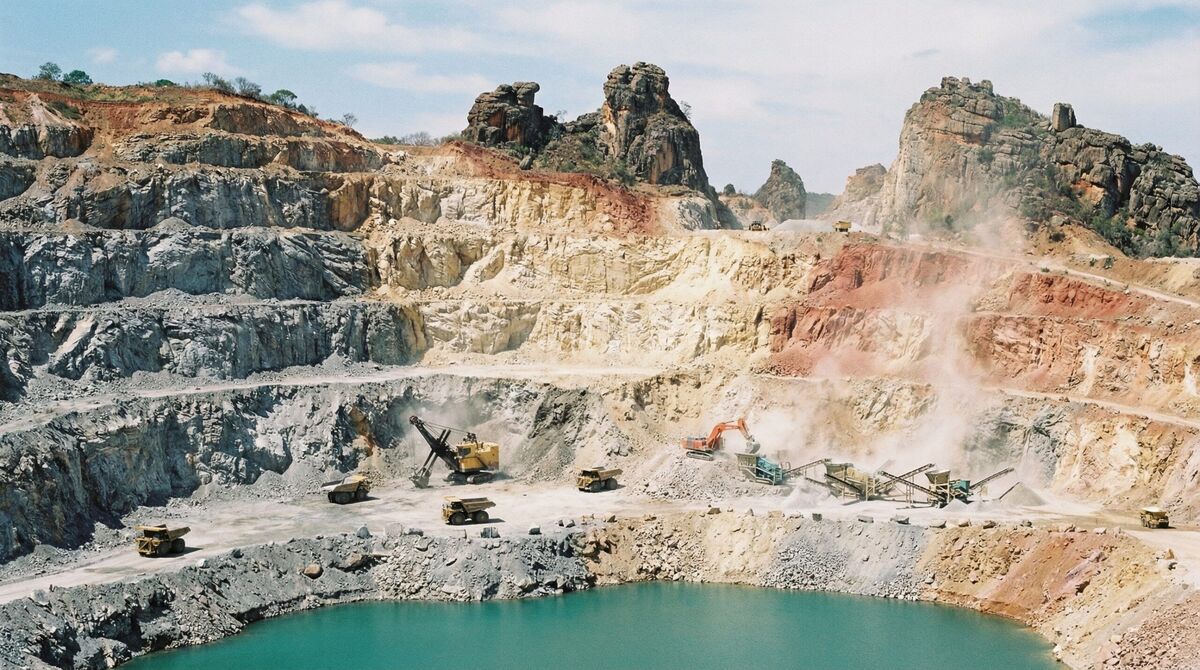
Extraction and production expenses form the foundation of pricing. Quarry operations require significant investments in heavy machinery, skilled labor, and environmental permits. Dredging sand from riverbeds involves specialized equipment and strict environmental compliance, while beach extraction faces even more regulatory hurdles. These operational costs directly impact your final price.
Transportation represents another major cost component. The distance between extraction sites and your project location significantly affects pricing. Trucking remains the most common delivery method for short distances, but longer hauls may require rail or barge transport. Current fuel prices also influence transportation costs, which suppliers typically pass on to customers. Understanding gravel delivery prices can help you budget more accurately for your project.
Cost Tip: Sourcing materials within 50 miles of your project can reduce transportation costs by 20-40% compared to distant suppliers.
Market dynamics play a crucial role in pricing fluctuations. High construction activity in your area increases demand, potentially driving up prices. Seasonal factors also matter – spring and summer typically see higher demand and prices due to increased construction activity. Supply constraints, whether from environmental regulations or equipment issues, can create temporary price spikes.Quality specifications affect costs significantly. Clean, well-graded sand for concrete production commands premium prices compared to fill sand. Similarly, angular crushed gravel costs more than rounded river gravel due to processing requirements. Understanding your project’s quality needs helps you avoid overpaying for unnecessary specifications.
Different pricing models you’ll encounter
Per-ton pricing remains the most straightforward model. Suppliers quote a fixed price per ton, making it easy to calculate costs once you know your material requirements. This model works well for smaller projects where you can accurately estimate quantities. Expect to see variations based on material type, with concrete sand typically costing $25-40 per ton and construction gravel ranging from $30-50 per ton.
Bulk pricing offers advantages for larger projects requiring significant quantities. Suppliers often provide discounts for orders exceeding certain thresholds, typically 10-20 tons or more. This pricing structure can reduce costs by 10-25% compared to per-ton rates, making it attractive for major construction projects or multiple smaller jobs. Learn more about the cost of bulk gravel to maximize your savings.
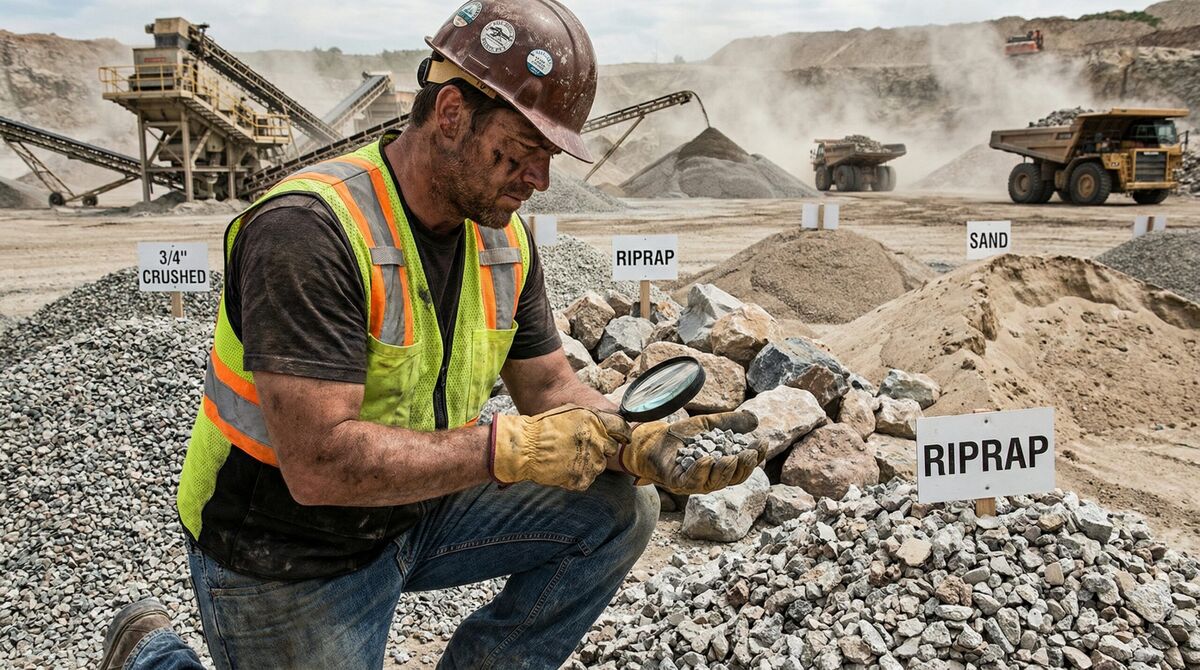
Quality-based pricing reflects the reality that not all sand and gravel are created equal. Premium materials with specific gradations, low impurity levels, or specialized properties command higher prices. For example, mason sand for mortar applications costs more than general fill sand, while decorative river rock gravel significantly exceeds basic crushed stone prices.
Current market trends affecting prices
Environmental regulations increasingly impact sand and gravel pricing across the industry. Stricter extraction permits, habitat protection requirements, and restoration obligations add costs that suppliers pass on to customers. These regulations, while necessary for environmental protection, can increase material costs by 15-30% in heavily regulated areas.
Urbanization and infrastructure development create sustained demand pressure. Growing cities require massive quantities of sand and gravel for new construction, road building, and utility installations. This demand often outpaces local supply capacity, forcing suppliers to source materials from more distant locations and increasing costs.
Market Insight: Infrastructure spending initiatives can increase local sand and gravel demand by 25-50%, temporarily inflating prices until supply chains adjust.
Technology improvements offer some cost relief through more efficient extraction and processing methods. Advanced screening equipment, GPS-guided machinery, and optimized logistics help suppliers reduce operational costs. However, these savings take time to reach consumers and may be offset by other cost pressures.
Supply chain disruptions, whether from weather events, equipment failures, or regulatory changes, create price volatility. Smart project planning includes contingency budgets of 10-15% to account for potential price fluctuations during construction timelines.
Planning your sand and gravel budget effectively
Start by accurately calculating your material requirements. Measure your project area and determine the depth of material needed. Online calculators can help convert these measurements to tons, but consider consulting with suppliers for complex projects. Overestimating by 10-15% accounts for compaction and waste.
Compare quotes from multiple suppliers, but look beyond just price. Consider delivery schedules, material quality, and supplier reliability. The cheapest option isn’t always the best value if it causes project delays or quality issues. Ask about bulk discounts, delivery fees, and payment terms that might affect your total costs. If you’re ordering in bulk, check out how much a dump truck load of gravel costs to understand typical delivery quantities.Timing your purchase strategically can yield savings. Off-season purchasing, typically late fall through early spring, often provides better pricing due to reduced demand. However, balance potential savings against storage costs and weather-related delivery challenges. For larger quantities, you might want to explore the cost of a truckload of gravel to determine the most economical ordering approach.
Understanding sand and gravel pricing helps you make informed decisions for your construction projects. By considering extraction costs, transportation factors, market conditions, and quality requirements, you can budget effectively and choose the right materials for your specific needs. Remember that the cheapest option isn’t always the best value when you factor in quality, reliability, and project timeline requirements.