Decorative Gravel Ideas for Your Landscape Design in 2026

Get an estimate for your project in 60 seconds
 Your information is secure

Transform your outdoor space with decorative gravel ideas that combine natural beauty with practical functionality. Whether you’re planning pathways, garden borders, or water features, decorative gravel offers an affordable solution that enhances any landscape design while requiring minimal maintenance.
Decorative gravel consists of crushed stone pieces ranging from 3/8 inch to 3/4 inch, available in colors from earth tones like beige and brown to vibrant shades like red and blue. This versatile material provides excellent drainage, prevents weed growth, and creates stunning visual interest in your yard.
Pro tip: Decorative gravel typically costs between $30-50 per ton and can last decades with proper installation, making it one of the most cost-effective landscaping materials available.
Popular types of decorative gravel for landscaping
Understanding different gravel types helps you select the perfect material for your specific landscaping needs and design vision.
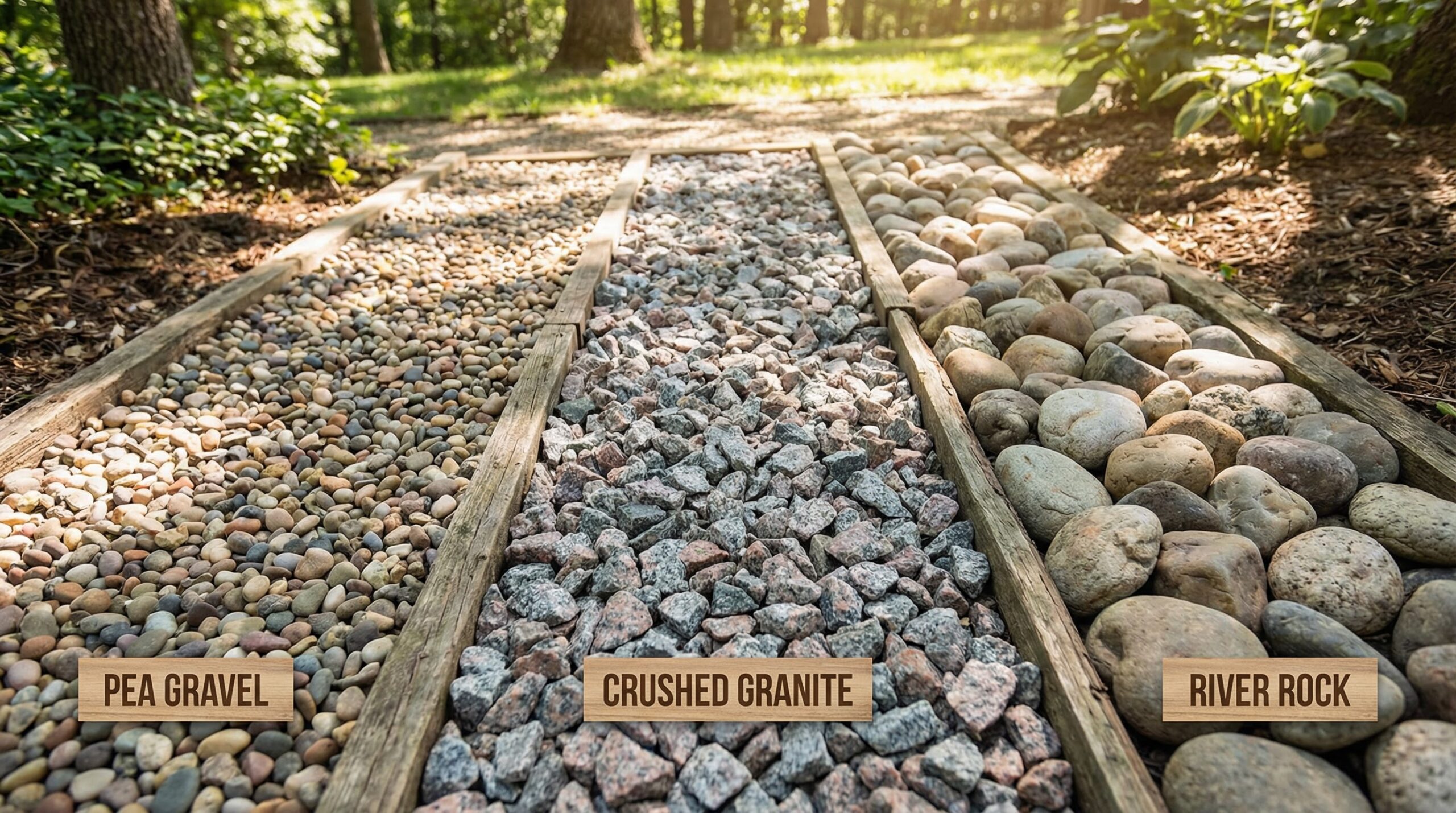
Pea gravel features smooth, rounded stones about 3/8 inch in diameter. This comfortable walking surface works perfectly for garden pathways and play areas. The natural tumbling process creates stones that won’t hurt bare feet, making pea gravel ideal for family-friendly spaces.
Crushed granite gravel offers angular pieces that lock together, creating stable surfaces for driveways and high-traffic areas. The rough texture provides excellent traction and helps control erosion on sloped areas. Crushed granite compacts well under pressure, making it perfect for areas that need structural stability.
River rock consists of naturally smooth stones ranging from small pebbles to larger rocks. These water-worn stones create beautiful natural borders and work exceptionally well in water features. Understanding river rock stone sizes helps you choose the right dimensions for your specific project needs. The smooth surface reflects light beautifully, adding visual depth to your landscape design.
Creative decorative gravel ideas for outdoor spaces
Decorative gravel opens up endless possibilities for enhancing your landscape with both functional and aesthetic elements.
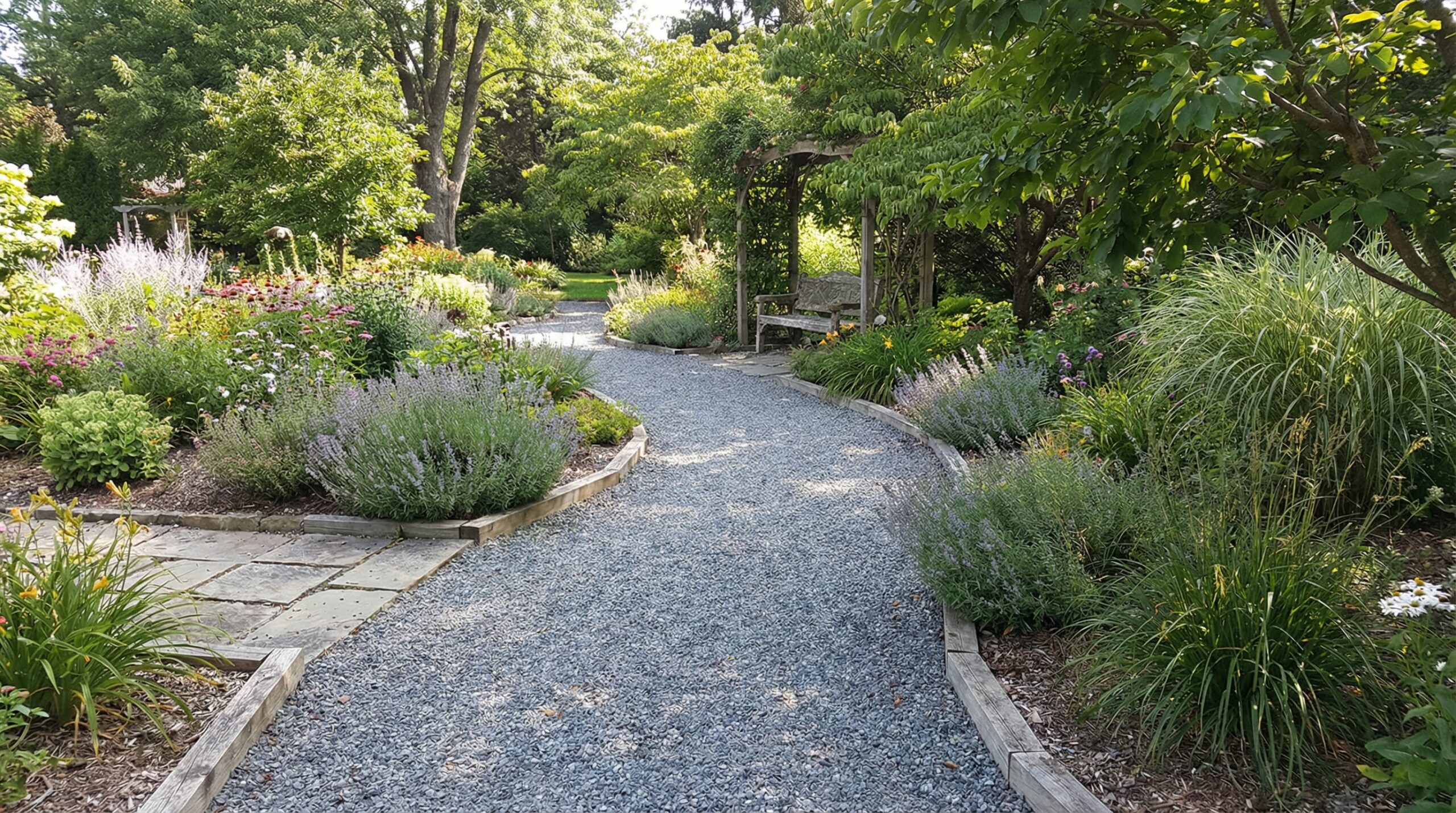
Pathway designs using decorative gravel create inviting routes through your garden. Consider mixing different gravel sizes or colors to create patterns or borders. Install edging materials like steel or stone to keep gravel contained and maintain clean lines. A 2-3 inch depth provides comfortable walking while preventing weeds. For detailed planning, learn how much river rock you need for a walkway to ensure proper coverage.
Garden bed applications transform ordinary flower beds into polished landscape features. Use gravel as mulch around plants to retain moisture and suppress weeds. The neutral colors complement plant foliage while the texture adds visual interest. Gravel mulch doesn’t decompose like organic materials, providing long-lasting coverage. Many homeowners are discovering the benefits of using river gravel for landscaping as a sustainable alternative to traditional mulch.
Water feature enhancements benefit greatly from decorative gravel placement. Line pond edges with river rock to create natural transitions between water and land. Use smaller pea gravel in fountain bases for attractive water circulation. The sound of water flowing over gravel adds soothing ambiance to your outdoor space.
Design insight: Mixing gravel sizes creates natural-looking landscapes. Use larger stones as focal points and smaller gravel as filler material for the most authentic appearance.
Choosing the right gravel for your project
Selecting appropriate gravel involves considering several practical factors that affect both appearance and performance.
Size considerations impact both aesthetics and functionality. Smaller gravel like pea gravel works best for comfortable walking surfaces and detailed designs. Medium-sized crushed granite provides stability for driveways while remaining visually appealing. Larger river rocks create dramatic focal points but may be uncomfortable for walking. Explore comprehensive landscape stone sizes to make informed decisions for your project.
Color selection should complement your existing landscape elements. Earth tones blend naturally with most plant palettes and architectural styles. Neutral grays and beiges provide timeless appeal that won’t clash with seasonal changes. Bold colors like red or blue create striking accents but should be used sparingly to avoid overwhelming the design.
| Gravel Type | Size Range | Best Uses | Maintenance Level |
|---|---|---|---|
| Pea Gravel | 3/8 inch | Pathways, play areas | Low |
| Crushed Granite | 1/4 – 3/4 inch | Driveways, slopes | Very Low |
| River Rock | 1/2 – 3 inches | Water features, borders | Low |
Climate factors also influence gravel selection. Areas with heavy rainfall benefit from gravel’s excellent drainage properties. Hot climates appreciate gravel’s ability to reflect heat rather than absorb it like asphalt. Cold regions value gravel’s resistance to freeze-thaw cycles that can damage other materials.
Installation tips for long-lasting results
Proper installation ensures your decorative gravel projects remain beautiful and functional for years to come.
Site preparation forms the foundation of successful gravel installation. Remove existing vegetation and level the area to prevent uneven settling. Install landscape fabric or weed barrier to prevent future weed growth while allowing water drainage. Proper preparation saves significant maintenance time later.
Depth and edging requirements vary by application but generally range from 2-4 inches deep. Pathways need 2-3 inches for comfort and stability. Driveways require 3-4 inches to handle vehicle weight. Install sturdy edging materials to contain gravel and maintain clean borders over time. If you’re considering using river rock for edging a flower bed project, proper installation techniques ensure long-lasting results.
Installation tip: Compact the base layer lightly before adding the final gravel layer. This creates a stable foundation while maintaining the decorative appearance of the top surface.
Maintenance practices keep gravel looking fresh with minimal effort. Rake occasionally to redistribute settled gravel and maintain even coverage. Add fresh gravel every few years to replace any material that has migrated or settled. Remove debris like leaves promptly to prevent organic buildup that can support weed growth. For larger projects, consider purchasing decorative stones in bulk to ensure you have enough material for initial installation and future touch-ups.
Decorative gravel transforms ordinary outdoor spaces into stunning landscapes that require minimal ongoing care. By selecting appropriate gravel types and following proper installation techniques, you create beautiful, functional areas that enhance your property’s value and your enjoyment of outdoor living. The versatility of decorative gravel ensures your landscape remains attractive through changing seasons and evolving design preferences.


