Construction
Browse our articles about construction including guides, tips, and expert insights from the Hello Gravel team.
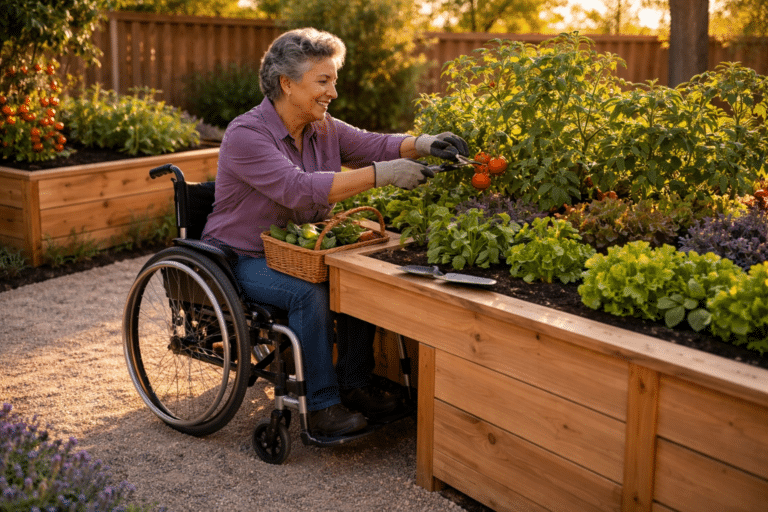
How to Create Raised Gravel Beds for Those with Limited Reach or Strength
Construction Chance Kittrell
Planning a garden that works for people with limited reach or strength requires different specifications than standard raised beds.
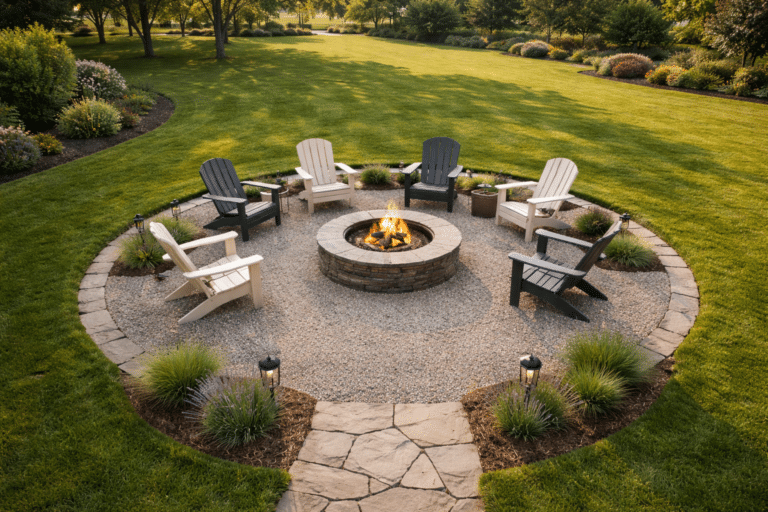
A Guide to Circular, Square, and Freeform Gravel Fire Pit Layouts
Construction
Chance Kittrell
Choosing a layout for your gravel fire pit area is the first step in creating a functional and stylish backyard feature. You can create a classic circular, modern square, or natural freeform design using pea gravel as a safe and versatile ground cover. The best layout depends on your yard’s shape and your desired aesthetic. All three concepts rely on a proper foundation of compacted base rock and secure edging for a lasting result.

Building a Safe and Stylish Fire Pit Area with Gravel
Construction
Chance Kittrell
For the ground around a fire pit, pea gravel and decomposed granite are the safest and most practical options. They are non-combustible, drain well, and require little maintenance. However, you should never use these stones inside the fire pit itself. The high heat can cause them to crack or explode. Stick to sand or fire-rated lava rock for the base of the pit.

A Practical Guide to Kid-Friendly Gravel for Yards and Play Areas
Construction
Chance Kittrell
For backyard play zones, pea gravel is the most practical choice. Its stones are smooth and rounded, it drains efficiently after rain, and it absorbs impact from falls better than most other loose-fill materials. For pathways and general yard areas, both pea gravel and small river rock provide a stable, safe, and low-maintenance surface when installed correctly.

A Planner’s Guide to Buying Gravel in Winter for Spring Savings
Construction
Chance Kittrell
Ordering gravel in the winter or late fall is one of the smartest moves you can make to prepare for spring projects. You’ll secure better pricing before seasonal demand spikes, find greater material availability, and enjoy more flexible delivery scheduling. Planning ahead ensures you save money and have your materials ready to go the moment the ground thaws.

A Guide to Do It Yourself Rock Patio
Construction
Chance Kittrell
A DIY rock patio typically costs $200 to $2,800 and takes one to three weekends to complete. Successful installation begins with accurate planning and proper material calculation.

What Are Screenings?
Construction
Chance Kittrell
If you're planning a paver installation, pathway project, or horse arena, you've likely come across the term "screenings."

How to Build a Driveway
Construction
Chance Kittrell
Building a driveway follows a sequence that ensures proper construction and durability. The steps build on each other so don't skip ahead or rush through.

Your Guide to How Stone and Boulders Are Really Measured
Construction
Chance Kittrell
When you order stone for a project, understanding how it’s measured is critical to getting what you expect. In the stone industry, materials are sized based on the smallest opening they can pass through, much like using a giant sieve. If a stone can fit through a 12-inch screen, it’s classified as a 12-inch stone, even if it measures 36 inches in another direction.

A Practical Guide To Using Crusher Run for a Project Base
Construction
Chance Kittrell
Crusher run is the industry-standard material for creating a solid, compacted base for driveways, patios, and walkways. Its unique mixture of angular crushed stone and fine dust allows it to lock together, preventing the settling, shifting, and potholes common with improper foundations.
All content is written and reviewed by Hello Gravel's team of landscaping and aggregate supply experts with years of hands-on industry experience.