Gravel and Aggregate Calculations
Browse our articles about gravel and aggregate calculations including guides, tips, and expert insights from the Hello Gravel team.

Your Guide to Storing Bulk Gravel and Mulch to Protect Your Investment
Gravel and Aggregate Calculations Chance Kittrell
Storing bulk gravel and mulch correctly is simple but essential. Gravel needs a flat, stable surface with basic containment to prevent spreading. Mulch requires shade, airflow, and a tarp underneath to slow decomposition and prevent mold. Following these steps protects your material, saves money, and ensures your project runs smoothly from start to finish.

A Practical Guide to Kid-Friendly Gravel for Yards and Play Areas
Gravel and Aggregate Calculations
Chance Kittrell
For backyard play zones, pea gravel is the most practical choice. Its stones are smooth and rounded, it drains efficiently after rain, and it absorbs impact from falls better than most other loose-fill materials. For pathways and general yard areas, both pea gravel and small river rock provide a stable, safe, and low-maintenance surface when installed correctly.

A Planner’s Guide to Buying Gravel in Winter for Spring Savings
Gravel and Aggregate Calculations
Chance Kittrell
Ordering gravel in the winter or late fall is one of the smartest moves you can make to prepare for spring projects. You’ll secure better pricing before seasonal demand spikes, find greater material availability, and enjoy more flexible delivery scheduling. Planning ahead ensures you save money and have your materials ready to go the moment the ground thaws.

Your Guide to How Stone and Boulders Are Really Measured
Gravel and Aggregate Calculations
Chance Kittrell
When you order stone for a project, understanding how it’s measured is critical to getting what you expect. In the stone industry, materials are sized based on the smallest opening they can pass through, much like using a giant sieve. If a stone can fit through a 12-inch screen, it’s classified as a 12-inch stone, even if it measures 36 inches in another direction.

Crushed Concrete Calculator: Convert Tons to Cubic Yards
Gravel and Aggregate Calculations igor
igor
Calculate how many cubic yards you need from tons of crushed concrete with our conversion guide, including density tables, formulas, and project examples.
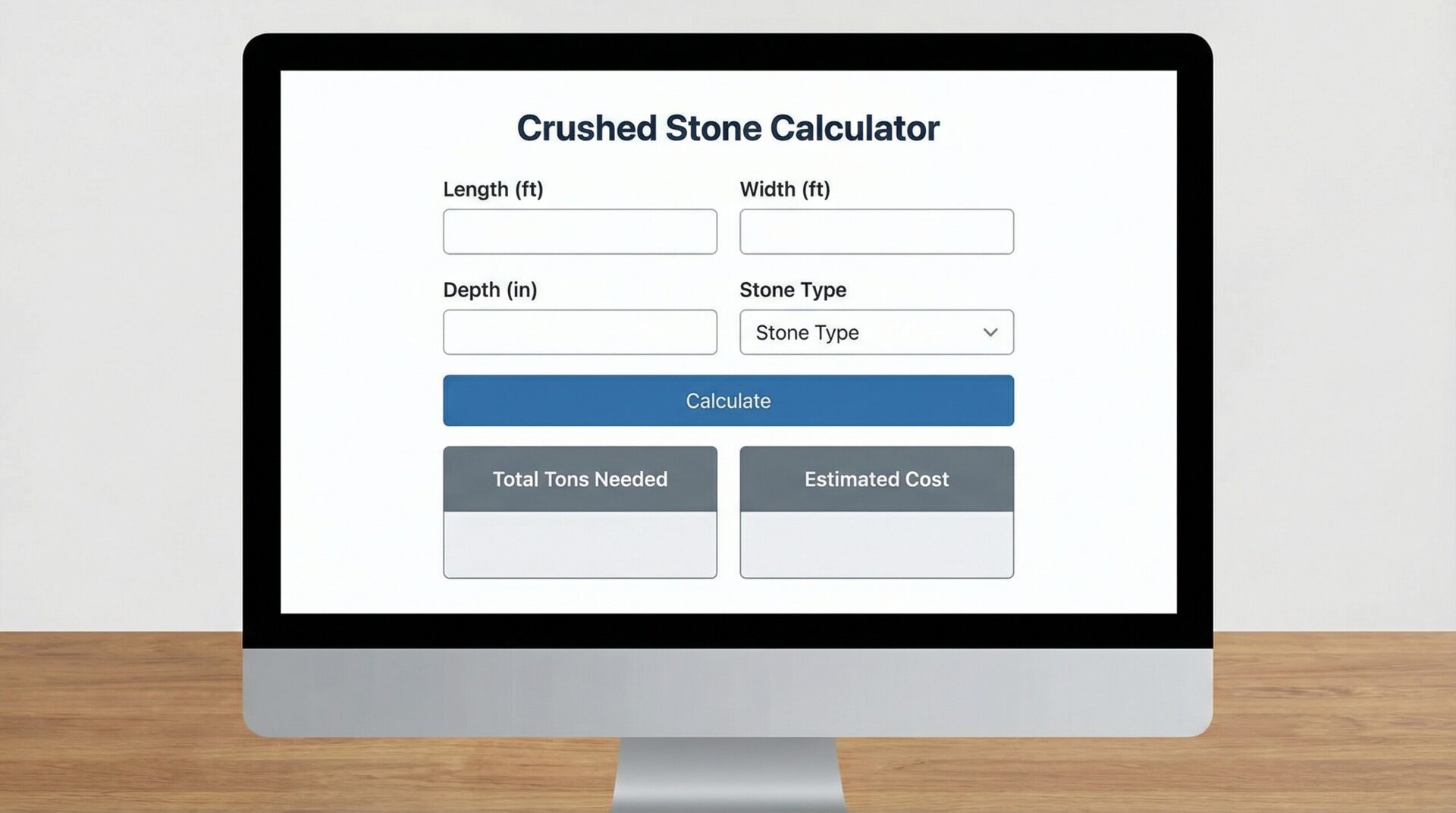
Free Crushed Stone Calculator – Calculate Tons and Cubic Yards Needed
Gravel and Aggregate Calculations
igor
Use our free crushed stone calculator to determine exactly how many tons and cubic yards of stone you need for your project, with step-by-step calculation guide.
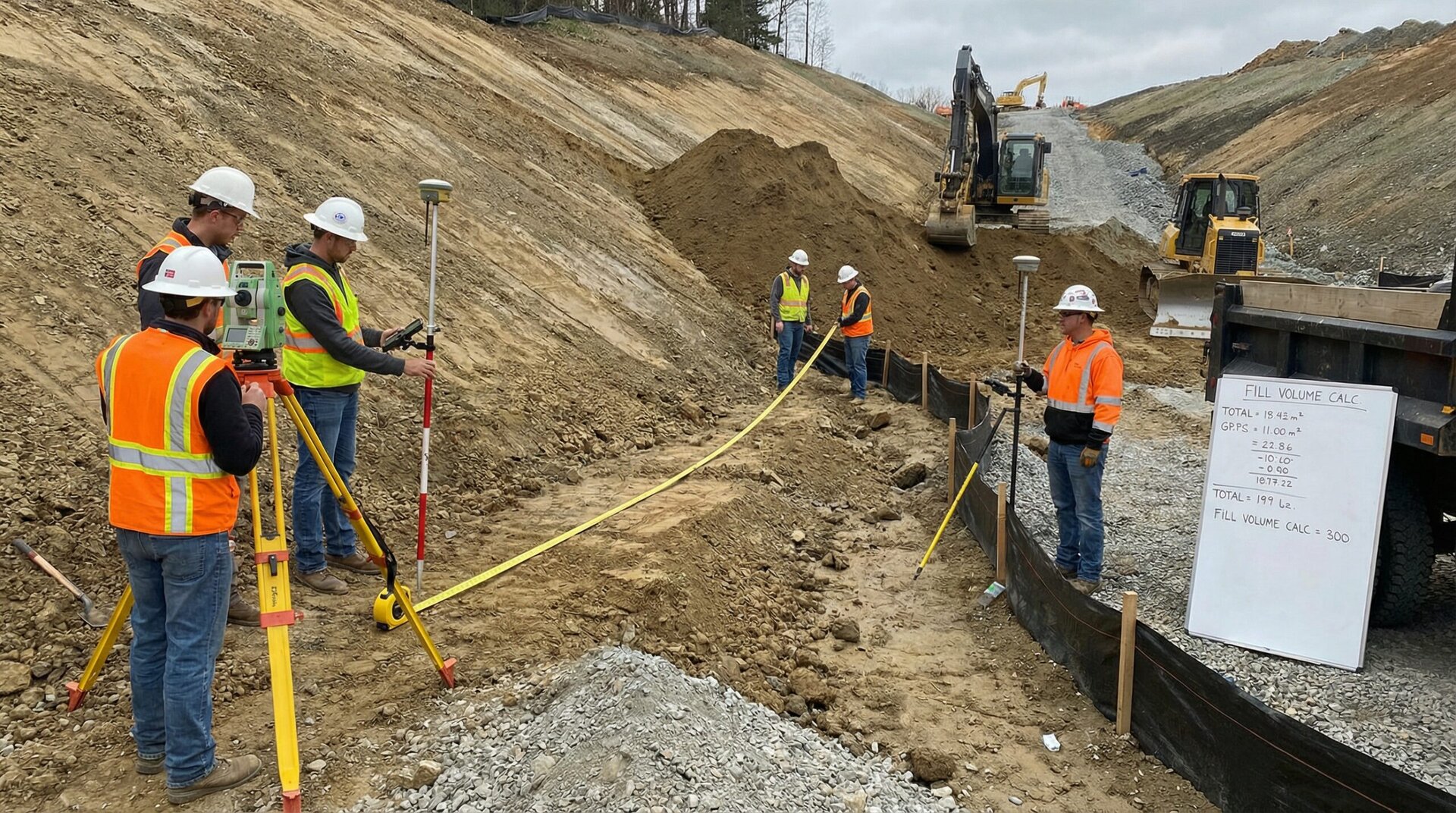
How to Calculate Fill Dirt for a Slope Step by Step Guide
Gravel and Aggregate Calculations
igor
Learn how to accurately calculate fill dirt needed for slope projects with our step-by-step guide including formulas, compaction factors, and practical examples.
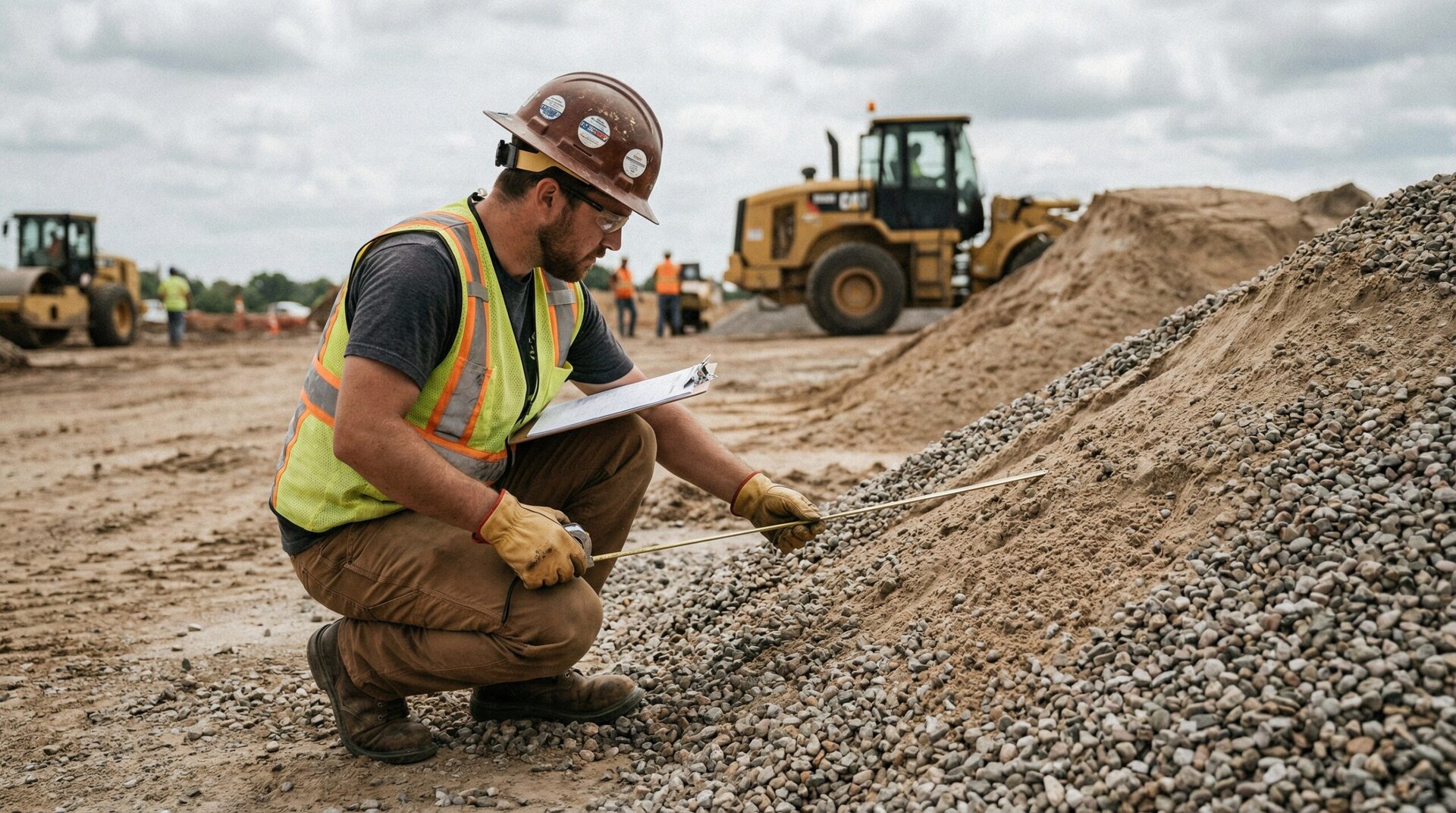
How to Calculate Aggregate Tonnage for Construction Projects
Gravel and Aggregate Calculations
igor
Learn the step-by-step process to accurately calculate aggregate tonnage for construction projects using the proven formula and avoid costly material estimation mistakes.
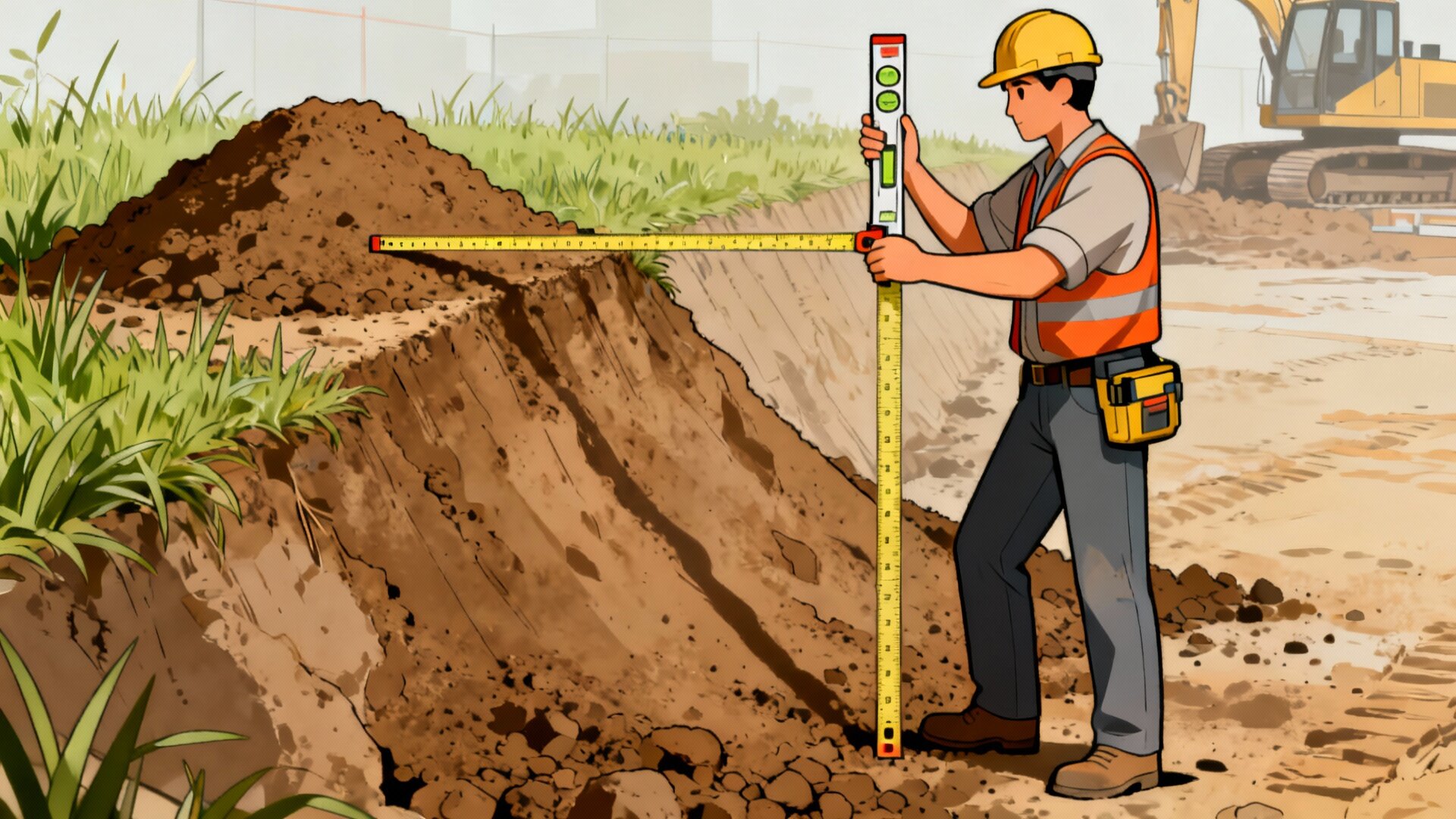
How to Calculate Fill Dirt Volume on a Slope Step by Step Guide
Gravel and Aggregate Calculations
igor
Learn how to accurately calculate fill dirt volume for sloped areas with our comprehensive step-by-step guide including formulas, slope factors, and practical examples.
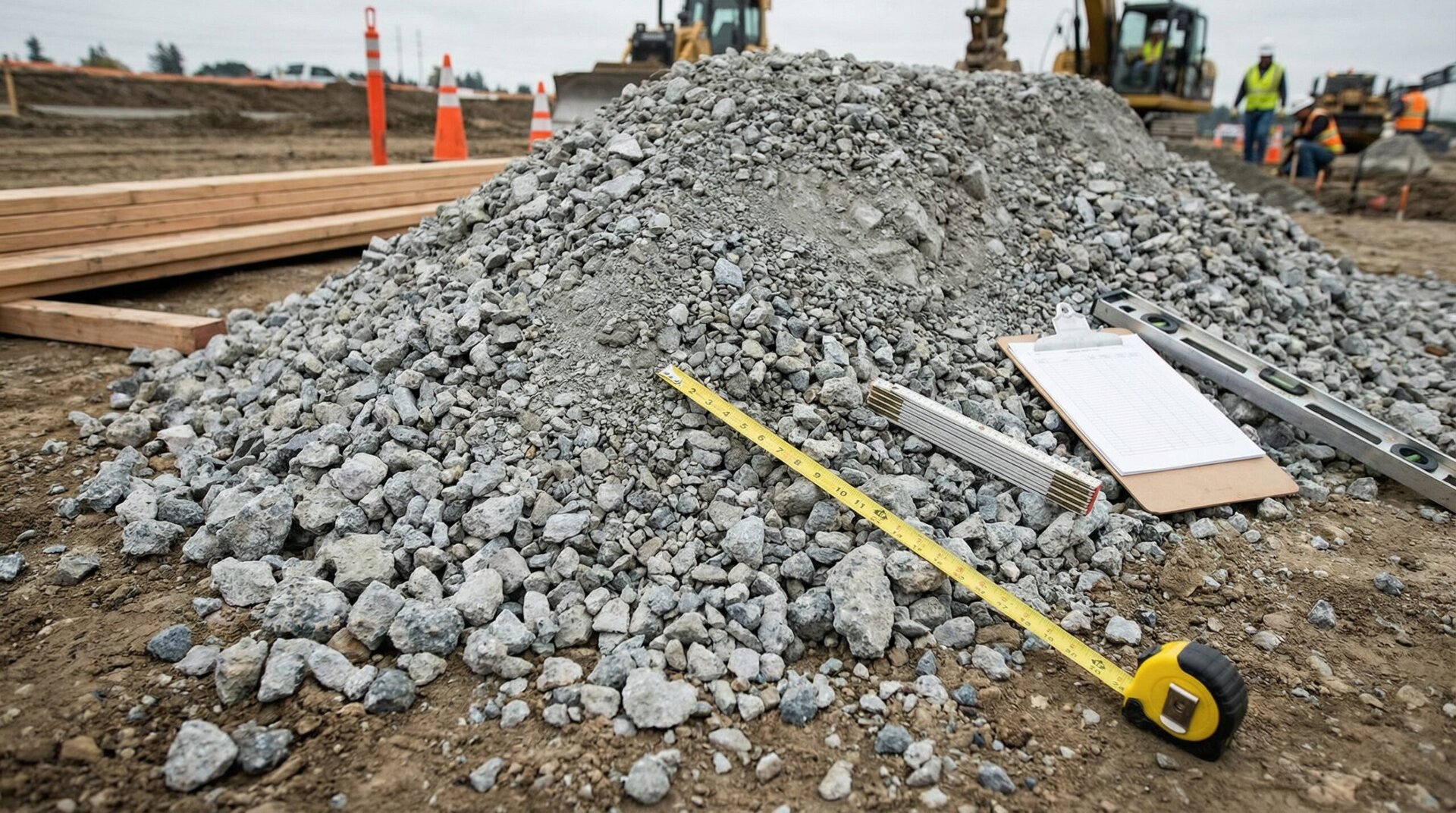
Crushed Concrete Tonnes to M3 Calculator and Conversion Guide
Gravel and Aggregate Calculations
igor
Learn how to convert crushed concrete from tonnes to cubic meters with our comprehensive guide, including density factors, calculation formulas, and practical examples.
All content is written and reviewed by Hello Gravel's team of landscaping and aggregate supply experts with years of hands-on industry experience.