Common Borrow Gravel Guide: Cost, Uses, and Installation Tips
Get an estimate for your project in 60 seconds
 Your information is secure
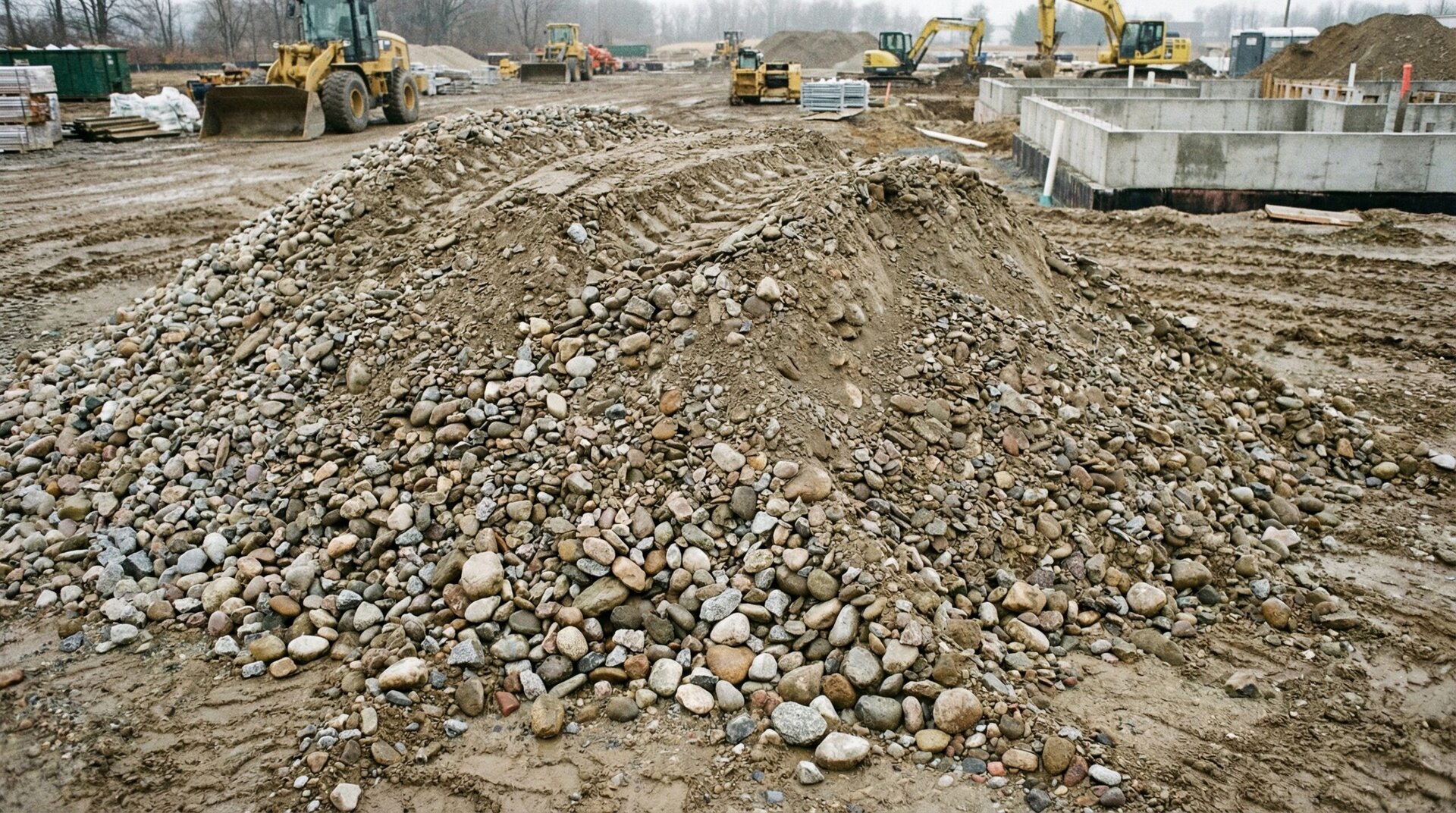
Looking for an affordable base material for your next construction project? Common borrow gravel offers a cost-effective solution that can save you up to 30% compared to premium alternatives. This recycled aggregate material, sourced from construction sites, provides excellent stability for driveways, foundations, and road bases at prices ranging from $20 to $45 per ton.
Whether you’re planning a DIY driveway or managing a commercial construction project, understanding common borrow gravel helps you make informed decisions about your base material needs. This guide covers everything from composition and costs to installation techniques and maintenance requirements.
Quick Fact: Common borrow gravel gets its name because it’s “borrowed” from one construction site and reused at another, making it an environmentally sustainable choice for your projects.
What is common borrow gravel and how is it made
Common borrow gravel is a blended aggregate material consisting of various sized stones, sand, and compactable soil particles. Unlike manufactured crushed stone, this granular borrow material comes directly from excavation sites where topsoil and organic matter have been stripped away during land clearing operations.
The production process begins when construction crews excavate sites for new buildings or roadways. After removing the organic topsoil layer, the remaining mineral soil and rock fragments are collected and transported to processing facilities. Here, the material undergoes screening to remove oversized rocks and debris, creating a consistent blend suitable for construction use.

What makes borrow gravel unique is its natural composition variability. Each batch reflects the geological characteristics of its source location, which means you might find different stone types and soil compositions depending on where the material originated. This natural variation actually contributes to its excellent compaction properties when properly installed.
The screening process ensures the final product meets basic construction standards while maintaining the cost advantages that make borrow gravel attractive for budget-conscious projects. Most suppliers process their borrow gravel to achieve consistent gradation suitable for base applications, similar to how screened gravel is prepared for specific construction needs.
Primary uses for borrow gravel in construction
Borrow gravel excels as a foundation material across numerous construction applications. Road construction crews frequently use it as a subbase layer beneath asphalt or concrete surfaces, where its ability to compact into a stable platform provides essential structural support for heavy traffic loads.
Residential projects benefit significantly from borrow gravel’s versatility. Homeowners commonly use it for driveway bases, where proper installation creates a durable foundation that prevents settling and extends the life of the finished surface. The material also works well for parking areas, walkways, and as a base for concrete slabs.
Pro Tip: For driveway applications, install borrow gravel in 4-inch lifts and compact each layer thoroughly to achieve maximum stability and prevent future settling issues.
Commercial construction projects rely on borrow gravel for building foundations, utility trenches, and site preparation work. Its drainage characteristics help prevent water accumulation around structures, while its compactability ensures long-term stability under heavy loads. For projects requiring more specific gradation standards, contractors often turn to ABC aggregate base course or Type 2 aggregate materials.
Landscaping applications include retaining wall bases, drainage systems, and erosion control projects. The material’s natural appearance blends well with outdoor environments, though it may require additional finishing materials for decorative applications where aesthetics matter most.
Cost breakdown and pricing factors
Understanding borrow gravel pricing helps you budget effectively for your project. Current market prices typically range from $20 to $45 per ton, with several factors influencing the final cost you’ll pay.
| Cost Factor | Price Range | Notes |
|---|---|---|
| Base material | $20-$45/ton | Varies by region and quality |
| Delivery | $50-$150 | Distance and quantity dependent |
| Processing | $5-$15/ton | Screening and sizing |
Geographic location significantly impacts pricing, with urban areas generally commanding higher rates due to increased demand and transportation costs. Rural locations often offer better base prices but may include higher delivery charges due to longer hauling distances.
Quantity purchases provide economies of scale, with bulk orders typically receiving per-ton discounts. Many suppliers offer price breaks at 10-ton, 20-ton, and larger quantity thresholds, making larger projects more cost-effective per unit.
Seasonal demand affects availability and pricing, with spring and summer months typically seeing higher costs due to increased construction activity. Planning your material purchases during off-peak periods can result in meaningful savings, especially for larger projects.
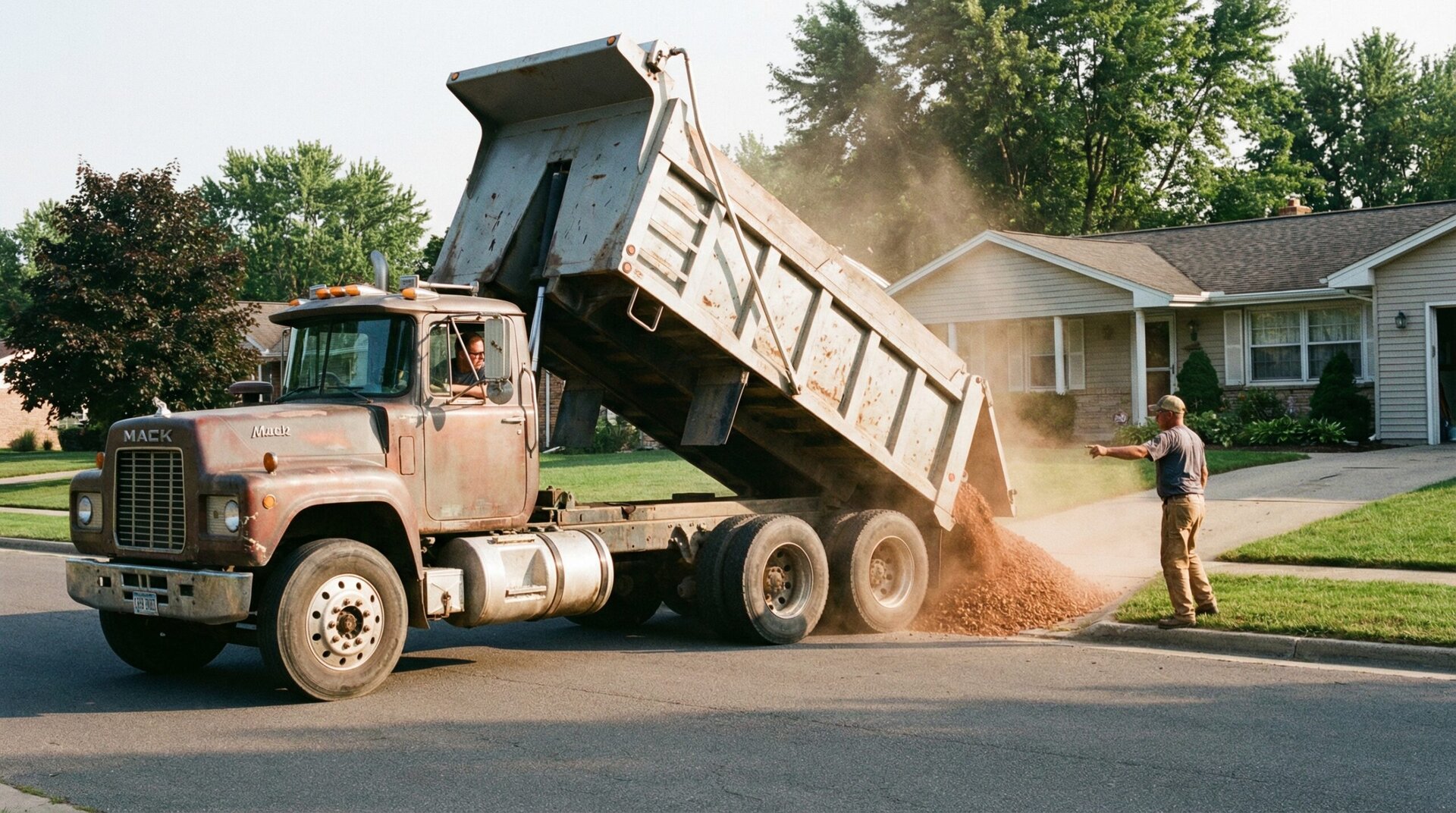
Additional processing requirements, such as specific size screening or moisture content adjustments, may add to the base cost. However, these modifications often improve the material’s performance characteristics and can be worthwhile investments for critical applications. For projects where cleaner material is needed, washed aggregate provides an alternative option with different performance characteristics.
Installation techniques and best practices
Proper installation determines the long-term success of your borrow gravel base. Start by excavating the area to the required depth, typically 6 to 8 inches for most applications, ensuring adequate slope for drainage away from structures.
Prepare the subgrade by removing all organic material, roots, and debris that could cause future settling. The exposed soil should be firm and well-drained, with any soft spots addressed before placing the borrow gravel.
Place the material in lifts no thicker than 4 inches, spreading it evenly across the prepared area. This approach allows for thorough compaction and prevents the formation of weak spots that could lead to future problems. Understanding optimal compaction and drainage techniques with quarter minus can help you achieve better results with similar materials.
Compaction is critical for achieving maximum stability. Use a plate compactor for smaller areas or a vibratory roller for larger projects, making multiple passes until the surface shows no visible movement under the compactor’s weight.
Installation Tip: Maintain optimal moisture content during compaction – the material should hold together when squeezed but not leave your hand wet. Add water if too dry, or allow drying if oversaturated.
Final grading should create smooth transitions and proper drainage slopes. Check the finished surface with a straight edge to identify and correct any low spots or irregularities before proceeding with subsequent construction phases.
Quality installation requires attention to edge restraint, especially for driveway applications. Proper edging prevents lateral movement and maintains the integrity of your compacted base over time. For utility installations or pipe bedding applications, consider using specialized bedding gravel designed specifically for those purposes.
Common borrow gravel represents a practical, economical choice for construction and landscaping projects requiring stable base materials. Its combination of affordability, availability, and proven performance makes it particularly valuable for budget-conscious projects where premium materials aren’t necessary. When properly installed and maintained, borrow gravel provides reliable service for years, supporting everything from residential driveways to commercial foundations while contributing to sustainable construction practices through material reuse.


 Chance Kittrell
 igor
igor 