Complete guide to buying garden stones in tonne bags

Get an estimate for your project in 60 seconds
 Your information is secure
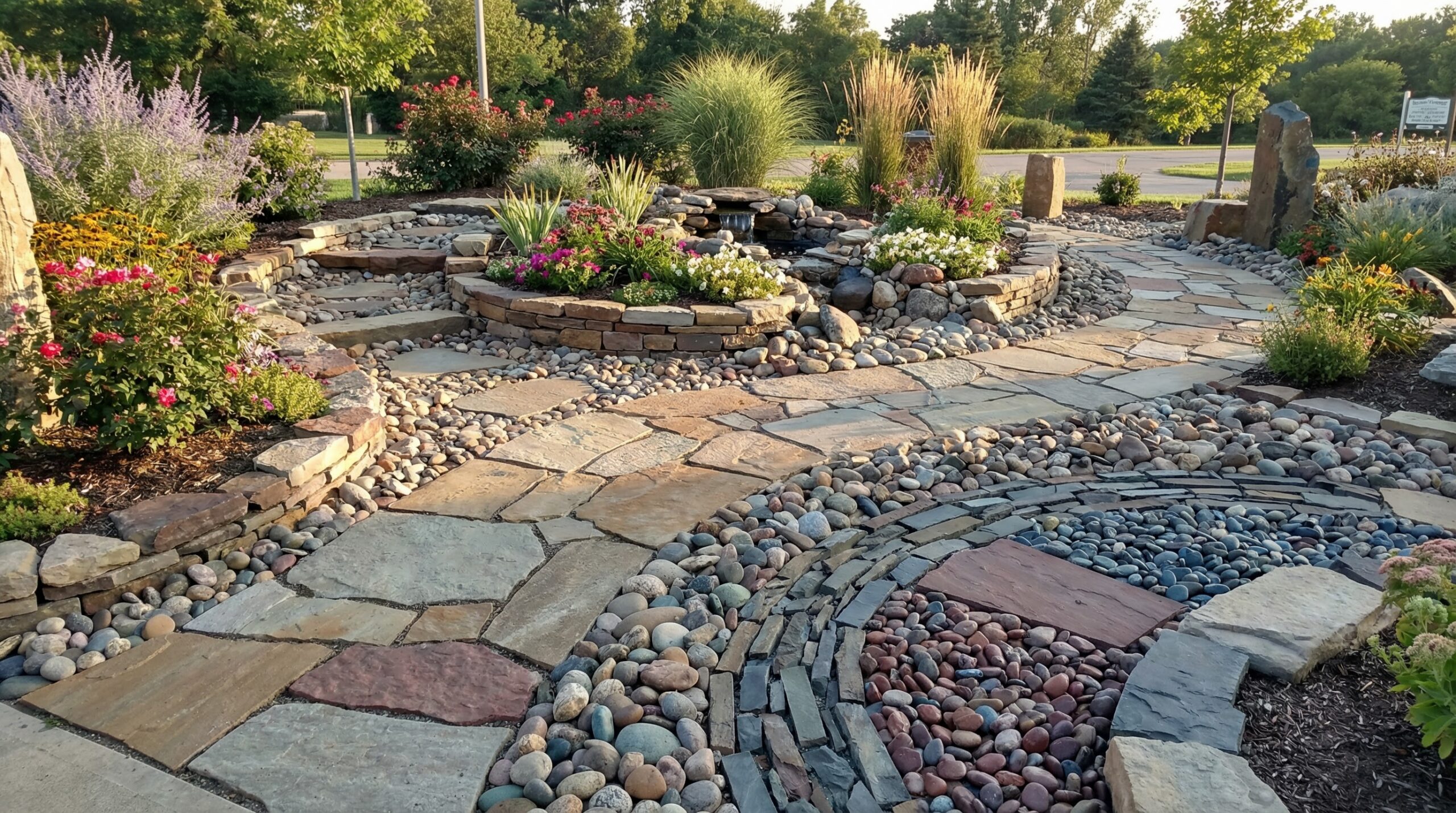
Transforming your outdoor space with garden stones can create stunning visual appeal while providing practical benefits like weed control and improved drainage. Whether you’re planning a decorative pathway, creating garden borders, or enhancing your patio area, understanding how to choose and use garden stones in tonne bags will help you achieve professional results.
Garden stones come in various types including natural stones like limestone and slate, as well as decorative options such as pea gravel and river rocks. A standard tonne bag typically contains 1000 kilograms of material and covers approximately 12-15 square meters depending on the stone type and depth applied.
Pro tip: Calculate your coverage area before ordering by measuring length × width × desired depth to determine how many tonne bags you’ll need for your project.
Understanding different types of garden stones
Natural stones offer timeless durability and blend seamlessly with existing landscapes. Granite provides exceptional strength for high-traffic areas, while limestone creates a classic, elegant appearance. Sandstone delivers warm earth tones that complement most garden designs.
Decorative stones add color and texture to your outdoor space. Pea gravel works perfectly for pathways and around plants, offering excellent drainage. River rocks create natural-looking water features and garden accents. Lava rocks provide unique texture and help retain soil moisture.

When selecting stones, consider your garden’s existing elements and intended use. Smooth, flat stones work best for walkways, while angular stones provide better stability for driveways and heavy-use areas. For more guidance on choosing the right materials, explore our comprehensive guide to landscape decorative stone.
Planning your garden stone project
Start by assessing your space and determining the primary purpose of your stones. Measure the area carefully, noting any slopes or drainage considerations. This helps you calculate the exact quantity needed and prevents over or under-ordering.
Consider the color scheme of your existing landscape. Neutral tones like grey and beige complement most gardens, while decorative stone pebbles in various colors can create striking focal points. Think about maintenance requirements too – some stones may need occasional cleaning or repositioning.
Important consideration: Check local building codes if you’re installing stones near property lines or creating significant landscape changes that might affect drainage patterns.
Weather conditions in your area also influence stone selection. In regions with freeze-thaw cycles, choose stones that can withstand temperature fluctuations without cracking or shifting.
Purchasing and preparing for installation
Research suppliers in your area and compare prices, delivery options, and stone quality. Request samples when possible to see how stones look in your actual garden lighting. Factor in delivery costs, which can vary significantly based on your location and order size. For convenient options, consider bulk stone delivery services that can bring materials directly to your property.
Prepare your installation area by removing existing vegetation and debris. Level the ground using a rake or shovel, creating a stable foundation. For permanent installations, consider laying landscape fabric to prevent weed growth while allowing proper drainage.
| Stone Type | Coverage per Tonne | Best Uses | Maintenance Level |
|---|---|---|---|
| Pea Gravel | 14-16 sq meters | Pathways, drainage | Low |
| River Rock | 10-12 sq meters | Decorative features | Very low |
| Crushed Stone | 12-14 sq meters | Driveways, foundations | Low |
| Flagstone | 8-10 sq meters | Patios, walkways | Medium |
Gather necessary tools including a shovel, rake, wheelbarrow, and level. For larger projects, consider renting a compactor to ensure stones settle properly and create a stable surface.

Installation and long-term maintenance
Begin installation by marking your desired layout using stakes and string. This helps maintain straight lines and consistent spacing. Place stones according to your planned design, ensuring they sit firmly on the prepared surface.
Fill gaps between larger stones with smaller material like sand or fine gravel. This stabilizes the installation and creates a finished appearance. Use a compactor for final settling, especially in areas that will receive foot traffic.
Regular maintenance keeps your garden stones looking their best. Sweep away debris like leaves and dirt using a stiff brush or leaf blower. Remove weeds promptly before they establish root systems between stones. For more tips on maintaining your outdoor spaces, check out our guide to garden gravel and stones.
Inspect your installation seasonally for any shifting or settling. Replace damaged stones immediately to maintain the overall integrity and appearance of your project.
With proper selection and installation, garden stones provide years of beauty and functionality. They require minimal ongoing maintenance while significantly enhancing your outdoor space’s visual appeal and practical usability. The investment in quality stones and proper installation techniques pays dividends in long-term satisfaction and property value enhancement. Whether you’re purchasing bags of decorative garden stones for smaller projects or ordering in bulk, careful planning ensures successful results.


