Complete Guide to Garden Gravel and Stones for 2026

Get an estimate for your project in 60 seconds
 Your information is secure

Garden gravel and stones transform ordinary outdoor spaces into stunning landscapes that combine beauty with practical functionality. Whether you’re designing pathways, creating drainage solutions, or adding decorative accents, choosing the right materials makes all the difference in your project’s success.
Quick Answer: The most popular garden gravel types include pea gravel (3/8 inch diameter) for pathways, crushed limestone for driveways, and river rocks for decorative borders. Costs typically range from $30-50 per ton, and proper installation can last decades with minimal maintenance.
This guide walks you through everything you need to know about selecting, installing, and maintaining garden gravel and stones. You’ll discover which materials work best for different applications, how to create stunning designs, and practical tips to ensure your investment lasts for years.
Understanding garden gravel and stone basics
Garden gravel consists of small rock fragments typically measuring between 2mm and 75mm in diameter. These materials form naturally through weathering processes where water, wind, and time break down larger rocks into smaller, manageable pieces.
The formation process creates distinct characteristics in different gravel types. River gravel develops smooth, rounded edges from constant water flow, while quarried materials maintain angular shapes that lock together for stability. This fundamental difference affects how each type performs in your garden.
Size classification plays a crucial role in functionality. Smaller particles like pea gravel work perfectly for decorative applications and comfortable walking surfaces. Medium-sized stones provide excellent drainage while maintaining visual appeal. Larger stones offer superior structural support for high-traffic areas.
Understanding these basics helps you match the right material to your specific needs, whether you’re building a meditation garden or installing a functional driveway.
Types of gravel and stones for different garden needs
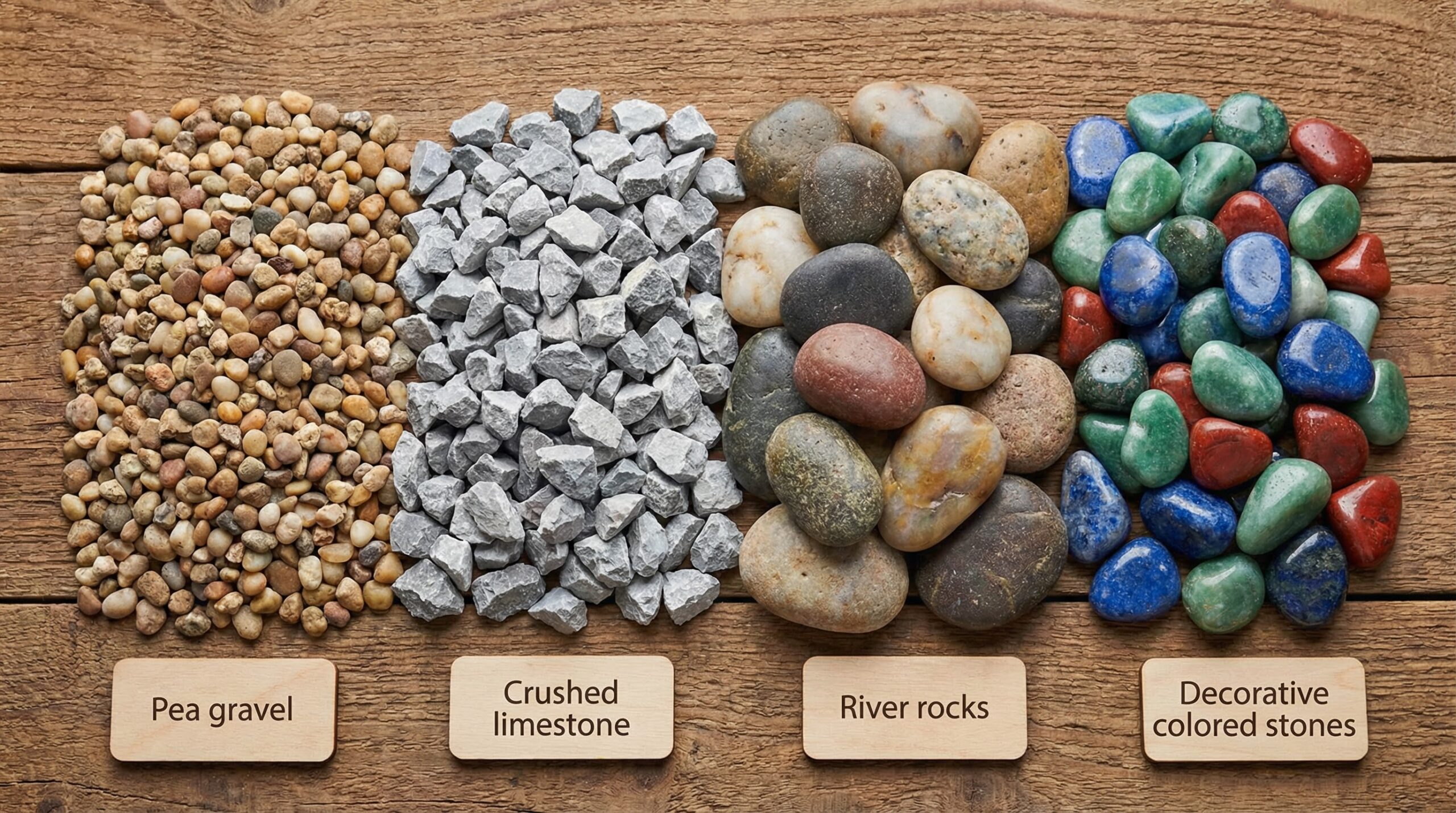
Pea gravel remains the most popular choice for garden pathways and decorative areas. These smooth, rounded stones measure approximately 3/8 inch in diameter and come in various natural colors. Their comfortable texture makes them ideal for areas where people walk barefoot.
Crushed limestone offers excellent compaction properties for driveways and stable surfaces. The angular pieces lock together under pressure, creating a solid foundation that handles vehicle traffic effectively. Colors range from light gray to warm beige tones.
River rocks provide natural beauty for landscaping borders and water features. These smooth stones come in sizes from 1 inch to 6 inches and showcase beautiful color variations from years of water polishing. For a deeper understanding of the benefits of river rock sand and gravel for your landscaping needs, explore how these materials enhance both aesthetics and functionality.
Decorative colored gravel adds vibrant accents to garden beds and artistic designs. Available in blues, reds, greens, and other striking colors, these stones create eye-catching focal points and complement specific plant combinations. Learn more about enhancing your landscape with decorative gravel to create stunning visual effects.
Each type serves different purposes, so consider your project’s functional requirements alongside aesthetic preferences when making selections.
Choosing the right materials for your project
Several key factors determine which gravel or stones work best for your specific application. Start by identifying your primary purpose whether it’s creating walkways, improving drainage, or adding decorative elements.
Size considerations directly impact both function and appearance. Smaller stones work well for areas requiring comfortable foot traffic, while larger materials provide better stability for vehicle access. The general rule suggests using 3/8 inch to 3/4 inch stones for most residential applications. For detailed guidance on river rock stone sizes and choosing the perfect size, consult comprehensive sizing charts.
Color coordination helps create cohesive landscape designs. Choose materials that complement your home’s exterior, existing hardscape elements, and surrounding plantings. Neutral tones like gray and beige offer versatility, while colorful options create dramatic accents. If you’re interested in decorative stone pebbles to enhance your space with style, consider how color choices impact your overall design.
Drainage requirements influence material selection significantly. Angular crushed stones provide superior drainage compared to rounded varieties. If water management is a priority, opt for materials that allow proper water flow while preventing erosion.
Pro tip: Calculate approximately 1.5 tons of gravel per 100 square feet at 2-inch depth for most garden applications, though specific requirements vary based on intended use and local soil conditions.
Budget considerations also matter since prices vary considerably between basic and premium materials. Standard gravel typically costs less than specialty decorative stones, but both offer long-term value when properly installed. For cost-effective options, explore purchasing decorative stones in bulk to maximize your budget.
Design ideas and installation best practices
Creating stunning garden designs with gravel and stones requires thoughtful planning and proper installation techniques. Start by preparing the area with appropriate excavation and base materials for long-lasting results.
Pathway design benefits from curved lines that create natural flow through your garden space. Use edging materials to contain gravel and prevent spreading into planted areas. A 2-inch depth typically provides adequate coverage while allowing comfortable walking. For specific calculations, check out how much river rock you need for a walkway.
Decorative applications offer endless creative possibilities. Consider creating patterns with different colored gravels, building rock gardens with various sized stones, or designing dry creek beds that manage water runoff attractively.
Installation fundamentals ensure project success regardless of design complexity. Proper base preparation prevents settling and maintains level surfaces. Installing landscape fabric underneath helps control weeds while allowing drainage.

Edging installation keeps materials in place and creates clean lines. Options include metal strips, concrete borders, or natural stone edging depending on your design preferences and budget constraints. For professional assistance, consider landscape rock delivery and installation services to ensure optimal results.
Remember that successful installations require patience and attention to detail. Taking time during preparation phases prevents future maintenance headaches and ensures your investment provides years of enjoyment.
Maintenance and long-term care strategies
Proper maintenance keeps your garden gravel and stones looking beautiful while extending their functional lifespan. Regular care prevents common problems and maintains the investment you’ve made in your landscape.
Routine cleaning involves raking gravel periodically to remove debris and maintain even distribution. This simple task prevents organic matter from decomposing and creating unsightly patches or odor issues.
Weed control becomes easier with proper initial installation, but ongoing vigilance helps maintain clean appearances. Remove weeds promptly when they appear, and consider applying pre-emergent herbicides in early spring for additional protection.
Replenishment needs vary based on material type and traffic levels. High-traffic areas may require topping up annually, while decorative applications often last several years before needing additional material. For convenient restocking, explore bulk landscape rock options to maintain your garden’s appearance.
Maintenance schedule: Rake monthly during growing season, inspect for weeds bi-weekly, and plan for material replenishment every 2-3 years for optimal appearance and functionality.
Seasonal considerations help maintain year-round appeal. Fall cleanup removes leaves and debris that can stain or decompose. Winter preparations may include additional material in areas subject to freeze-thaw cycles.
Understanding these maintenance requirements helps you plan ongoing care and budget for long-term success. With proper attention, quality gravel and stone installations provide decades of beauty and functionality.
Garden gravel and stones offer versatile solutions for creating beautiful, functional outdoor spaces. By understanding the different types available, choosing appropriate materials for your specific needs, and following proper installation and maintenance practices, you can transform your garden into an attractive landscape that provides years of enjoyment. Whether you’re planning simple pathways or elaborate decorative features, these natural materials deliver lasting value for your landscaping investment.


