Complete guide to gravel stone types for construction and landscaping projects

Get an estimate for your project in 60 seconds
 Your information is secure

Choosing the right gravel stone can transform your construction or landscaping project from ordinary to exceptional. Whether you’re building a sturdy driveway foundation or creating an eye-catching garden pathway, understanding the different types of gravel stone available makes all the difference in achieving your desired results.
Quick Answer: The main types of gravel stone include crushed stone (angular, excellent for structural bases), pea gravel (rounded, decorative), river rocks (smooth, landscaping), and white marble chips (elegant finish). Size ranges from 2mm to 75mm, with smaller stones ideal for pathways and larger ones for structural support.
From angular crushed stone that provides unmatched structural stability to smooth river rocks that enhance aesthetic appeal, each gravel type offers unique characteristics suited for specific applications. This guide walks you through the formation process, explores the most common varieties, and helps you select the right gravel stone for your specific needs.
Understanding gravel stone formation and characteristics
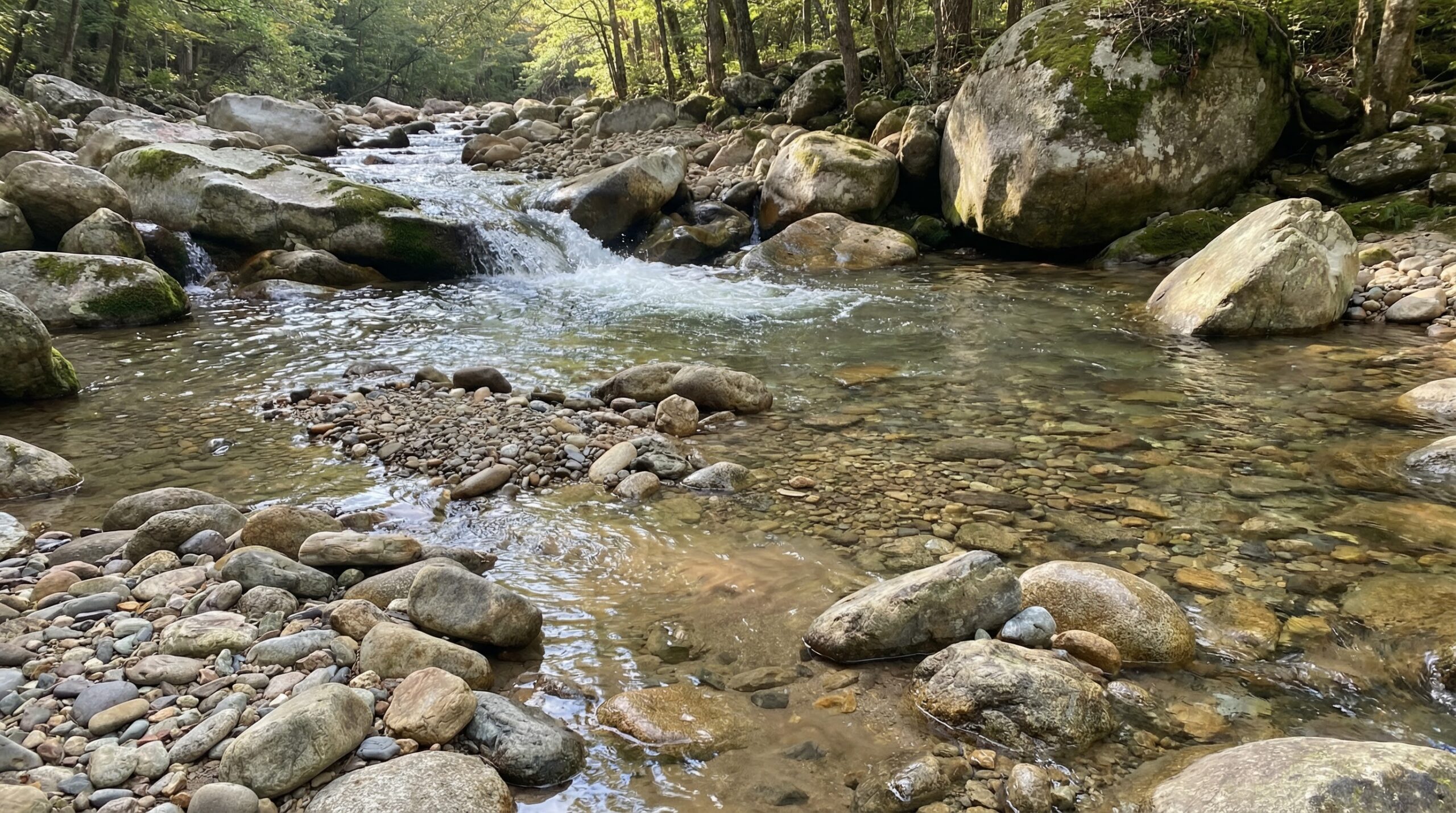
Gravel stone forms through nature’s patient sculpting process over thousands of years. Picture a mountain stream rushing over massive boulders continuously – the constant water flow creates friction that gradually breaks these rocks into smaller pieces, like nature’s own rock tumbler working around the clock.
This natural process, called abrasion, happens when water carries rocks downstream where they collide with other stones and minerals. Each impact chips away material, slowly rounding sharp edges and reducing size. What started as large boulders eventually becomes the gravel stone we use in our projects today.
The size classification is straightforward and standardized. Gravel stone particles typically measure between 2mm and 75mm in diameter. Anything smaller becomes sand, while larger pieces are classified as cobbles or boulders. This specific size range makes gravel stone perfect for applications requiring both stability and proper drainage.
Different geological environments create distinct gravel types with unique properties. Riverbeds produce smooth, rounded stones perfect for decorative applications, while quarries yield angular crushed varieties ideal for structural support. Coastal areas contribute unique colors and textures from ocean-tumbled rocks, each environment leaving its signature on the final product.
Popular gravel stone types for construction projects
Crushed stone stands as the workhorse of construction projects, offering superior stability and compaction properties. This angular material, produced by mechanically crushing larger rocks, creates excellent interlocking between particles. The sharp edges provide maximum grip and prevent shifting under heavy loads, making crushed stone ideal for road bases, building foundations, and driveway construction.
Pro Tip: Angular crushed stone compacts 30% better than rounded gravel, providing superior load-bearing capacity for structural applications.
Pea gravel brings versatility to both functional and decorative applications. These small, rounded stones typically measure 1/4 inch in diameter and come in various natural colors including tan, brown, and gray. The smooth texture makes pea gravel comfortable for walkways while its excellent drainage properties work well for French drains and garden borders.
River rocks offer natural beauty with their smooth, water-polished surfaces and diverse color palette. Ranging from 1 inch to 6 inches in diameter, these stones work perfectly for landscaping features like dry creek beds, decorative borders, and water features. Their rounded shape prevents soil compaction while allowing proper water infiltration. Understanding river rock stone sizes is crucial for selecting the right material for your specific application.
Jersey Shore gravel provides a coastal aesthetic with its mix of small shells, sand, and rounded pebbles. This unique blend creates an attractive surface for driveways and pathways while offering good drainage properties. The natural beige and gray tones complement most architectural styles and landscape designs.
Decorative gravel options for landscaping enhancement
White marble chips deliver elegance and brightness to any landscape design. These crushed marble pieces reflect light beautifully, creating visual interest and helping illuminate darker garden areas. The stark white color provides excellent contrast against green plants and works particularly well in modern landscape designs and around water features.
Decomposed granite offers a natural, earthy appearance that compacts well for pathways and patios. This material consists of granite that has weathered into small particles while retaining its original color variations. When properly installed and compacted, decomposed granite creates a stable surface that feels natural underfoot.
Lava rock brings unique texture and color to landscape designs with its porous structure and rich red-brown hues. This lightweight volcanic material provides excellent drainage while adding visual interest to garden beds and decorative borders. The porous nature also helps retain moisture around plant roots during dry periods.
Slate chips offer sophisticated color options ranging from blue-gray to purple and green. These flat, angular pieces create interesting textural contrasts in garden designs and work well as mulch alternatives around plants. Slate chips also help suppress weeds while maintaining soil moisture levels. For more ideas on enhancing your landscape with decorative gravel, explore various stone combinations and placement techniques.

Selecting the right gravel stone for your project needs
Project requirements should drive your gravel stone selection process. For structural applications like driveways and foundations, prioritize angular crushed stone that compacts well and provides maximum stability. Decorative projects benefit from rounded stones like river rocks or pea gravel that offer visual appeal while maintaining functionality.
Consider your local climate conditions when choosing gravel stone types. Areas with heavy rainfall need materials with excellent drainage properties, while regions with freeze-thaw cycles require stones that won’t shift or crack under temperature changes. Coastal locations benefit from materials that resist salt corrosion and wind erosion.
| Project Type | Recommended Stone | Size Range | Key Benefits |
|---|---|---|---|
| Driveways | Crushed Stone | 3/4″ – 1.5″ | Stability, compaction |
| Pathways | Pea Gravel | 1/4″ – 3/8″ | Comfort, drainage |
| Landscaping | River Rocks | 1″ – 6″ | Aesthetics, natural look |
| Drainage | Angular Gravel | 1/2″ – 3/4″ | Water flow, stability |
Budget considerations play a significant role in material selection. While natural river rocks and specialty stones cost more, they often provide better long-term value through durability and aesthetic appeal. Crushed stone offers the most cost-effective solution for structural applications where appearance takes secondary importance to function. When planning larger projects, consider purchasing decorative stones in bulk to reduce costs significantly.
Cost Insight: Locally sourced gravel typically costs 40-60% less than imported specialty stones, making regional materials an economical choice for large projects.
Maintenance requirements vary significantly between gravel types. Smooth stones like pea gravel may shift over time and require periodic raking, while angular crushed stone stays in place better but may need occasional top-dressing. Consider your willingness to perform ongoing maintenance when making your selection.
Your project timeline also influences material choice. Some gravel types require settling time or special installation techniques, while others can be used immediately after delivery. Discuss installation requirements with your supplier to ensure your chosen material aligns with your project schedule and allows for proper installation procedures. For convenient project planning, explore landscape material delivery options that can streamline your timeline.
Understanding these different gravel stone types empowers you to make informed decisions for your construction and landscaping projects. Each variety brings unique advantages, from the structural reliability of crushed stone to the natural beauty of river rocks. By matching your specific project needs with the right gravel type, you’ll achieve both functional success and aesthetic satisfaction that lasts for years to come.


