How Many Tons of Pea Gravel Do I Need for a Walkway?

Get an estimate for your project in 60 seconds
 Your information is secure
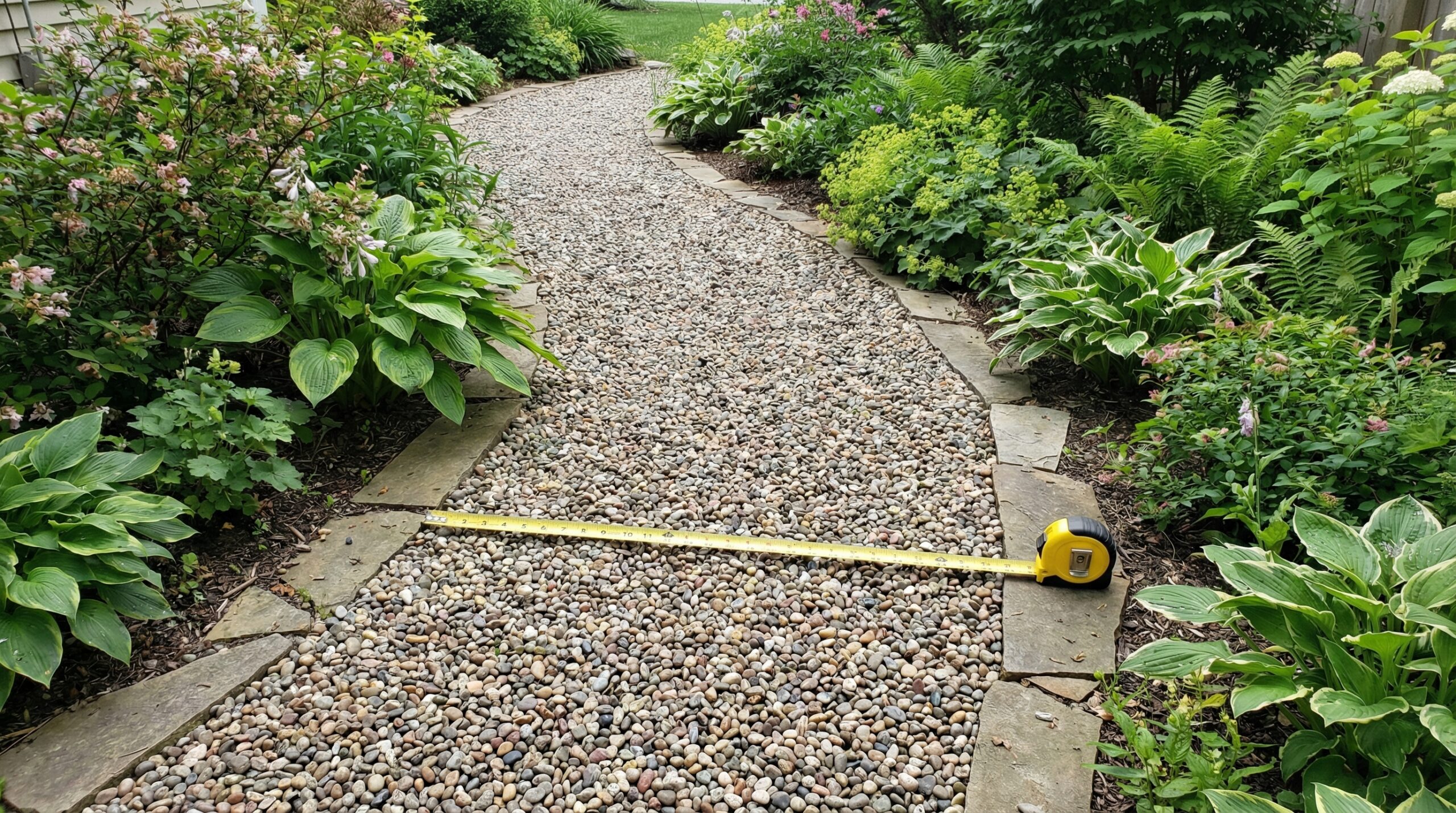
Planning a pea gravel walkway but unsure about quantities? You’ll need approximately 1.4 to 1.6 tons of pea gravel per cubic yard, which translates to about 0.75 tons for every 100 square feet at a standard 3-inch depth. Getting this calculation right saves you from costly overordering or frustrating project delays when you run short.
Quick calculation tip: For most walkways, multiply your square footage by 0.0185 to get the tons needed at 3-inch depth. A 200 square foot walkway requires about 3.7 tons of pea gravel.
The key to a successful pea gravel walkway lies in accurate planning. You need to measure your space correctly, choose the right depth, and account for compaction. This guide walks you through each step so you can order exactly what you need and create the perfect outdoor space.
Understanding pea gravel tonnage for walkways
Pea gravel consists of small, naturally rounded stones ranging from 1/8 inch to 3/8 inch in diameter. These smooth stones are created through natural water erosion, giving them their characteristic comfortable walking surface. For walkway projects, suppliers typically sell pea gravel by the ton rather than cubic yards.
The weight conversion is crucial for accurate ordering. One cubic yard of pea gravel weighs approximately 1.4 to 1.6 tons, depending on moisture content and stone density. This means a standard pickup truck load of about 2 cubic yards equals roughly 3 tons of material.
Pea gravel offers excellent drainage properties, making it ideal for walkway applications. Water flows easily through the gaps between stones, preventing puddles and reducing slip hazards. The material also provides a stable yet comfortable surface that’s gentle on bare feet while maintaining its shape under regular foot traffic. To learn more about the characteristics and applications of this versatile material, check out our comprehensive pea gravel guide.
Measuring your walkway dimensions accurately
Start by measuring the length and width of your planned walkway using a measuring tape. For straight paths, this is straightforward multiplication. However, curved or irregular walkways require breaking the area into smaller rectangular sections and calculating each separately.
Record your measurements in feet for easier calculations. A small measurement error can lead to significant over or under-ordering. For example, measuring a 10×50 foot walkway as 10×52 feet results in ordering an extra 20 square feet of material, which translates to about 0.37 additional tons.
Consider the desired depth of your pea gravel layer. Most walkways perform well with 2 to 3 inches of depth. Light-use garden paths can work with 2 inches, while high-traffic areas benefit from 3 inches. Understanding the best pea gravel size for landscaping will help you choose the right depth and material for your specific project. Deeper installations provide better stability but require more material and higher costs.
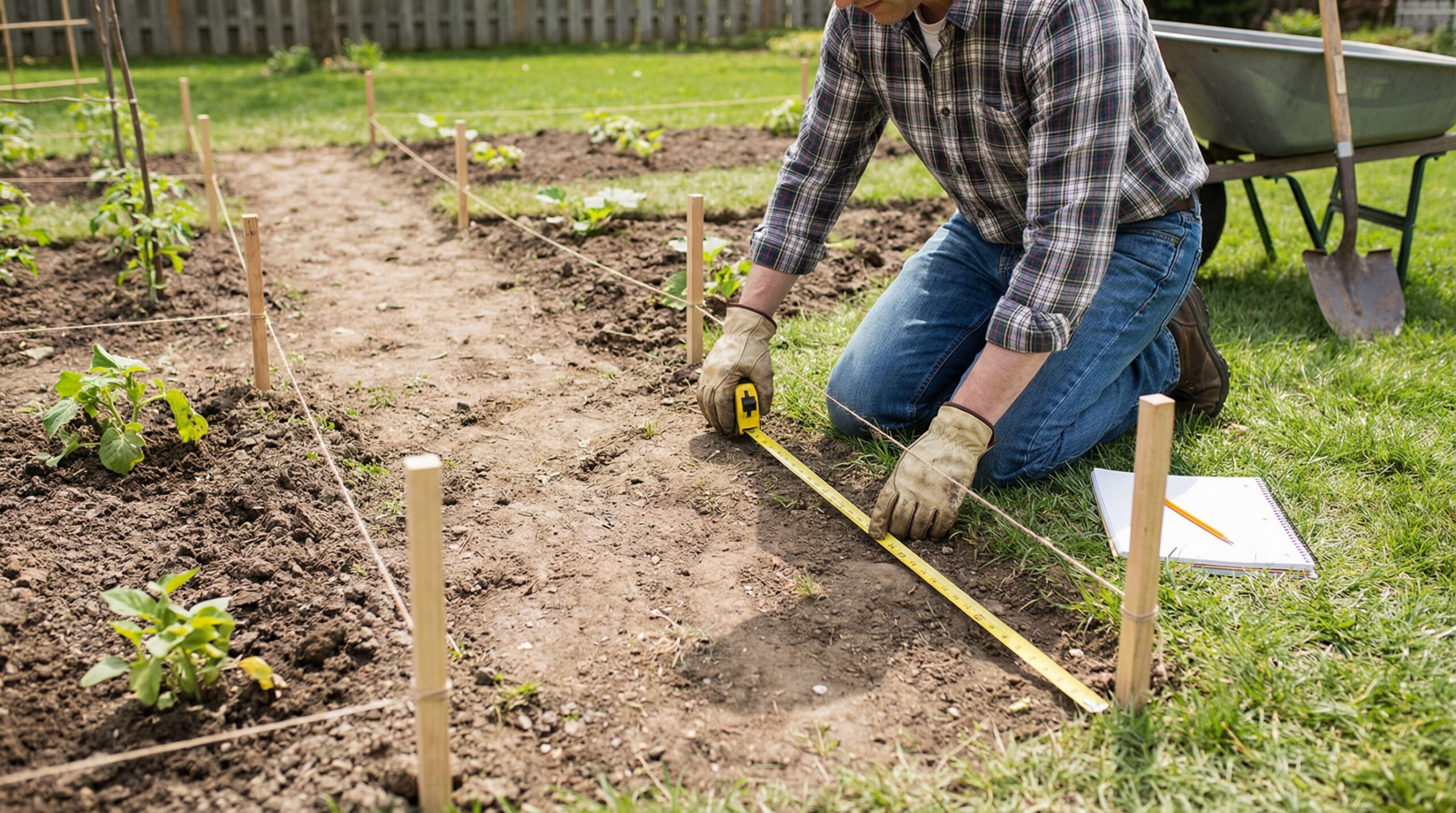
Pro tip: Always measure twice and add 5-10% extra material to account for compaction and future touch-ups. Pea gravel settles naturally over time, especially in the first few months after installation.
Calculating the exact tonnage needed
The basic formula for calculating pea gravel tonnage is straightforward. First, determine your volume in cubic feet by multiplying length × width × depth (all in feet). Then convert to cubic yards by dividing by 27, and finally multiply by 1.5 (average weight) to get tons.
Here’s a practical example. A 4-foot wide by 30-foot long walkway at 3-inch depth requires this calculation. Convert 3 inches to feet (3÷12 = 0.25 feet). Volume equals 4 × 30 × 0.25 = 30 cubic feet. Convert to yards (30÷27 = 1.11 cubic yards). Finally, multiply by 1.5 to get 1.67 tons of pea gravel needed.
| Walkway Size | Depth | Cubic Yards | Tons Needed |
|---|---|---|---|
| 100 sq ft | 2 inches | 0.62 | 0.93 |
| 100 sq ft | 3 inches | 0.93 | 1.40 |
| 200 sq ft | 3 inches | 1.85 | 2.78 |
| 300 sq ft | 3 inches | 2.78 | 4.17 |
Remember to add extra material for compaction and settling. Pea gravel can settle by 10-20% after installation, especially in areas with heavy foot traffic or where the base wasn’t properly prepared. If you’re working on other outdoor projects, you might also want to explore how much pea gravel you need for a driveway or decorative features.
Installation and ordering considerations
When ordering pea gravel, consider delivery logistics and timing. Most suppliers require minimum orders of 3-5 tons for delivery, which works well for walkways over 150 square feet. Smaller projects might require pickup or paying premium delivery fees for partial loads. For larger quantities, learn more about convenient bulk pea gravel delivery options to streamline your project.
Prepare your walkway area before the gravel arrives. Remove existing vegetation, level the ground, and install landscape fabric to prevent weed growth. Proper preparation ensures your calculated tonnage provides the intended depth and coverage.

During installation, spread the gravel evenly using a rake or shovel. Work in sections to maintain consistent depth, and use a straight board to check levels. Install edging materials like metal strips or pavers to contain the gravel and maintain clean borders. If you’re considering using pea gravel for decorative garden borders, the same installation principles apply.
Installation insight: Compact the gravel lightly with a hand tamper or by walking on it repeatedly. This initial compaction helps identify low spots that need additional material before the final settling occurs naturally.
The beauty of pea gravel walkways lies in their simplicity and natural appearance. With accurate measurements and proper calculations, you’ll have exactly the right amount of material to create a functional and attractive pathway that enhances your outdoor space for years to come. For those exploring different material options, you might find it helpful to compare pea gravel versus crushed rock to ensure you’re choosing the best option for your needs.
Regular maintenance involves occasional raking to redistribute settled gravel and adding small amounts of new material every few years. This minimal upkeep keeps your walkway looking fresh while maintaining its excellent drainage properties and comfortable walking surface.


