Crushed gravel vs pea gravel for driveways and landscaping

Get an estimate for your project in 60 seconds
 Your information is secure
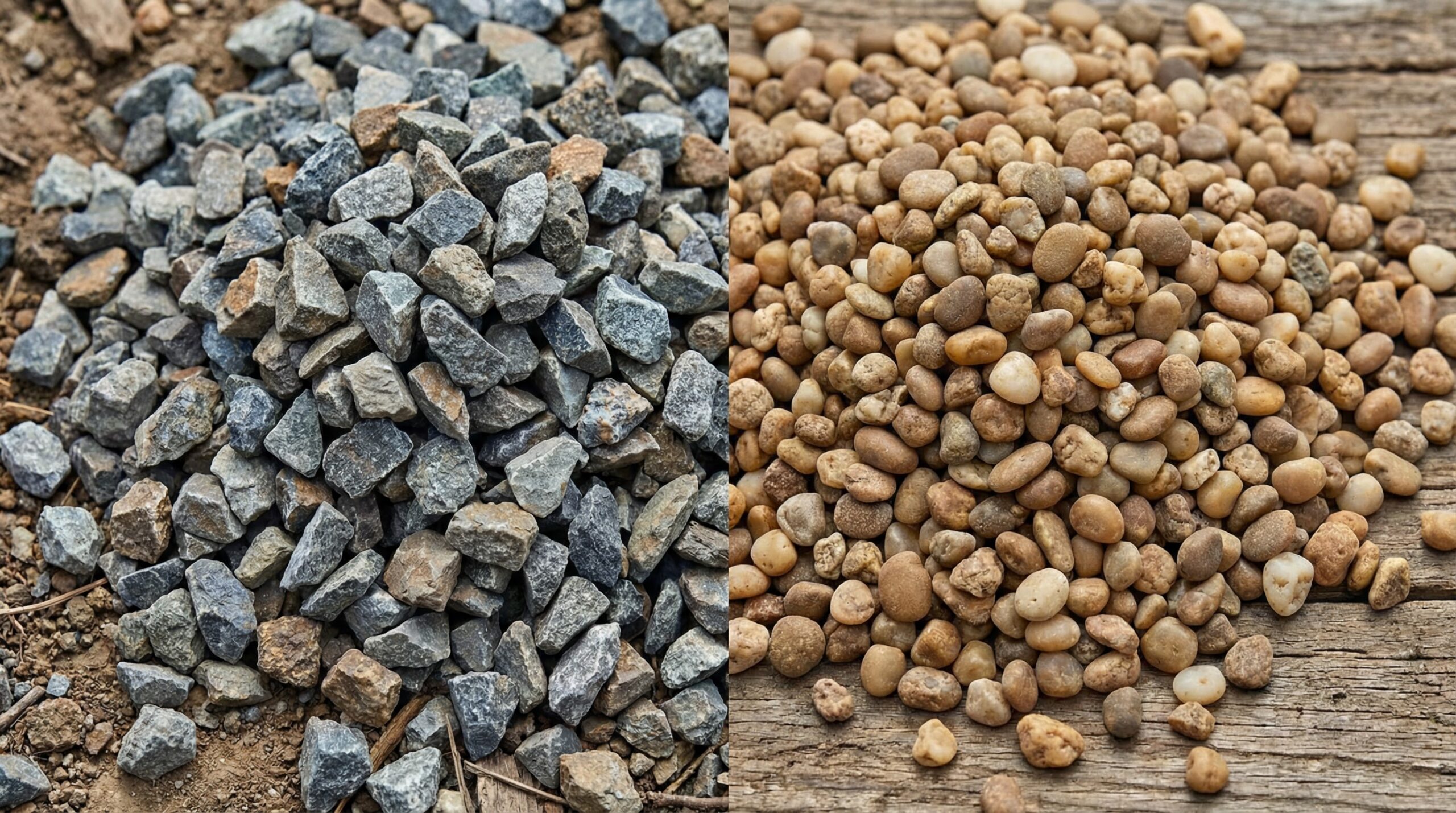
Choosing between crushed gravel and pea gravel for your next project can feel overwhelming. Both materials serve different purposes, and making the wrong choice could cost you time and money down the road.
The main difference is size and application: crushed gravel works best for high-traffic areas like driveways and foundations due to its angular shape and superior compaction, while pea gravel excels in decorative landscaping and low-traffic pathways because of its smooth, rounded appearance.
Quick fact: Crushed gravel typically costs 15-25% less per ton than pea gravel, making it the budget-friendly choice for larger projects.
Understanding these differences helps you select the right material for your specific needs, whether you’re building a new driveway, creating garden paths, or working on drainage solutions.
What makes crushed gravel different
Crushed gravel gets created by mechanically crushing larger rocks like limestone, granite, or trap rock. The result is angular pieces that typically measure between 0.5 to 2 inches across.
This angular shape is what gives crushed gravel its strength. When you compact it, those sharp edges lock together, creating a stable surface that can handle heavy loads. You’ll see it used for driveway bases, parking areas, and foundation work because it doesn’t shift under pressure.
The color varies depending on the source rock. Limestone creates gray and white tones, while granite produces darker grays and blacks. This variety lets you match your project’s aesthetic while getting the durability you need.
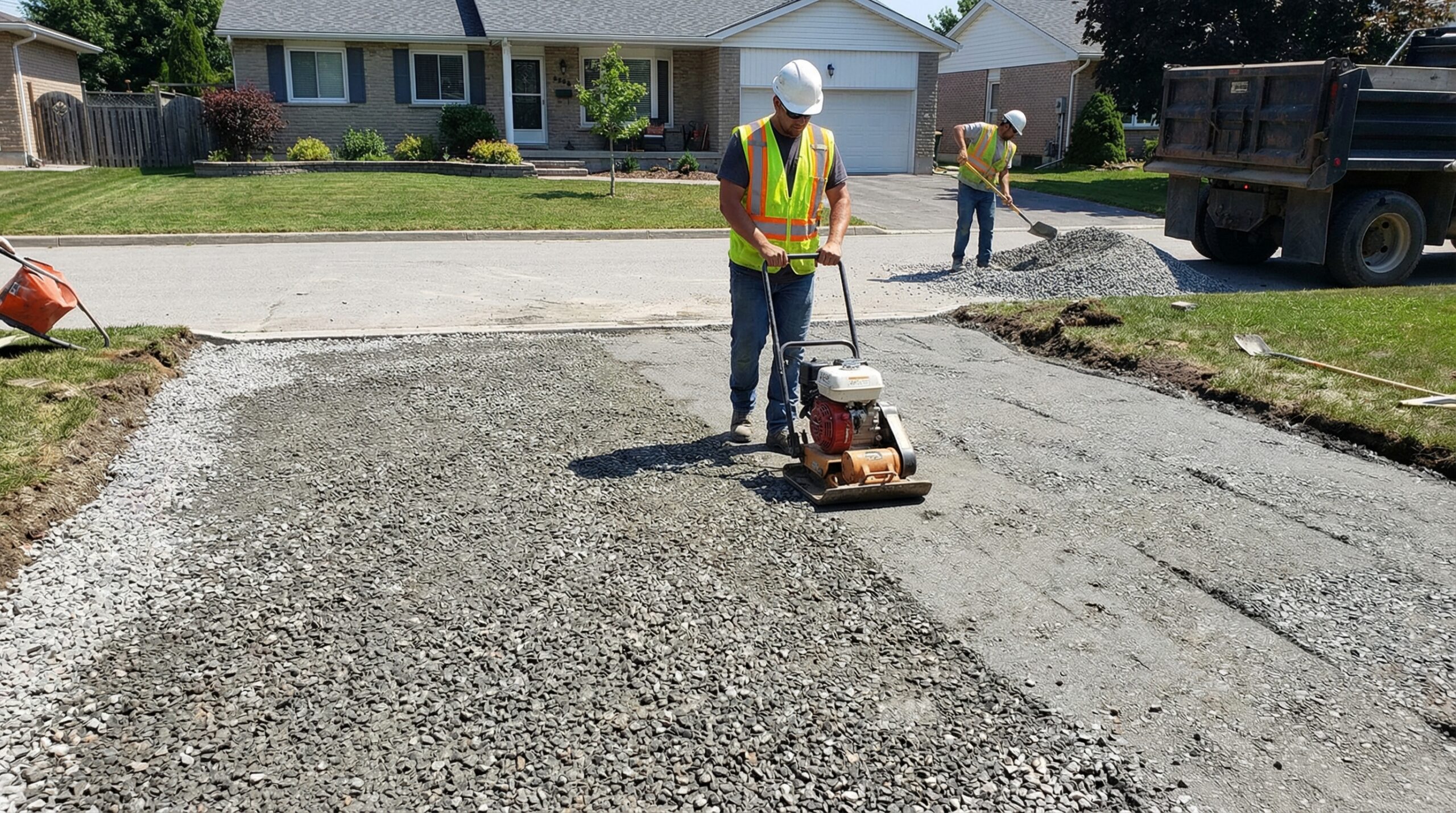
However, the sharp edges can make crushed gravel uncomfortable to walk on barefoot. It also tends to compact over time, which means you might need occasional regrading and replenishing to maintain its appearance.
Understanding pea gravel characteristics
Pea gravel gets its name from its small, rounded shape that resembles garden peas. These smooth stones typically measure between 1/8 and 3/8 of an inch, making them much smaller than crushed gravel.
Unlike crushed stone, pea gravel forms naturally through water erosion in riverbeds and coastal areas. This natural process creates the smooth, rounded edges that make pea gravel comfortable to walk on barefoot. If you’re interested in learning more about the various sizes of pea gravel available, different size options can impact your project’s outcome.
You’ll find pea gravel in earth tones like brown, tan, and cream, though some suppliers offer colored varieties. The natural appearance makes it perfect for decorative applications where you want a softer, more organic look.
Important note: Pea gravel doesn’t compact well due to its rounded shape, which makes it unsuitable for heavy vehicle traffic but perfect for foot traffic areas.
The loose nature of pea gravel also provides excellent drainage, making it ideal for areas where water runoff is a concern. However, this same characteristic means it can shift and scatter, requiring occasional maintenance to keep it looking neat.
Comparing costs and maintenance needs
When it comes to cost, crushed gravel generally wins the budget battle. You’ll typically pay 15-25% less per ton compared to pea gravel, though exact prices depend on your location and the specific type of stone.
The maintenance requirements differ significantly between the two materials. Crushed gravel stays in place better due to its interlocking angular pieces, requiring less frequent touch-ups. You might need to add fresh material every few years and occasionally regrade the surface.
Pea gravel requires more regular maintenance because the rounded stones don’t lock together. You’ll find yourself raking it back into place and adding new material more frequently, especially in high-traffic areas or after heavy rains. For those considering a pea gravel parking area, understanding how to maintain a pea gravel parking pad can help you keep your investment looking its best.
| Feature | Crushed Gravel | Pea Gravel |
|---|---|---|
| Cost per ton | $15-30 | $20-40 |
| Maintenance frequency | Low (every 2-3 years) | Medium (every 1-2 years) |
| Compaction ability | Excellent | Poor |
| Comfort underfoot | Rough | Smooth |
Choosing the right gravel for your project
Your project type should guide your gravel selection. For driveways and parking areas where vehicles will regularly travel, crushed gravel provides the stability and durability you need. The angular pieces create a firm surface that won’t shift under the weight of cars and trucks. However, if you’re set on using pea gravel for vehicle access, explore the benefits of a pea gravel driveway to understand the proper installation techniques.
Pea gravel shines in decorative applications like garden paths, around plants, and in areas where people walk barefoot. Its smooth texture and natural appearance complement landscaping beautifully, and the excellent drainage helps prevent water pooling around plants. For specific applications, you might want to learn about using pea gravel for decorative garden borders.

Consider your local climate too. In areas with heavy rainfall, both materials drain well, but pea gravel’s superior drainage makes it ideal for wet regions. For freeze-thaw cycles, crushed gravel’s stability gives it an advantage since it won’t shift as much during temperature changes.
Pro tip: Many successful projects use both materials – crushed gravel for the base layer and pea gravel as a decorative top layer in appropriate areas.
The choice between crushed gravel and pea gravel ultimately depends on balancing your project’s functional needs with your aesthetic preferences and budget. Crushed gravel delivers unmatched stability and value for structural applications, while pea gravel provides beauty and comfort for decorative uses. Consider your specific requirements, maintenance willingness, and long-term goals to make the best decision for your outdoor space. For a deeper understanding of pea gravel’s versatility, check out this comprehensive guide to pea gravel that covers everything from installation to applications.


