How to maintain a pea gravel parking pad for lasting durability

Get an estimate for your project in 60 seconds
 Your information is secure
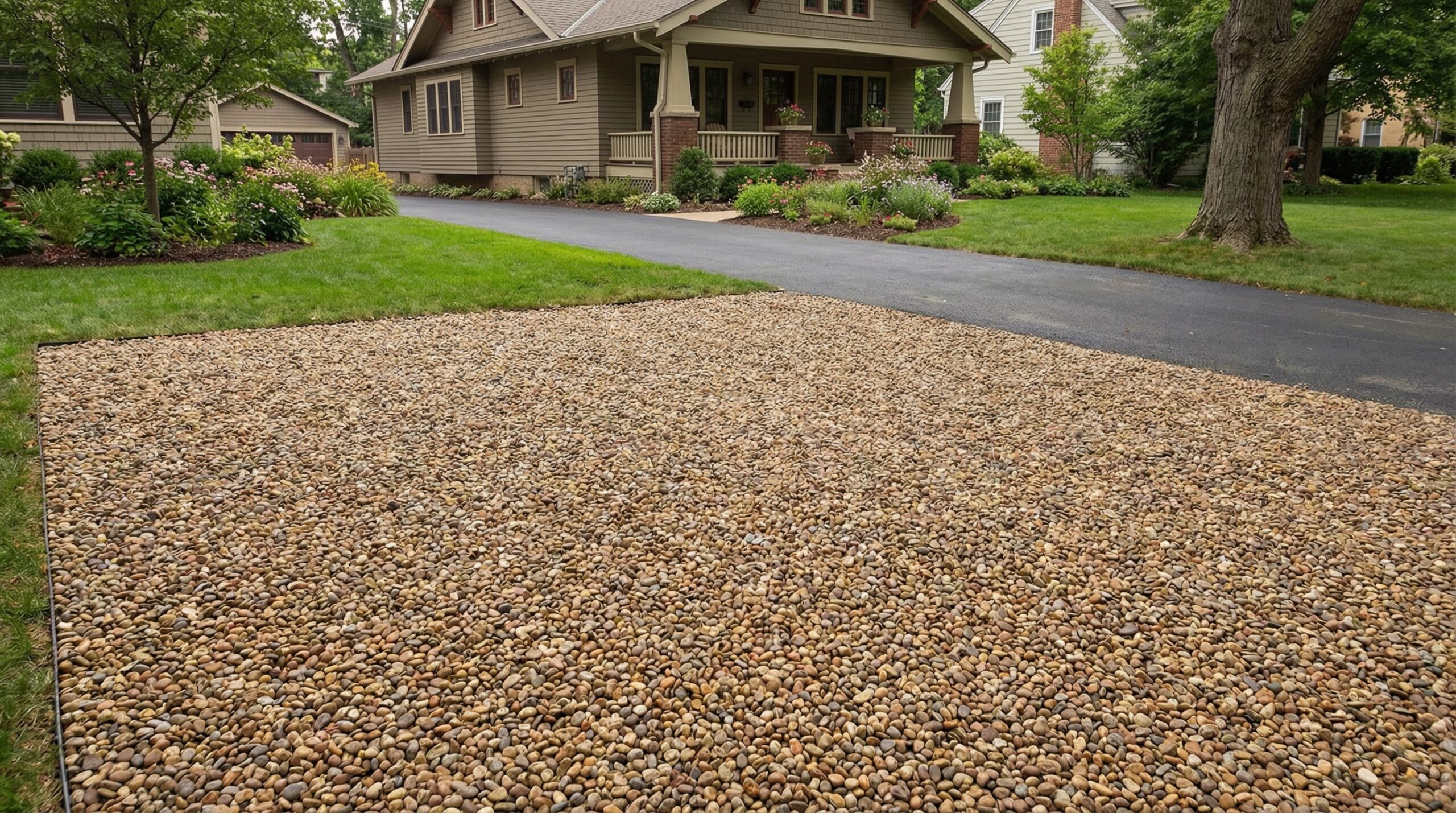
Maintaining your pea gravel parking pad doesn’t have to be complicated or time-consuming. With the right approach, you can keep it looking pristine and functioning perfectly for years to come. The key lies in understanding how pea gravel behaves and implementing a simple maintenance routine that prevents common problems before they start.
Quick maintenance tip: Regular raking every 2-3 weeks prevents major surface issues and keeps your parking pad level and attractive.
Your pea gravel parking pad offers excellent drainage and an attractive appearance, but like any outdoor surface, it needs attention to maintain its benefits. The small, rounded stones that make pea gravel so appealing also make it prone to shifting and spreading without proper care. Understanding these characteristics helps you maintain your investment effectively. If you’re considering building one from scratch, check out our guide on creating a DIY pea gravel parking pad for comprehensive installation tips.
Keep your surface level with regular raking
Pea gravel naturally shifts under vehicle weight and weather conditions, creating uneven surfaces that can become problematic over time. Regular raking redistributes the stones evenly and prevents the formation of ruts or thin spots that compromise both appearance and functionality.
Use a landscape rake with flexible tines to gently redistribute gravel without damaging the underlying base. Focus on areas where vehicles typically park, as these spots experience the most compaction and displacement. According to bobvila.com, raking should be done every few weeks during heavy use periods and monthly during lighter use seasons.
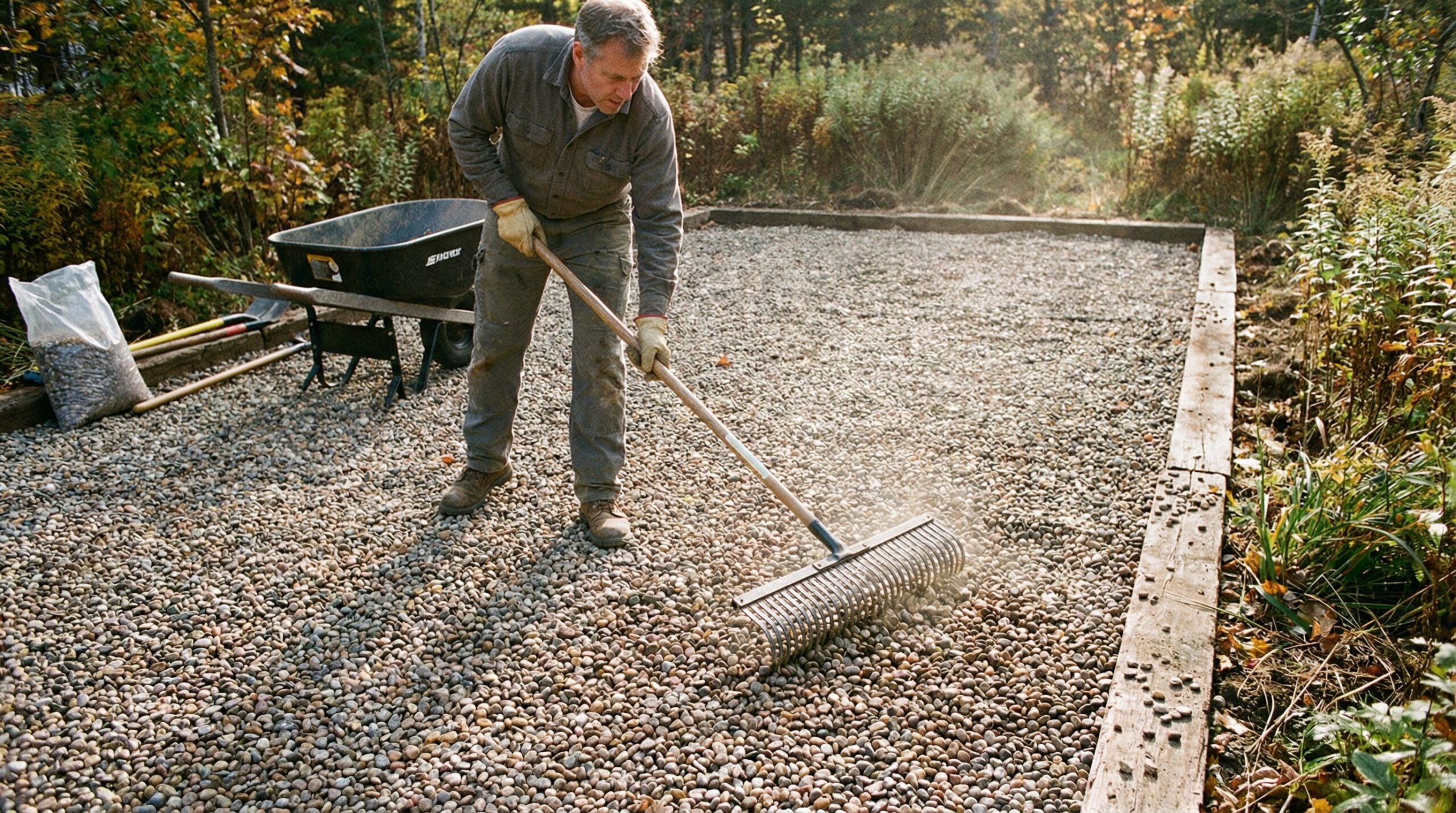
The raking process also helps you identify potential drainage issues or areas where additional gravel might be needed. Pay attention to spots where gravel seems to consistently migrate away from, as these may indicate underlying problems that need addressing.
Control weeds before they take hold
Weed prevention starts with proper installation techniques, but ongoing maintenance keeps unwanted plants from establishing themselves in your parking pad. A quality landscape fabric barrier installed during construction provides the foundation for long-term weed control.
When weeds do appear, remove them immediately by hand-pulling or using targeted natural treatments. 3dev.hellogravel.com recommends using boiling water or vinegar solutions for spot treatment of persistent weeds without damaging surrounding gravel or affecting drainage.
Prevention strategy: Maintaining proper gravel depth of 3-4 inches creates an environment that naturally discourages weed growth while supporting vehicle weight.
Regular inspection helps you catch weed problems early when they’re easiest to address. Walk your parking pad monthly, looking for any green growth between stones, and address issues promptly to prevent root systems from becoming established.
Refresh gravel levels strategically
Over time, pea gravel naturally compacts and spreads beyond your parking pad boundaries, requiring periodic replenishment to maintain proper depth and coverage. Most parking pads need fresh gravel every 2-3 years, depending on usage levels and local weather conditions. Understanding the ideal pea gravel size for your specific application ensures you’re using the right material for optimal performance.
Focus your gravel additions on high-traffic areas where vehicles regularly park and turn. These zones experience the most wear and typically show thinning first. When adding new gravel, rake it into existing material to create a seamless surface that maintains proper drainage characteristics. If you need to replenish your supply, consider convenient bulk pea gravel delivery to save time and effort.
The timing of gravel refresh matters significantly. Spring provides ideal conditions for this maintenance, allowing you to address any winter damage while preparing your parking pad for increased summer use. truegridpaver.com suggests that proper timing of maintenance extends the overall lifespan of your parking pad investment.
Address drainage and edge containment
Proper drainage prevents water from pooling and washing away your gravel investment. Check that water flows away from your parking pad rather than collecting in low spots that can create soft areas or promote weed growth. For more information on optimizing water flow, explore our guide on the best pea gravel size for drainage applications.
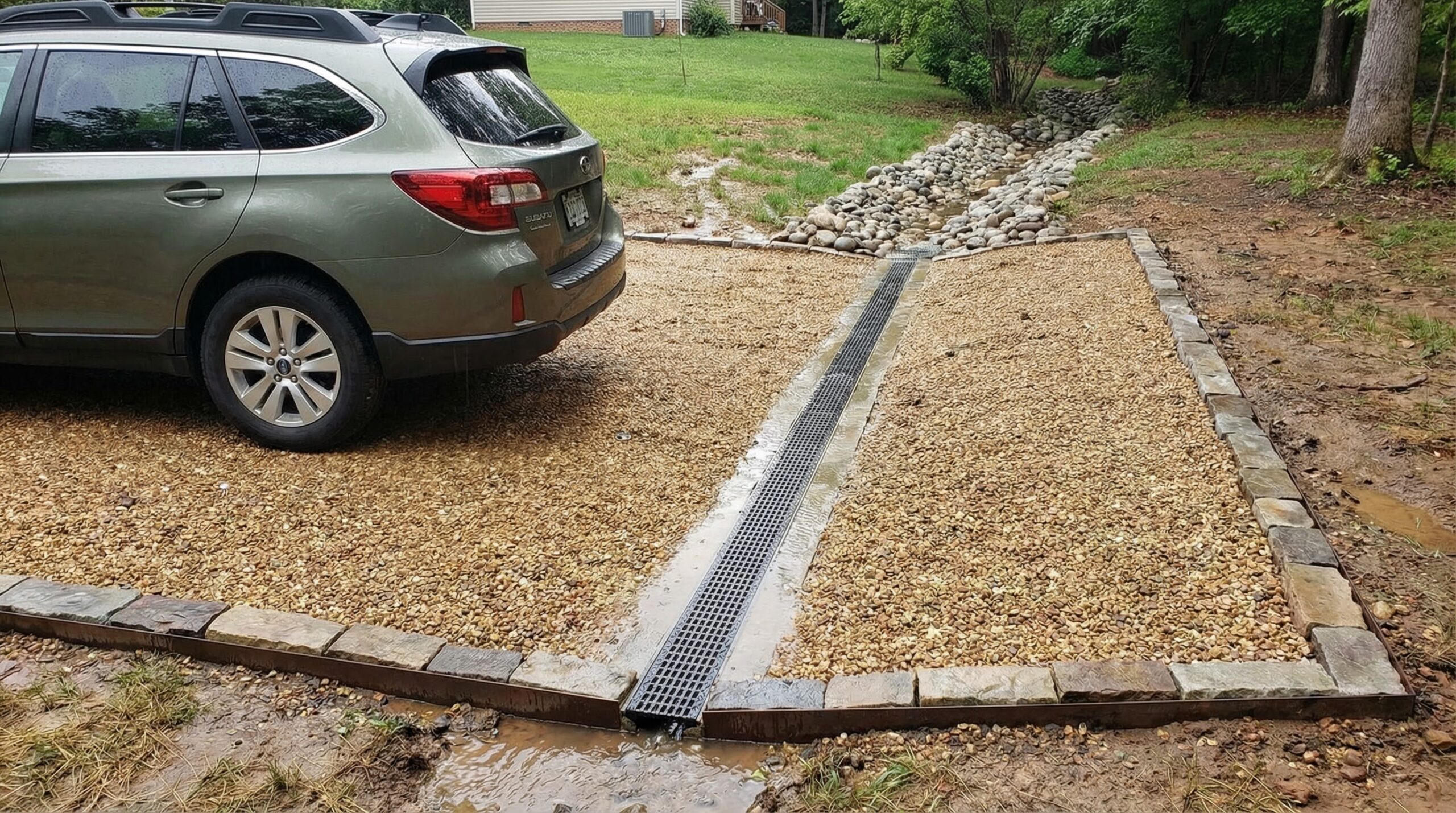
Edge containment keeps your pea gravel where it belongs rather than migrating into surrounding landscape areas. Install or maintain borders using landscape edging, pavers, or other containment methods that complement your property’s aesthetic while serving a functional purpose. Learn more about using pea gravel for decorative garden borders to create attractive transitions between your parking area and landscaping.
| Maintenance Task | Frequency | Season | Time Required |
|---|---|---|---|
| Raking and leveling | Every 2-3 weeks | Year-round | 30-45 minutes |
| Weed removal | Monthly inspection | Growing season | 15-30 minutes |
| Gravel refresh | Every 2-3 years | Spring | 4-6 hours |
| Edge maintenance | Twice yearly | Spring/Fall | 1-2 hours |
Regular attention to these drainage and containment elements prevents larger problems that require more extensive repairs. A well-maintained parking pad with proper drainage can last decades with minimal intervention.
Your pea gravel parking pad represents a smart investment in both functionality and curb appeal. By following these maintenance practices consistently, you’ll enjoy a beautiful, durable surface that enhances your property value while providing reliable vehicle access. The key to success lies in staying ahead of problems through regular attention rather than waiting for issues to develop into major repairs. To explore other applications and benefits, read about the versatility and beauty of pea gravel in landscaping projects.


