How to Dispose of Fill Dirt Properly A Complete Guide for 2026
Get an estimate for your project in 60 seconds
 Your information is secure

Disposing of excess fill dirt from your construction or landscaping project doesn’t have to be a headache. Whether you’re dealing with clean subsoil from foundation work or contaminated material from excavation, understanding your disposal options helps you avoid costly fines and environmental issues while potentially saving money.
The key is knowing what type of fill dirt you have and choosing the right disposal method. Clean fill dirt can often be reused or sold, while contaminated material requires special handling through licensed facilities.
Quick Answer: Clean fill dirt typically costs $10-30 per cubic yard to dispose of professionally, while contaminated soil can cost $50-200 per cubic yard depending on contamination levels and local regulations.
Understanding what you’re disposing of
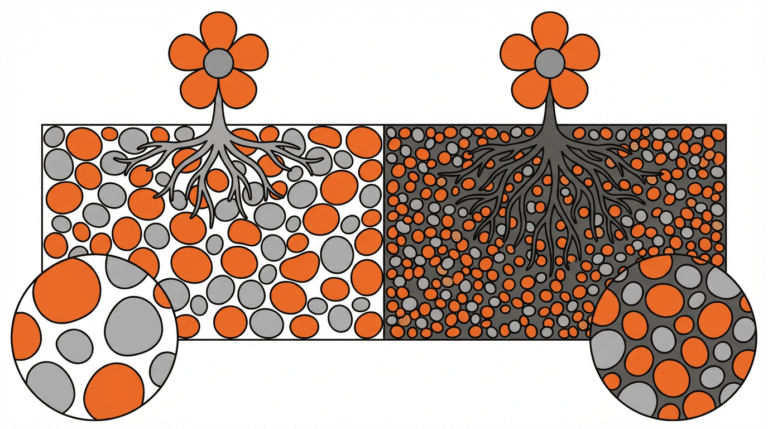
Fill dirt consists of subsoil layers containing sand, clay, and rock particles with minimal organic content. Unlike topsoil, this material comes from deeper underground and lacks the nutrients needed for plant growth. According to 3dev.hellogravel.com, structural fill dirt is specifically engineered to provide stable foundations without organic matter that could decompose and cause settling.
The composition of your fill dirt determines your disposal options. Understanding the difference between clean fill dirt and topsoil is crucial when deciding on disposal methods. Clean fill contains no contaminants like oil, chemicals, or construction debris. This material often has value for other construction projects. Contaminated fill requires special handling and disposal at licensed facilities, significantly increasing costs.
Testing your fill dirt helps identify any contaminants that affect disposal methods. Simple visual inspection can reveal obvious issues like oil stains or unusual odors, but professional testing may be necessary for projects involving industrial sites or areas with potential contamination history.
Professional disposal services
Hiring a professional disposal service offers the most convenient and compliant solution for most projects. These companies handle transportation, proper disposal site selection, and all necessary permits. Professional services typically charge $15-40 per cubic yard including pickup and disposal fees.
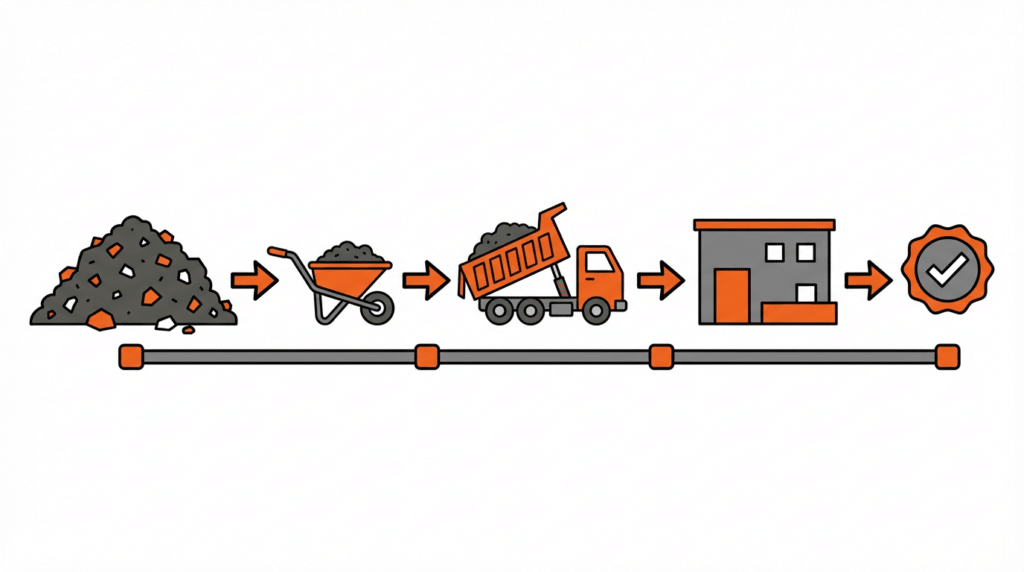
The process starts with a site assessment where the disposal company evaluates your fill dirt quantity and quality. They provide equipment like dump trucks or roll-off containers based on your project size. Most reputable companies also handle the paperwork required for legal disposal at approved facilities.
When selecting a disposal service, verify their licensing and insurance coverage. Ask about their disposal methods and whether they separate clean fill for reuse versus sending everything to landfills. Companies that maximize reuse often offer better pricing since they can offset costs by selling clean material.
Pro Tip: Get quotes from multiple disposal companies and ask specifically about their clean fill separation practices, as this can significantly reduce your disposal costs.
Reuse and resale opportunities
Clean fill dirt often has significant value for landscaping and construction projects. Many contractors actively seek quality fill material for grading work, foundation preparation, and site development. According to 3dev.hellogravel.com, fill dirt excels at creating stable, compacted bases under structures.
Online marketplaces, local classified ads, and construction forums provide platforms for selling excess fill dirt. Price your material competitively based on local market rates, typically $5-15 per cubic yard for clean fill. Include details about soil composition, testing results if available, and delivery options.
Consider donating clean fill dirt to community projects, schools, or nonprofit organizations working on landscaping initiatives. This approach eliminates disposal costs while supporting local causes. Many municipalities also accept clean fill for public works projects like park development or road maintenance. If you’re wondering about alternative uses for fill dirt, there are numerous creative applications for your property.
Before selling or donating, ensure your fill dirt meets quality standards. Remove any debris, test for contaminants if necessary, and provide accurate descriptions of soil composition to potential buyers. For those interested in fill dirt recycling options, many communities now offer sustainable programs that repurpose excavated materials.
Cost-effective disposal strategies
| Disposal Method | Cost Range | Best For | Timeline |
|---|---|---|---|
| Professional Service | $15-40/yard | Large volumes, contaminated soil | 1-3 days |
| Sell/Donate | $0-15/yard profit | Clean fill, small projects | 1-2 weeks |
| Reuse On-Site | $0 | Property improvements | Immediate |
| Landfill Direct | $20-50/yard | Last resort option | Same day |
Planning ahead reduces disposal costs significantly. Schedule removal during off-peak times when disposal companies offer better rates. Coordinate with neighboring projects that might need fill material, creating mutual cost savings.
Separating clean fill from contaminated material on-site maximizes reuse opportunities and minimizes expensive hazardous waste disposal fees. Simple sorting during excavation prevents clean soil from becoming contaminated and requiring special handling.
Money-Saving Insight: Timing your disposal during winter months or coordinating with multiple projects in your area can reduce costs by 20-30% compared to peak construction season rates.
Consider partial reuse for your own property improvements before disposing of excess material. Fill dirt works well for leveling low spots, creating raised garden areas, or improving drainage around foundations. If you’re planning yard improvements with fill dirt, you can significantly reduce disposal volumes. Understanding whether fill dirt drains well helps you make informed decisions about reusing material for drainage projects. Even using a portion of your excess material reduces overall disposal volumes and costs.
Legal requirements and permits
Most municipalities regulate fill dirt disposal to protect environmental and public health. Dumping fill dirt on private property without permission or in unauthorized locations can result in fines ranging from $500 to $10,000 depending on local ordinances and environmental impact.
Licensed disposal facilities must accept your fill dirt and provide proper documentation of disposal. Keep receipts and disposal certificates for your records, especially for commercial projects where environmental compliance documentation may be required for permits or inspections.
Some areas require permits for transporting large quantities of soil, particularly if crossing municipal boundaries. Check with local authorities about transportation requirements and any restrictions on disposal timing or methods in your area.
When working with disposal companies, verify they handle all permit requirements and provide proper documentation. Reputable services include permit costs in their quoted prices and ensure full regulatory compliance throughout the disposal process.
Ready to dispose of your fill dirt properly and cost-effectively? Contact Hello Gravel for professional disposal services that handle everything from pickup to proper documentation. Our experienced team ensures compliant, environmentally responsible disposal while offering competitive pricing for projects of any size.