Structural Fill Dirt for Construction Complete Guide to Types and Selection

Get an estimate for your project in 60 seconds
 Your information is secure
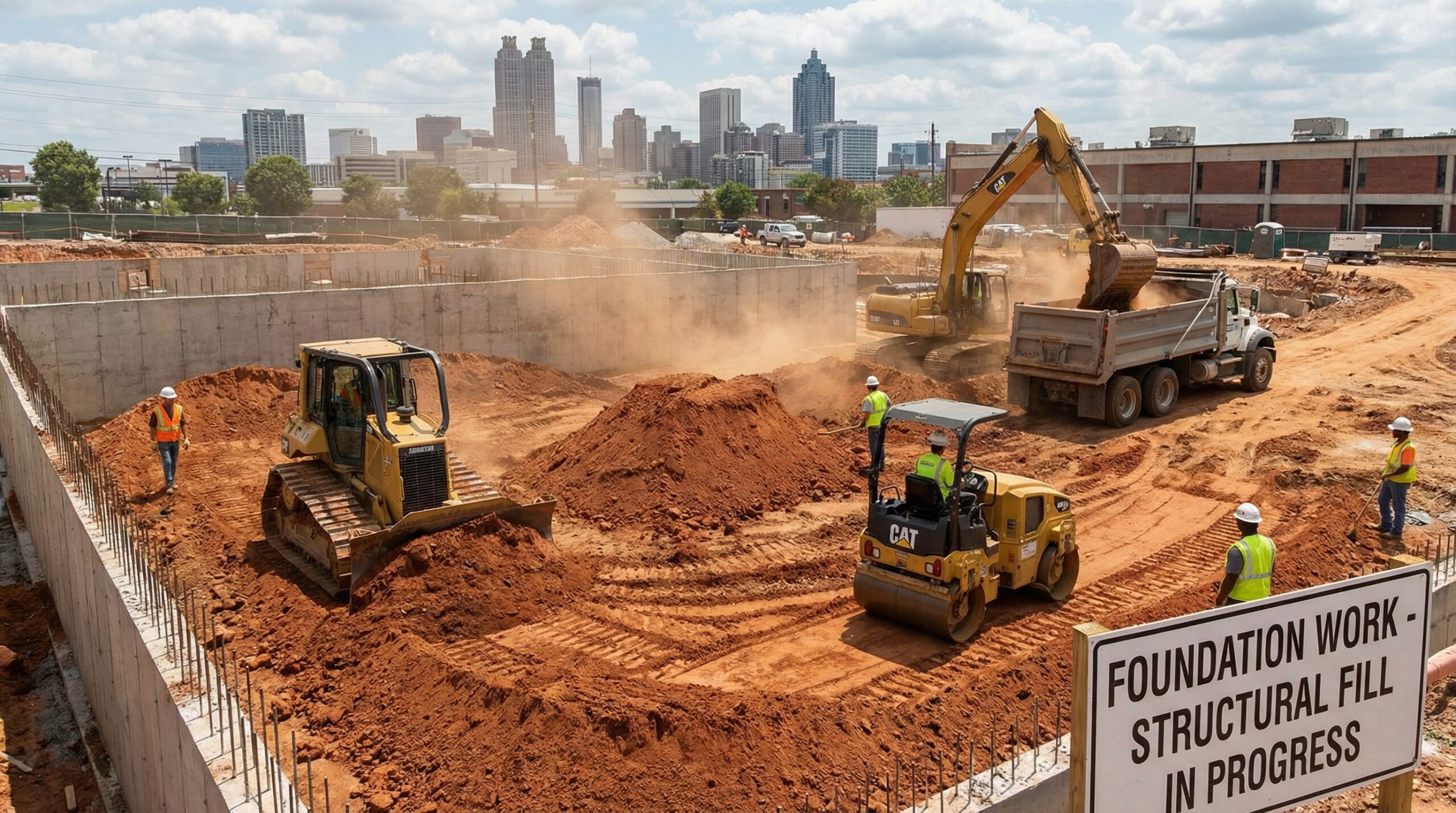
Structural fill dirt forms the backbone of every successful construction project, providing the stable foundation that keeps buildings, roads, and structures standing strong for decades. Unlike regular topsoil that contains organic matter, structural fill dirt consists of carefully selected subsoil materials designed specifically for load-bearing applications.
Key Insight: Structural fill dirt differs from regular topsoil because it’s free of organic materials that decompose and cause ground instability, making it essential for any construction requiring a solid foundation.
Whether you’re building a new home, constructing a commercial facility, or working on infrastructure projects, understanding the different types of structural fill dirt and how to select the right material can save you thousands in future repairs and ensure your project’s long-term success.
Understanding structural fill dirt composition
Structural fill dirt consists of subsoil material taken from beneath the organic topsoil layer. This engineered material typically contains sand, clay, and rock particles that have been carefully screened to remove organic matter, roots, and debris that could decompose over time.
The absence of organic content makes structural fill dirt incredibly stable. When organic materials break down, they create voids that cause uneven settling and potential structural damage. By using clean structural fill, you eliminate this risk entirely and create a foundation that won’t shift or settle unexpectedly.

According to 3dev.hellogravel.com, structural fill dirt also improves drainage around construction sites when properly graded, directing water away from foundations and preventing pooling that could undermine structural stability.
To better understand how structural fill differs from other soil materials, it’s helpful to explore the differences between topsoil and subsoil, as structural fill is primarily composed of subsoil layers.
Types of structural fill dirt for construction
Different construction projects require different types of structural fill dirt. Understanding these options helps you choose the material that best matches your specific project needs and soil conditions.
Common fill represents the most widely used option for large-scale construction projects. This material typically consists of a balanced mix of sand, clay, and rock particles, making it suitable for highway construction, building foundations, and general site preparation work.
Select fill undergoes additional processing to meet specific engineering requirements. Contractors often choose select fill when projects demand particular soil characteristics, such as specific clay content for water retention or sand content for improved drainage.
Pro Tip: Select fill costs more than common fill but provides superior consistency and performance for critical applications like foundation work and structural support.
Engineered fill represents the highest quality option, scientifically tested and certified to meet strict engineering standards. This material works best for projects requiring maximum stability and strength, such as bridge foundations, retaining walls, and heavy industrial construction.
| Fill Type | Best Applications | Key Benefits | Typical Cost Range |
|---|---|---|---|
| Common Fill | General construction, site prep | Cost-effective, readily available | $10-25 per cubic yard |
| Select Fill | Foundation work, specific soil needs | Consistent quality, meets specs | $20-35 per cubic yard |
| Engineered Fill | Critical structures, heavy loads | Tested performance, maximum stability | $30-50 per cubic yard |
For a comprehensive overview of all available options, check out our guide on fill dirt types to help you make the best decision for your project.
Selecting the right structural fill dirt
Choosing the appropriate structural fill dirt requires evaluating several key factors that directly impact your project’s success. The composition of your fill dirt should match your specific construction requirements and local soil conditions.
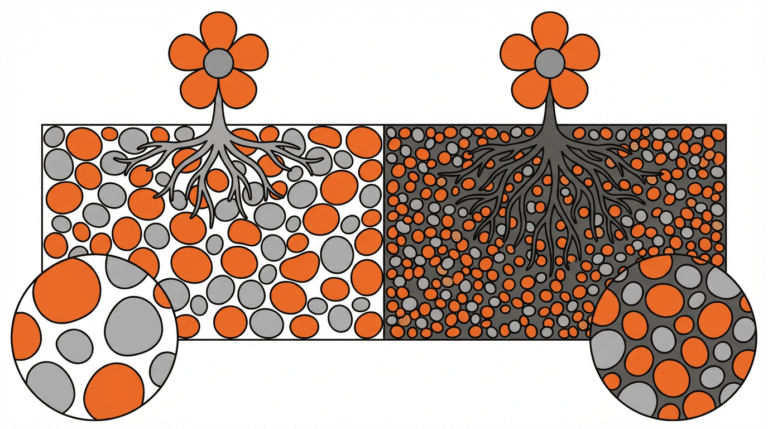
Soil composition plays the most critical role in selection. Clay-based fills compact exceptionally well and provide excellent load-bearing capacity, making them ideal for heavy structures. However, clay retains water and can become problematic in areas with poor drainage or high moisture levels.
Sand-based fills offer superior drainage properties and moderate compaction characteristics. These materials work particularly well in areas where water management is crucial, though they may require stabilization in applications with heavy loads or significant lateral forces. When deciding between materials, consider reading about fill dirt versus fill sand to understand which option suits your drainage needs.

Quality and consistency matter just as much as composition. Your structural fill should maintain uniform characteristics throughout the entire delivery, ensuring predictable performance across your construction site. Inconsistent material can lead to differential settling and structural problems.
Project-specific requirements also influence your choice. Foundation work demands the highest quality materials with proven stability – learn more about using fill dirt for foundation work to ensure your project starts on solid ground. General site grading may allow for more economical options without compromising safety or performance, and our guide on fill dirt for grading can help you understand those requirements.
Cost considerations and delivery options
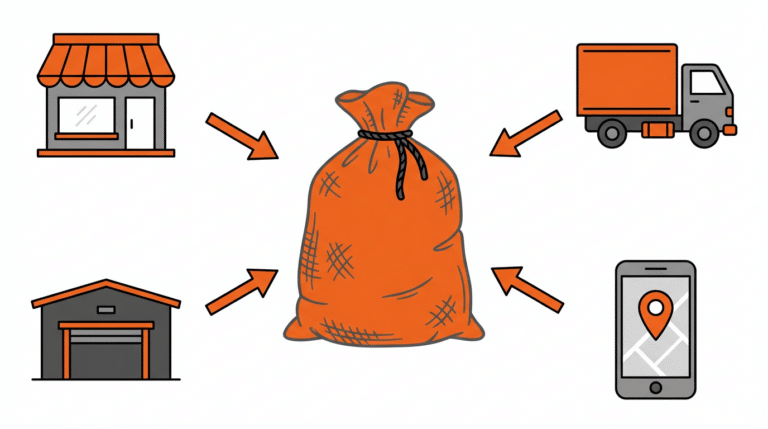
Understanding the true cost of structural fill dirt involves more than just the per-yard price. Transportation costs, delivery logistics, and project timing all impact your total investment in fill materials.
Transportation typically represents 30-50% of your total fill dirt costs, especially for projects located far from supply sources. Planning your delivery schedule to minimize trips and coordinating with other materials can help control these expenses.
Budget Planning: Factor in compaction rates when calculating quantities – most structural fill dirt compacts 10-15% during installation, so order accordingly to avoid project delays.
Hello Gravel offers comprehensive structural fill dirt solutions with transparent pricing and reliable delivery throughout your project area. Their experienced team can help you select the right material type and calculate accurate quantities based on your specific construction requirements. Before ordering, make sure you understand how much fill dirt you’ll need to complete your project efficiently.
Quality suppliers like Hello Gravel also provide material testing documentation and engineering support, ensuring your structural fill meets all project specifications and local building codes. This professional approach helps prevent costly delays and ensures your foundation work proceeds smoothly.
Working with structural fill dirt requires careful planning and attention to detail, but choosing the right material and supplier sets your construction project up for long-term success. Whether you need common fill for general construction or engineered fill for critical applications, understanding these fundamentals helps you make informed decisions that protect your investment and ensure structural integrity for years to come.