What Type of Sandy Soil is Best for Flower Beds? Complete Guide to Loamy Sand vs Sandy Loam
Get an estimate for your project in 60 seconds
 Your information is secure

Choosing the right sandy soil for your flower bed can make the difference between struggling plants and a vibrant garden that blooms all season long. Sandy soil offers excellent drainage that prevents root rot, but not all sandy soils are created equal when it comes to supporting flower growth.
Quick Answer: Sandy loam soil with 60% sand, 30% silt, and 10% clay provides the best balance of drainage and nutrient retention for most flower beds, while loamy sand works better for flowers that prefer drier conditions.
You’ll discover which sandy soil type matches your flower preferences, how to evaluate soil quality before planting, and practical steps to prepare your flower bed for success. Whether you’re growing drought-tolerant perennials or moisture-loving annuals, understanding these soil differences helps you create the perfect growing environment.
Understanding sandy soil composition and characteristics
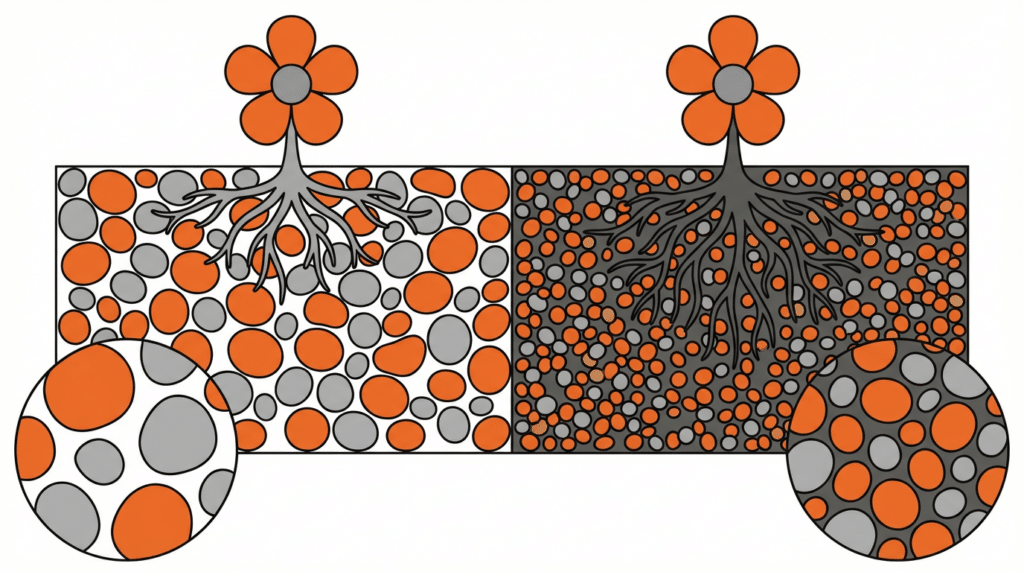
Sandy soil gets its name from containing over 50% sand particles that measure between 0.05mm and 2mm in diameter. These larger particles create spaces between them, allowing water and air to move freely through the soil structure.
When you rub sandy soil between your fingers, it feels gritty and rough, unlike the smooth texture of clay or the balanced feel of loam. The soil won’t hold its shape when squeezed and crumbles apart easily, which makes it simple to dig and work with during planting. Understanding different soil textures helps you identify exactly what you’re working with in your garden.
The formation process begins when rocks like granite, quartz, and sandstone break down through weathering over thousands of years. Wind, water, and temperature changes gradually turn solid rock into tiny particles that accumulate in gardens, coastal areas, and river valleys.

Types of sandy soil for flower beds
Two main types of sandy soil work well for flower beds, each offering different advantages depending on your flower choices and local climate conditions.
Sandy loam contains approximately 60% sand, 30% silt, and 10% clay particles. This balanced composition provides excellent drainage while retaining enough moisture and nutrients to support most flowering plants. The silt and clay particles help bind nutrients and prevent them from washing away during heavy rains.
Loamy sand consists of 70-85% sand with smaller amounts of silt and clay. This soil type drains even faster than sandy loam, making it ideal for Mediterranean plants, succulents, and flowers that prefer drier conditions. However, it requires more frequent watering and fertilizing since nutrients leach away quickly.
| Soil Type | Drainage Speed | Nutrient Retention | Best For | Amendments Needed |
|---|---|---|---|---|
| Sandy Loam | Moderate-Fast | Good | Most flowers, vegetables | Organic matter annually |
| Loamy Sand | Very Fast | Low | Drought-tolerant plants | Frequent compost, mulch |
Key Insight: Sandy loam costs between $20-$50 per cubic yard and provides better long-term value for flower beds since it requires fewer soil amendments compared to loamy sand.
The choice between these soil types depends on your flower preferences and maintenance commitment. Sandy loam works for gardeners who want diverse flower options with moderate care requirements, while loamy sand suits those growing specialized drought-resistant gardens. For those working with raised bed gardening, selecting the right sandy soil composition becomes even more critical.
Benefits of sandy soil for flower cultivation
Sandy soil offers several advantages that make it particularly suitable for flower bed cultivation, especially compared to heavy clay or poorly draining soils.
Excellent drainage prevents waterlogging that can kill flower roots within days. Most flowering plants need soil that drains within 4-6 hours after heavy rain, and sandy soil typically drains much faster than this requirement.
Quick spring warming allows you to plant flowers 2-3 weeks earlier than in clay soil. The loose structure and good air circulation help soil temperatures rise faster when spring arrives, giving you a longer growing season.
Easy cultivation makes planting, weeding, and garden maintenance much simpler. You can dig planting holes without heavy tools, and flower roots can penetrate the soil easily to establish strong root systems.
Reduced disease pressure occurs because fungi and bacteria that cause root rot struggle to survive in well-draining sandy conditions. This natural disease resistance helps keep your flowers healthier throughout the growing season.

The main challenge with sandy soil involves nutrient management, since essential plant foods wash away faster than in other soil types. However, this challenge becomes manageable with proper soil preparation and regular organic matter additions.
Evaluating and testing sandy soil quality
Before planting your flower bed, you need to assess your sandy soil’s current condition to determine what improvements might be necessary for optimal flower growth.
Texture testing helps you identify your exact soil type. Grab a handful of moist soil and squeeze it firmly. Sandy loam will hold together briefly before crumbling, while loamy sand falls apart immediately. Pure sand won’t hold together at all, indicating you’ll need significant amendments.
Drainage assessment involves digging a hole 12 inches deep and filling it with water. Good sandy soil should drain completely within 2-4 hours. If water remains after 6 hours, you may have underlying clay layers that need addressing.
pH testing reveals whether your soil falls within the ideal range of 6.0-7.0 for most flowers. Sandy soils often become acidic over time as basic minerals leach away, requiring lime additions to raise pH levels.
Pro Tip: Test soil pH in early spring before planting season, as it takes 4-6 weeks for lime amendments to fully adjust soil chemistry.
Nutrient evaluation through soil testing shows current levels of nitrogen, phosphorus, and potassium. Sandy soils typically show low nutrient levels, especially nitrogen, which washes away quickly during rainy periods. Understanding the differences between topsoil and subsoil can also help you determine which layer needs the most attention.
Preparing flower beds with sandy soil
Creating a successful flower bed in sandy soil requires specific preparation steps that address drainage benefits while improving nutrient retention and water-holding capacity.
Site preparation begins with removing weeds, grass, and debris from your planting area. Mark the bed boundaries and remove the top 2-3 inches of existing vegetation to create a clean planting surface.
Soil amendment involves adding 2-4 inches of compost or well-aged manure across the entire bed area. This organic matter improves water retention, adds nutrients, and creates beneficial microbial activity that supports flower growth. Choosing the right type of compost for flower bed preparation ensures your amendments provide maximum benefit.
Incorporation process requires mixing amendments into the top 8-10 inches of sandy soil using a garden fork or tiller. Work when soil is slightly moist but not wet to avoid compaction and achieve proper blending.
Final preparation includes raking the bed smooth and allowing it to settle for 1-2 weeks before planting. This settling period helps organic matter begin decomposing and creates stable soil structure.
Mulch application of 2-3 inches around planted flowers conserves moisture, suppresses weeds, and gradually adds organic matter as it decomposes. Choose organic mulches like shredded bark or compost for best results.
Regular maintenance keeps your sandy soil flower bed productive year after year. Add compost each spring, maintain mulch layers, and monitor soil moisture levels during dry periods. Test soil pH annually and adjust as needed to maintain optimal growing conditions for your chosen flowers. For those looking to expand their gardening knowledge, learning about choosing the right soil type for a thriving home garden provides valuable insights. With proper preparation and ongoing care, sandy soil creates an excellent foundation for beautiful, healthy flower beds that thrive in your garden.