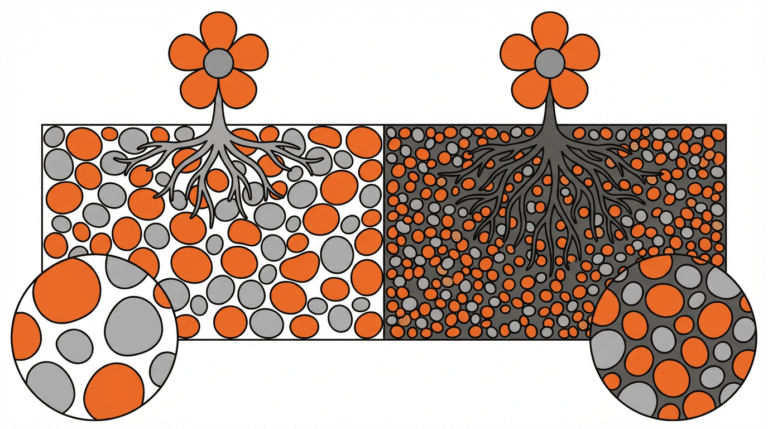
Where to Buy Fill Dirt in Bags Near Me 2026
Get an estimate for your project in 60 seconds
 Your information is secure
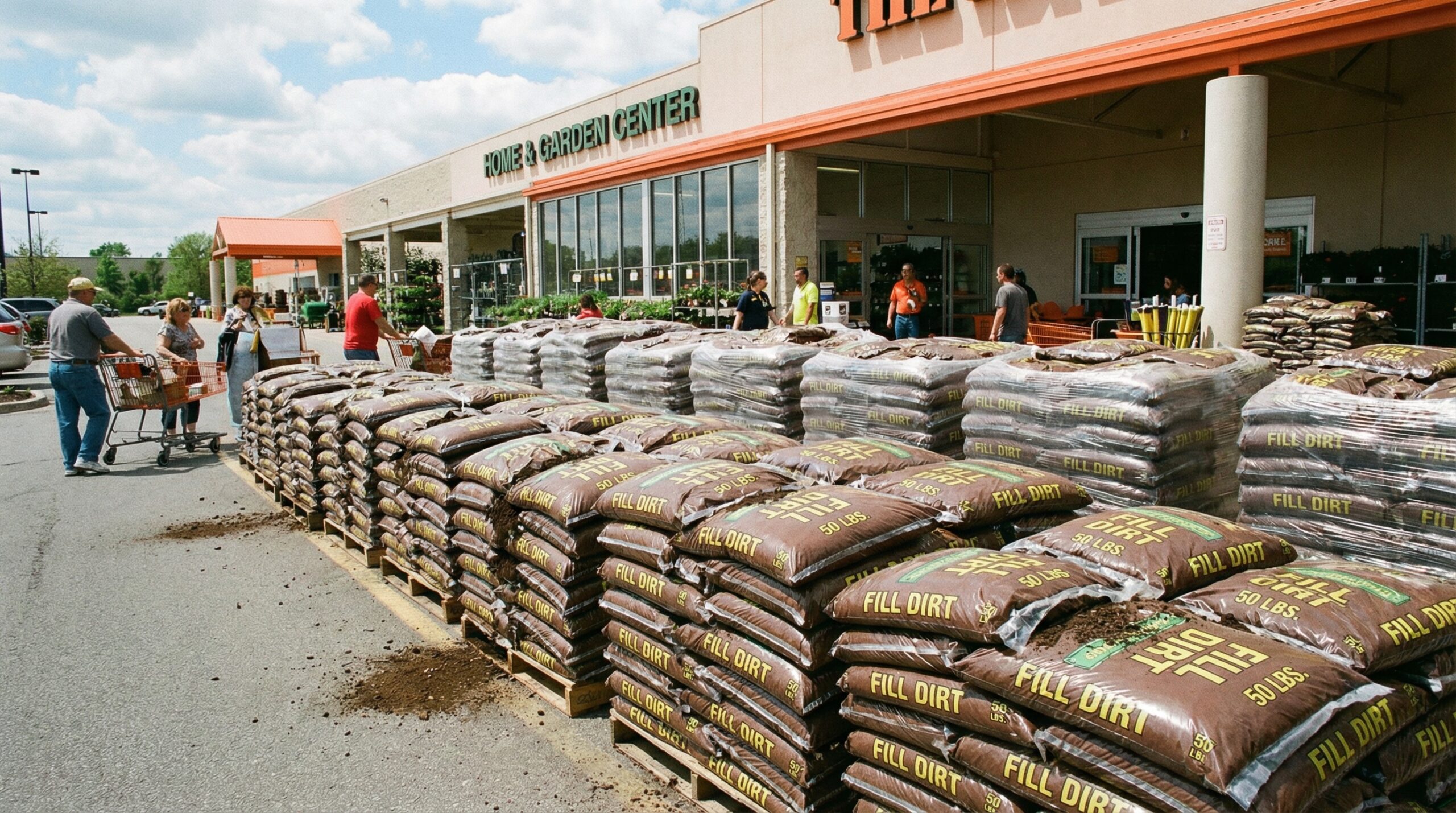
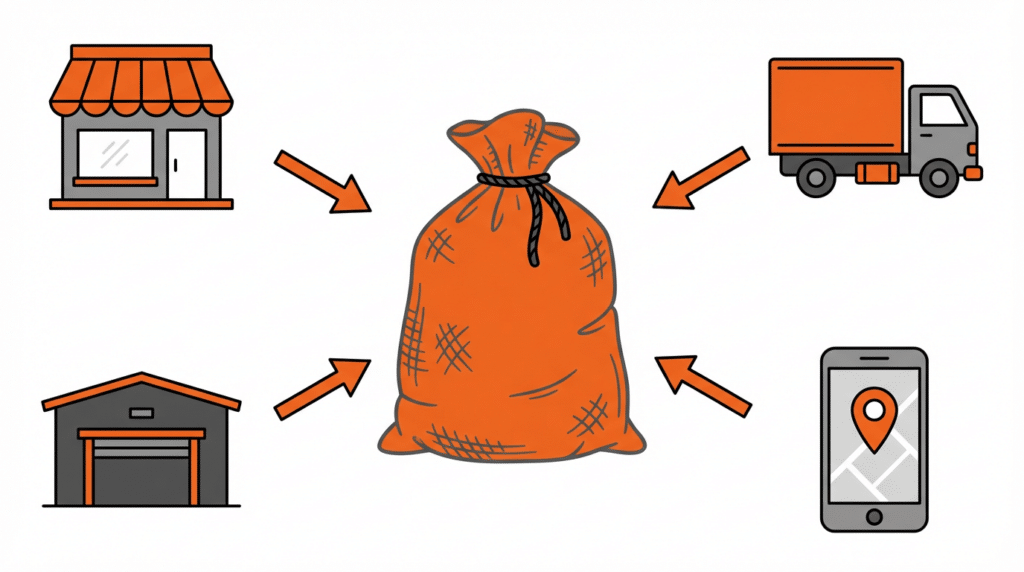
Finding bagged fill dirt for your project doesn’t have to be complicated. You can purchase fill dirt in bags from home improvement stores like Lowe’s and Home Depot, garden centers, online retailers, and specialty aggregate suppliers. Most bags weigh 40-50 pounds and cost between $3-8 per bag depending on quality and location.
Quick tip: Bagged fill dirt costs 30-50% more per cubic yard than bulk delivery but offers convenience for smaller projects under 5 cubic yards.
Whether you’re filling holes in your yard, creating a foundation base, or leveling uneven ground, bagged fill dirt provides the stability you need without the hassle of bulk delivery. Let’s explore your best options for purchasing quality fill dirt in manageable bag sizes.
Understanding what makes quality bagged fill dirt
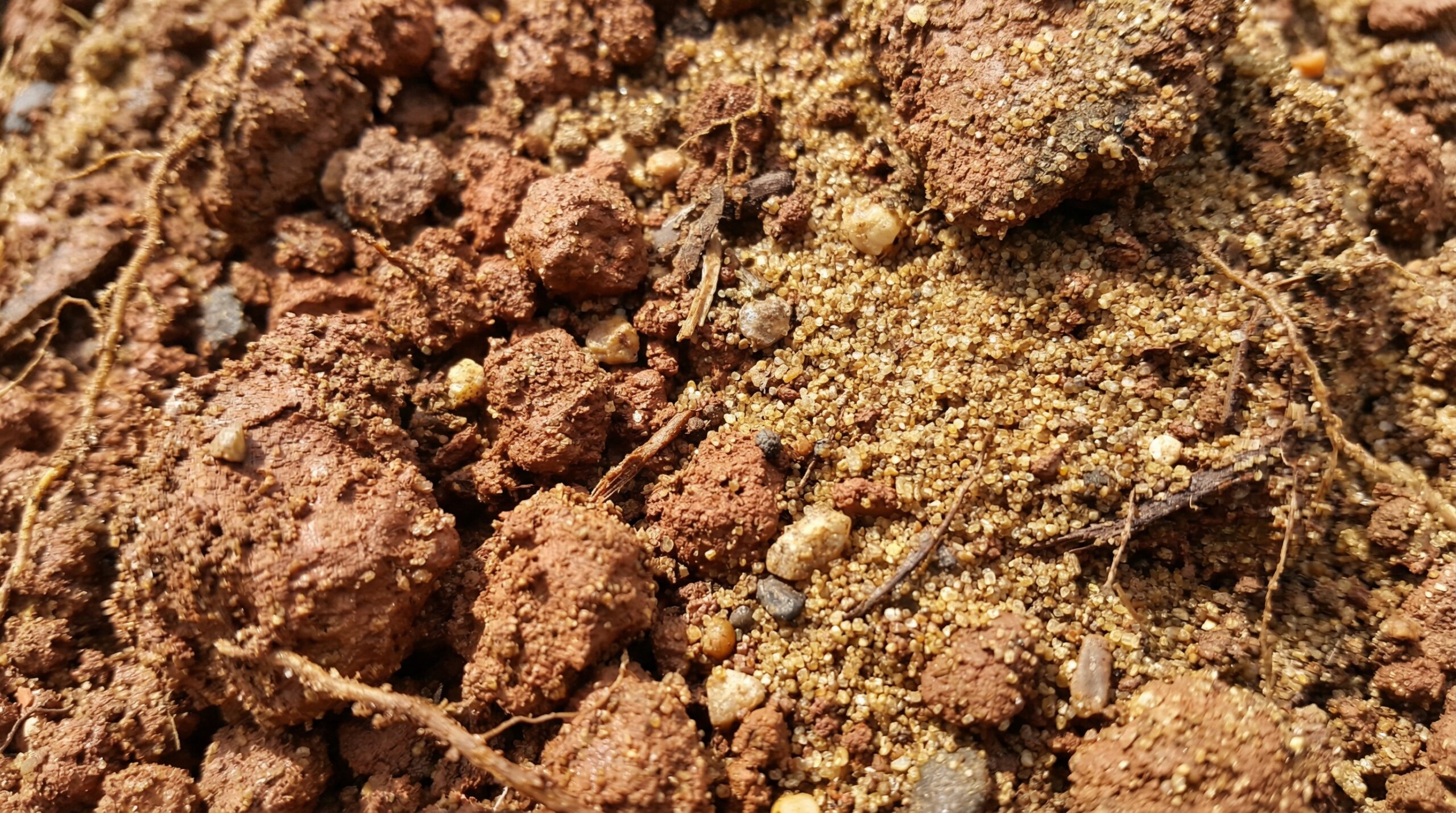
Fill dirt consists of subsoil layers containing sand, silt, and clay without organic matter that could decompose and cause settling. This composition makes it ideal for structural applications where stability matters more than fertility.
When shopping for bagged fill dirt, you want material that’s been screened to remove debris like rocks, roots, and contaminants. Quality suppliers test their screened fill dirt to ensure it meets safety standards and compacts properly for your project needs.
The absence of organic matter distinguishes fill dirt from topsoil. While topsoil supports plant growth, fill dirt creates stable foundations that won’t shift or settle over time. Understanding the differences between fill dirt and topsoil makes bagged fill dirt perfect for filling holes, raising ground levels, or creating bases for patios and walkways.
Best places to buy bagged fill dirt
Home improvement stores offer the most convenient option for purchasing bagged fill dirt. Lowe’s and Home Depot typically stock 40-50 pound bags from major manufacturers, with prices ranging from $3-6 per bag depending on your location.
Garden centers and nurseries often carry higher-quality bagged fill dirt, though at slightly higher prices. These retailers focus on landscaping materials and may offer better customer service and product knowledge than big box stores.
Online retailers provide another option, especially for bulk bag purchases. Companies like Hello Gravel offer screened, contaminant-free fill dirt with delivery options that can be more cost-effective than making multiple trips to the store.
Cost comparison: A typical yard hole requiring 2 cubic yards costs $120-200 using bagged fill dirt versus $50-80 for bulk delivery, but bags eliminate minimum order requirements.
Local aggregate suppliers often sell bagged fill dirt at competitive prices while offering expert advice for your specific project. These businesses understand local soil conditions and can recommend the best fill dirt types for your area.
How much bagged fill dirt you actually need
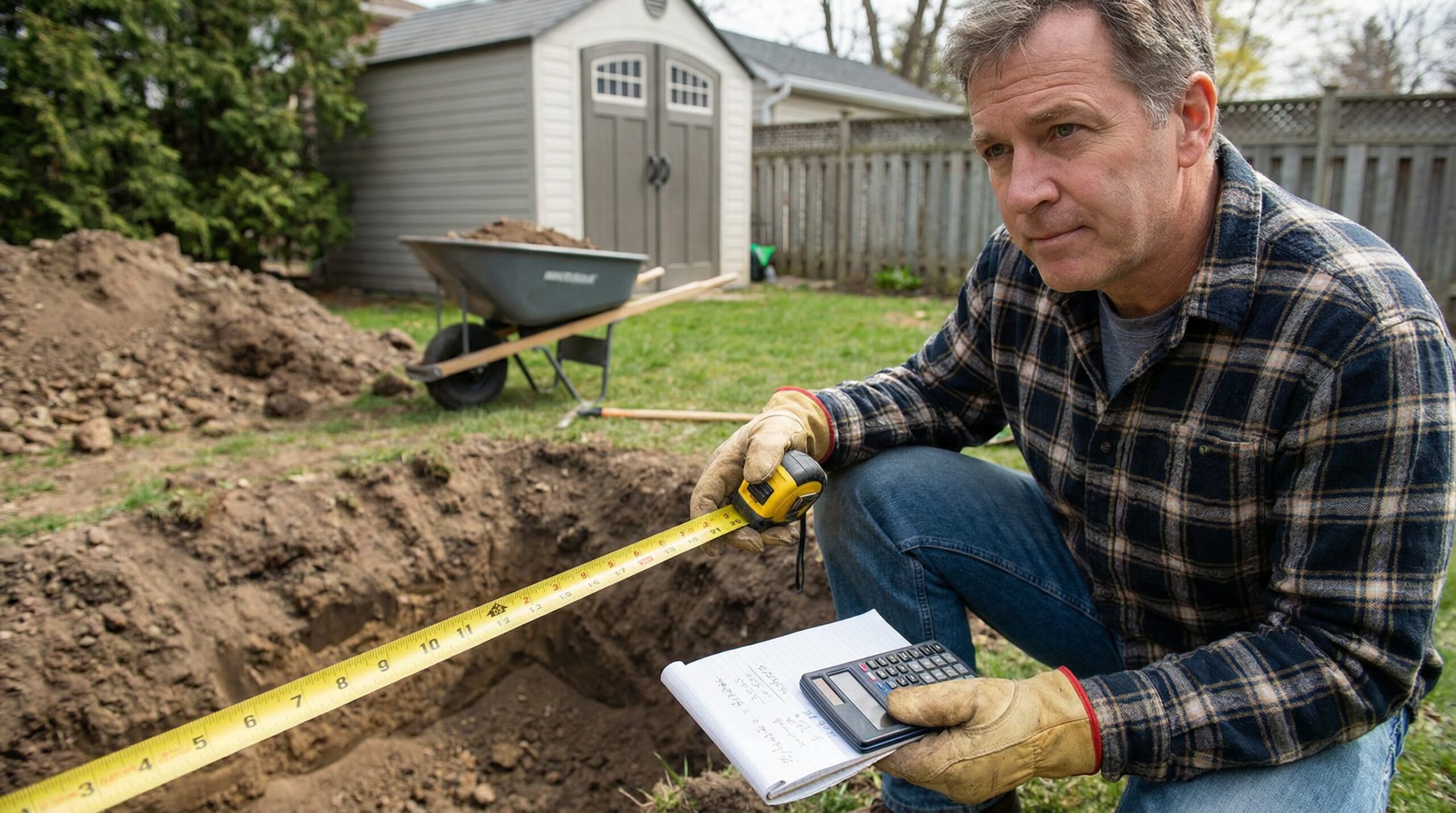
Calculate your fill dirt needs by measuring length × width × depth of the area you’re filling. Convert all measurements to feet, then divide by 27 to get cubic yards needed. Learn more about calculating how much fill dirt you need for accurate project planning.
A standard 50-pound bag of fill dirt covers approximately 0.5 cubic feet when spread 2 inches deep. For deeper applications, you’ll need more bags per square foot of coverage area.
| Project Type | Typical Depth | Bags per 100 sq ft |
|---|---|---|
| Hole filling | 6-12 inches | 25-50 bags |
| Ground leveling | 2-4 inches | 8-16 bags |
| Foundation base | 4-6 inches | 16-25 bags |
Most homeowners underestimate their fill dirt needs by 20-30%. Consider ordering 10-15% extra material to account for compaction and ensure you have enough to complete your project properly.
Tips for using bagged fill dirt effectively
Start by removing any vegetation, debris, or organic matter from your project area. This prevents future settling and ensures your fill dirt creates a stable foundation that lasts for years.
Place fill dirt in 6-8 inch layers, compacting each layer before adding the next. This technique, called lift placement, creates maximum stability and prevents air pockets that could cause settling later. For detailed guidance, check out our fill dirt installation guide.
Water each layer lightly before compacting to help particles bind together. Use a hand tamper for small areas or rent a plate compactor for larger projects. Proper compaction increases load-bearing capacity and prevents future problems.
Pro tip: Test compaction by walking on the filled area. Properly compacted fill dirt should feel solid underfoot without any give or bouncing sensation.
For areas that will support structures or heavy traffic, compact fill dirt to 95% of maximum density. This engineering standard ensures your foundation remains stable under load and meets most local building code requirements. If you’re working on fill dirt for foundation projects, proper compaction is especially critical.
Working with bagged fill dirt gives you control over placement and timing that bulk delivery can’t match. You can tackle your project in stages, store unused bags for future needs, and avoid the scheduling constraints of truck delivery.
Quality bagged fill dirt from reputable suppliers like Hello Gravel provides the foundation stability your project needs while offering the convenience of manageable bag sizes. Whether you’re filling a few holes or creating an entire building pad, choosing the right supplier and following proper installation techniques ensures lasting results that won’t settle or shift over time.