What is Pea Gravel Called in Different Regions and Industries
Get an estimate for your project in 60 seconds
 Your information is secure
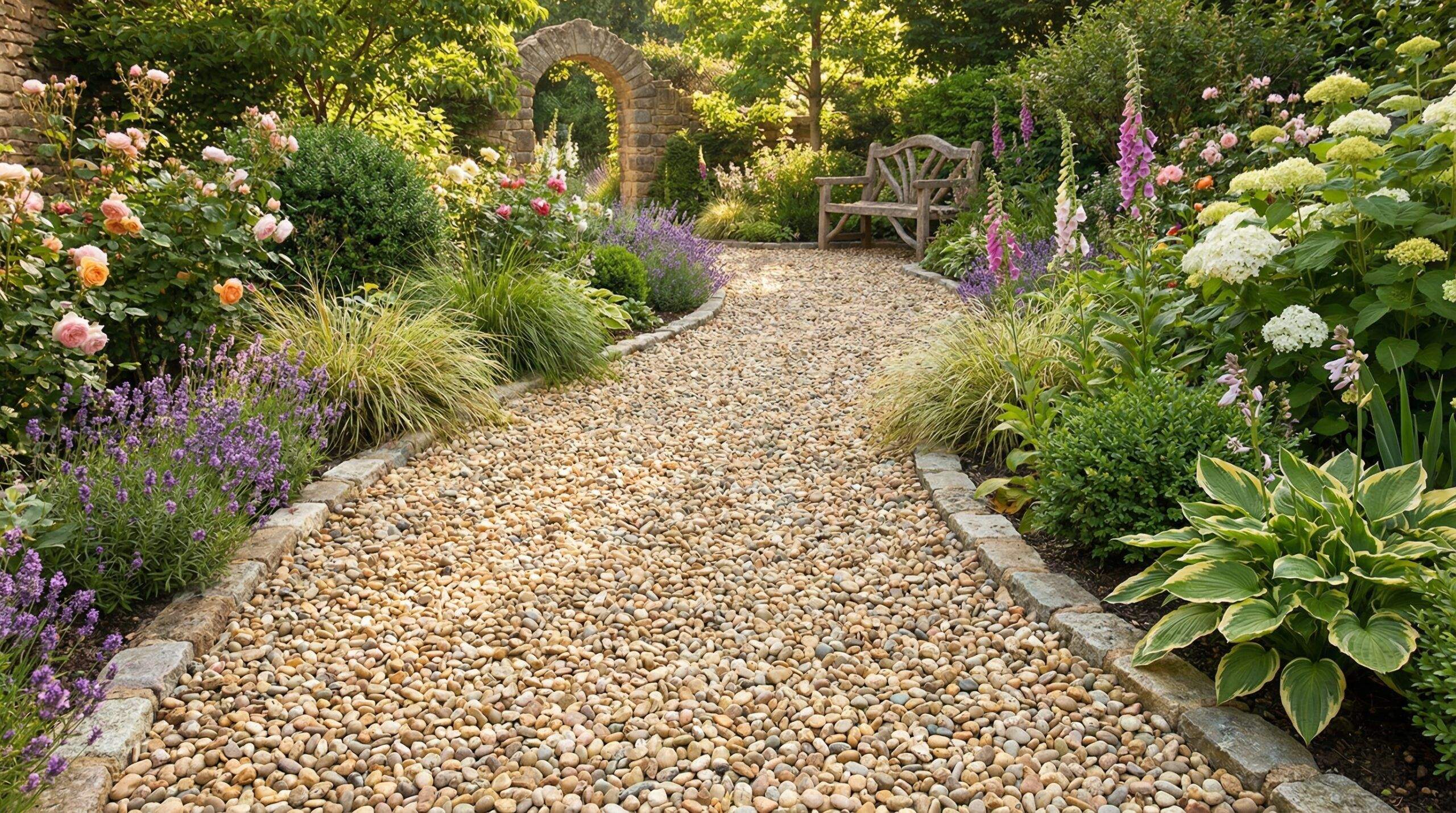
Pea gravel goes by many names depending on where you live and what industry you work in. While most people know it as pea gravel, you might hear it called drainage stone, pipe bedding, or even aquarium gravel. This small, rounded stone material typically measures between 1/8 to 3/8 inch in diameter and serves countless purposes in construction and landscaping projects.
Quick Answer: Pea gravel is commonly called drainage stone in construction, pipe bedding for utility work, river rock in southern regions, and decorative stone in landscaping contexts.
Understanding these alternative names becomes crucial when you’re working with contractors from different regions or sourcing materials from various suppliers. The confusion in terminology can lead to miscommunication, project delays, and even ordering the wrong materials for your project.
Understanding pea gravel basics
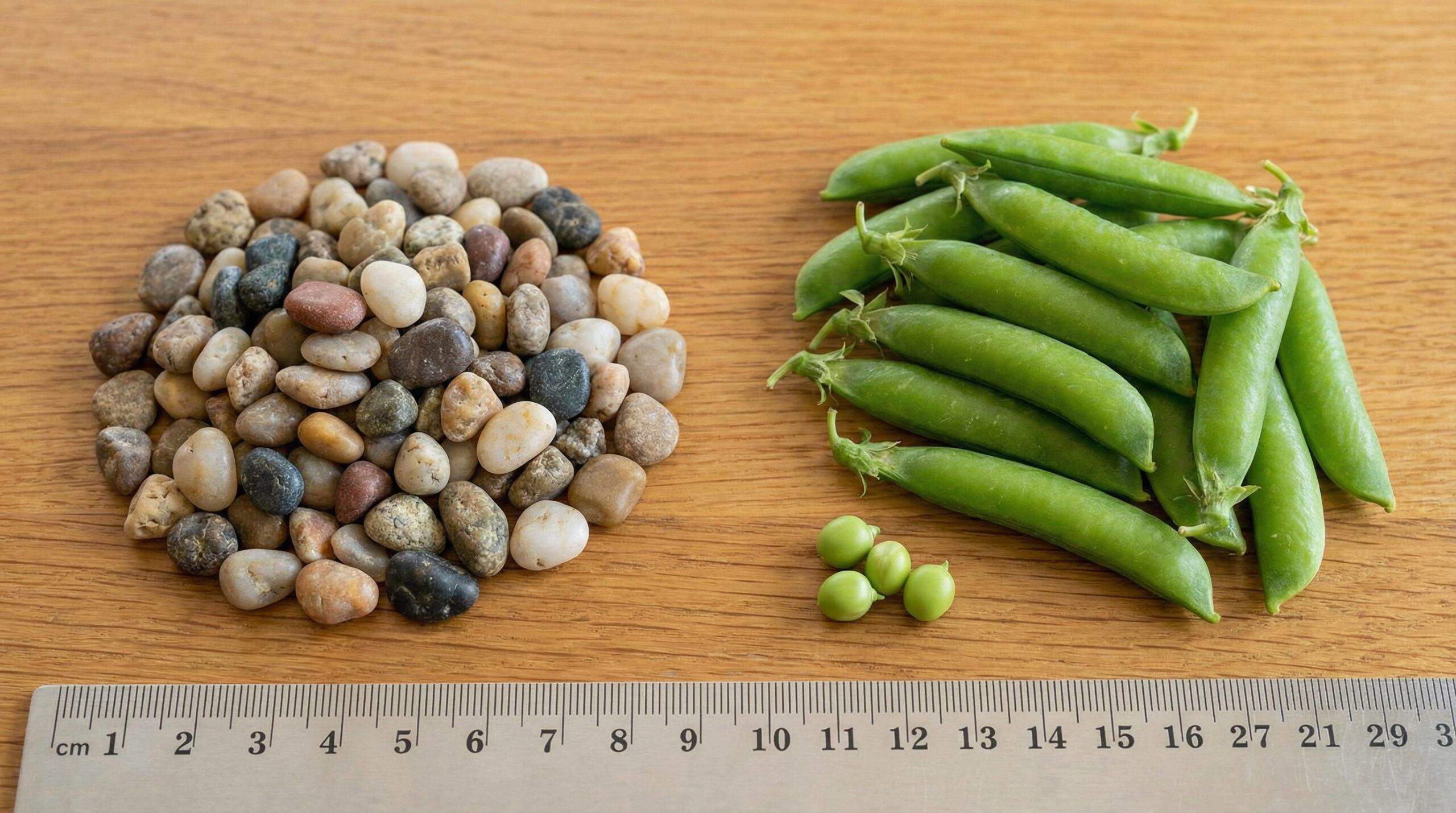
Pea gravel gets its name from its resemblance to small, round peas. This naturally occurring material forms through erosion and weathering of larger rocks, typically found in riverbeds where water motion creates the characteristic smooth, rounded shape over time.
The material’s unique properties make it stand out from other gravel types. Unlike angular crushed stone, pea gravel doesn’t compact tightly, which makes it excellent for drainage applications. Water flows freely through the spaces between stones, preventing puddles and reducing erosion risks. If you’re wondering about how well pea gravel drains, its non-compacting nature is key to its superior water management capabilities.
Most pea gravel ranges from 1/8 to 3/8 inch in diameter, though some suppliers may offer slightly larger or smaller variations. The stones come in various natural colors including brown, gray, white, and tan, allowing you to choose options that complement your project’s aesthetic goals. For a deeper understanding of the various colors and sizes of pea gravel, consider how these options can impact your specific project needs.
Why alternative names matter
The confusion around pea gravel terminology creates real problems for contractors, landscapers, and homeowners. When you call a supplier asking for “pea gravel” and they’ve never heard that term, you might end up with the wrong material or waste time explaining what you need.Regional differences play a huge role in naming conventions. In the southern United States, many people call pea gravel “river rock” because of its riverbed origins. Northern regions might refer to it as “crushed stone” even though it’s naturally rounded, not crushed. These regional variations can cause confusion when working across state lines or with suppliers from different areas. Understanding the distinction between pea gravel vs. river rock can help you navigate these regional naming differences more effectively.
Industry-specific terminology adds another layer of complexity. Construction professionals often use functional names like “drainage stone” or “pipe bedding” that describe the material’s intended use rather than its appearance. This practical approach helps communicate the material’s purpose but can confuse homeowners unfamiliar with construction terminology.
Important Note: Always clarify the exact material specifications with your supplier, regardless of the name used, to ensure you receive the correct product for your project.
Common alternative names across industries
Different industries have developed their own terminology for pea gravel based on how they use the material. Understanding these names helps you communicate more effectively with suppliers and contractors.
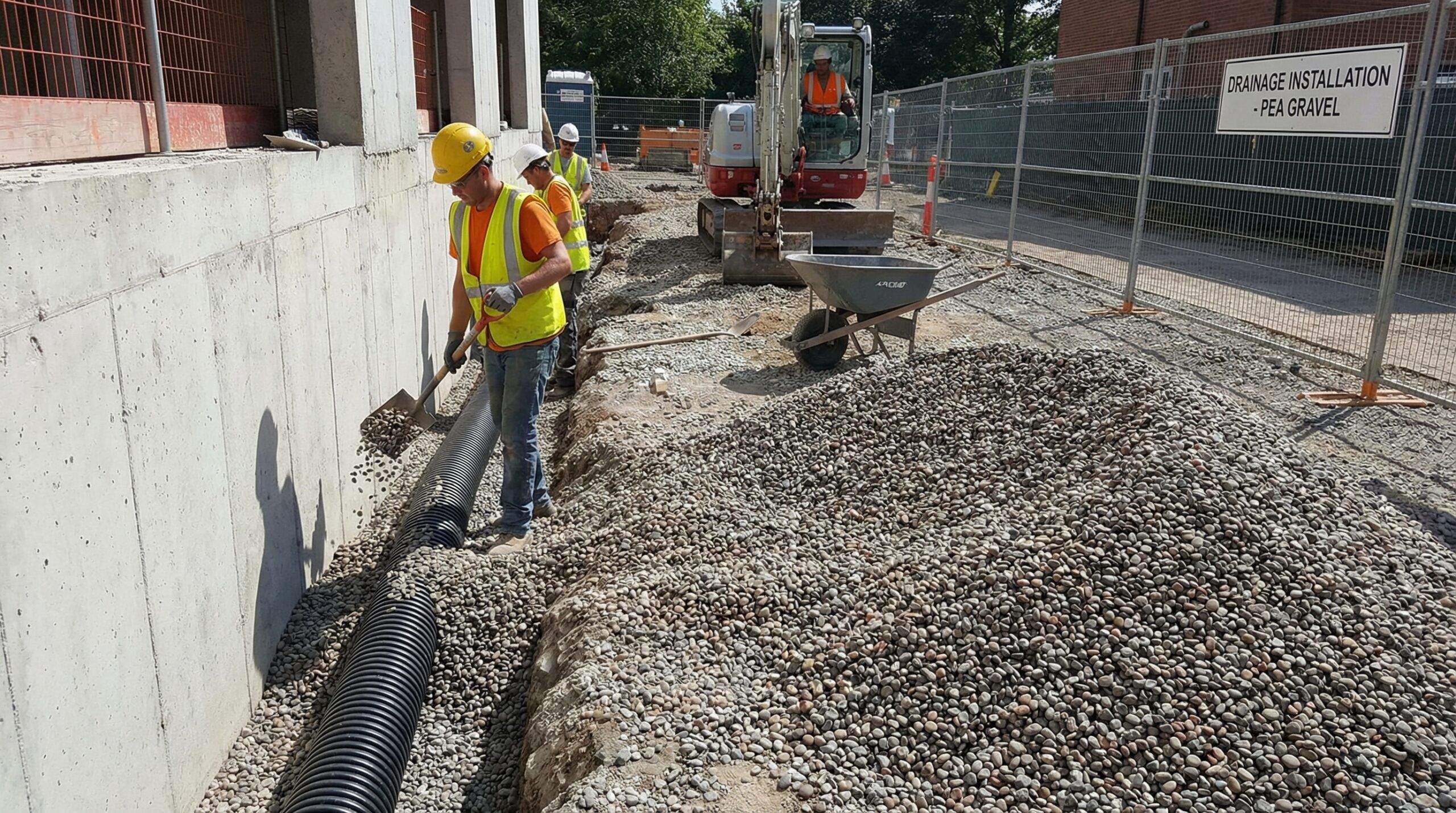
Drainage stone is probably the most common alternative name in construction. This term emphasizes the material’s excellent water management properties. When contractors discuss foundation drainage or French drain systems, they often specify drainage stone rather than pea gravel, even though they’re referring to the same material. For specific applications, learning about what type of pea gravel is best for drainage can ensure you select the right material for water management projects.
Pipe bedding represents another construction-focused name. Utility companies and plumbers use this term when installing underground pipes. The rounded stones provide stable support for pipes while allowing water to drain away, preventing damage from freeze-thaw cycles or soil movement.
In landscaping contexts, you might hear decorative stone or garden gravel. These names highlight the aesthetic aspects rather than functional properties. Landscape designers often prefer these terms when discussing visual elements with clients who might not be familiar with construction terminology. When considering what type of pea gravel is best for landscaping, the decorative qualities become just as important as functional characteristics.
Regional and specialized naming variations
Geographic location significantly influences what people call pea gravel. Understanding these regional differences helps when working with suppliers or contractors from different areas.
River rock dominates southern and western regions where natural water sources are more prominent. This name connects directly to the material’s origin and resonates with people familiar with riverbed environments. However, this can create confusion since “river rock” sometimes refers to larger stones in other contexts.
Aquarium gravel appears in pet store and aquarium supply contexts. The smooth, rounded stones are safe for fish and create attractive underwater landscapes. While the size might be similar to construction-grade pea gravel, aquarium versions often undergo additional cleaning and sorting processes. For those interested in aquatic applications, exploring aquarium sand vs gravel can help determine the best substrate for your aquatic environment.
Some regions use pebble aggregate or fine aggregate in technical specifications. These engineering terms appear in construction documents and municipal codes, particularly when discussing concrete mixes or road base materials. To better understand how pea gravel functions as an aggregate, check out the ultimate guide to aggregate pea gravel.
Pro Tip: When ordering materials, always specify the size range (1/8 to 3/8 inch) and intended use to avoid confusion, regardless of the name you or your supplier uses.
The key to successful projects lies in clear communication about material specifications rather than relying solely on names. Whether you call it pea gravel, drainage stone, or river rock, focus on the size, color, and intended application to ensure you get exactly what your project needs. Using a pea gravel size chart can help you communicate your exact requirements to suppliers.
Understanding these naming variations helps you navigate conversations with suppliers, contractors, and other professionals more effectively. When in doubt, ask to see samples or photos of the material to confirm you’re all discussing the same product. This simple step can save time, money, and frustration while ensuring your project gets the right materials from the start.


