Fill dirt vs topsoil for grading Which should you choose for your project?
Get an estimate for your project in 60 seconds
 Your information is secure

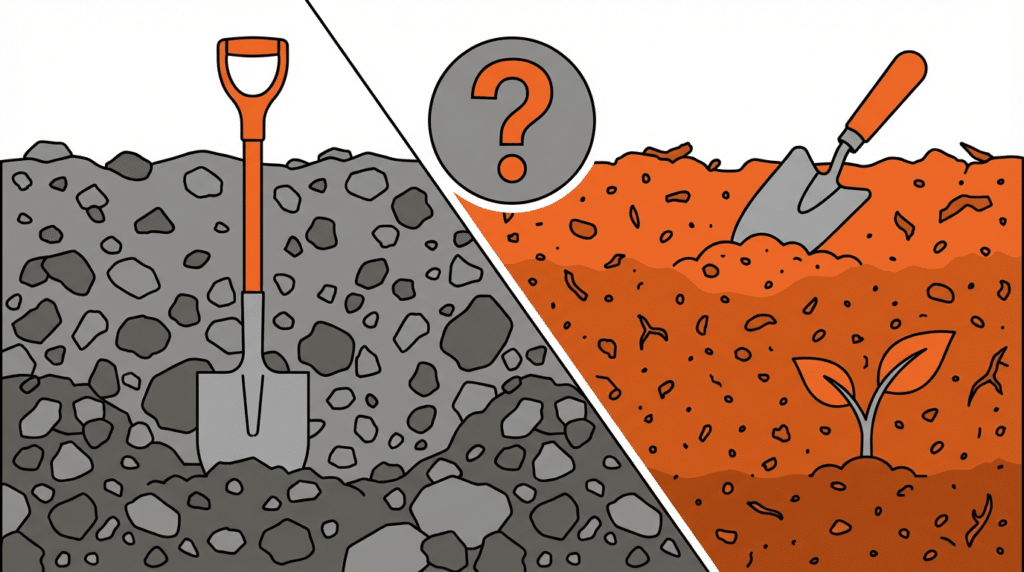
Choosing the wrong soil for your grading project can lead to costly settling issues, poor drainage, or failed landscaping. Fill dirt and topsoil serve completely different purposes, and understanding their unique characteristics will save you time, money, and frustration down the road.
Quick Answer: Fill dirt is best for structural grading projects like driveways and foundations due to its stability and lower cost ($5-25 per cubic yard), while topsoil excels in landscaping applications where plant growth matters ($15-50 per cubic yard).
The key difference lies in their composition and behavior over time. Fill dirt compacts naturally and stays put, making it perfect for creating stable foundations. Topsoil contains organic matter that promotes plant growth but can settle and shift, making it unsuitable for structural applications.
Understanding fill dirt and its grading applications
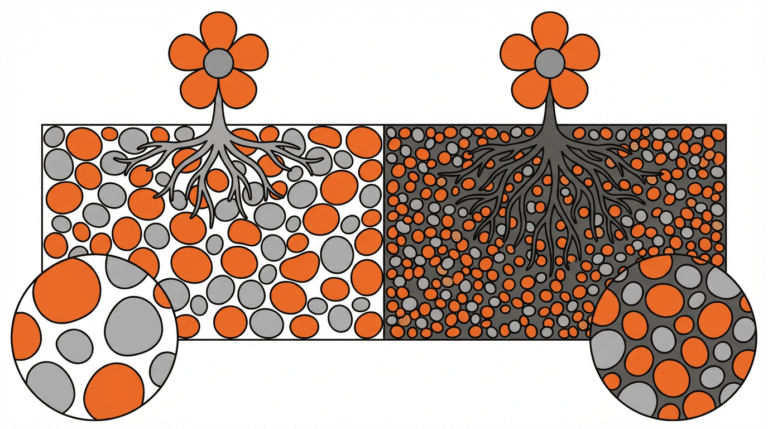
Fill dirt consists primarily of subsoil containing clay, sand, and minimal organic matter. This material is typically excavated from construction sites, making it an economical choice for most grading projects. The absence of organic matter prevents decomposition and settling issues that could compromise your project’s integrity.
When you compact fill dirt properly, it creates a solid, stable base that won’t shift over time. The clay content provides excellent cohesion, while sand particles improve workability and drainage. This combination makes fill dirt ideal for foundation work, driveway construction, and leveling uneven terrain.
Most contractors prefer fill dirt for grading because it performs predictably. You won’t face surprise settling or shifting that can crack concrete or create drainage problems later. The material compacts well under heavy equipment and maintains its shape even under significant loads.

Topsoil composition and when to use it for grading
Topsoil represents the nutrient-rich upper layer of earth, containing 20-40% organic matter including decomposed leaves, plant roots, and beneficial microorganisms. This dark-colored soil gets its fertility from years of natural decomposition processes that create the perfect environment for plant growth.
The organic content in topsoil creates a loose, crumbly texture that allows plant roots to penetrate easily. This soil naturally retains moisture while providing adequate drainage, making it essential for any grading project involving landscaping or gardening. You’ll find topsoil contains nitrogen, phosphorus, and potassium that plants need for healthy development.
However, topsoil’s organic matter becomes a liability in structural applications. As organic materials decompose, they create air pockets and cause settling. This settling can damage foundations, create uneven surfaces, and lead to drainage problems. That’s why topsoil should only be used for the final layer in landscaping projects.
Cost comparison and project planning considerations
| Material | Cost Range | Best Applications | Stability Rating |
|---|---|---|---|
| Fill Dirt | $5-25/cubic yard | Foundations, driveways, structural grading | Excellent |
| Topsoil | $15-50/cubic yard | Lawns, gardens, landscaping | Poor for structures |
Fill dirt typically costs significantly less than topsoil because it requires minimal processing and is readily available from excavation projects. The price varies based on your location and delivery distance, but you can expect substantial savings when choosing fill dirt for large grading projects.
Cost Tip: For projects requiring both materials, use fill dirt for the base layers and topsoil only for the final 6-8 inches where plants will grow. This approach maximizes your budget while ensuring proper performance.
Topsoil commands higher prices due to its nutrient content and limited availability. Quality topsoil often requires screening to remove debris and may include soil amendments to enhance its growing properties. When budgeting for topsoil, factor in delivery costs since you’ll typically need smaller quantities for finishing work.
Consider long-term costs when making your decision. Using topsoil for structural applications may seem cheaper initially, but settling issues can require expensive repairs later. Conversely, using fill dirt where plants need to grow will require additional soil amendments and fertilizers.
Making the right choice for your specific grading project
Your project type determines which material you should choose. For driveways, patios, building foundations, or any structural grading work, fill dirt provides the stability you need. Its consistent composition and predictable behavior make it the reliable choice for projects where settling cannot be tolerated.
Choose topsoil when your grading project involves creating planting areas, establishing lawns, or improving existing garden beds. The rich organic content and nutrient availability make topsoil essential for successful plant establishment and long-term growth.

Many projects require both materials in a layered approach. Start with fill dirt for the structural base, then add topsoil as the final growing medium. This method gives you the stability of fill dirt with the growing potential of topsoil, creating the best of both worlds for comprehensive landscaping projects.
Pro Tip: Always compact fill dirt in 6-8 inch lifts using proper equipment. This ensures maximum stability and prevents future settling that could damage your finished surfaces.
Consider your local climate and drainage requirements when making your choice. In areas with heavy rainfall, understanding whether fill dirt drains well becomes even more valuable for preventing water-related foundation problems. For dry climates, topsoil’s moisture retention capabilities benefit plant survival.
The decision between fill dirt and topsoil for grading ultimately depends on your project goals, budget constraints, and long-term performance requirements. By understanding each material’s strengths and limitations, you can make an informed choice that ensures your project’s success. Whether you need the rock-solid stability of fill dirt for construction or the growing power of topsoil, selecting the right material from the start saves time, money, and headaches down the road.