What is the Best Potting Soil for Indoor Plants in 2026
Get an estimate for your project in 60 seconds
 Your information is secure

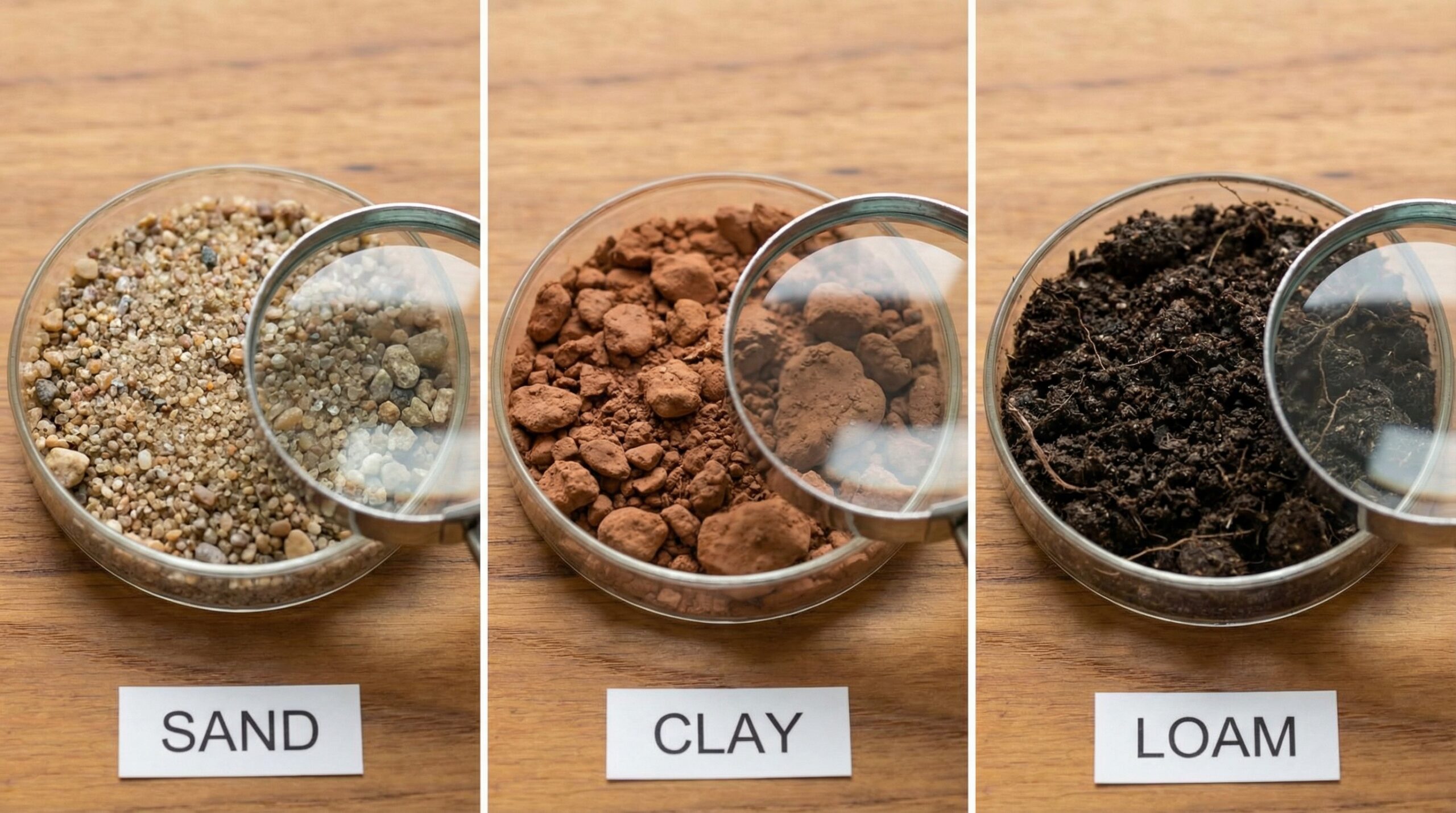
Did you know that 70% of indoor plant problems stem from poor soil choices? The best potting soil for indoor plants in 2026 is silt loam, which offers the perfect balance of drainage and moisture retention with approximately 40% sand, 40% silt, and 20% clay. This composition prevents root rot while ensuring your plants receive essential nutrients for optimal growth.
Choosing the right potting soil can transform your indoor garden from surviving to thriving. Modern potting mixes have evolved significantly, with new sustainable alternatives and improved formulations that cater to specific plant needs. Whether you’re caring for succulents, tropical houseplants, or herbs, understanding soil composition will help you make informed decisions that lead to healthier, more vibrant plants.
Quick tip: You can test your soil’s texture by squeezing a handful when moist. Quality loamy soil should hold together but crumble easily when poked.
Understanding potting soil basics
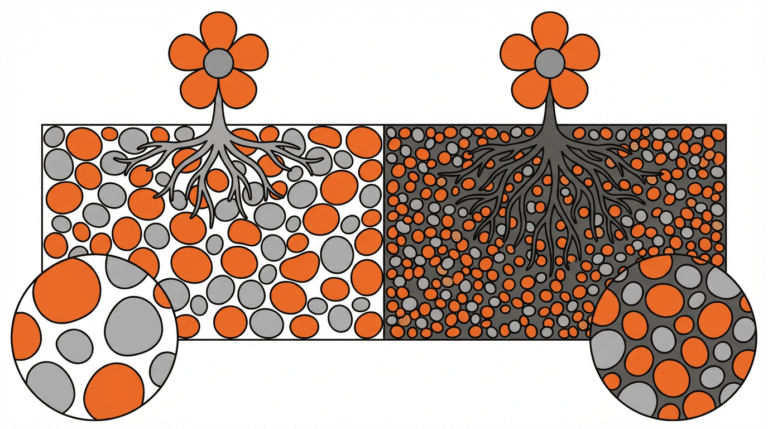
Potting soil differs significantly from regular garden soil. While garden soil works well outdoors, it becomes too heavy and poorly draining when confined to containers. Quality potting mixes are specifically engineered to provide proper aeration, drainage, and nutrient availability in the restricted environment of a pot.
The foundation of good potting soil lies in its ability to balance water retention with drainage. Your plants need consistent moisture access, but their roots also require oxygen to function properly. When soil becomes waterlogged, roots suffocate and develop rot, which is why 3dev.hellogravel.com emphasizes the importance of well-draining silt loam for most indoor plants.
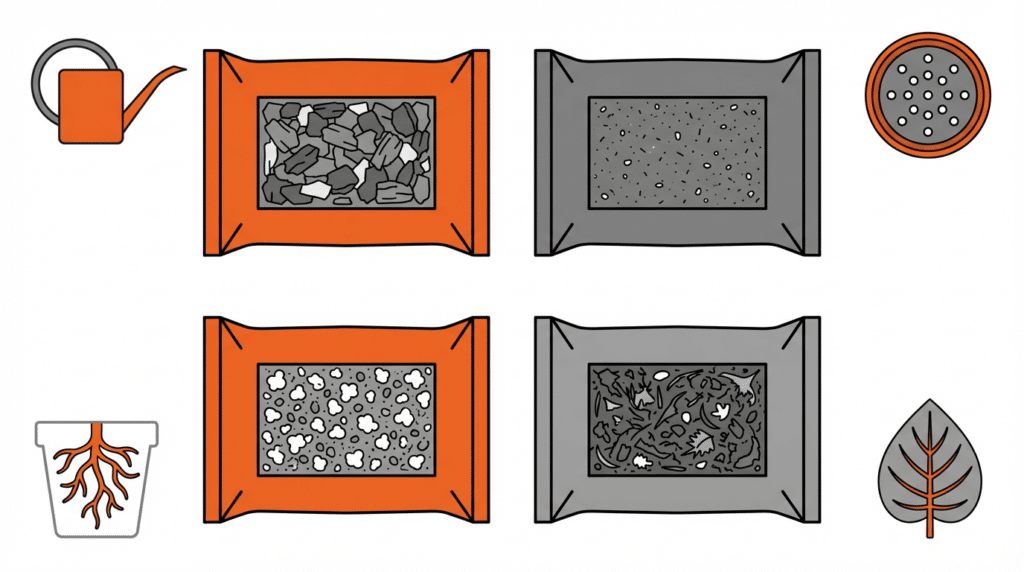
Modern potting mixes typically contain organic materials like peat moss or coconut coir for moisture retention, combined with inorganic additives such as perlite or pumice for drainage. This combination creates the ideal growing environment that mimics natural soil conditions while addressing the unique challenges of container gardening. Understanding the differences between topsoil and potting soil is crucial when selecting the right medium for your indoor plants.
Key ingredients that make soil effective
Understanding what goes into your potting soil helps you choose the right mix for your specific plants. Peat moss has traditionally been the moisture-retaining champion, but shop.mosslab.com notes that coconut coir offers similar benefits while being more sustainable and easier to re-wet if it dries out completely.
Perlite and pumice serve as the drainage crew in your potting mix. These lightweight, porous materials create air pockets that prevent soil compaction and allow excess water to escape. Perlite is more common and affordable, though it can float to the surface when watering. Pumice stays put better but typically costs more.
Organic components like compost, worm castings, or bark provide slow-release nutrients and support beneficial microorganisms. These ingredients act as a natural fertilizer system, gradually feeding your plants over time. However, balance is crucial because too much organic matter can make the soil too heavy and water-retentive. If you’re interested in learning more about different soil textures including sand, silt, and loam, you’ll better understand how these components work together.
Expert insight: Living soils with beneficial microbes and fungi support stronger root development and more resilient plants compared to sterile mixes.
Choosing soil for different plant types
Not all indoor plants have the same soil requirements. Succulents and cacti thrive in fast-draining sandy loam that prevents water from sitting around their roots. These plants have evolved to handle drought conditions, so they need soil that dries out relatively quickly between waterings. For specialized needs, consider exploring the best potting soil for succulent gardens.
Tropical houseplants like pothos, monstera, and philodendrons prefer a richer mix with good moisture retention. Clay loam works well for these plants because it holds nutrients and water while still providing adequate drainage. Many tropical plants also benefit from bark chunks in their soil mix, which helps maintain air pockets as the soil ages.
Peace lilies and other moisture-loving plants need slightly acidic soil with a pH between 5.5 and 6.5, according to thegardenstyle.com. These plants appreciate consistent moisture but still require good drainage to prevent root problems.
| Plant Type | Best Soil Mix | Key Features |
|---|---|---|
| Succulents | Sandy loam | Fast drainage, low moisture retention |
| Tropical plants | Clay loam with bark | Nutrient-rich, balanced moisture |
| Peace lilies | Acidic silt loam | pH 5.5-6.5, consistent moisture |
| Herbs | Well-draining loam | Moderate drainage, regular nutrients |
Maintaining soil health over time
Even the best potting soil doesn’t last forever. thehomegardens.com explains that organic materials in potting mixes decompose over time, leading to compaction and reduced drainage. Most potting soils need refreshing after one to two growing seasons.
Watch for signs that your soil needs attention. If water sits on the surface instead of soaking in, or if it drains too quickly without giving roots time to absorb moisture, it’s time for fresh soil. Plants growing more slowly than usual or showing signs of nutrient deficiency may also indicate depleted soil.
When refreshing your potting soil, you don’t always need to completely repot your plants. You can often remove the top few inches of old soil and replace it with fresh mix. This approach works well for larger plants that don’t need frequent repotting but would benefit from renewed nutrients and improved soil structure. If you’re growing vegetables indoors, check out our guide on the best potting soil for vegetable gardens for specific recommendations.
Maintenance tip: Add a thin layer of worm castings to the soil surface every few months to provide gentle, ongoing nutrition without disturbing the roots.

Regular soil maintenance combined with proper watering and occasional fertilizing creates the foundation for thriving indoor plants. Quality potting soil is an investment in your plants’ long-term health, and choosing the right type for your specific plants will reward you with lush, vibrant growth throughout the year.
The key to success lies in understanding your plants’ individual needs and matching them with appropriate soil characteristics. Whether you choose organic or inorganic mixes, prioritize drainage and aeration while ensuring adequate nutrition for sustained growth. For those interested in container gardening beyond indoor plants, explore the best garden soil for container gardening to expand your growing options.