How to Choose the Perfect Soil for Your Home Garden in 2026
Get an estimate for your project in 60 seconds
 Your information is secure

Creating a successful home garden starts with one fundamental decision: choosing the right soil. Your soil choice directly impacts plant growth, water retention, nutrient availability, and overall garden health. Most garden failures stem from poor soil selection rather than watering or fertilization mistakes.
Quick Answer: Loamy soil with a pH between 6.0-7.0 works best for most home gardens, combining proper drainage with excellent nutrient retention.
Whether you’re planning your first vegetable patch or redesigning an existing flower bed, understanding soil basics will transform your gardening success. You’ll learn how to test your current soil, identify the perfect type for your plants, and make necessary improvements for optimal growing conditions.
Understanding your garden’s soil requirements
Before selecting any soil, you need to match your choice to what you’re actually growing. Different plants have vastly different soil preferences, and ignoring these requirements leads to disappointing results.
Vegetables like tomatoes and peppers thrive in well-draining loamy soil with plenty of organic matter. Root vegetables such as carrots prefer sandy soil that allows easy penetration. Meanwhile, moisture-loving plants like hostas do better in soil with higher clay content that retains water longer.
Consider your local climate too. If you live in an area with heavy rainfall, you’ll want soil that drains quickly to prevent waterlogging. In drier regions, soil that holds moisture becomes more valuable. Your garden’s sun exposure also matters since plants in full sun typically need more water-retentive soil than those in shade.
Start by listing every plant you want to grow, then research their specific soil preferences. This homework prevents costly mistakes and ensures you’re setting up each plant for success from day one.
Testing and analyzing your existing soil

You can’t improve what you don’t understand, so testing your current soil becomes your next priority. Home testing kits provide basic information about pH, nitrogen, phosphorus, and potassium levels for under twenty dollars.
The jar test reveals your soil’s texture composition quickly. Fill a clear jar one-third with soil, add water until two-thirds full, shake vigorously, then let it settle for 24 hours. You’ll see distinct layers: sand settles first at the bottom, silt forms the middle layer, and clay floats on top. Understanding these different soil textures helps you identify what amendments you’ll need.
Professional soil testing through your local agricultural extension office costs more but provides detailed analysis including micronutrients, organic matter content, and specific amendment recommendations. This investment pays off if you’re planning a large garden or dealing with persistent plant problems.
Pro Tip: Test soil in early spring when it’s workable but before planting season begins, giving you time to make amendments.
Pay special attention to drainage during testing. Dig a hole 12 inches deep and fill it with water. If water remains after 24 hours, you have drainage issues that need addressing before planting anything.
Selecting the ideal soil type for your plants
| Soil Type | Drainage | Nutrient Retention | Best For | Improvement Needed |
|---|---|---|---|---|
| Sandy | Excellent | Poor | Herbs, root vegetables | Add compost, organic matter |
| Clay | Poor | Excellent | Moisture-loving plants | Add sand, perlite |
| Loamy | Good | Good | Most vegetables, flowers | Minimal amendments |
| Silty | Moderate | Good | Leafy greens | Improve drainage |
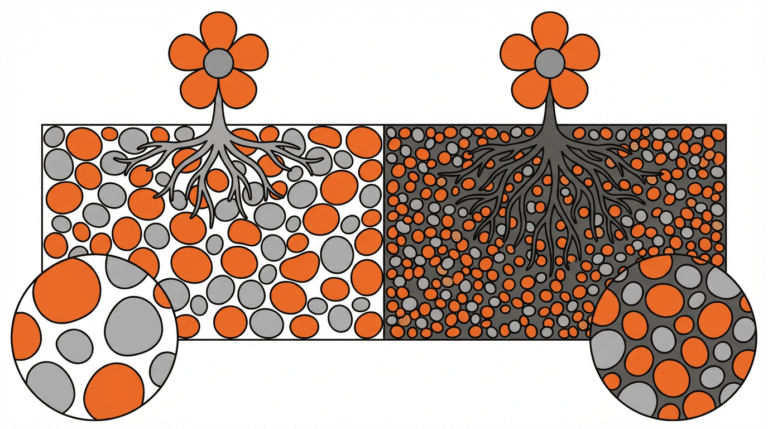
Sandy soil drains quickly but struggles to hold nutrients and water. You’ll find yourself watering and fertilizing more frequently, but plants that hate wet feet absolutely love it. Mediterranean herbs, lavender, and many succulents prefer sandy conditions. For raised bed gardening with sandy soil, you can maximize drainage while maintaining structure.
Clay soil holds water and nutrients exceptionally well but can become waterlogged and compacted. When clay dries out, it becomes hard and difficult for roots to penetrate. However, many perennials and trees actually prefer clay’s consistent moisture and nutrient supply. If you’re working with clay soil for gardening, proper amendments can transform it into productive growing medium.
Loamy soil represents the gardening gold standard, combining roughly 40% sand, 40% silt, and 20% clay. This mixture provides excellent drainage while retaining enough moisture and nutrients for most plants. If you’re planning a vegetable garden with loamy soil, you’ll find it rarely disappoints.
The key lies in matching soil type to plant preferences rather than fighting against your soil’s natural characteristics. Work with what you have, or choose plants that naturally thrive in your existing conditions.
Improving soil quality through amendments

Even perfect soil benefits from regular improvement, and problem soils can often be transformed into productive growing medium with the right amendments. Organic matter forms the foundation of most soil improvement efforts.
Compost improves virtually every soil type. In sandy soil, compost increases water and nutrient retention. In clay soil, it improves drainage and prevents compaction. Well-aged compost also introduces beneficial microorganisms that help plants access nutrients more effectively. When preparing flower beds with compost, you’re investing in long-term soil health.
For pH adjustments, lime raises acidic soil pH while sulfur lowers alkaline soil pH. Make these changes gradually over several seasons rather than attempting dramatic shifts all at once. Most plants tolerate slight pH variations better than sudden changes.
Drainage improvements require different approaches depending on your soil type. Adding coarse sand or perlite helps clay soil drain better, while organic matter helps sandy soil retain more moisture. Never add fine sand to clay soil, as this creates a concrete-like mixture. Understanding the difference between topsoil and subsoil also helps you make informed decisions about soil layering.
Important: Always add amendments in fall when possible, giving them time to integrate before spring planting season.
Consider raised beds or container gardening if your native soil presents serious challenges. These methods let you control soil quality completely while avoiding expensive soil replacement projects. Even a six-inch raised bed can dramatically improve growing conditions for shallow-rooted plants. Learn how to fill the bottom of elevated garden beds for optimal results.
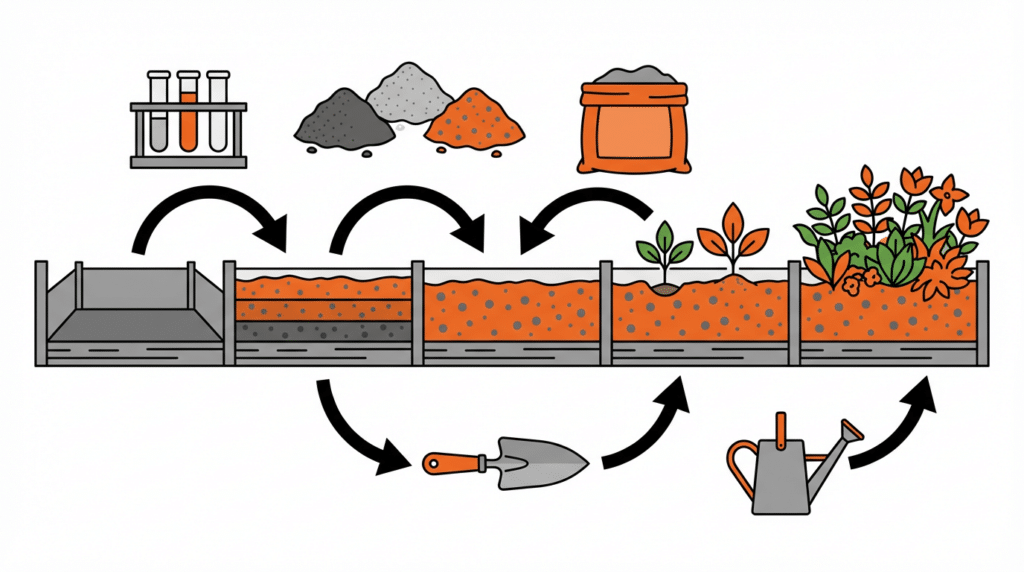
Remember that soil improvement is an ongoing process, not a one-time fix. Plan to add organic matter annually and test soil every few years to track your progress. Healthy soil supports healthy plants, which in turn create more organic matter through fallen leaves and root decay, creating a positive cycle that improves your garden year after year.