Gravel Bags Benefits, Types, Uses and How to Choose for Your Project
Get an estimate for your project in 60 seconds
 Your information is secure
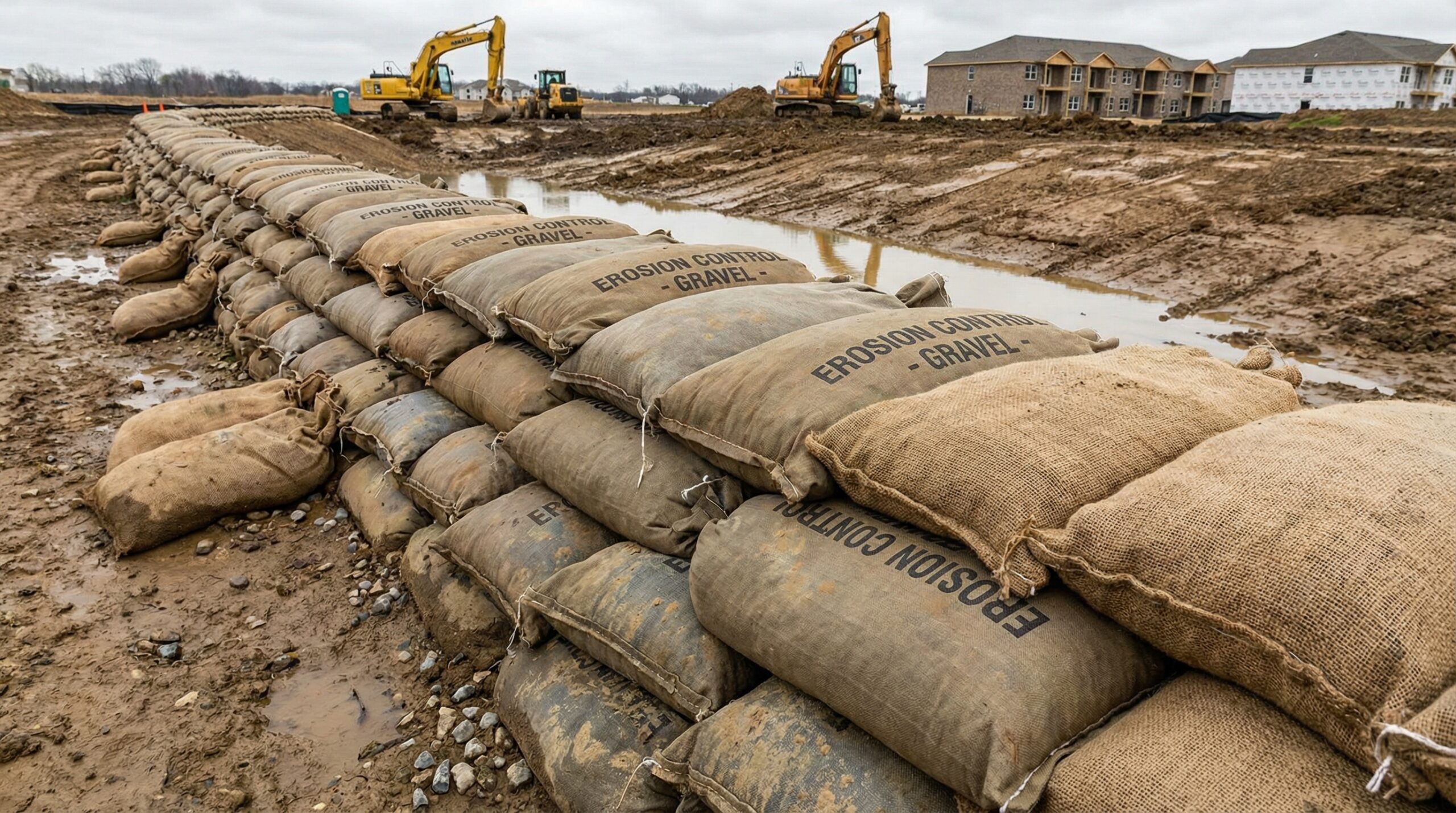
Gravel bags are flexible containers made from durable materials like woven polypropylene or geotextile fabric, filled with gravel or sand for various construction and landscaping applications. These versatile tools offer cost-effective solutions for erosion control, flood protection, and temporary barriers while providing environmental benefits and practical advantages over traditional alternatives.
Whether you’re dealing with soil erosion on your property, need temporary flood barriers, or want to create stable retaining structures, understanding how gravel bags work and which type suits your project can save you time and money while delivering reliable results.
Quick Fact: Gravel bags can hold up to 50 pounds of material and have been used for flood control since ancient Egypt, where they reinforced levees along the Nile River.
What are gravel bags and their main types
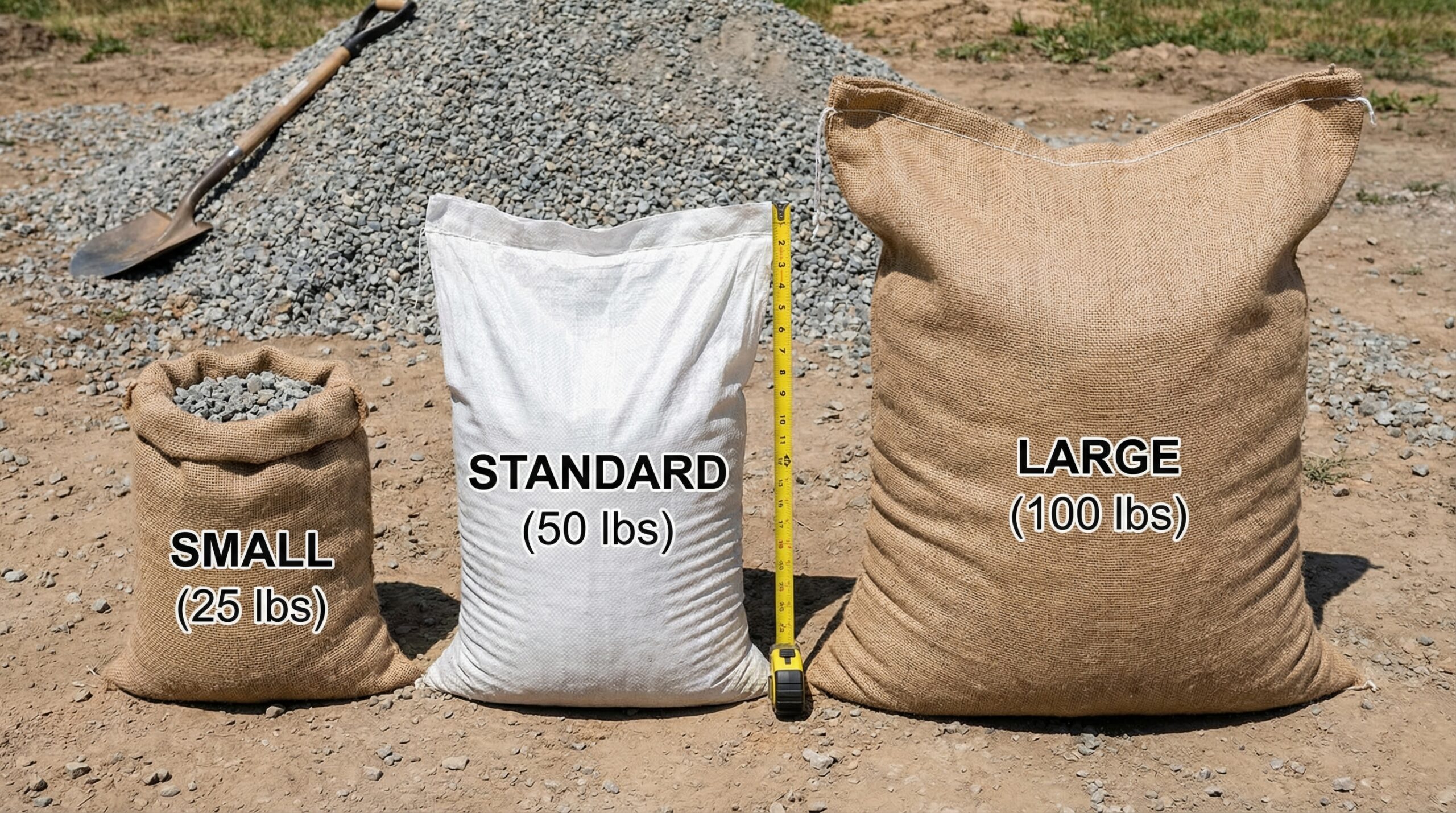
Gravel bags, also known as sandbags, are cylindrical containers designed for excellent stacking abilities. They come in three main sizes to accommodate different project requirements.
Standard gravel bags measure approximately 14 x 26 inches and can hold up to 50 pounds of material. These represent the most common choice for general applications like temporary barriers and basic erosion control.
Larger gravel bags offer increased capacity for projects requiring greater stability and weight. You’ll find these particularly useful when creating substantial temporary fortifications or handling major flood control situations.
Smaller gravel bags provide flexibility for quick repairs and minor tasks. Their compact size makes them easy to transport and handle, perfect for patching small areas or stabilizing loose soil in garden applications.
The construction materials matter significantly for durability. Most quality gravel bags use woven polypropylene or geotextile fabric, with some featuring UV treatment to prevent sun damage and extend their lifespan in outdoor applications.
Key benefits that make gravel bags valuable
Gravel bags deliver multiple advantages that explain their popularity across various industries and applications.
Environmental protection stands out as a primary benefit. These bags prevent soil erosion, retain sediment, and control stormwater runoff effectively. When you place them strategically, they maintain landscape integrity and protect aquatic ecosystems from harmful sediment contamination.
The bags also provide excellent shoreline protection by acting as buffers against wave action. This reduces erosion and preserves coastal habitats, particularly important in storm-prone areas where shoreline stability matters most.
Economic advantages make gravel bags attractive for budget-conscious projects. They cost significantly less than permanent alternatives like concrete retaining walls and eliminate the need for heavy machinery or specialized installation skills. This simplicity translates directly into reduced labor costs and increased project efficiency.
Practical durability ensures long-term value. Quality gravel bags withstand harsh weather conditions and heavy use while maintaining their effectiveness. You can reuse them multiple times, making them a sustainable choice that reduces waste and saves money over time.
Pro Tip: Fill gravel bags with organic materials like compost or mulch to provide additional soil improvement benefits while maintaining their structural function.
Common applications in construction and landscaping
Gravel bags serve diverse purposes across multiple project types, making them incredibly versatile tools for both professionals and homeowners.
In construction projects, you’ll find gravel bags forming temporary or permanent flood control barriers. They work excellently for constructing retaining walls, stabilizing slopes, and providing erosion control on job sites. Their flexibility allows them to adapt to various terrains and project requirements.
Many contractors use gravel bags as ballast or temporary weight for signs, scaffolding, and equipment. This application ensures safety and functionality on construction sites where stability matters for worker protection and equipment security.
Landscaping applications offer creative possibilities beyond basic construction needs. You can use gravel bags to create decorative borders, shape garden beds, or build raised flower beds. When planning your landscaping project, consider exploring types of gravel for landscaping to ensure you’re using the right materials. Their natural appearance blends seamlessly with outdoor environments while providing both functionality and aesthetic appeal.
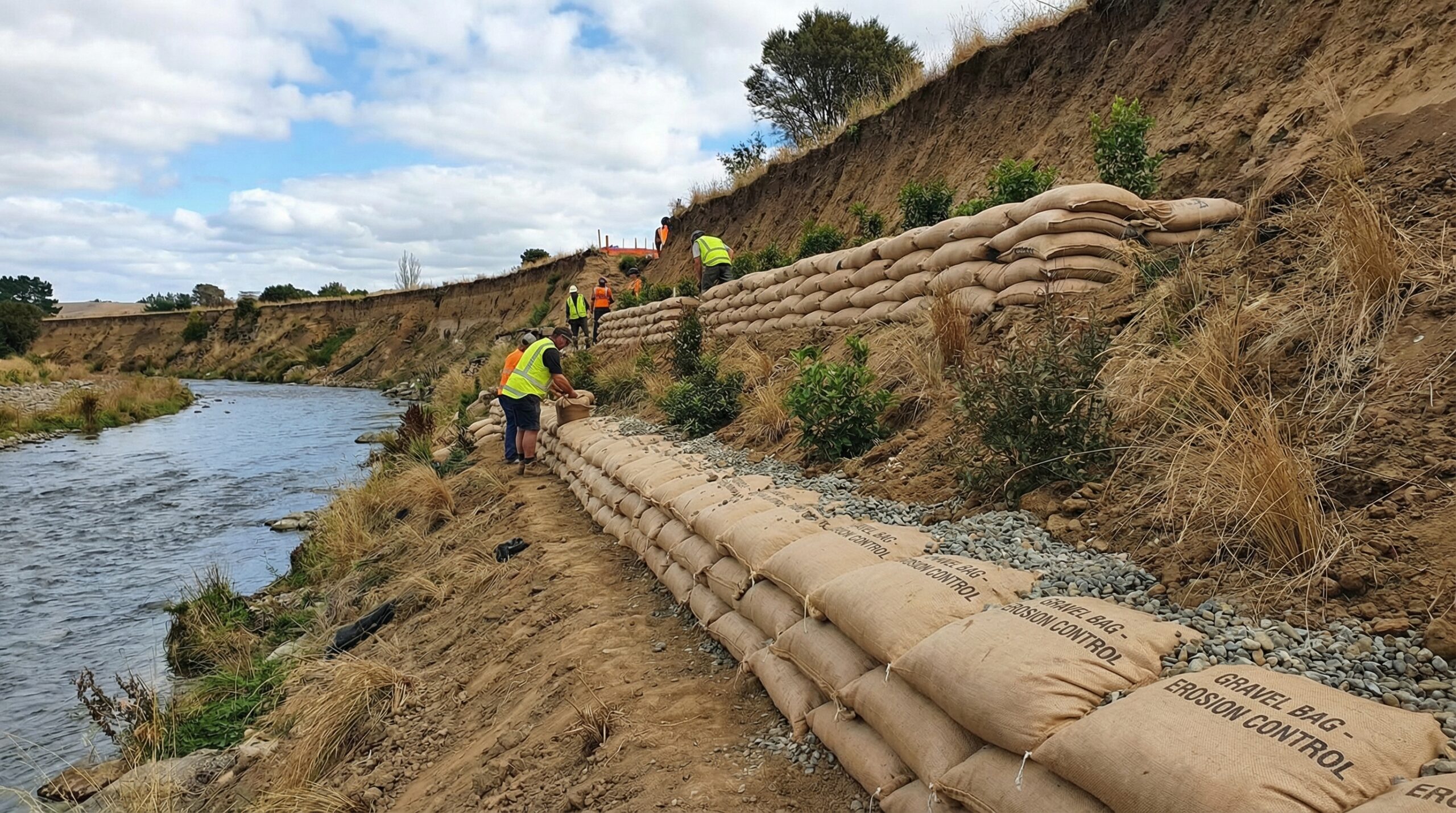
For erosion control, strategically placed gravel bags in vulnerable areas like riverbanks or slopes help mitigate soil loss caused by heavy rain or runoff. Their ability to conform to landscape contours ensures stability and protects against erosion damage.
| Bag Type | Capacity | Best Applications | Typical Cost Range |
|---|---|---|---|
| Standard | 50 lbs | General barriers, erosion control | $2-4 per bag |
| Large | 75+ lbs | Major flood control, fortifications | $4-7 per bag |
| Small | 25-35 lbs | Quick repairs, garden use | $1-3 per bag |
How to choose the right gravel bags for your project
Selecting appropriate gravel bags requires careful consideration of several key factors that directly impact their effectiveness and longevity.
Weight and dimensions represent your first consideration. Assess your specific project needs to determine the required capacity. Different applications demand different weights and sizes, so understanding your exact requirements guides your selection process effectively. If you’re considering purchasing gravel in bulk, our guide on choosing a bulk bag of gravel stones can help you make an informed decision.
Environmental conditions play a crucial role in bag selection. Consider whether the bags will face harsh weather, chemical exposure, or other potentially damaging conditions. Choose bags specifically designed to withstand these challenges to ensure optimal performance and longevity.
Material quality and durability directly affect long-term performance. Look for bags made from high-quality materials that have undergone durability testing. Understanding different sizes of gravel aggregates will also help you select the appropriate fill material for your bags. This investment prevents premature replacement and ensures consistent effectiveness throughout your project timeline.
Avoid common mistakes that can compromise effectiveness. Never overfill bags beyond manufacturer recommendations, as this leads to instability and potential rupturing. Follow proper stacking techniques, especially when constructing barriers or retaining walls, to prevent structural collapse.
Important: Always check manufacturer weight limits and follow recommended stacking patterns to maintain structural integrity and safety standards.
Maintenance and care for maximum lifespan
Proper maintenance extends gravel bag lifespan and ensures continued effectiveness throughout their use period.
Regular cleaning becomes necessary when bags become soiled or contaminated. Wash them thoroughly with mild detergent and rinse with clean water to maintain their effectiveness. This simple maintenance step prevents degradation and maintains their structural integrity.
Storage practices significantly impact longevity. Keep unused gravel bags in dry locations away from direct sunlight to prevent material degradation. Proper storage prevents premature aging and maintains their reliability when you need them. Whether you’re using bags of gravel stones or dumpy bags of stones, proper storage is essential for maintaining quality.
Monitor bags regularly for signs of wear or damage during use. Look for tears, excessive wear, or material breakdown that could compromise their effectiveness. Replace damaged bags promptly to maintain safety and project integrity.
The lifespan varies based on material quality, environmental exposure, and frequency of use. While designed for durability, regular monitoring ensures you identify replacement needs before bags fail and compromise your project success.
Gravel bags offer practical, cost-effective solutions for numerous construction and landscaping challenges. By understanding their types, benefits, and proper selection criteria, you can choose the right bags for your specific needs and maintain them effectively for long-term success. Whether you’re tackling erosion control, flood protection, or landscaping projects, these versatile tools provide reliable performance when selected and used correctly.