Complete Guide to Gravel Aggregate Sizes for Construction and Landscaping
Get an estimate for your project in 60 seconds
 Your information is secure
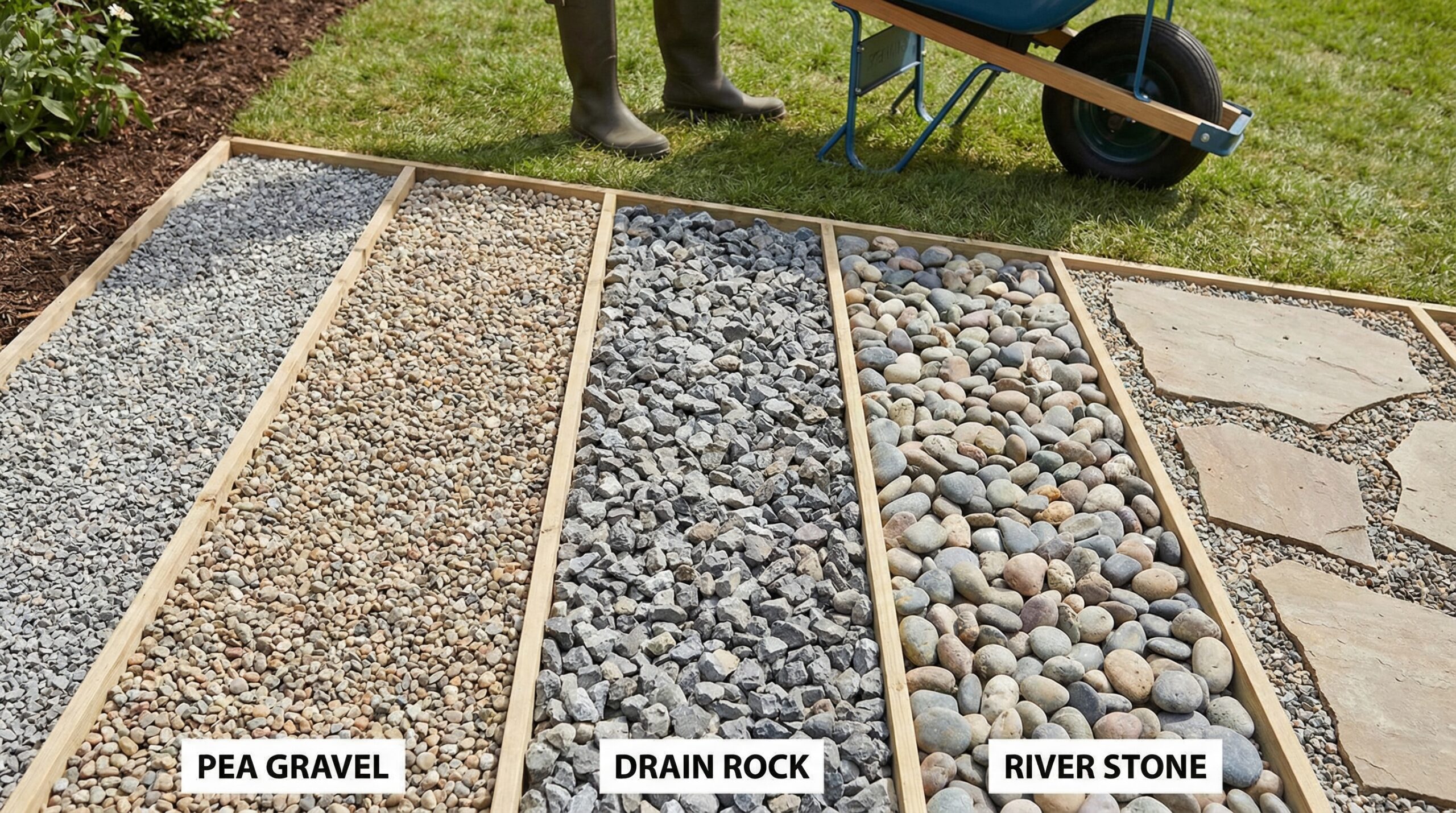
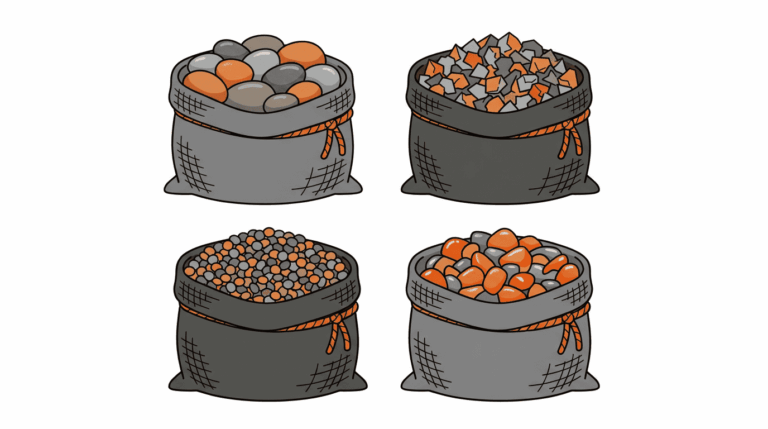
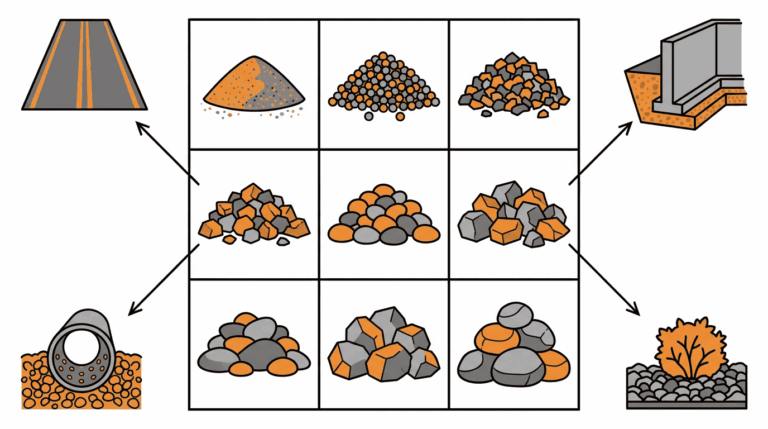
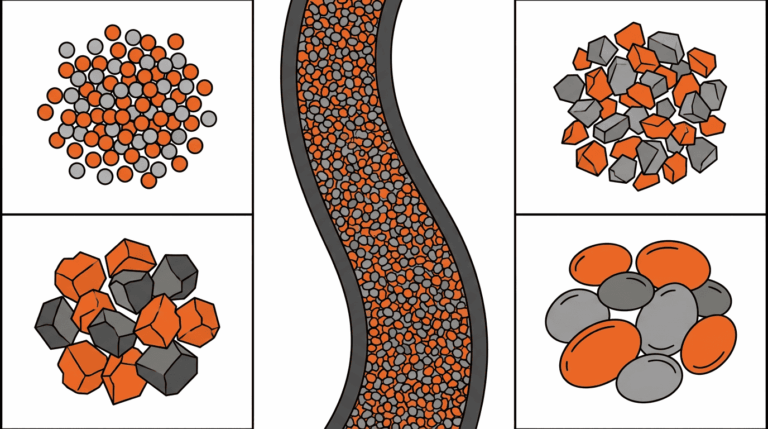
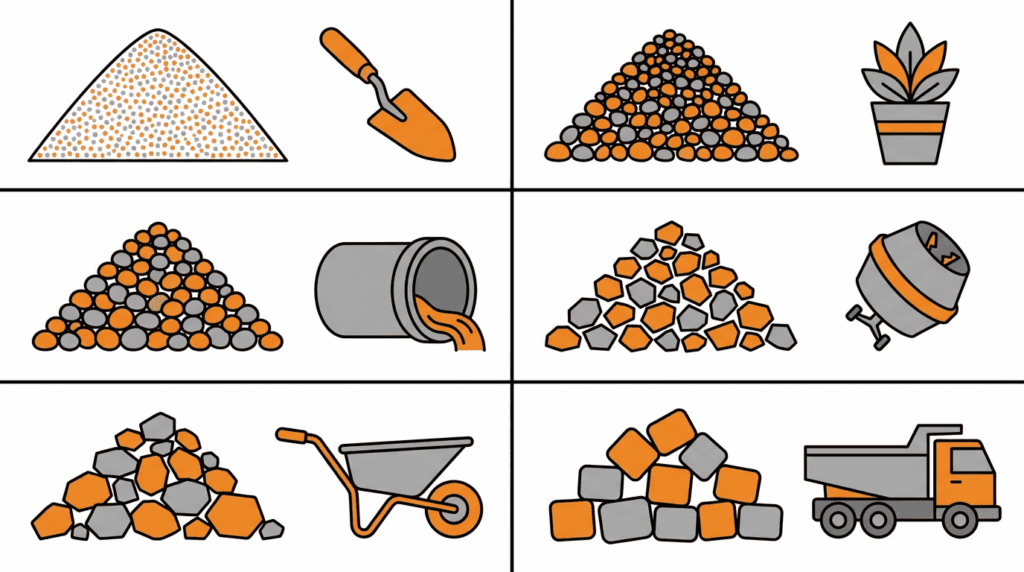
Choosing the right gravel aggregate size can make or break your construction project. Gravel comes in three main categories: small (1/4″ to 3/8″), medium (3/8″ to 3/4″), and large (3/4″ to 2″), each serving specific purposes from pathways to heavy-duty road construction.
Understanding these size differences helps you select materials that provide proper drainage, stability, and durability for your specific application. Whether you’re building a residential driveway or planning a commercial construction project, the aggregate size directly impacts performance and longevity.
Quick Tip: Small aggregates excel at drainage and smooth surfaces, medium sizes balance stability with drainage, while large aggregates provide maximum structural support for heavy loads.
What are gravel aggregates and why size matters
Gravel aggregates are crushed stone fragments that serve as the backbone of construction projects. These versatile materials provide structural support, facilitate drainage, and create stable surfaces for everything from garden paths to major highways.
The size of your gravel aggregate determines how it performs in different applications. Smaller particles create smoother, more walkable surfaces but may shift under heavy loads. Larger stones offer superior stability and load-bearing capacity but can be uncomfortable for pedestrian traffic.
Think of gravel size selection like choosing the right tool for a job. You wouldn’t use a sledgehammer to hang a picture frame, and you shouldn’t use large aggregate for a decorative garden path. Each size range has evolved to solve specific construction challenges. For a deeper understanding of different types of crushed stone available, explore our comprehensive guide.
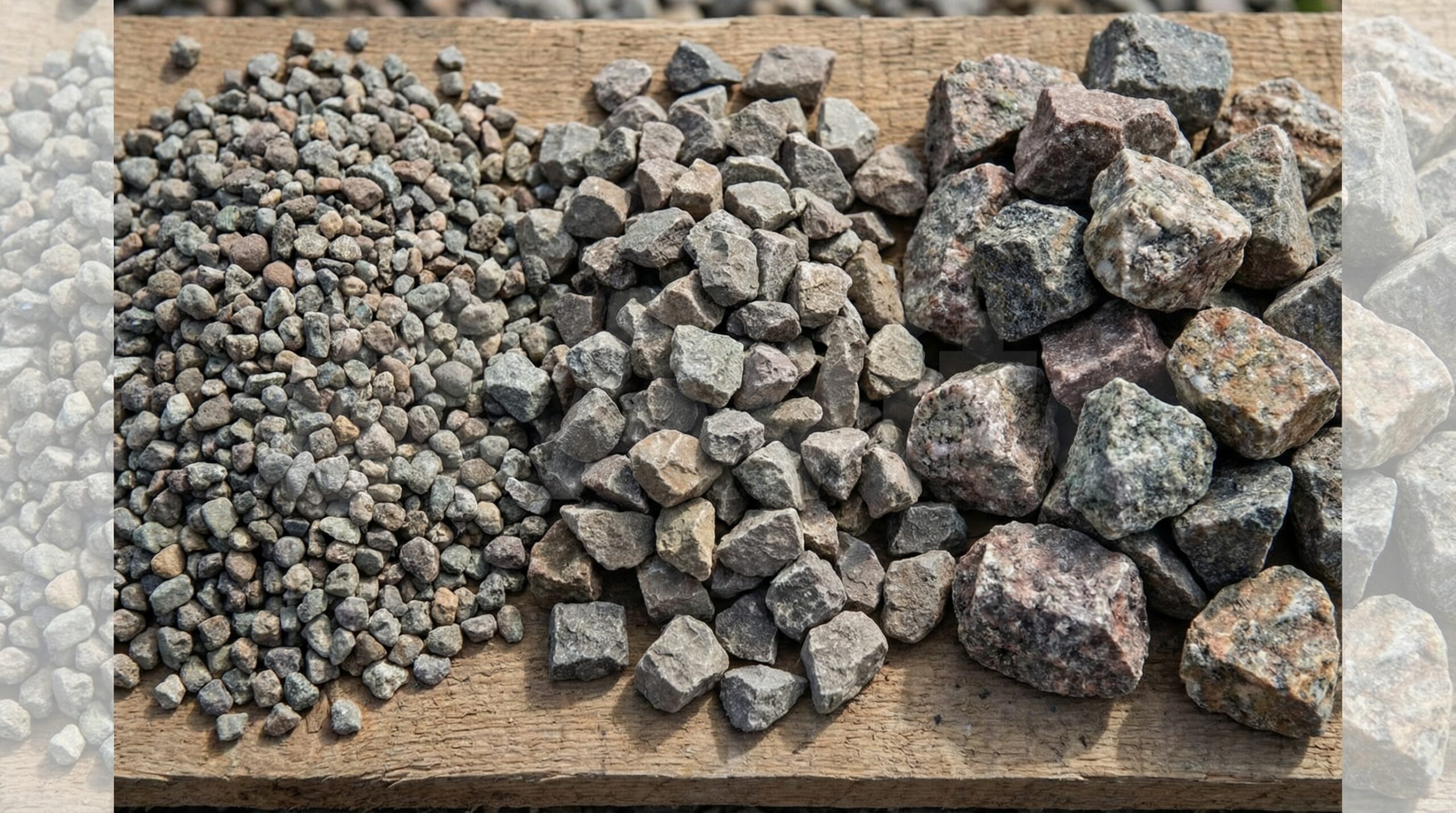
Small gravel sizes for precision applications
Small gravel aggregates, measuring 1/4 inch to 3/8 inch in diameter, excel in applications requiring smooth surfaces and excellent drainage. These compact stones create comfortable walking surfaces while allowing water to flow freely through the gaps.
You’ll find small gravel perfect for garden pathways, decorative ground covers, and areas around outdoor seating. The smaller particle size means easier installation and better compaction, creating stable surfaces that resist shifting under normal foot traffic.
However, small aggregates aren’t suitable for heavy-duty applications. They can scatter or sink under vehicle weight, making them inappropriate for driveways or parking areas. Their strength lies in creating attractive, functional spaces for pedestrian use. When selecting materials for decorative landscaping, these smaller sizes offer excellent aesthetic appeal.
Pro Insight: Small gravel requires edge restraints or borders to prevent spreading, especially on slopes or high-traffic areas.
Medium gravel for balanced performance
Medium gravel aggregates, ranging from 3/8 inch to 3/4 inch, offer the sweet spot between stability and drainage. This size category handles moderate loads while maintaining good water permeability, making it ideal for residential driveways and walkways.
The balanced characteristics of medium gravel make it versatile enough for multiple applications. You can use it as a base layer for patios, a surface material for moderate-traffic areas, or as decorative elements in landscaping projects. Learn more about choosing the best crushed stone size for a driveway to ensure optimal performance.
Medium aggregates compact well under pressure, creating stable surfaces that resist rutting from regular vehicle traffic. They’re particularly effective in areas where you need both structural integrity and adequate drainage.
| Gravel Size | Diameter Range | Best Applications | Key Benefits |
|---|---|---|---|
| Small | 1/4″ – 3/8″ | Pathways, decorative areas | Smooth surface, excellent drainage |
| Medium | 3/8″ – 3/4″ | Driveways, patios | Balanced stability and drainage |
| Large | 3/4″ – 2″ | Roads, heavy-duty areas | Maximum stability, load-bearing |
Large gravel for heavy-duty construction
Large gravel aggregates, measuring 3/4 inch to 2 inches in diameter, provide maximum stability and load-bearing capacity. These robust stones form the foundation of major construction projects, from highway bases to commercial parking lots.
The substantial size and angular nature of large aggregates create excellent interlocking properties. This mechanical bonding provides the structural strength needed to support heavy vehicles and equipment without significant settling or shifting. For professional applications, understanding the best crushed rock size for road construction is essential.
Large aggregates also excel in drainage applications where high water flow rates are required. The large void spaces between stones allow rapid water movement, making them essential for French drains and stormwater management systems.
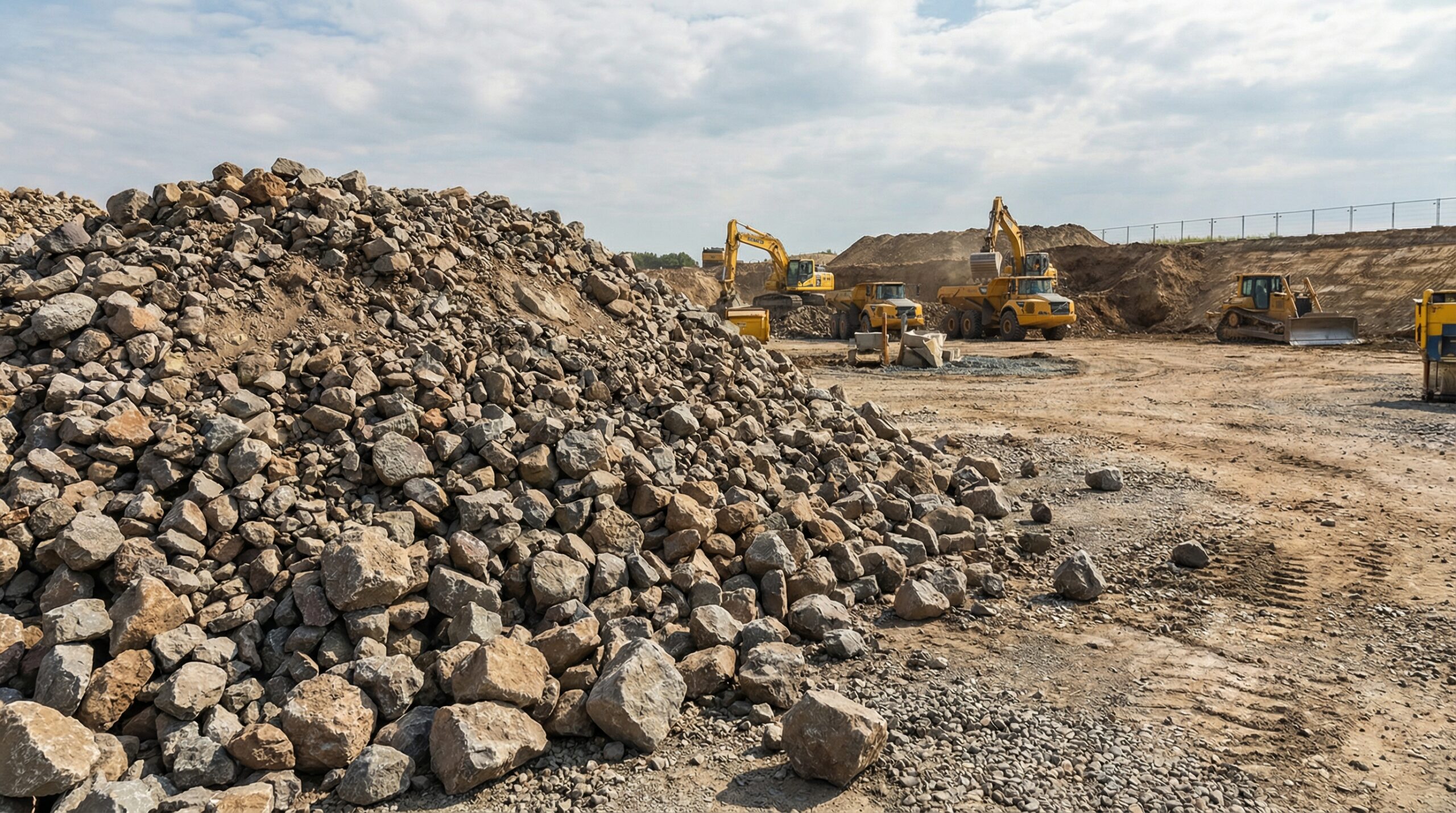
Important Note: Large aggregates require proper gradation and compaction techniques to achieve optimal performance in structural applications.
Selecting the right aggregate size for your project
Your project requirements should drive aggregate size selection. Consider the intended use, expected loads, drainage needs, and aesthetic preferences when making your choice.
For residential driveways, medium aggregates typically provide the best balance of comfort and durability. Commercial applications often require large aggregates for their superior load-bearing capacity. Decorative landscaping projects benefit from small aggregates that create attractive, walkable surfaces. If you’re working on outdoor living spaces, check out our guide on the best crushed rock size for a patio.
Environmental factors also influence size selection. Areas with heavy rainfall need aggregates that promote rapid drainage, while regions prone to erosion may require larger stones for better stability. Climate considerations help ensure your aggregate choice performs well over time.
The key is matching aggregate characteristics to project demands. A children’s playground needs different properties than a loading dock, and your aggregate size should reflect these functional requirements. For specialized applications like play areas, explore our recommendations for the best gravel size for a playground.
Understanding gravel aggregate sizes empowers you to make informed decisions for your construction or landscaping project. Small aggregates create smooth, attractive surfaces with excellent drainage. Medium sizes offer balanced performance for moderate-load applications. Large aggregates provide maximum stability for heavy-duty construction needs. By matching size to application, you ensure optimal performance and longevity for your investment.