How Much Gravel in a Bulk Bag and Complete Buying Guide
Get an estimate for your project in 60 seconds
 Your information is secure
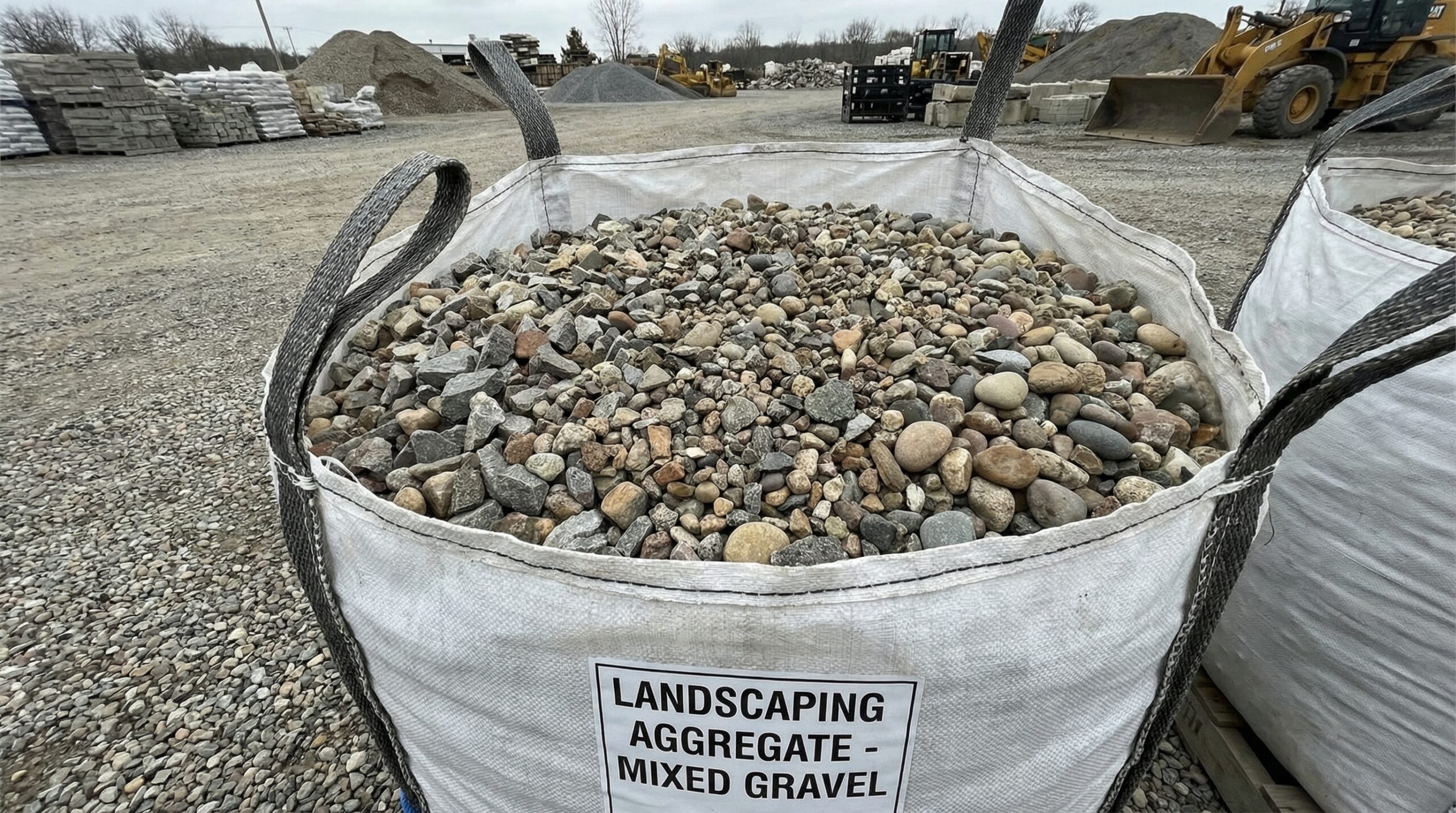
Planning a landscaping or construction project and wondering about bulk bag quantities? A standard bulk bag typically contains 0.5 to 1.5 tons of gravel, covering approximately 40 to 120 square feet at 3 inches deep, depending on the stone size and type. Understanding these measurements helps you order the right amount and avoid costly mistakes.
Quick Answer: Most bulk bags hold 1 ton of gravel, which covers about 80 square feet at 3 inches deep or 40 square feet at 6 inches deep.
Whether you’re building a driveway, creating garden pathways, or improving drainage around your property, getting the quantities right makes your project run smoothly. Let’s walk through everything you need to know about bulk bag gravel to make your purchasing decision easier.
Understanding bulk bag sizes and coverage
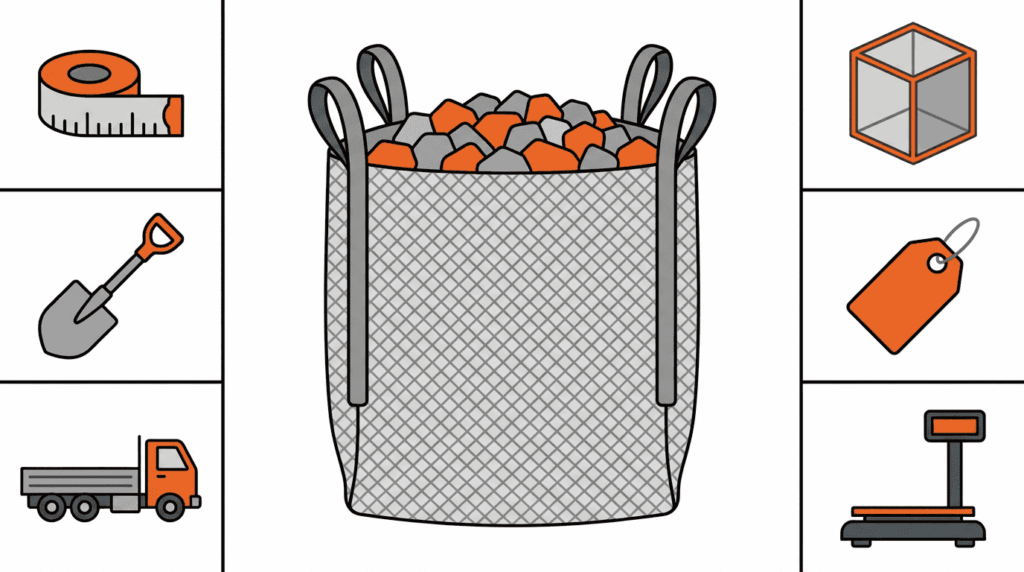
Bulk bags come in different sizes, and the amount of gravel they contain varies based on several factors. The most common bulk bag sizes range from half-ton to one-and-a-half-ton capacity, with one-ton bags being the industry standard for most residential projects.
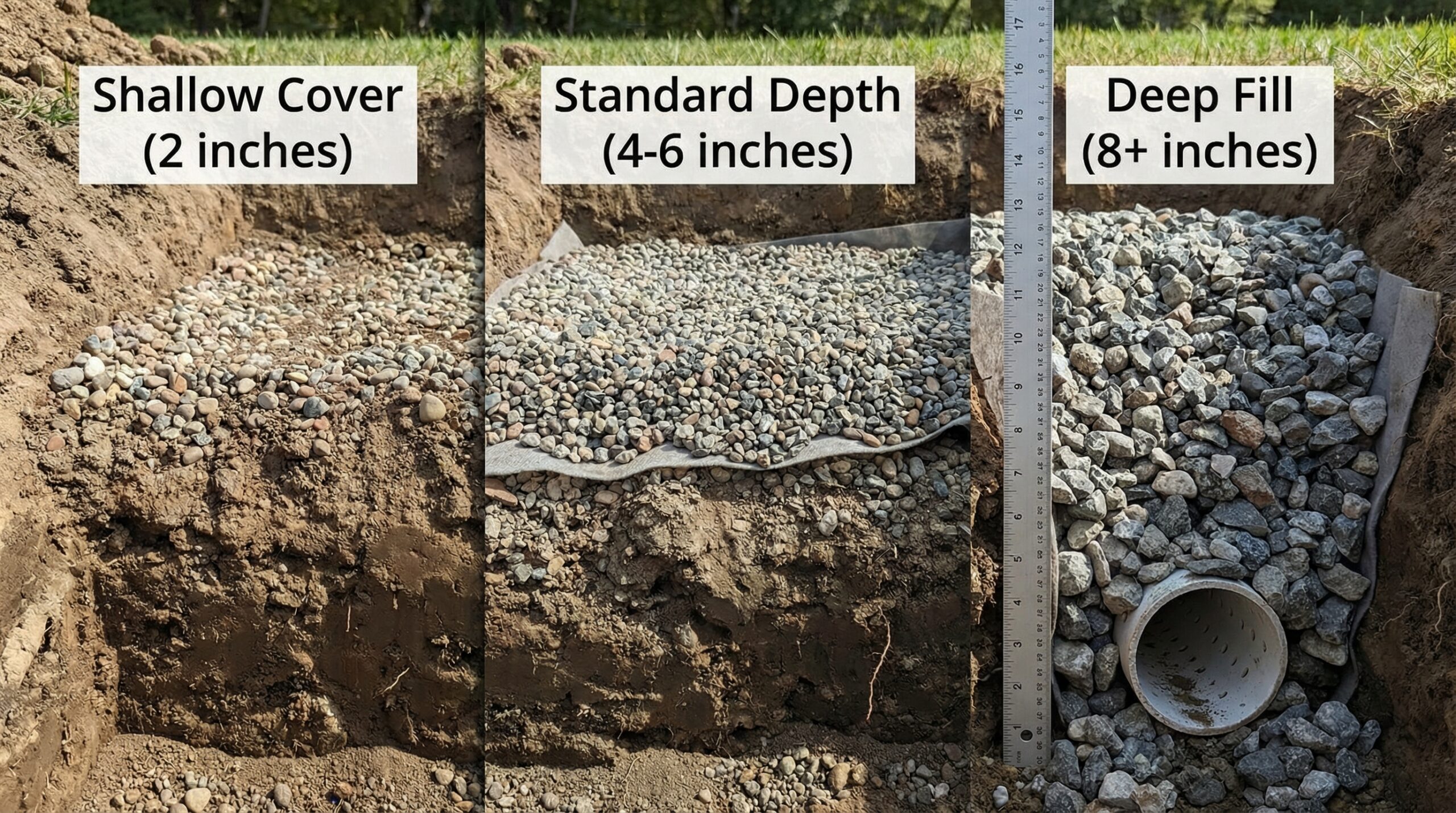
The coverage you get depends on how deep you plan to spread the gravel. For decorative applications like garden borders, you might only need 2 inches of depth. However, driveways typically require 4 to 6 inches for proper stability and drainage. A one-ton bag covers roughly 160 square feet at 2 inches deep, 80 square feet at 3 inches, or 40 square feet at 6 inches.
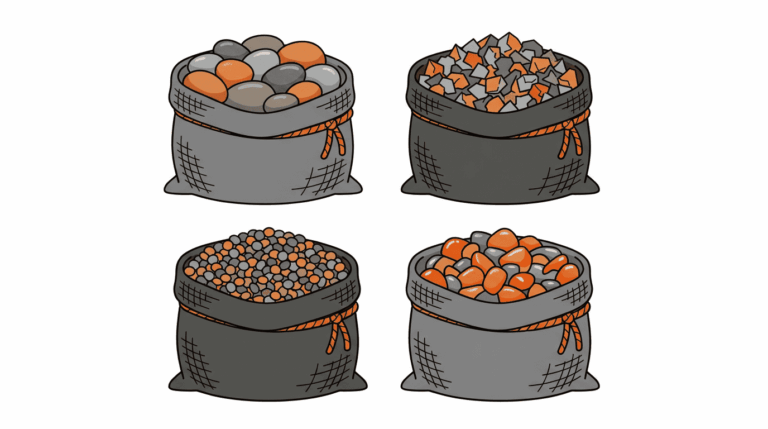
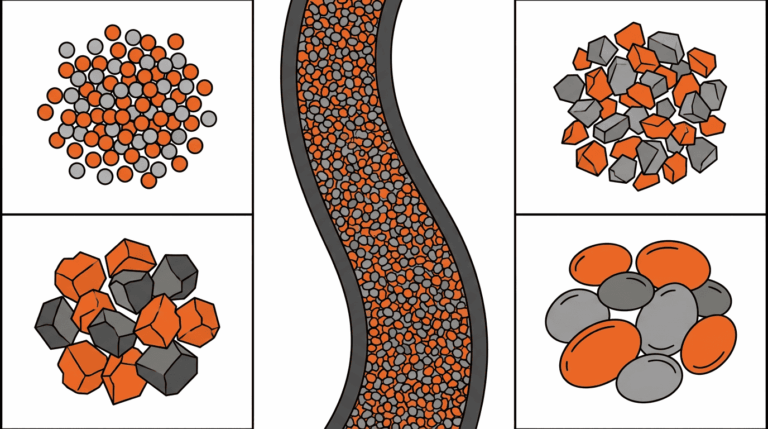
Stone size also affects coverage calculations. Smaller stones like pea gravel pack more tightly, giving you more coverage per ton. Larger crushed stone has more air gaps, so you’ll need slightly more material for the same area. To better understand how different sizes of gravel aggregates impact your project, always order 10 to 15 percent extra to account for compaction and settling.
Types of gravel stones and their applications
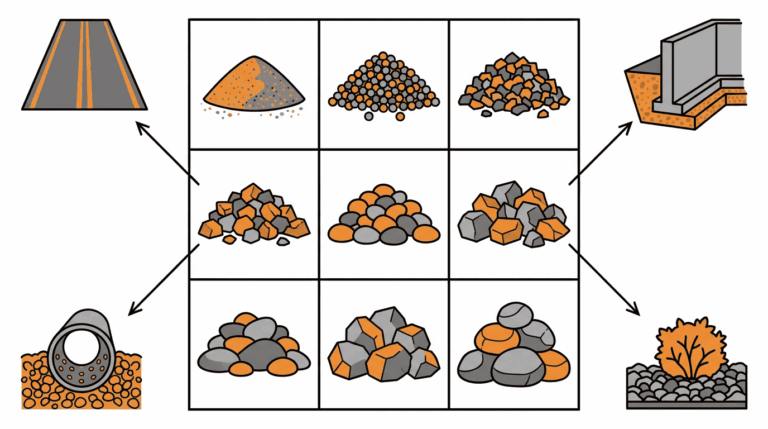
Different gravel types serve different purposes, and understanding these differences helps you choose the right material for your project. Crushed stone works excellently for driveways and construction applications because its angular edges lock together, creating a stable surface that handles heavy traffic well. For specific driveway projects, learning about the best crushed stone size for a driveway can help you make the right choice.
Pea gravel offers a smoother, more decorative option perfect for walkways and garden areas. Its rounded edges make it comfortable to walk on, though it shifts more easily under vehicle weight. If you’re planning a pathway, check out our guide on the best gravel size for a walkway. River rock provides natural beauty for landscaping features but costs more than other options.
For drainage applications, larger stones like drain rock allow water to flow freely while providing structural support. These work well around foundations, in French drains, or anywhere you need to prevent water buildup. Each type has its sweet spot for specific applications. For a complete overview, explore our guide on types of gravel for landscaping.
| Gravel Type | Best Use | Coverage per Ton (3″ deep) | Price Range |
|---|---|---|---|
| Crushed Stone | Driveways, construction | 80 sq ft | $15-30/ton |
| Pea Gravel | Walkways, decorative | 85 sq ft | $40-75/ton |
| River Rock | Landscaping, water features | 75 sq ft | $50-90/ton |
| Drain Rock | French drains, foundations | 70 sq ft | $20-35/ton |
Calculating your gravel needs accurately
Getting your calculations right saves money and prevents project delays. Start by measuring your project area in feet, then multiply length by width to get square footage. Next, determine your desired depth in inches and convert it to feet by dividing by 12.
The basic formula is: Length × Width × Depth (in feet) ÷ 21.6 = tons needed. This accounts for the typical weight of gravel at about 1.3 tons per cubic yard. For a 20-foot by 30-foot driveway at 4 inches deep, you’d calculate: 20 × 30 × 0.33 ÷ 21.6 = 9.2 tons.
Pro Tip: Use online calculators or ask your supplier to verify your calculations. They can adjust for specific gravel types and local conditions that might affect your needs.
Remember that different projects need different depths. Decorative pathways might only need 2 to 3 inches, while heavy-duty driveways require 4 to 6 inches for proper support. For garden projects, consider reading about the best crushed stone size for a garden bed. Always round up to the nearest half-ton when ordering, and consider ordering extra if your project has irregular shapes or slopes.
Smart buying tips for bulk gravel bags
Shopping for bulk gravel requires some strategy to get the best value and quality. Start by researching local suppliers and comparing not just prices, but also delivery options and customer service. Some suppliers offer free delivery within certain distances, which can significantly impact your total cost.
Read product descriptions carefully to understand exactly what you’re getting. Look for information about stone size, color consistency, and whether the material is washed or contains fines. Customer reviews provide valuable insights about actual quality and supplier reliability. For more information on purchasing options, our ultimate guide to bags of gravel stones offers detailed insights.
Timing your purchase can save money too. Many suppliers offer better rates during off-peak seasons, typically fall and winter when demand is lower. If you can plan ahead, you might secure significant savings compared to peak spring and summer pricing.
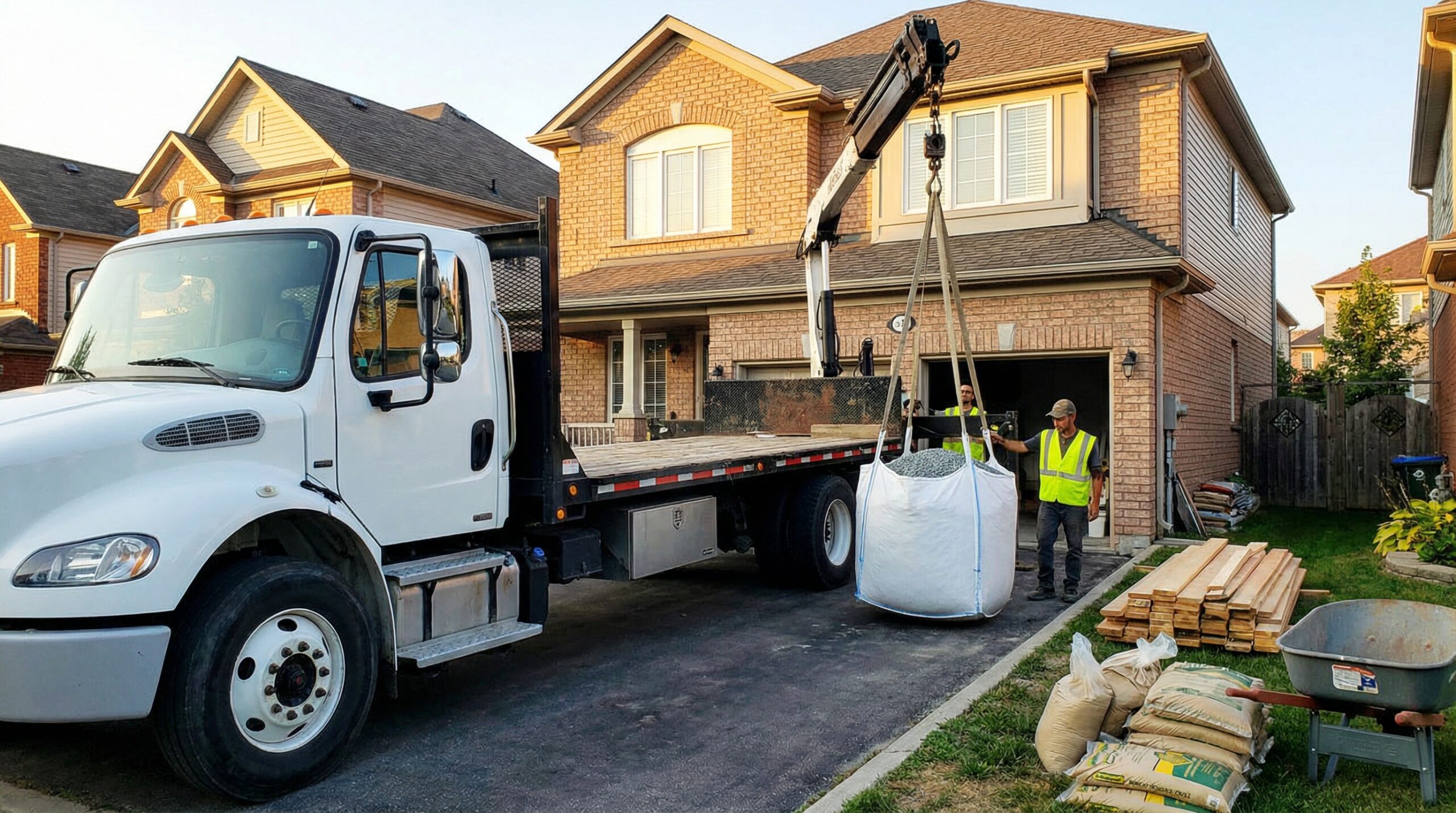
Consider the total project cost beyond just the gravel price. Factor in delivery fees, which typically range from $50 to $200 depending on distance and truck size. Some projects might benefit from having multiple smaller deliveries rather than one large one, especially if storage space is limited.
Money-Saving Strategy: Order all your materials from the same supplier when possible. Many offer discounts for larger orders and can coordinate deliveries to minimize costs.
Proper handling and storage techniques
Once your bulk bags arrive, proper handling ensures safety and maintains material quality. Use appropriate equipment like forklifts or skid steers when moving heavy bags. If moving by hand, get help and use proper lifting techniques to avoid injury. For comprehensive handling advice, see our guide to using a dumpy bag of stones.
Store bulk bags on level, well-drained ground away from areas where water might collect. Cover them with tarps if rain is expected, as wet gravel becomes heavier and harder to work with. Avoid placing bags directly on grass or soft soil where they might sink or become difficult to access.
Plan your installation timeline to minimize storage time. While gravel doesn’t spoil, longer storage increases the risk of contamination from leaves, dirt, or other debris. If you must store bags for extended periods, choose a location where you can easily access them with equipment when you’re ready to use the material.
Getting your bulk bag gravel purchase right involves understanding quantities, choosing appropriate materials, calculating needs accurately, and buying smartly. With proper planning and the right supplier, you can complete your project efficiently while staying within budget. Whether you’re improving drainage, building a driveway, or enhancing your landscape, the right gravel in the right quantities makes all the difference in achieving professional results that last for years.