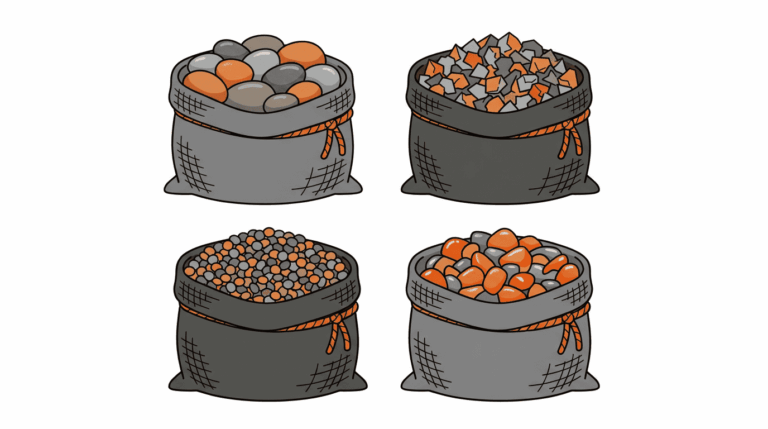
Landscaping Gravel Types Guide Choose the Perfect Stone for Your Project
Get an estimate for your project in 60 seconds
 Your information is secure
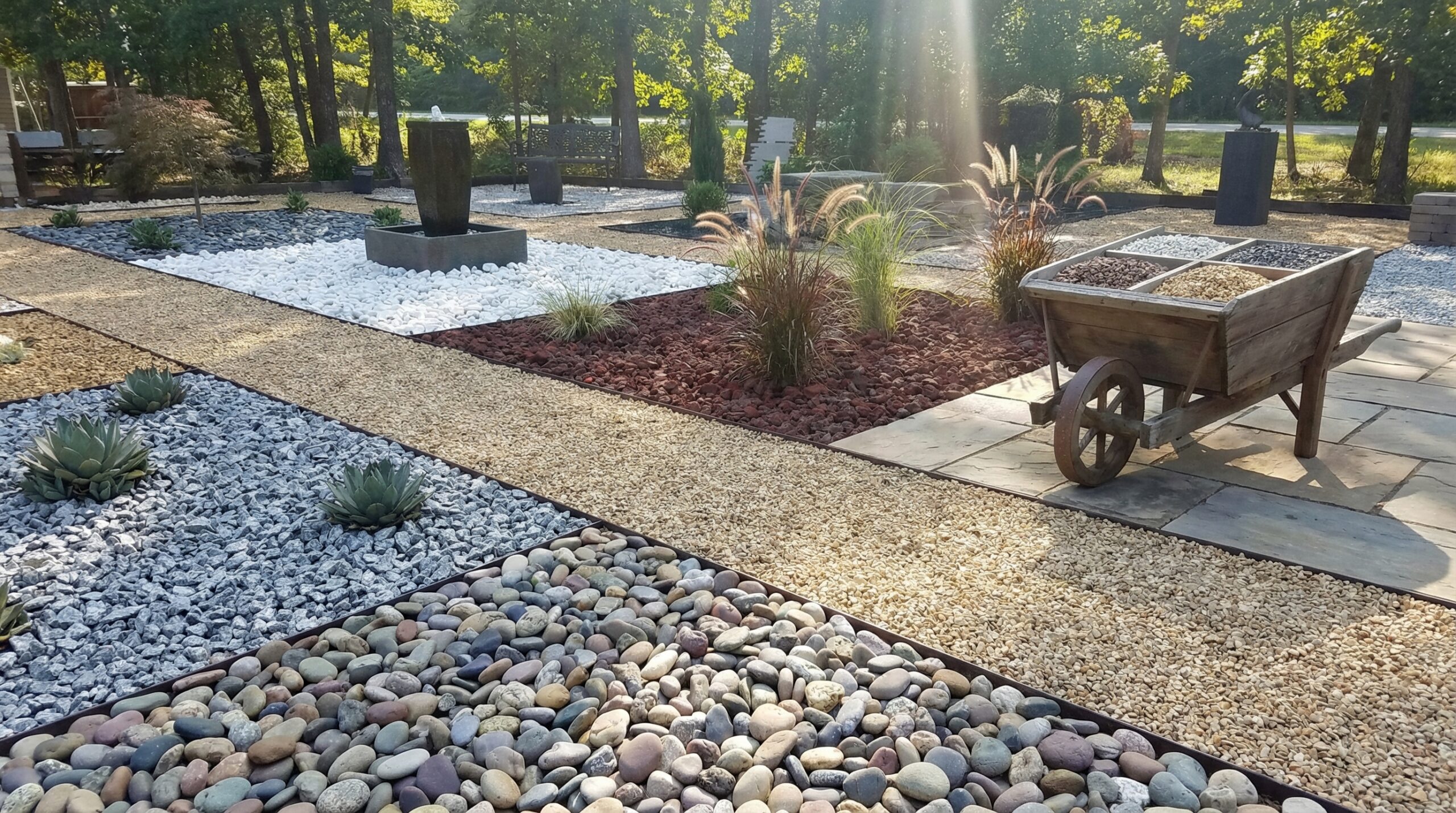
Choosing the right gravel for your landscaping project can transform an ordinary outdoor space into something extraordinary. Whether you’re creating a peaceful garden pathway, installing a functional driveway, or adding decorative elements around your home, the type of gravel you select affects both appearance and performance.
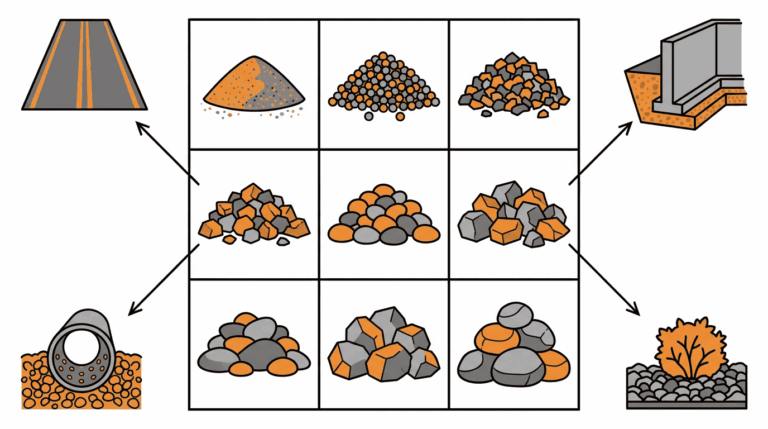
Quick Answer: Pea gravel works best for comfortable walkways and decorative areas, crushed stone excels in driveways and high-traffic zones, while river rock creates stunning water features and natural borders.
The key lies in understanding how different gravel types perform in various applications. From drainage properties to visual appeal, each option brings unique benefits that can make or break your landscaping vision. Let’s explore the most popular gravel types and help you make the perfect choice for your specific needs.
Understanding gravel basics for landscaping
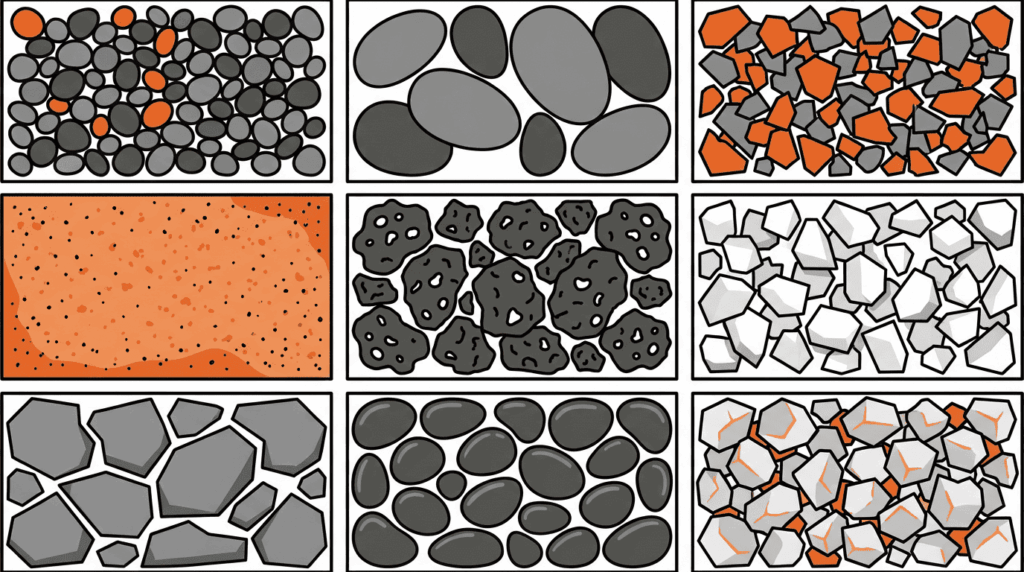
Gravel consists of small rock fragments typically ranging from 1/8 inch to 2.5 inches in diameter. These stones form naturally through erosion and weathering, creating the smooth, rounded shapes we commonly see in landscaping applications.
What makes gravel particularly valuable for outdoor projects is its excellent drainage properties. Unlike solid surfaces that create runoff problems, gravel allows water to flow through naturally, preventing puddles and protecting plant roots from waterlogged conditions.
The durability factor cannot be overlooked either. Quality gravel withstands heavy foot traffic, weather extremes, and time without breaking down or requiring frequent replacement. This makes it a cost-effective long-term solution for busy households.
Popular gravel types and their best uses
Pea gravel for comfort and versatility
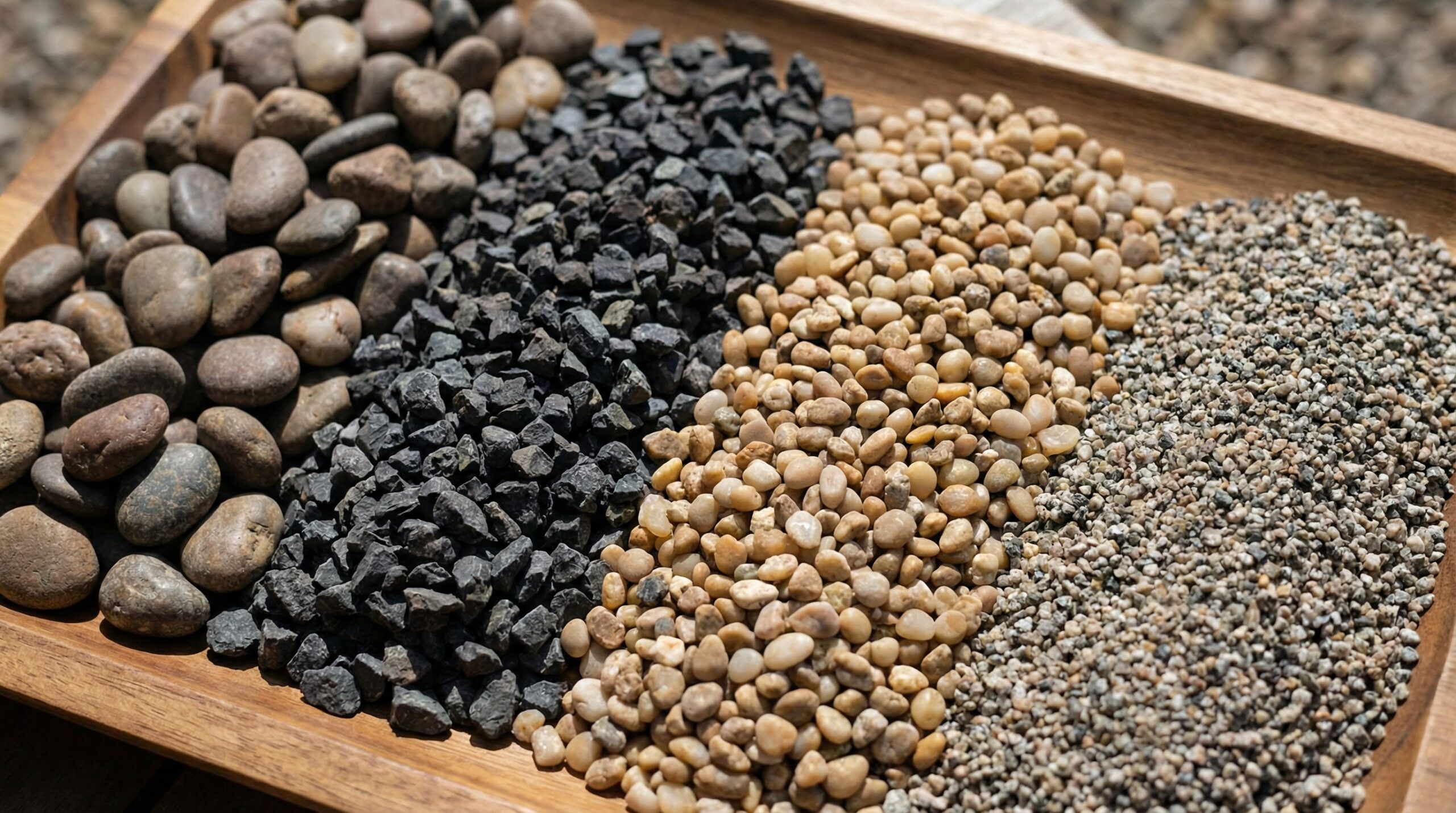
Pea gravel earns its name from the small, rounded stones that resemble garden peas in size and shape. These smooth stones feel comfortable underfoot, making them perfect for areas where people walk regularly.
You’ll find pea gravel excels in garden pathways, around outdoor seating areas, and as decorative ground cover between plants. The natural colors range from warm tans and beiges to cool grays, allowing you to match existing landscape elements easily.
The downside is that pea gravel doesn’t compact well, so avoid using it for driveways or areas that need structural stability. However, for decorative applications and light-traffic walkways, it’s hard to beat.
Crushed stone gravel for strength and stability
Crushed stone gravel features angular, irregular shapes created by mechanically crushing larger rocks. These sharp edges allow the stones to lock together when compacted, creating an incredibly stable surface.
This interlocking quality makes crushed stone the go-to choice for driveways, parking areas, and anywhere you need a surface that can handle vehicle weight. The rough texture also provides excellent traction, even in wet conditions.
Pro Tip: Crushed stone gravel works excellently as a base layer under other decorative gravels, providing structural support while allowing the top layer to shine aesthetically.
Beyond functional applications, crushed stone creates striking visual accents in garden borders and retaining wall projects. The angular appearance adds a more formal, architectural feel compared to rounded alternatives. For more detailed information on different types of crushed stone, explore the various options available for your specific project needs.
River rock gravel for natural beauty
River rock gravel comes directly from riverbeds and streams, where constant water flow has polished the stones to a smooth, rounded finish. This natural weathering process creates some of the most visually appealing gravel available.
The size range varies significantly, from small pebbles to large stones several inches across. This variety allows you to create different effects, from subtle ground cover to bold statement features.
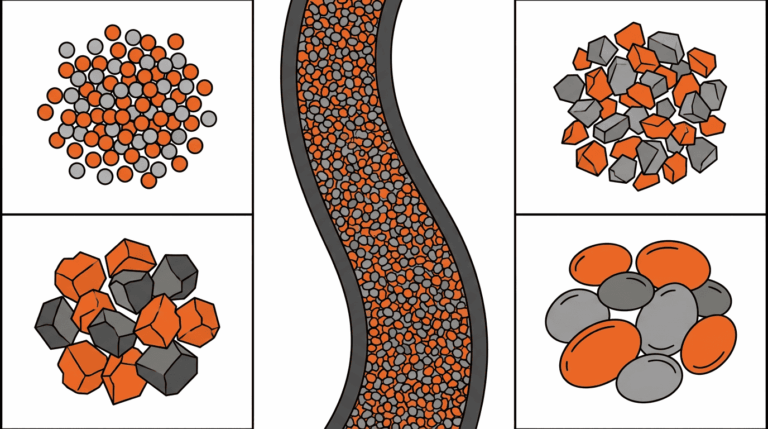
Water features benefit tremendously from river rock gravel. The smooth stones complement flowing water perfectly, creating a natural, peaceful atmosphere. Dry creek beds and decorative borders also showcase river rock beautifully.
Keep in mind that the smooth surface makes river rock less suitable for high-traffic areas or anywhere you need good traction. It’s primarily a decorative choice rather than a functional one.
Choosing the right gravel for your project
The decision process starts with identifying your primary goal. Are you solving a drainage problem, creating a comfortable walking surface, or adding visual interest to your landscape? Your main objective guides the selection process.
Consider the traffic level your gravel will experience. High-traffic areas like driveways and main pathways need the stability that crushed stone provides. For driveways specifically, understanding the best crushed stone size for a driveway ensures optimal performance and longevity. Low-traffic decorative areas can use more visually appealing options like pea gravel or river rock.
| Gravel Type | Best For | Size Range | Drainage | Comfort Level |
|---|---|---|---|---|
| Pea Gravel | Pathways, decorative areas | 1/8″ – 3/8″ | Good | High |
| Crushed Stone | Driveways, high-traffic areas | 3/4″ – 1.5″ | Excellent | Medium |
| River Rock | Water features, borders | 1″ – 6″ | Good | Low |
Budget considerations matter too. Pea gravel and crushed stone typically cost less than specialty options like river rock or colored decorative gravels. Factor in both material costs and any additional preparation your chosen gravel might require. When planning your purchase, consider whether buying gravel in bulk bags makes sense for your project size.
Installation tips for lasting results
Proper preparation makes the difference between a gravel installation that lasts decades and one that requires constant maintenance. Start by clearing the area completely, removing all vegetation, roots, and debris that could cause settling issues later.
The base preparation depends on your gravel choice and intended use. Decorative applications might only need basic leveling, while driveways require several inches of compacted base material for stability.
Installation Insight: Installing landscape fabric under decorative gravel prevents weeds while allowing water drainage, but skip it under driveways where you need maximum compaction.
Depth requirements vary by application. Pathways typically need 2-3 inches of gravel, while driveways require 4-6 inches for proper load distribution. If you’re creating a walkway, learn more about the best gravel size for a walkway to ensure comfort and durability. Always compact each layer thoroughly before adding the next.
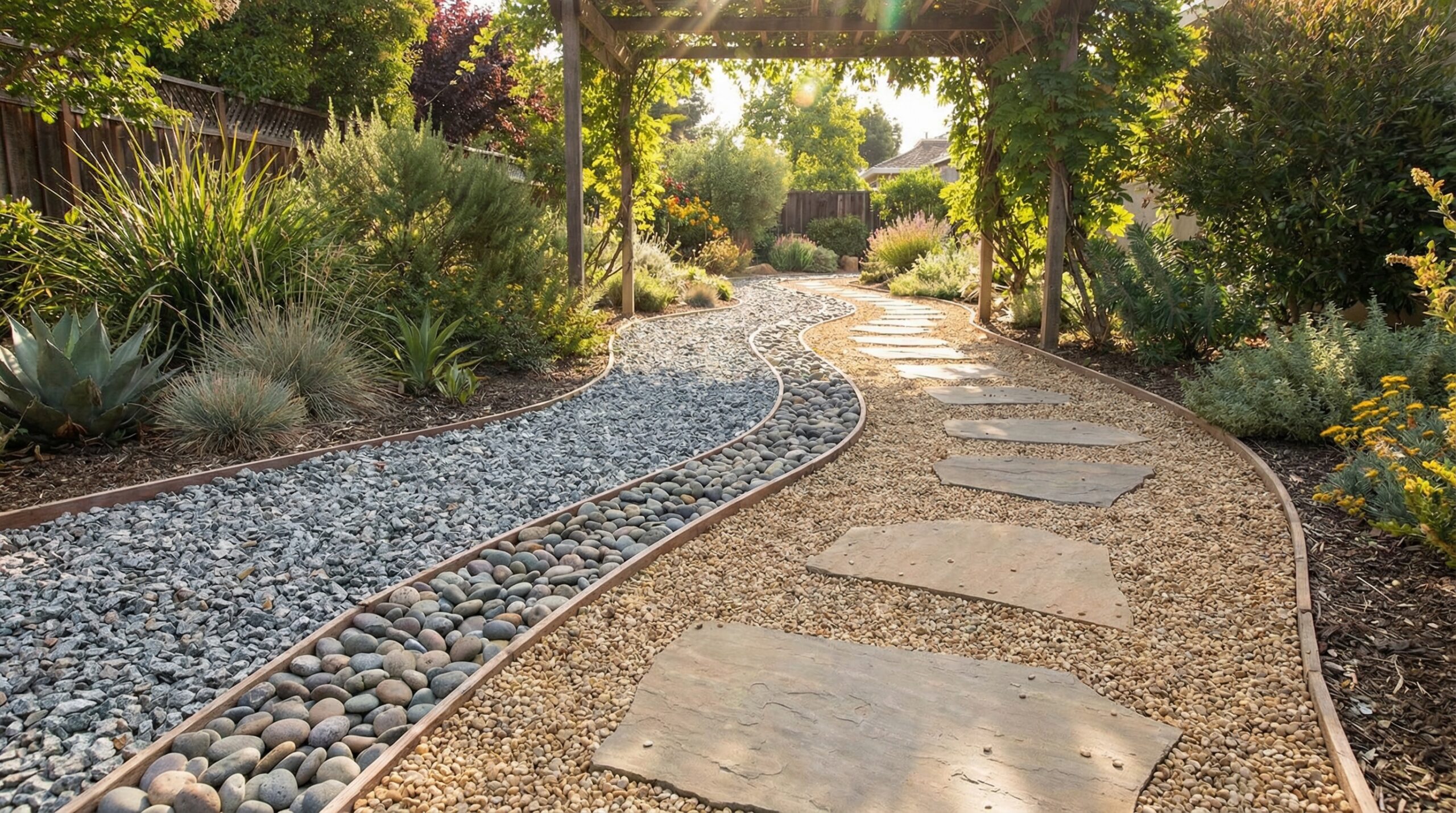
Edge restraints help keep gravel in place, especially on slopes or high-traffic areas. Simple options include metal edging, concrete borders, or even treated lumber depending on your aesthetic preferences.
Regular maintenance keeps your gravel looking fresh and functioning properly. Occasional raking redistributes stones and maintains level surfaces, while adding fresh material every few years compensates for natural settling and displacement.
Selecting the right gravel type transforms your landscaping project from ordinary to outstanding. Whether you choose the comfort of pea gravel, the strength of crushed stone, or the natural beauty of river rock, understanding the different sizes of gravel aggregates helps you create outdoor spaces that perform beautifully for years to come. Take time to evaluate your specific needs, and don’t hesitate to combine different gravel types in a single project for the perfect balance of function and beauty.