What Should I Use to Fill the Bottom of My Raised Garden Bed

Get an estimate for your project in 60 seconds
 Your information is secure

Building a raised garden bed is exciting, but choosing the right filling material can make or break your gardening success. The short answer is simple: use quality soil, not gravel. While you might think gravel improves drainage, it actually creates more problems than it solves in raised beds.
Quick Tip: Fill raised beds that are 12 inches or taller with a layered approach using 60% topsoil, 30% compost, and 10% coarse sand for optimal drainage and plant health.
Understanding what goes into your raised bed affects everything from drainage to plant growth. You want materials that support healthy root development while preventing waterlogged conditions that can kill your plants. Let’s explore the best options and clear up common misconceptions about raised bed filling.
Why raised beds need proper filling
Raised garden beds offer incredible advantages over traditional in-ground gardening. You get better control over soil quality, improved accessibility, and enhanced drainage when done correctly. The key lies in understanding how water moves through different materials.
When you elevate your growing space, gravity becomes your ally in managing water flow. However, this only works if you choose the right filling materials. Poor choices can create drainage problems that defeat the entire purpose of building raised beds in the first place.
The materials you select also determine how much you’ll spend on your project. 3dev.hellogravel.com notes that smart material choices can significantly reduce costs while improving plant performance. Quality soil creates the foundation for a thriving garden ecosystem.
The soil versus gravel debate
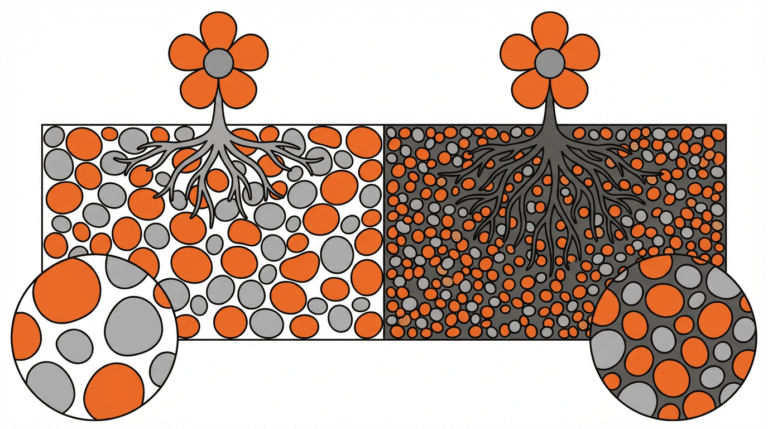
Many gardeners assume that adding gravel to the bottom of raised beds improves drainage. This misconception has persisted for years, but science tells a different story. Gravel actually creates what experts call a “perched water table” that traps moisture above the gravel layer.

Here’s what really happens when you use gravel: water moves down through the soil until it hits the gravel layer. Instead of draining away, it accumulates just above the gravel because water prefers to move through materials with similar particle sizes. This creates a soggy zone right where your plant roots are trying to grow.
| Material | Drainage Effect | Cost | Plant Health Impact |
|---|---|---|---|
| Quality Soil Mix | Excellent | Moderate | Promotes growth |
| Gravel Layer | Poor (creates water table) | Low | Harmful to roots |
| Sand Addition | Good when mixed | Low | Neutral to positive |
Understanding the differences between topsoil and subsoil is crucial for creating the right soil profile in your raised bed. When you use a proper soil mix with organic matter, you get consistent water movement throughout the entire bed. The organic components also feed beneficial microorganisms that support plant health.
Research Insight: According to gardenmyths.com, beds shorter than 12 inches should contain only soil to maximize root space and prevent growth problems.
Creating the perfect soil mix
The best raised bed filling combines different materials to achieve optimal drainage and nutrition. Start with a base of quality topsoil, which provides structure and nutrients. Add compost for organic matter and slow-release nutrition. Include coarse sand or perlite to improve drainage without creating barriers.
Your ideal mix should contain 60% topsoil, 30% compost, and 10% drainage material like coarse sand. This combination gives you the benefits of water retention for dry periods and quick drainage during heavy rains. The organic matter breaks down slowly, continuously feeding your plants throughout the growing season.
greatgardenplans.com emphasizes that natural materials work better than artificial drainage layers. Wood chips, straw, or cardboard can serve as bottom layers in very deep beds, but they should decompose over time rather than create permanent barriers.
For beds taller than 18 inches, you can use a layering approach. Place coarse organic materials like branches or logs at the very bottom, followed by smaller organic matter, then your soil mix on top. This saves money on soil while creating a natural composting system. If you’re working with sandy soil for raised bed gardening, you’ll need to adjust your mix to ensure adequate water retention.
When gravel makes sense

While gravel doesn’t belong in raised garden beds, it does have appropriate uses in container gardening. Pots and planters benefit from gravel drainage layers because they’re enclosed systems with drainage holes at the bottom. The gravel prevents soil from washing out while allowing excess water to escape.
3dev.hellogravel.com explains that gravel works well as mulch around plants or for pathway creation between raised beds. It suppresses weeds, retains soil moisture, and adds visual appeal to your garden design.
Consider using gravel for decorative purposes or as a surface mulch rather than as a drainage layer. Pea gravel or crushed stone can create attractive borders around your raised beds while serving practical functions like weed control and moisture retention.
Pro Tip: Save money by using gravel for pathways and decorative elements while investing in quality soil for your planting areas.
The key is understanding that different materials serve different purposes in your garden. Use each material where it performs best rather than trying to make one material do everything. This approach gives you better results while managing costs effectively.
Remember that successful raised bed gardening depends more on soil quality than expensive drainage systems. Whether you’re planning a vegetable garden with the right potting soil or choosing between fill dirt and topsoil for your project, focus your budget on good topsoil and compost rather than unnecessary gravel layers. Your plants will reward you with healthier growth and better harvests when you give them the right foundation to thrive.