Best Gravel Size for Playground Safety and Comfort
Get an estimate for your project in 60 seconds
 Your information is secure
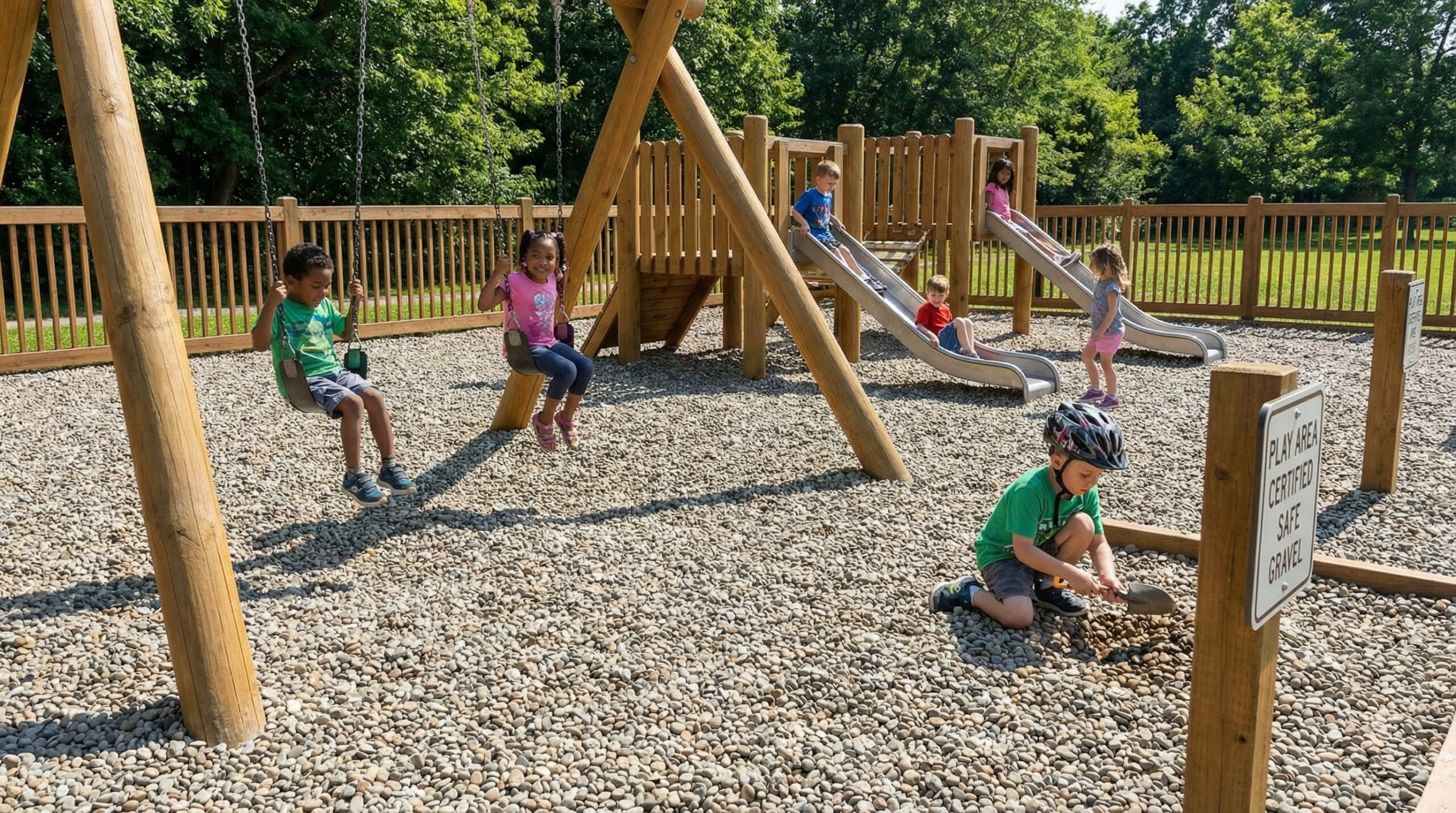
Choosing the right gravel size for your playground directly impacts child safety and comfort during play. The ideal gravel size typically ranges from 1/8 to 3/8 inches for pea gravel or 3/8 to 3/4 inches for crushed stone, depending on the age group using the playground and equipment fall heights. According to 3dev.hellogravel.com, proper gravel sizing can significantly reduce injury risk while providing excellent drainage and durability.
Safety First: The Consumer Product Safety Commission (CPSC) requires minimum gravel thickness of 6 inches for equipment with 4-foot fall heights, increasing proportionally for taller structures.
Understanding these requirements helps you create a safe play environment that meets regulatory standards while keeping children comfortable during active play.
Understanding playground safety requirements
Playground surface materials serve as the primary defense against fall-related injuries, which account for the majority of playground accidents. The surface must absorb impact energy while maintaining stability and comfort for walking and playing.
Safety standards vary based on equipment height and intended age groups. For children aged 2-5 years, equipment typically has maximum fall heights of 4 feet, while equipment for ages 5-12 can reach 7 feet. Each height category requires specific gravel thickness to meet CPSC guidelines.
The gravel’s ability to maintain its protective qualities depends on proper installation depth and regular maintenance. Compaction over time can reduce effectiveness, making ongoing care essential for continued safety compliance.
Climate considerations also affect gravel performance. Areas with heavy rainfall benefit from larger gravel sizes that promote better drainage, preventing muddy conditions that increase slip risks. Drier regions can accommodate smaller sizes that provide softer surfaces for ground-level play.
Comparing gravel types for playground use
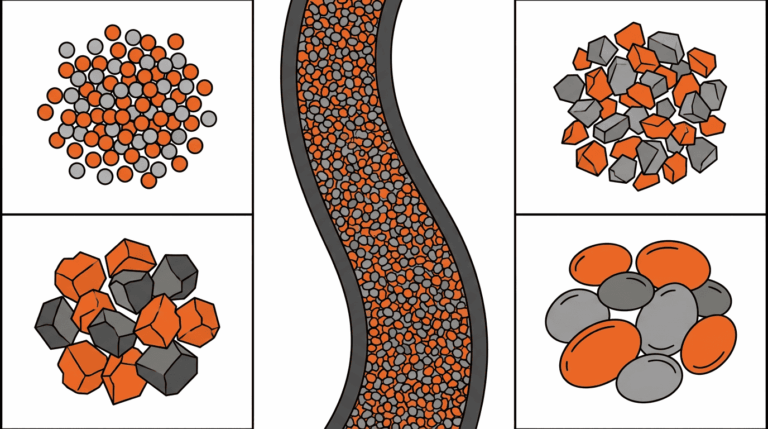
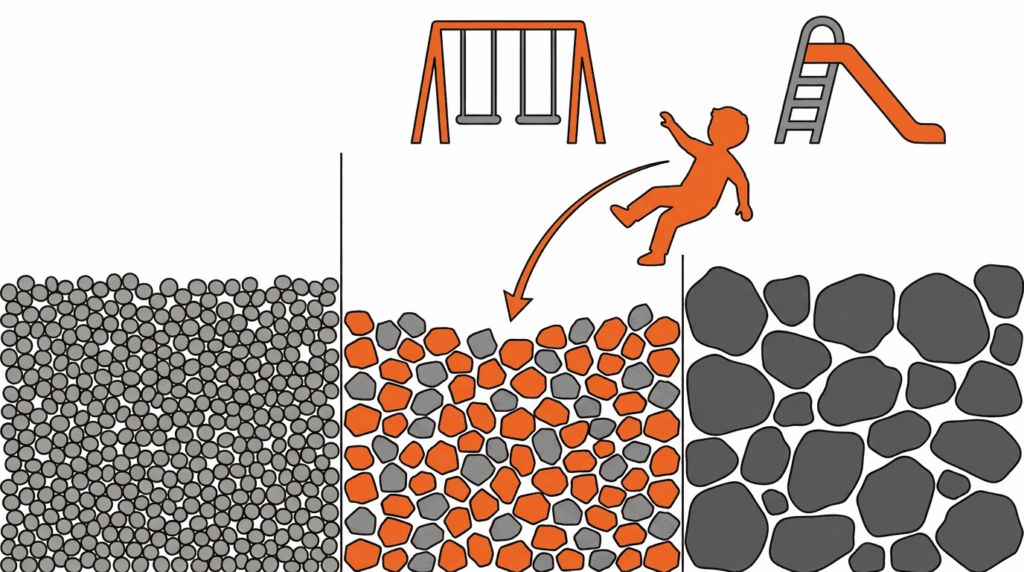
Different gravel types offer distinct advantages for playground applications. Pea gravel features small, rounded stones that feel comfortable underfoot and provide excellent drainage properties. Its smooth edges reduce scrape risks during falls, making it particularly suitable for younger children.
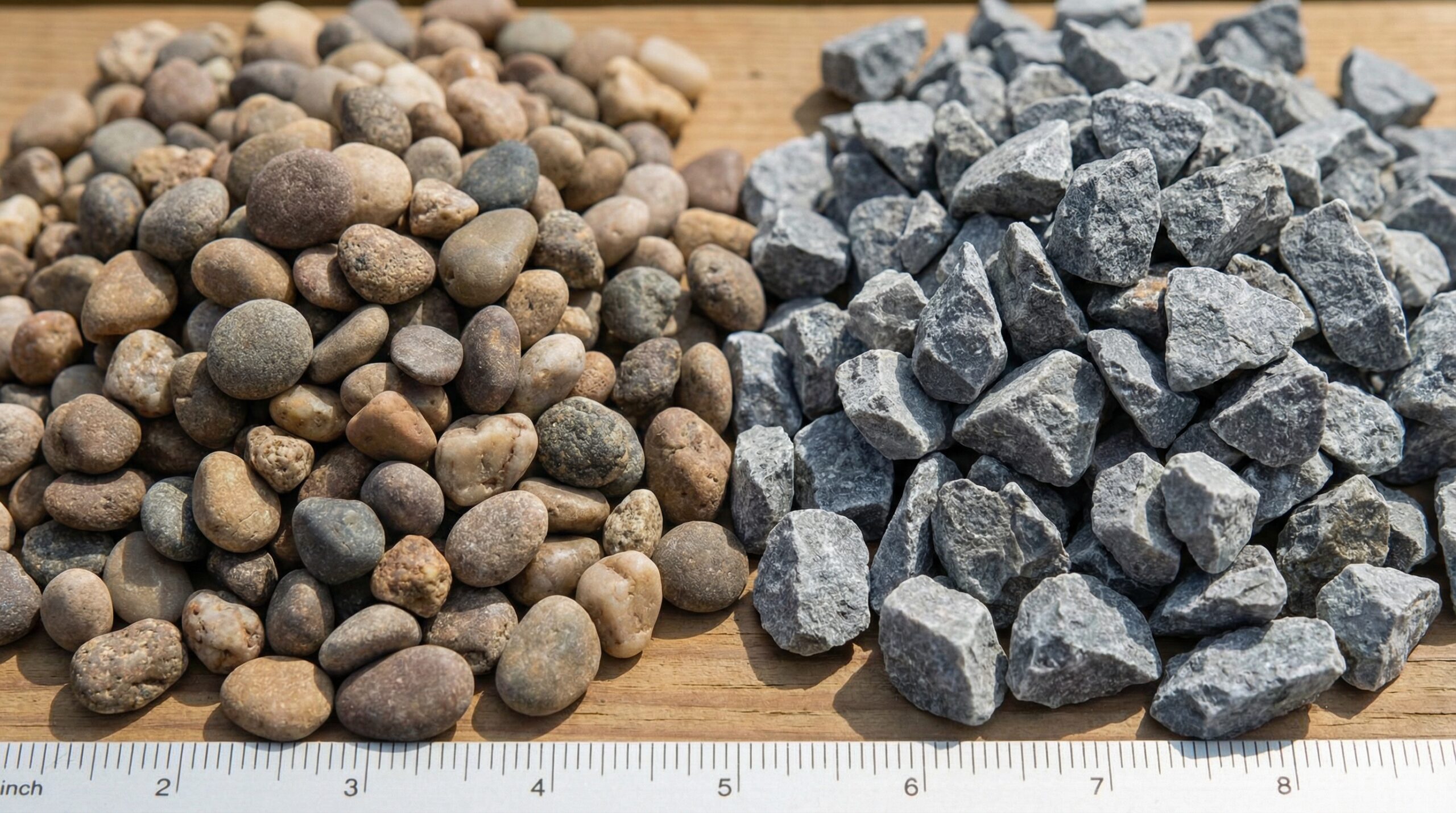
Crushed stone offers superior stability and durability for high-traffic areas. The angular edges help pieces interlock, creating a more stable surface that resists displacement. This makes crushed stone ideal for areas under swings or climbing equipment where repeated impact occurs. If you’re considering different types of crushed stone for your project, understanding their unique properties can help you make an informed decision.
Jersey Shore gravel provides unique aesthetic appeal with its distinctive coastal coloring. This option combines good drainage properties with visual appeal, though availability may be limited to certain regions.
Drainage Matters: Proper drainage prevents standing water that can create safety hazards and bacterial growth. Gravel’s natural porosity makes it superior to solid surfaces for water management.
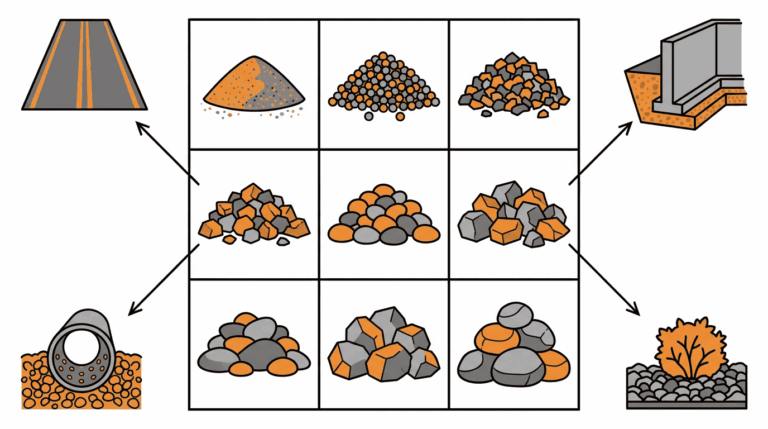
Each gravel type requires different installation approaches and maintenance schedules. Consider your specific playground needs, local climate, and available maintenance resources when making your selection. For a broader overview of various types of gravels available, explore comprehensive guides that detail their applications.
Selecting appropriate gravel sizes
Small gravel sizes work best for younger children and areas with lower equipment heights. Pea gravel in the 1/8 to 3/8-inch range provides comfortable walking surfaces while offering adequate impact protection for equipment under 6 feet tall.
Medium-sized options balance comfort with stability needs. Crushed stone in the 3/8 to 3/4-inch range suits mixed-age playgrounds where both younger and older children play. This size provides sufficient cushioning while maintaining surface stability under heavier use.
Large gravel sizes generally prove unsuitable for playground surfaces. Stones larger than 3/4 inch create uncomfortable walking conditions and fail to provide adequate fall protection. These sizes work better for drainage applications or decorative borders around playground perimeters. Understanding the different sizes of gravel aggregates helps you select the most appropriate material for each specific application.
| Gravel Size | Age Group | Equipment Height | Minimum Depth |
|---|---|---|---|
| 1/8-3/8 inch | 2-5 years | Up to 4 feet | 6 inches |
| 3/8-3/4 inch | 5-12 years | Up to 7 feet | 9 inches |
| Mixed sizes | All ages | Varies | 6-12 inches |
Consider potential choking hazards when selecting sizes for areas used by very young children. Gravel pieces should be large enough to prevent accidental ingestion while remaining comfortable for play activities.
Installation and maintenance best practices
Proper installation begins with thorough site preparation. Remove existing vegetation, debris, and uneven soil to create a level foundation. Installing geotextile fabric beneath the gravel helps prevent weed growth while maintaining drainage capabilities.
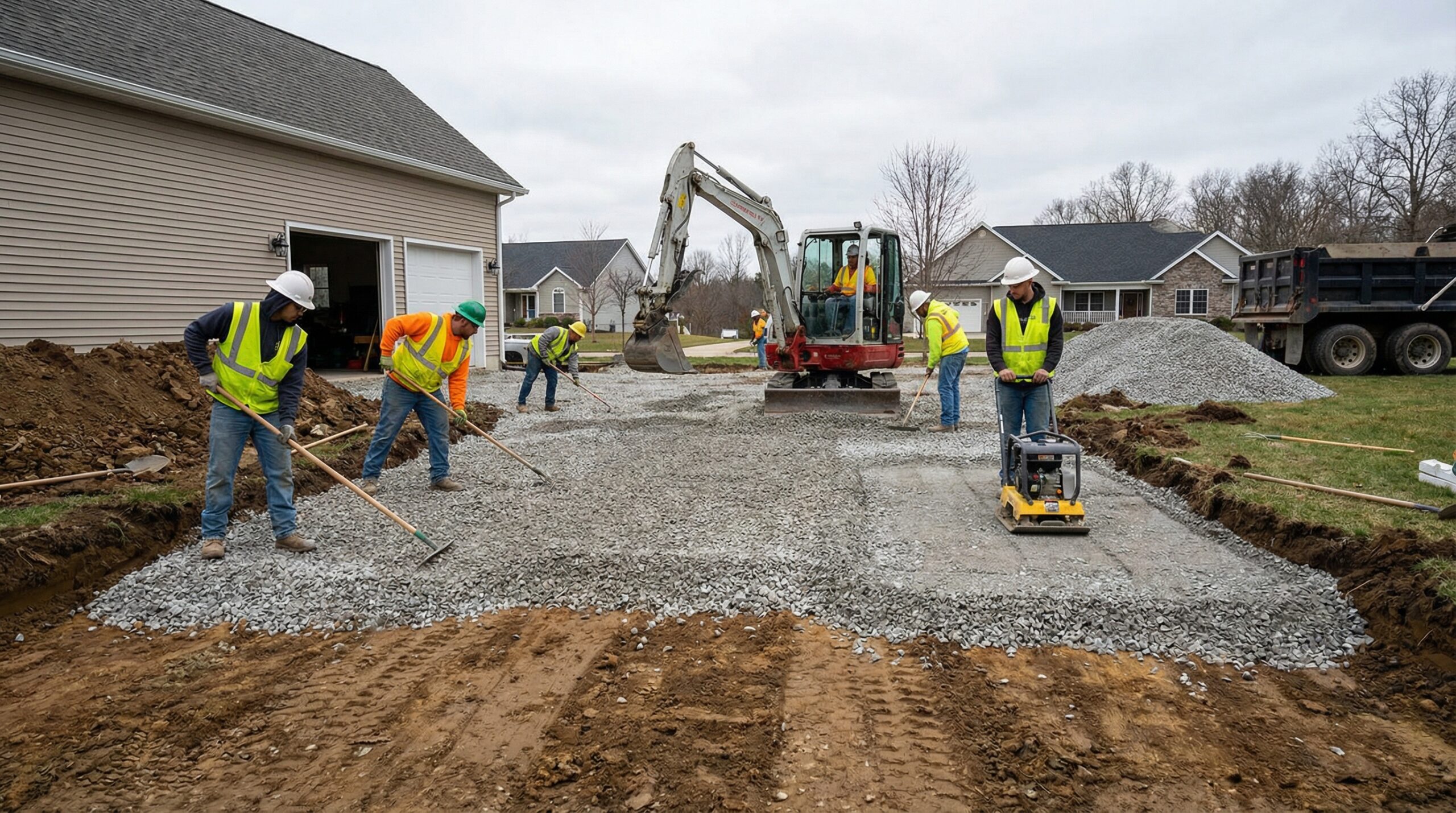
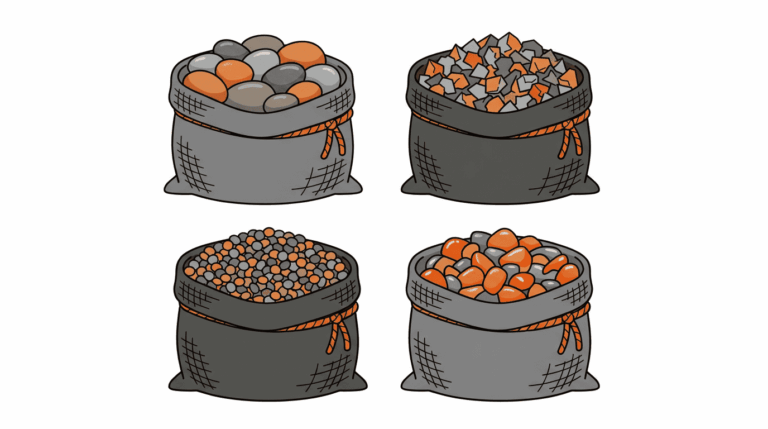
Spread gravel evenly to achieve consistent depth across the entire play area. Use rakes and hand tools to ensure uniform distribution, paying special attention to high-impact zones under swings and slides where additional depth may be necessary. When purchasing materials, consider whether bulk bags of gravel stones or smaller quantities better suit your project needs.
Regular maintenance preserves both safety and appearance. Rake the surface monthly to redistribute gravel and prevent compaction in high-traffic areas. Inspect for thin spots or displacement, adding fresh material as needed to maintain proper depth.
Seasonal maintenance includes removing debris, checking drainage performance after heavy rains, and addressing any safety hazards promptly. Well-maintained gravel surfaces can provide 8-10 years of safe service with proper care.
Maintenance Tip: Keep extra gravel on hand for quick repairs. Small problems addressed immediately prevent larger safety issues and extend surface lifespan.
Establishing a regular maintenance schedule ensures your playground remains safe and inviting for children while meeting ongoing safety requirements. For convenient storage and handling, explore options for bags of gravel stones that make maintenance and repairs more manageable.
Selecting the right gravel size creates a foundation for safe, enjoyable playground experiences. By considering age groups, equipment heights, and local conditions, you can choose materials that provide optimal protection while remaining comfortable for active play. Proper installation and maintenance ensure your investment continues protecting children for years to come.