Types of Gravel Complete Guide to Sizes, Uses and Best Options
Get an estimate for your project in 60 seconds
 Your information is secure
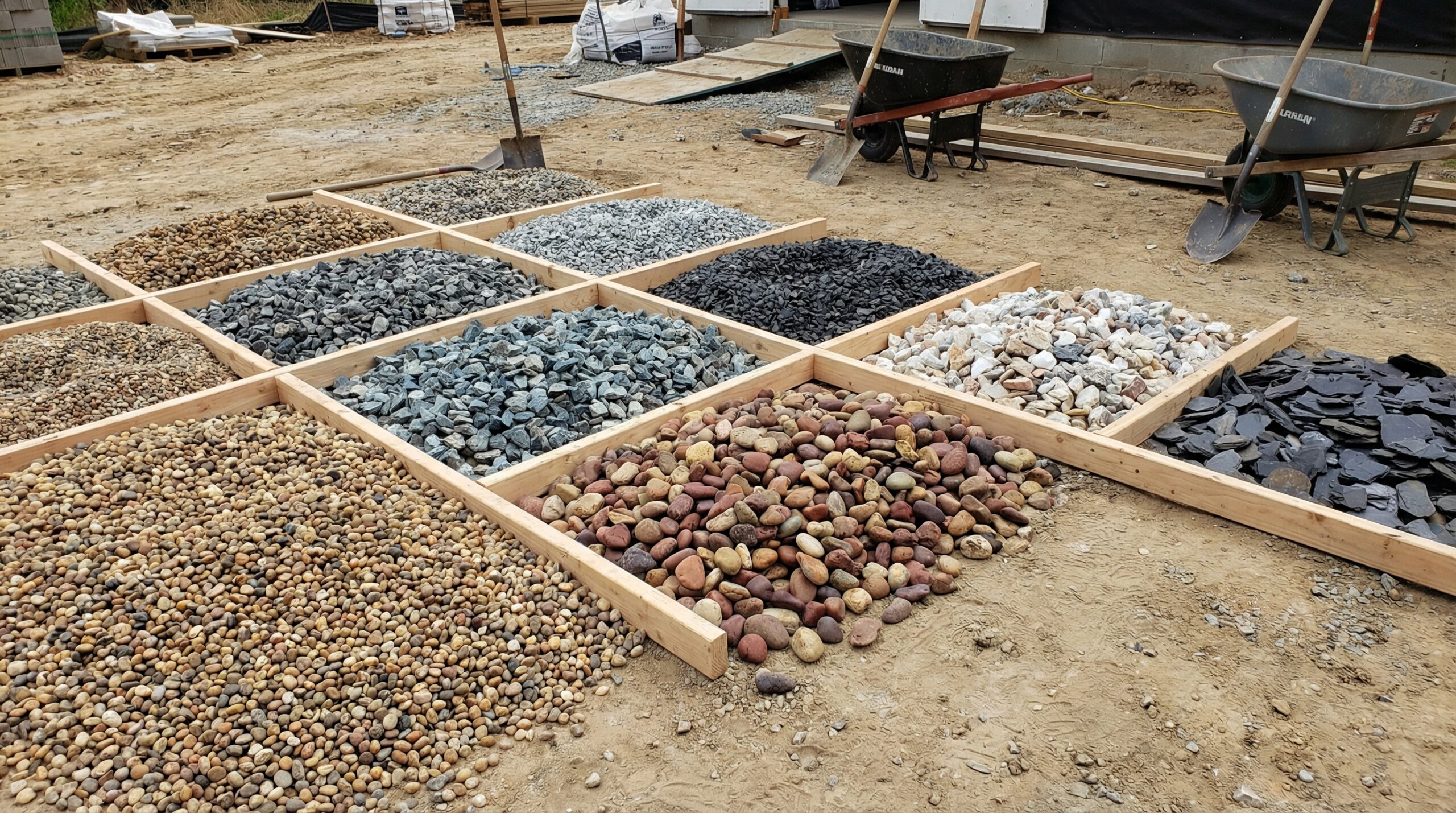
Choosing the right gravel for your project can make the difference between a durable, long-lasting surface and one that fails within months. Whether you’re planning a driveway, garden pathway, or drainage system, understanding the different types of gravel available helps you make informed decisions that save both time and money.
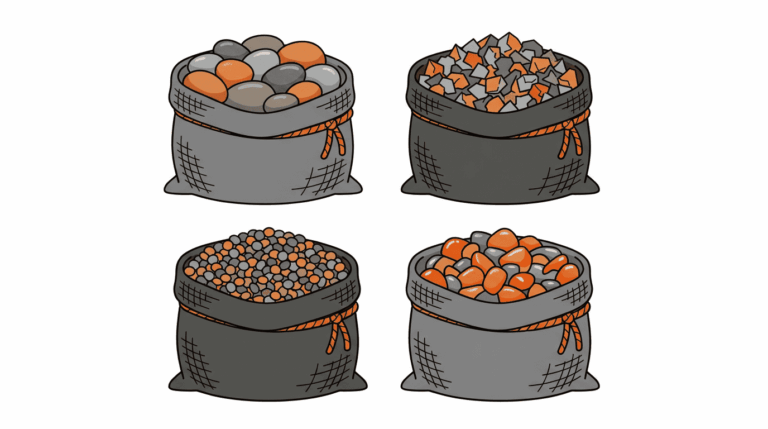
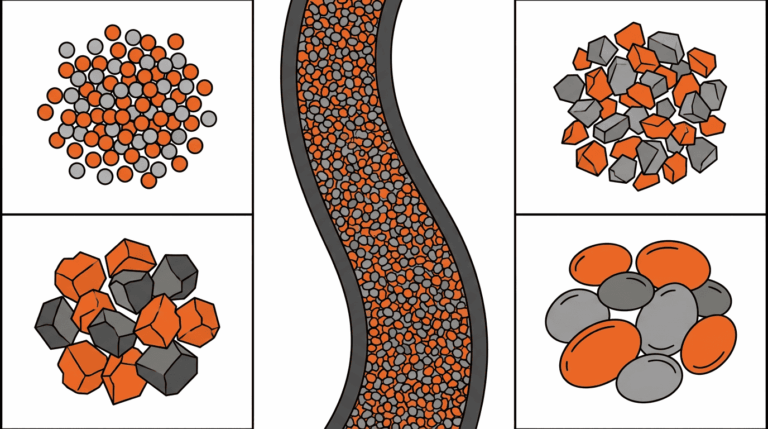
Gravel comes in numerous varieties, each with specific characteristics that make it suitable for particular applications. From smooth pea gravel perfect for walkways to angular crushed stone ideal for driveways, the size, shape, and material composition determine how well each type performs in different situations.
Quick Fact: Gravel particles typically range from 2mm to 64mm in diameter, with different sizes offering varying levels of stability, drainage, and aesthetic appeal for construction and landscaping projects.
What is gravel and how does it form
Gravel consists of small rock fragments that form through natural weathering processes or mechanical crushing. These fragments can originate from various rock types including granite, limestone, sandstone, and basalt, each bringing unique characteristics to the final product.
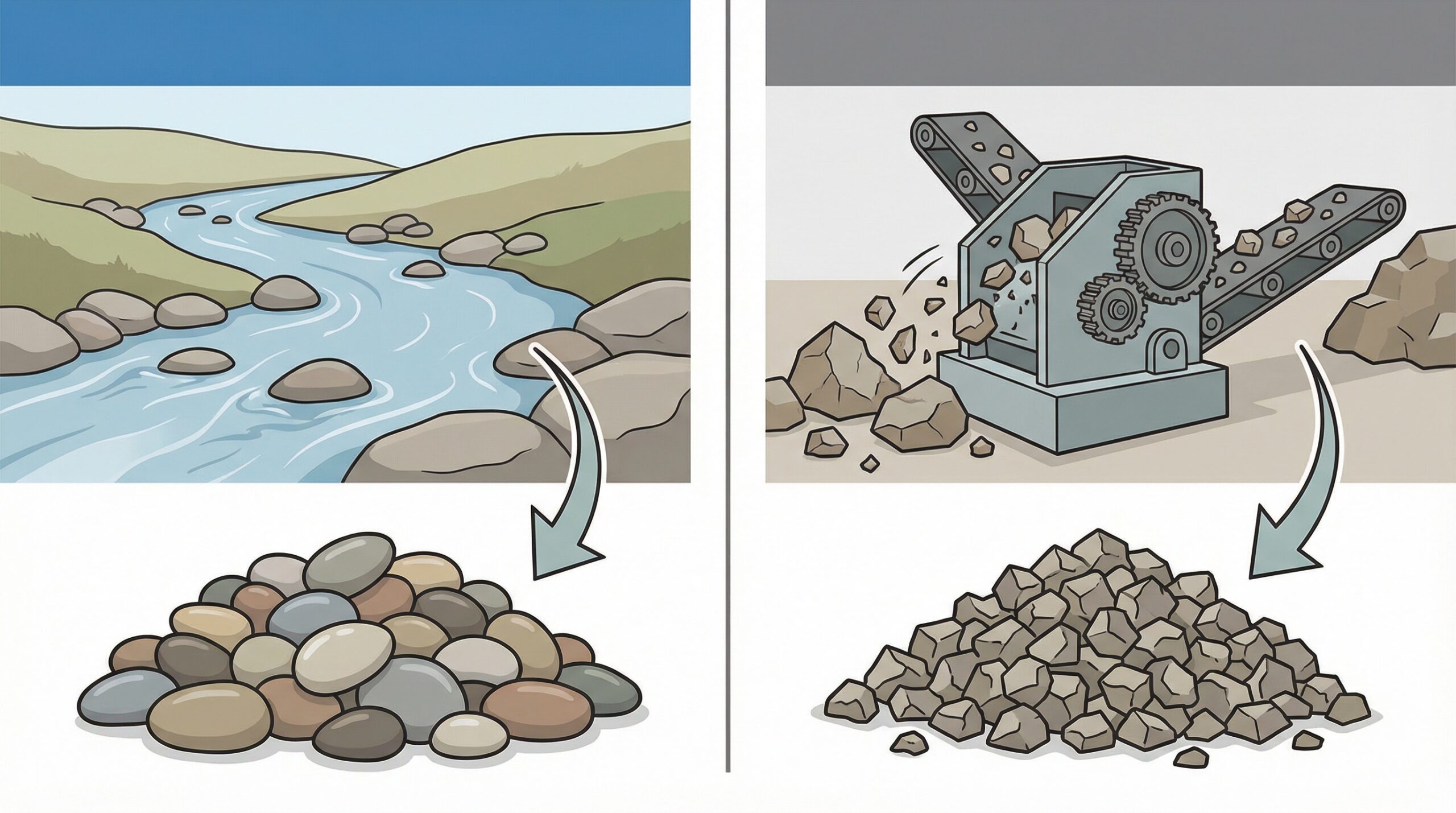
Natural gravel forms when larger rocks break down over thousands of years through exposure to water, wind, and temperature changes. Rivers and streams carry these fragments downstream, gradually smoothing their edges and creating the rounded stones we often see in riverbeds. This process explains why river rock gravel has such smooth, polished surfaces.
Man-made gravel production involves crushing larger stones using mechanical equipment. This process creates angular fragments with sharp edges that interlock well, making them excellent for applications requiring stability and compaction. The controlled production allows manufacturers to create specific size grades for different uses.
Natural gravel types and their characteristics
Natural gravel varieties offer distinct advantages based on their formation and source materials. Each type serves specific purposes in construction and landscaping applications.
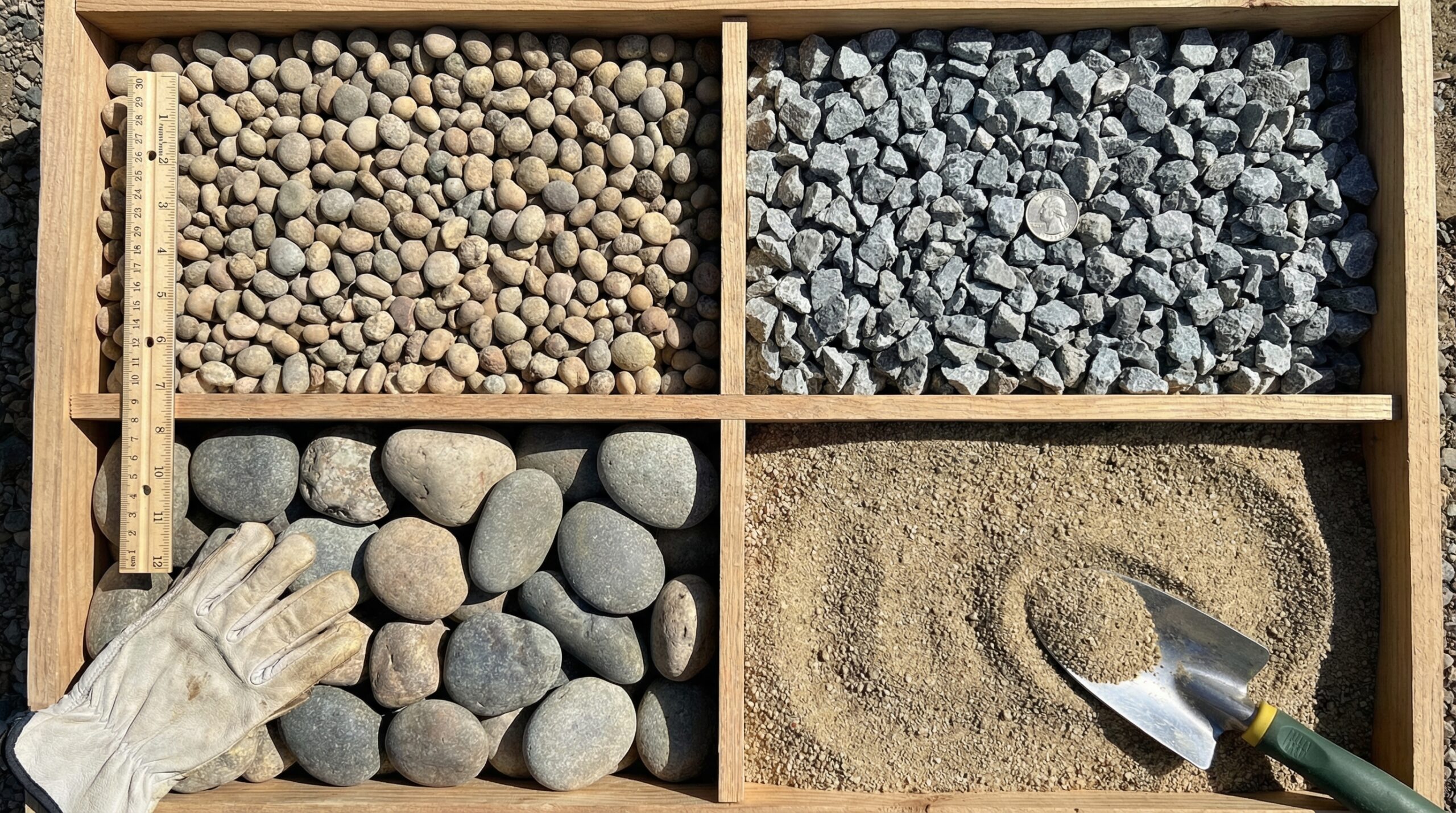
Pea gravel consists of small, rounded stones approximately 3/8 inch in diameter. Its smooth texture makes it comfortable for walking, while its size allows excellent drainage. You’ll commonly find pea gravel used in garden pathways, playground surfaces, and decorative landscaping features. The rounded shape prevents compaction, making it less suitable for high-traffic areas requiring stability.
River run gravel comes directly from riverbeds and contains a mixture of sizes and shapes. This natural blend provides good drainage while offering more stability than uniform pea gravel. The varied particle sizes allow smaller pieces to fill gaps between larger ones, creating a more compact surface suitable for driveways and base materials.
Pro Tip: River run gravel’s natural color variations and mixed sizes create an attractive, organic appearance that blends well with natural landscaping designs.
Decomposed granite forms when granite rocks weather into fine particles with a sandy texture. This material compacts well and provides a stable, permeable surface that’s perfect for pathways and patios. Its natural earth tones complement most landscape designs, and it requires minimal maintenance once properly installed.
Manufactured gravel options for specific needs
Manufactured gravel types offer consistent sizing and enhanced performance characteristics for demanding applications. These processed materials provide predictable results for construction projects.
Crushed stone gravel features angular fragments created by mechanically crushing larger rocks. The sharp edges allow pieces to interlock, creating exceptional stability and load-bearing capacity. This makes crushed stone ideal for driveways, road bases, and foundation work where strength matters more than aesthetics. For more detailed information, explore our comprehensive guide to different types of crushed stone.
Crushed concrete gravel represents an environmentally friendly option made from recycled concrete structures. It provides excellent drainage and durability while reducing waste in landfills. Many contractors choose crushed concrete for base layers and temporary roads due to its cost-effectiveness and environmental benefits.
Steel slag gravel comes from steel production byproducts and offers exceptional strength and durability. Its high density makes it perfect for heavy-duty applications like industrial roadways and areas requiring maximum load-bearing capacity. The dark color and angular shape give it a distinctive industrial appearance.
Choosing the right gravel for your project
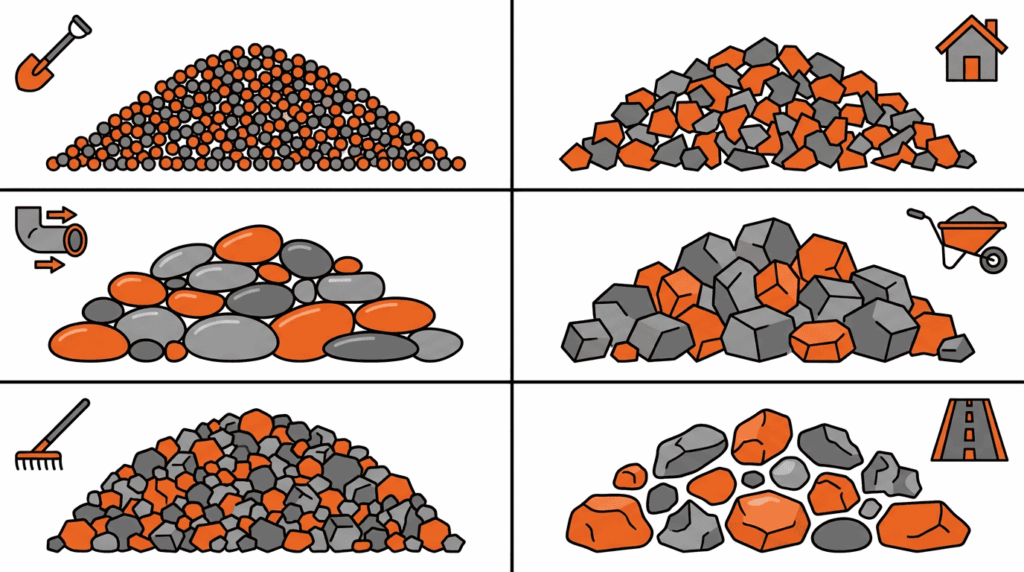
Selecting appropriate gravel depends on several key factors including intended use, traffic levels, drainage requirements, and aesthetic preferences. Understanding these considerations helps ensure project success.
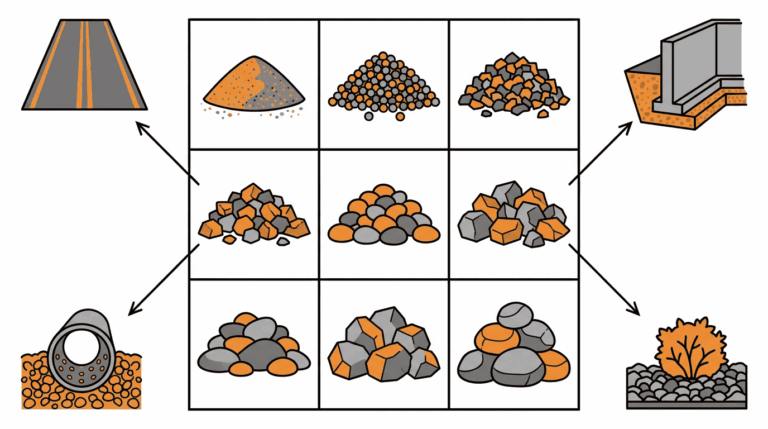
For driveways and high-traffic areas, choose larger, angular gravel like 3/4-inch crushed stone that compacts well and resists displacement. The interlocking edges provide stability under vehicle weight, while the size allows proper drainage without creating a muddy surface during rain. Learn more about the best crushed stone size for a driveway to make an informed decision.
Decorative applications benefit from smaller, rounded gravel that’s comfortable to walk on and visually appealing. Pea gravel or small river rock works well for garden paths, around plants, and in areas where people will walk barefoot. Consider color coordination with existing landscape elements for the best visual impact. If you’re planning decorative features, check out our guide on the best crushed rock size for decorative landscaping.
| Gravel Type | Best Uses | Size Range | Key Benefits |
|---|---|---|---|
| Pea Gravel | Pathways, decorative areas | 1/8″ – 3/8″ | Comfortable walking, good drainage |
| Crushed Stone | Driveways, foundations | 3/4″ – 1.5″ | High stability, excellent compaction |
| River Rock | Landscaping, water features | 1″ – 3″ | Natural appearance, erosion control |
| Decomposed Granite | Patios, walkways | Fine particles | Compacts well, natural colors |
Drainage considerations play a crucial role in gravel selection. Areas with poor drainage benefit from larger gravel sizes that allow water to flow freely between particles. Smaller gravel works better in well-draining soils where you want some water retention for plants.
Important: Always consider local climate conditions when selecting gravel, as freeze-thaw cycles can affect certain types differently and impact long-term performance.
Climate factors also influence gravel choice. In areas with frequent freeze-thaw cycles, avoid gravel types that retain water and may crack or shift when frozen. Choose well-draining options that allow water to pass through quickly, preventing ice formation within the gravel bed.
Understanding these different gravel types and their applications helps you make informed decisions for any project. Whether you need a functional driveway surface or an attractive garden feature, the right gravel choice ensures lasting results that meet both practical and aesthetic requirements. For specific applications, explore our guides on the best gravel size for a walkway and understanding different sizes of gravel aggregates. Consider consulting with local suppliers who understand regional conditions and can recommend the best options for your specific location and project needs.